On this page
Traveling with older parents works best when the plan reflects the individual, rather than assumptions about age. Someone may enjoy a long museum visit but dislike steep vehicle steps; another may need frequent seated breaks. Turn those preferences into route and boarding decisions before selecting attractions.
Describe what makes movement comfortable
Ask each parent about practical limits: standing in a queue, walking on uneven ground, getting into a vehicle and using stairs. Record those details without asking the transport team to interpret a medical condition. A short, specific description is more useful than a broad request for an “elderly-friendly” car.
If a wheelchair or walker travels with the family, provide folded dimensions and clarify whether the person can transfer independently. Do not infer a ramp, lift or safe wheelchair restraint from a roomy cabin. Where assisted transfers are needed, arrange an appropriate qualified provider.
Inspect the whole arrival path
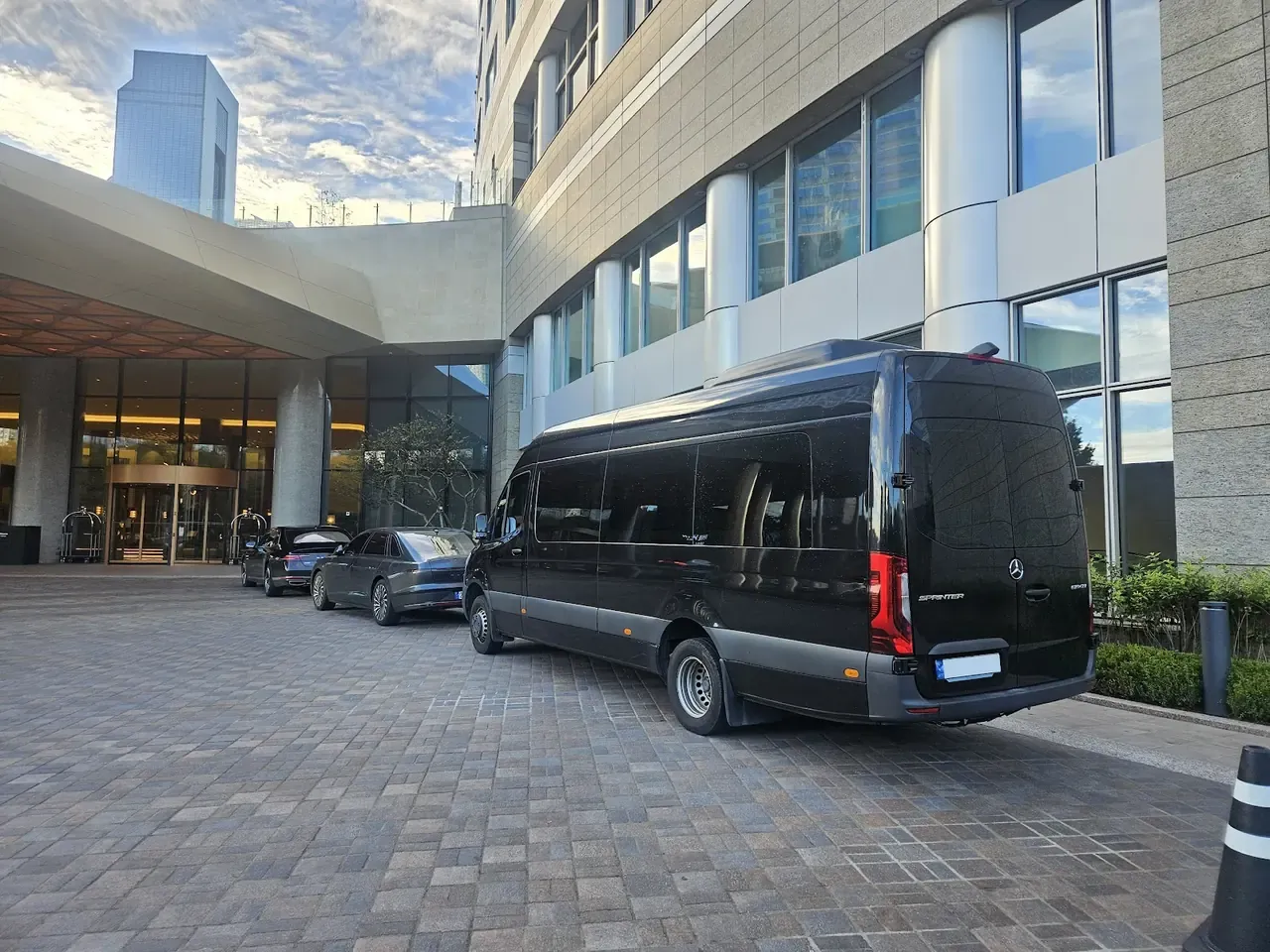
A vehicle can reach a palace or market without reaching the point where a parent can comfortably enter. Ask the venue about the permitted drop-off, accessible entrance, working lift and distance to seating. For historic areas, a nearby street may still lead to slopes or paving that changes the experience.
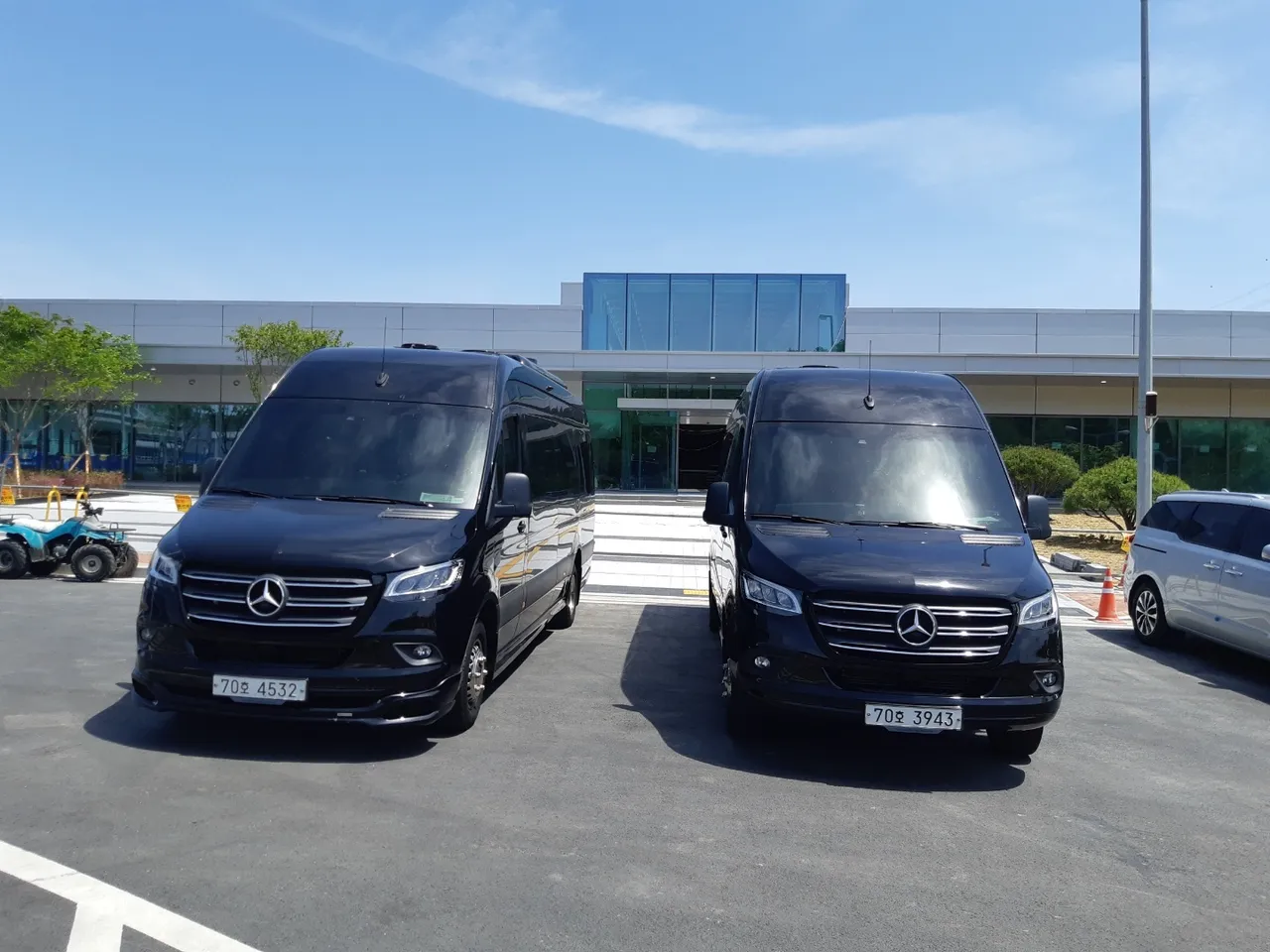
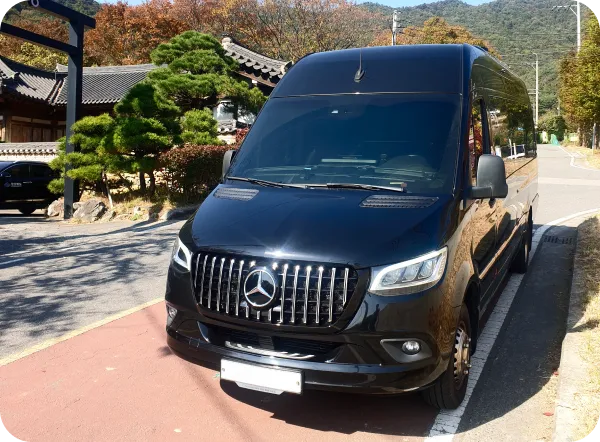
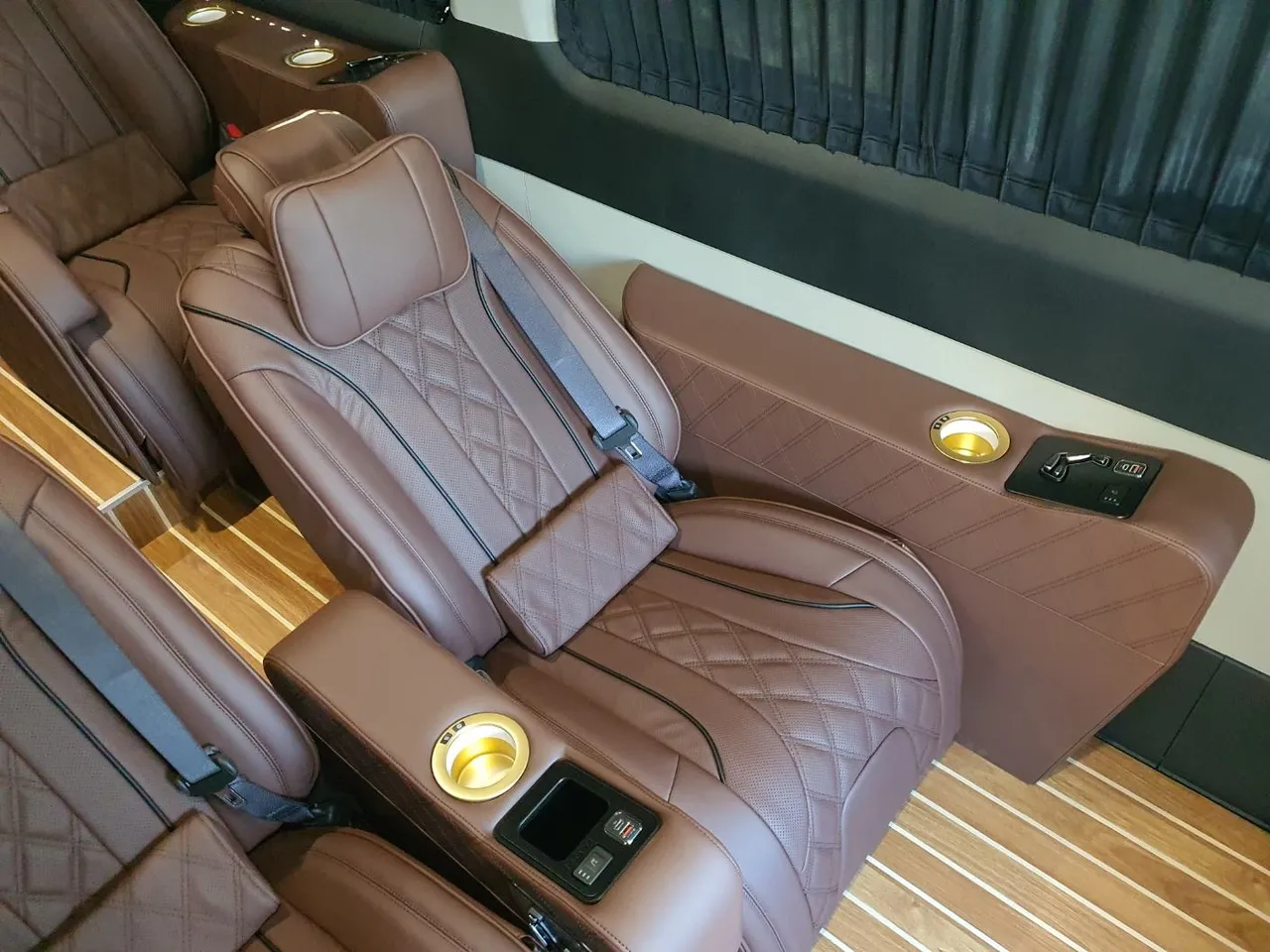
Request vehicle entry photographs when step height matters. Compare the actual assigned configuration rather than deciding that every van is easier than every SUV. A suitable vehicle and an unsuitable entrance can still produce a difficult day, so plan both together.
| Situation | Practical arrangement | Detail to settle |
|---|---|---|
| Difficulty with high steps | Review assigned vehicle entry | Photo or measurement |
| Low standing tolerance | Venue seating and shorter queue plan | Receiver and accessible entrance |
| Uncertain energy | One anchor plus optional stop | Simple hotel-return instruction |
Build the day around one worthwhile anchor
Choose one must-do visit and place an optional shorter stop nearby. A museum followed by a seated meal may work better than several distant landmarks connected by long drives. Leave a genuine hotel-return option after the main activity, rather than treating rest as a failure of the itinerary.
Discuss meal seating with the restaurant. Traditional atmosphere does not establish chair seating, a lift or an easy toilet route. Keep water, personal essentials and any clinician-directed supplies accessible to the family, not buried under suitcases. The chauffeur supports the movement; family or arranged carers provide personal care.
Agree how to shorten the day
Choose a family contact who can cancel the optional stop without a group debate at the curb. Tell the operator what a shortened route would look like and how changes affect the booking. Confirm how the car is called forward when everyone is ready, since legal standby may be away from the entrance.
At each stop, repeat the return landmark and contact method before separating. If one parent rests while others explore, agree who remains with them. A private car simplifies transport, but it does not replace companionship, mobility assistance or a venue’s own accessibility arrangements.
Quote the essential route and a shorter return
Ask for an offer covering the main visit, suitable boarding points and a direct hotel-return option if a parent wants to finish early. Record which family member can remove the optional stop and how that affects the price. Confirm the assigned vehicle’s entry arrangement, space for mobility aids and any agreed assistance; these are separate from personal care. Keep the venue’s accessibility information with the family contact and review waiting, parking and cancellation conditions.
Grand’s spring family-day account describes gentle walking, a seated meal and an optional afternoon. That provides a useful pacing example, without establishing specialist accessible transport or care provision.
Frequently asked questions
Is a high-roof van automatically accessible?
No. Check step height, doorway and the actual assistance needed. Lift, ramp and wheelchair securement capabilities must be specifically verified.
How many attractions should we plan?
Begin with one main experience and an optional nearby stop. Add more only when the family’s pace and the route make it comfortable.
Can the chauffeur provide personal care?
Personal care and specialist mobility assistance are not confirmed services. Arrange a family companion or appropriate professional when those needs exist.
Should we choose a traditional restaurant?
Choose it for the food and atmosphere only after confirming chair seating, entrance access and toilets that work for your parents.