On this page
“Seoul airport” is not enough information for a vehicle booking. Incheon and Gimpo are separate airports, and each pickup must also identify the correct terminal. Use the flight on the ticket to establish the location, then plan the road journey and passenger procedures for that specific airport.
Copy the code from the actual flight
Look for ICN for Incheon or GMP for Gimpo on the confirmed itinerary. Do not select an airport from a hotel’s generic directions or the booking website’s city label. When connecting through another city, identify the flight that actually arrives in Korea rather than forwarding only the first segment. Include the operating airline and local date, particularly when an overnight journey crosses into a new calendar day.
If the ticket changes, update the chauffeur booking independently; the ground operator may not receive the airline’s revised itinerary.
Resolve the terminal within that airport
Incheon uses Terminal 1 and Terminal 2, while Gimpo has domestic and international terminal arrangements. Check the current terminal with the airline or official airport information for your flight. Avoid relying on a remembered airline list because assignments and operating circumstances can change. An arrival exit or departure entrance is a further detail within the terminal; it cannot replace the terminal itself in the booking.
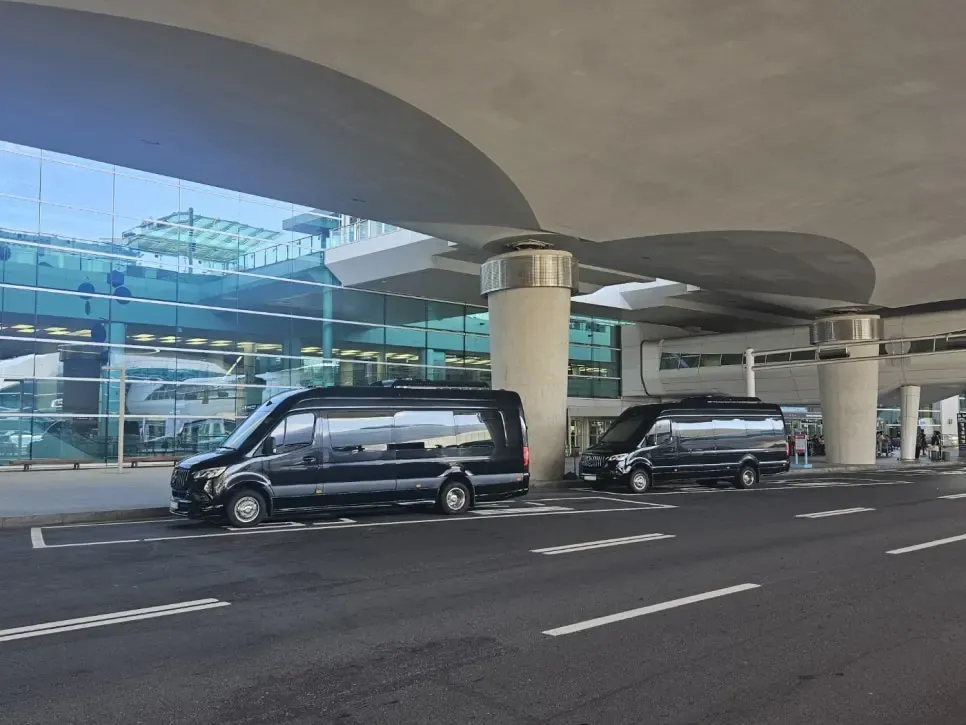
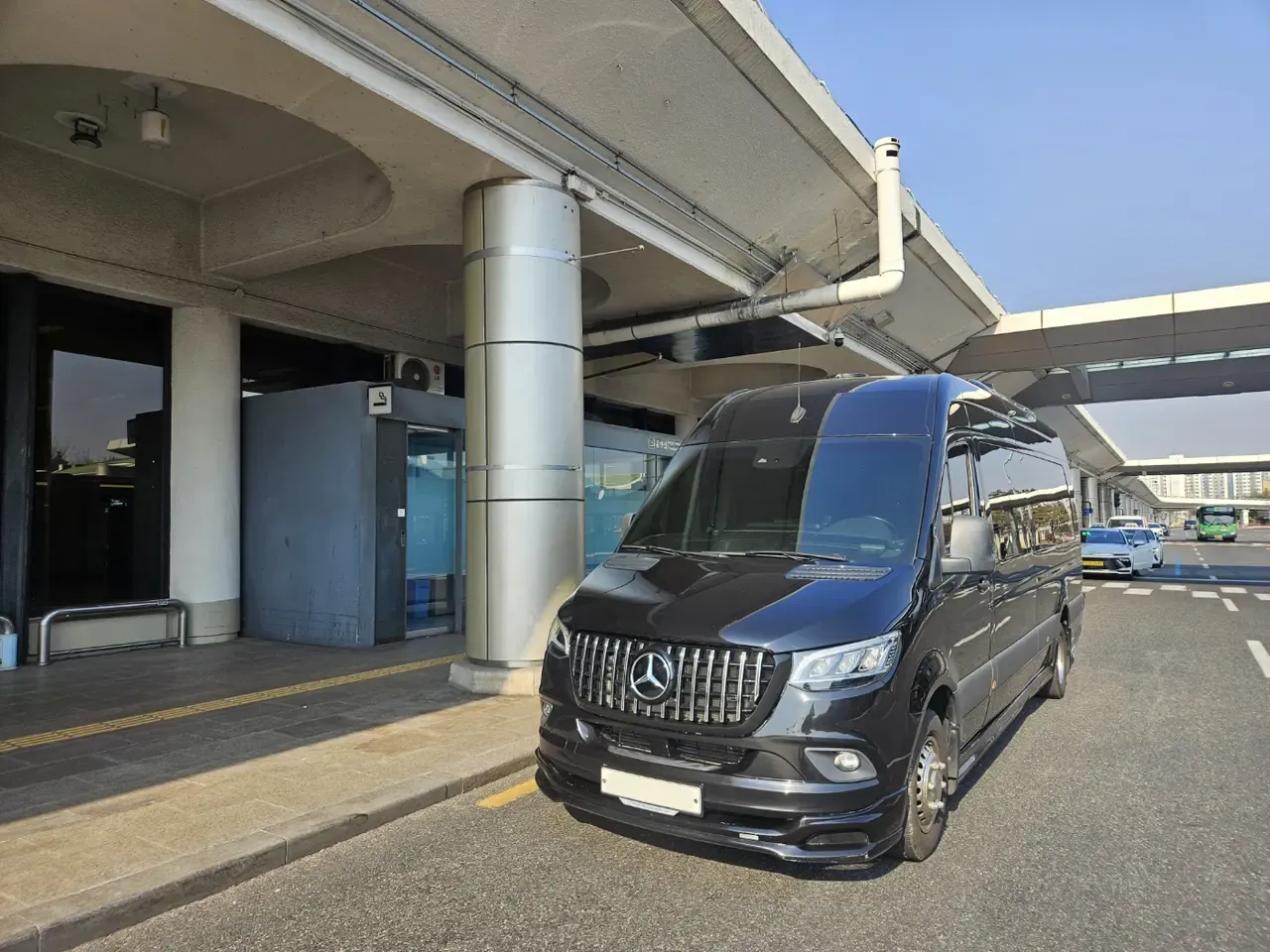
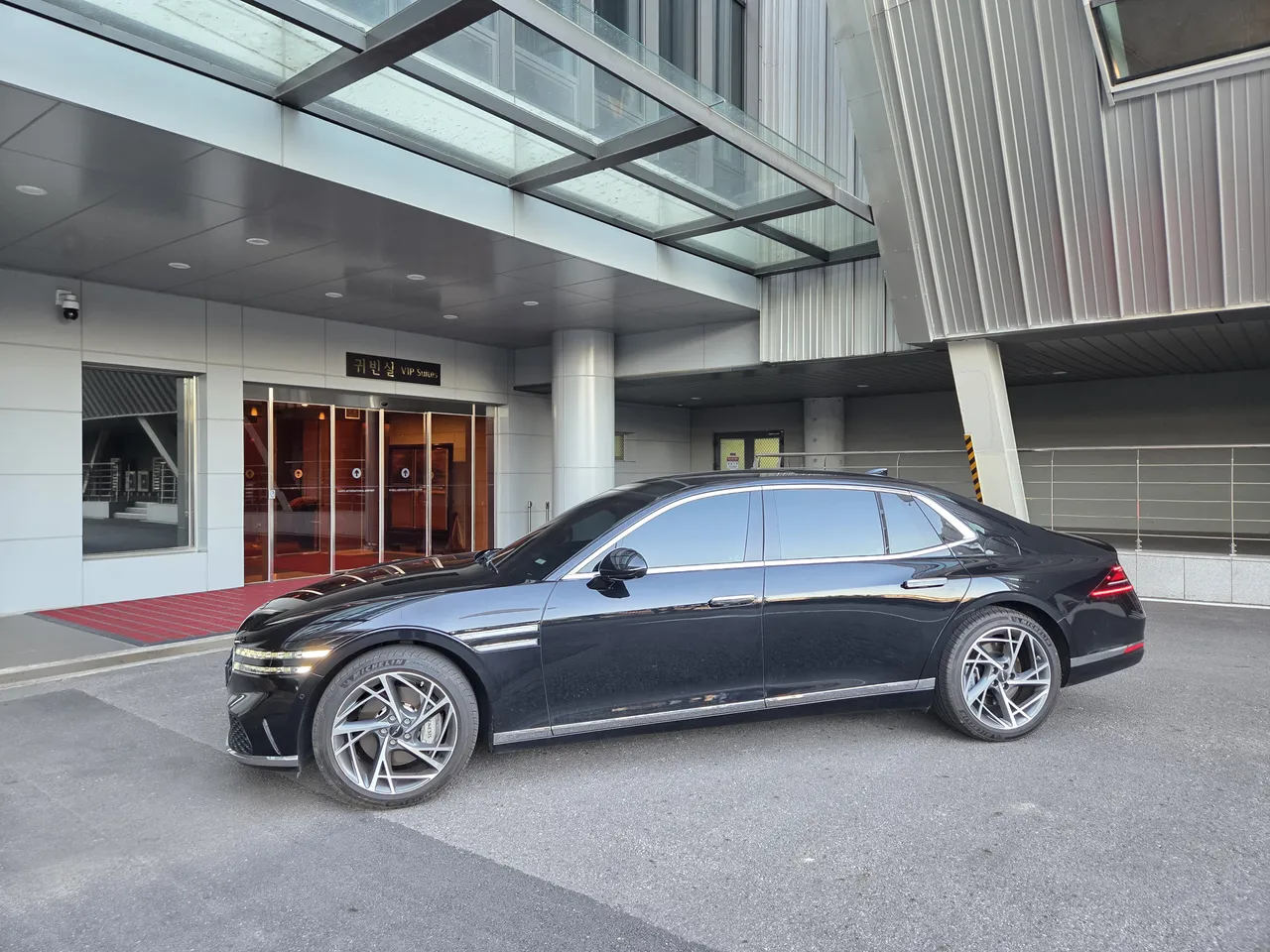
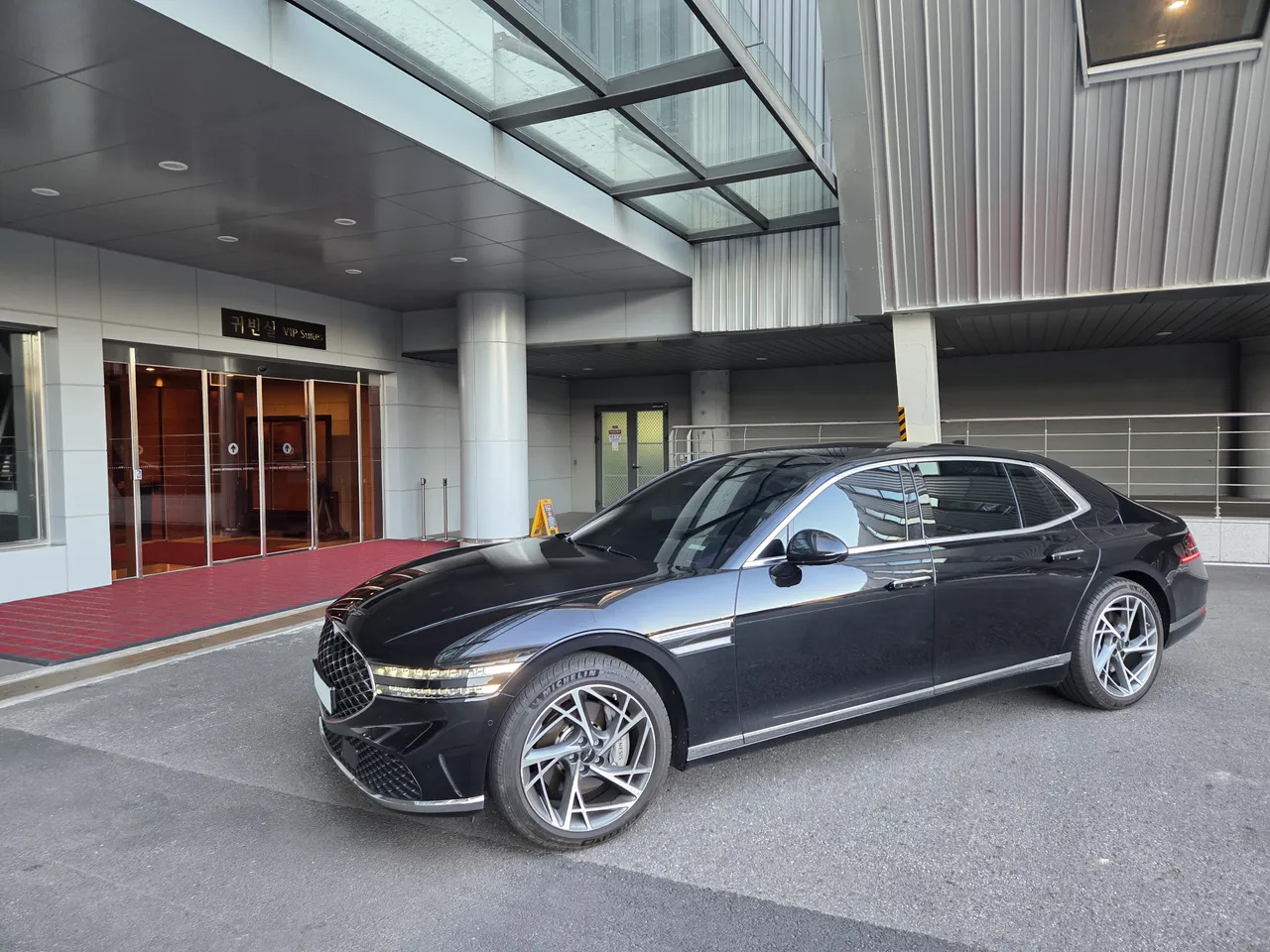
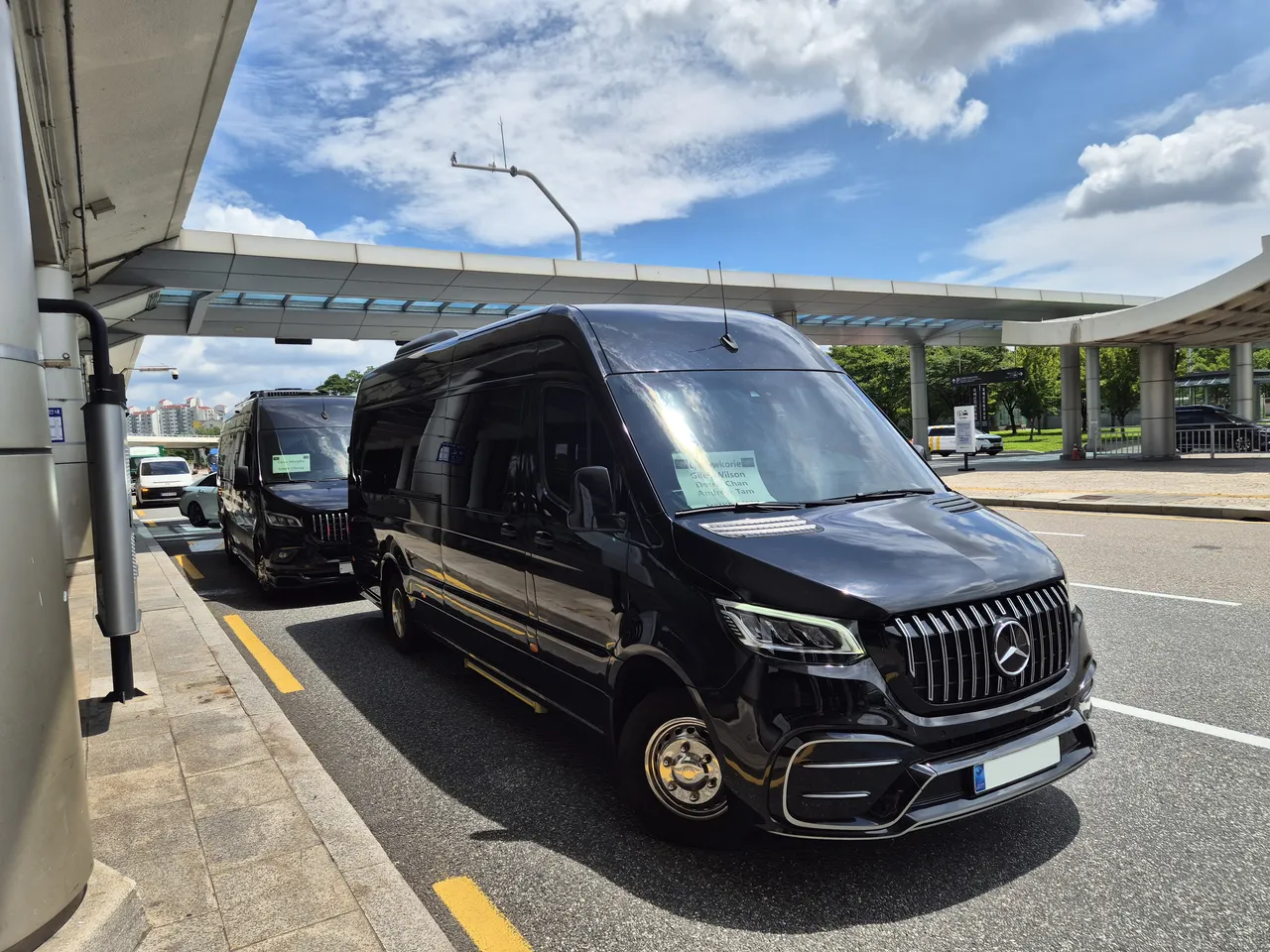
Grand’s executive-travel case supports discreet airport pickup and business routing. Your own confirmation must still state the correct airport, terminal and meeting point.
| Movement | Essential location detail | Timing question |
|---|---|---|
| ICN arrival | T1 or T2 plus meeting point | When will guests be ready? |
| GMP arrival | Domestic or international terminal | Where is the public pickup? |
| Airport departure | Correct check-in terminal | What arrival target does the airline require? |
| ICN–GMP connection | Both exact terminals | Is the full connection feasible? |
Compare the journey to your particular address
A shorter-looking airport distance does not settle the road plan. The hotel district, departure hour, weather and final approach all affect the journey. Ask the coordinator to assess your actual address and add room for uncertainty before an important commitment. Avoid applying one airport’s estimate to the other or assuming the city boundary is the destination. A Gangnam office and a hotel in western Seoul create different final movements.
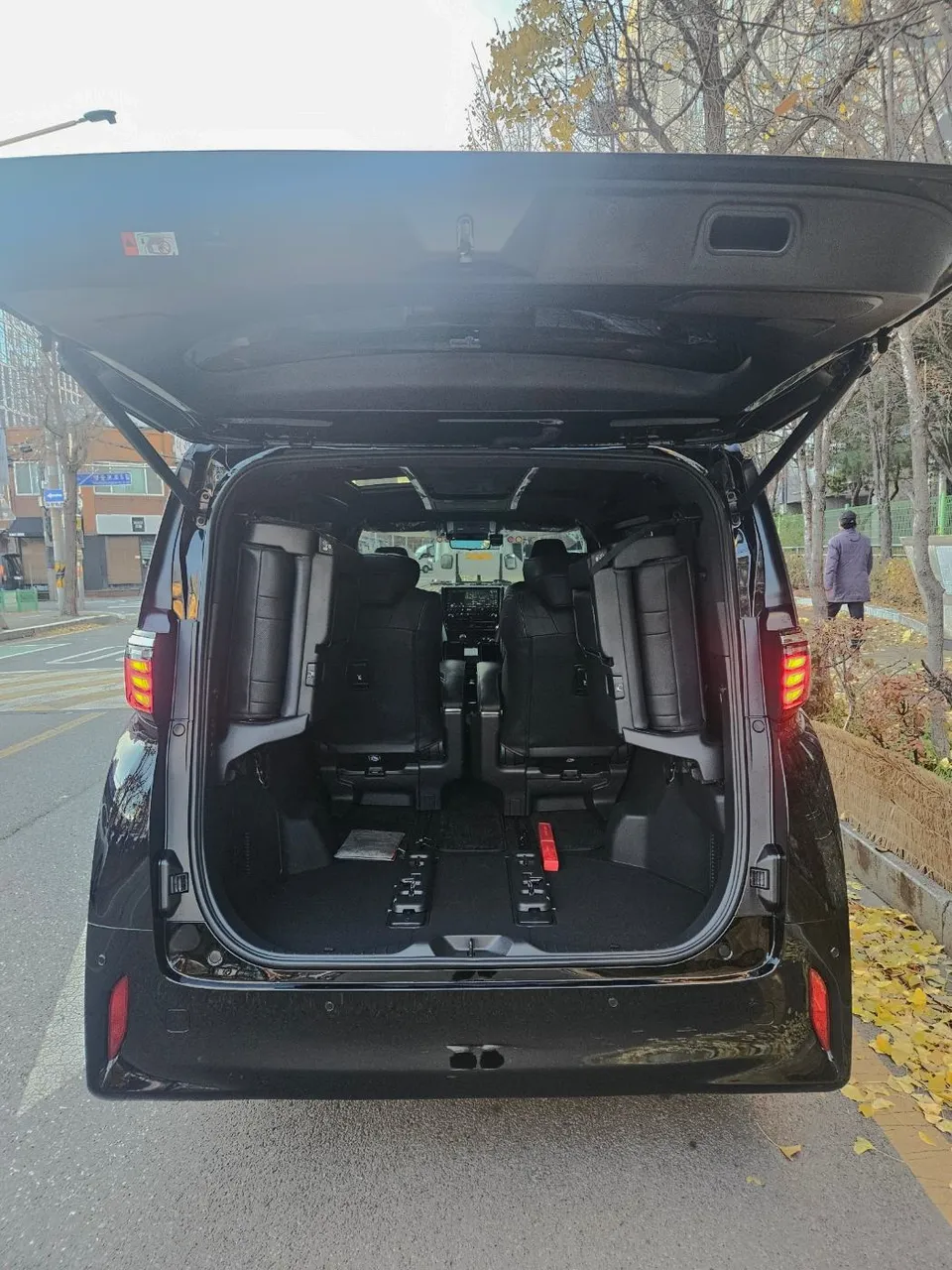
For either airport, select the vehicle using passengers, restraint needs and luggage rather than the airport’s name.

Treat an airport change as a complete connection
For ICN–GMP or GMP–ICN travel, account for passenger entry procedures, baggage collection, road transfer, new check-in and security requirements. Ask the airline or ticketing provider whether the complete itinerary is feasible, including the consequences of a late inbound flight. A booked car cannot guarantee a protected connection between separate tickets. Keep the next flight’s check-in deadline available and agree who decides if the original plan becomes unrealistic.
Confirm whether luggage must be collected and rechecked with the airlines; do not infer baggage transfer from the fact that both airports serve Seoul.
Work backward from the airline’s airport requirement
Use the airline’s current guidance for the exact departure and passenger needs. Add hotel loading, the assessed road journey and a traffic buffer to that required airport arrival. Special baggage, children, assistance arrangements or a group check-in may need additional preparation. Tell the operator the flight details and desired terminal arrival rather than supplying only a hotel pickup time. Recheck the terminal and itinerary before leaving.
The final transfer brief should work in both directions: flight details, local date, terminal, luggage, contact channel and the exact receiving entrance.
Frequently asked questions
Can I book by saying only “Seoul airport”?
Use the actual code, ICN or GMP, plus the terminal and flight number. A city label is too broad for a confirmed vehicle assignment.
Are Incheon T1 and Gimpo the same place?
No. Incheon Terminal 1 belongs to ICN. Gimpo is a separate airport, GMP, with its own terminals and ground access.
Does a private car guarantee an airport-to-airport connection?
No. The complete connection includes immigration, baggage and the next flight’s procedures. Check feasibility and ticket conditions with the responsible airline or booking provider.
Can we use the same pickup buffer for both airports?
Build each plan from its actual flight, terminal and passenger needs. Ask for a road assessment and use the relevant airline’s departure requirements rather than a universal interval.