On this page
Golf hospitality is easier when the practical expectations are clear and the social assumptions are modest. Visiting guests need the course’s instructions, a considered arrival and a host who can respond to individual preferences. The transport brief should support those needs without prescribing one supposedly universal Korean ritual.
Ask for a short host brief
Have the host confirm names, preferred forms of address, language needs and whether the outing is primarily social or includes a business discussion. Tell guests what is already arranged and what they should bring. Avoid suggesting that expensive gifts or a particular car will influence a commercial result. Courtesy is better expressed through clear information, considerate timing and attention to the people attending.
If interpretation is needed beyond basic transport communication, arrange a suitable interpreter rather than assuming the chauffeur can support negotiations.
Let the course define its own process
Request the actual clubhouse check-in deadline, dress instructions, equipment arrangements and payment method. Ask about carts, caddies, rental sets and dining directly; their availability and conditions vary by course and booking. Do not apply a generic claim about every Korean golf venue to a private reservation. Set hotel departure using the required arrival process plus route and loading allowances, not the tee time alone.
Grand’s golf account connects airport, course, dining and hotel movements. It supports coordinated transport without establishing course membership or booking privileges.
| Question | Best person to ask | Transport information needed |
|---|---|---|
| How should guests be addressed? | Host or guest assistant | Approved names and greeting preference |
| What does the course require? | Course reservation contact | Clubhouse deadline and entrance |
| Can the outing change after a personal event? | Host’s designated colleague | Revised destination and passenger list |
| When should vehicles return? | Group organizer | Finish window and call-forward method |
Keep the arrival low pressure
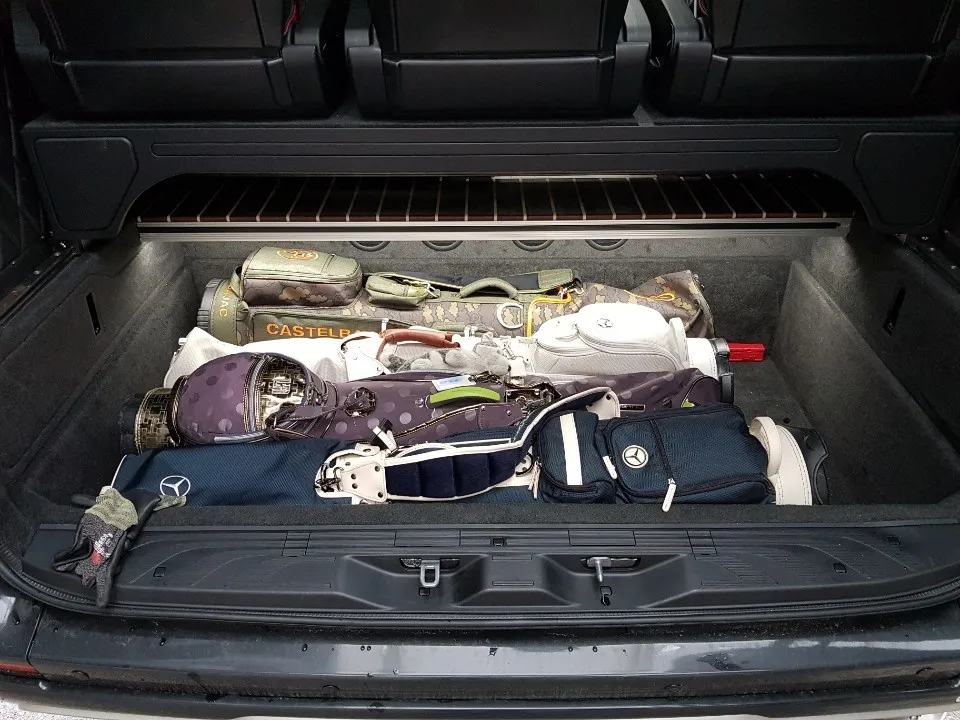
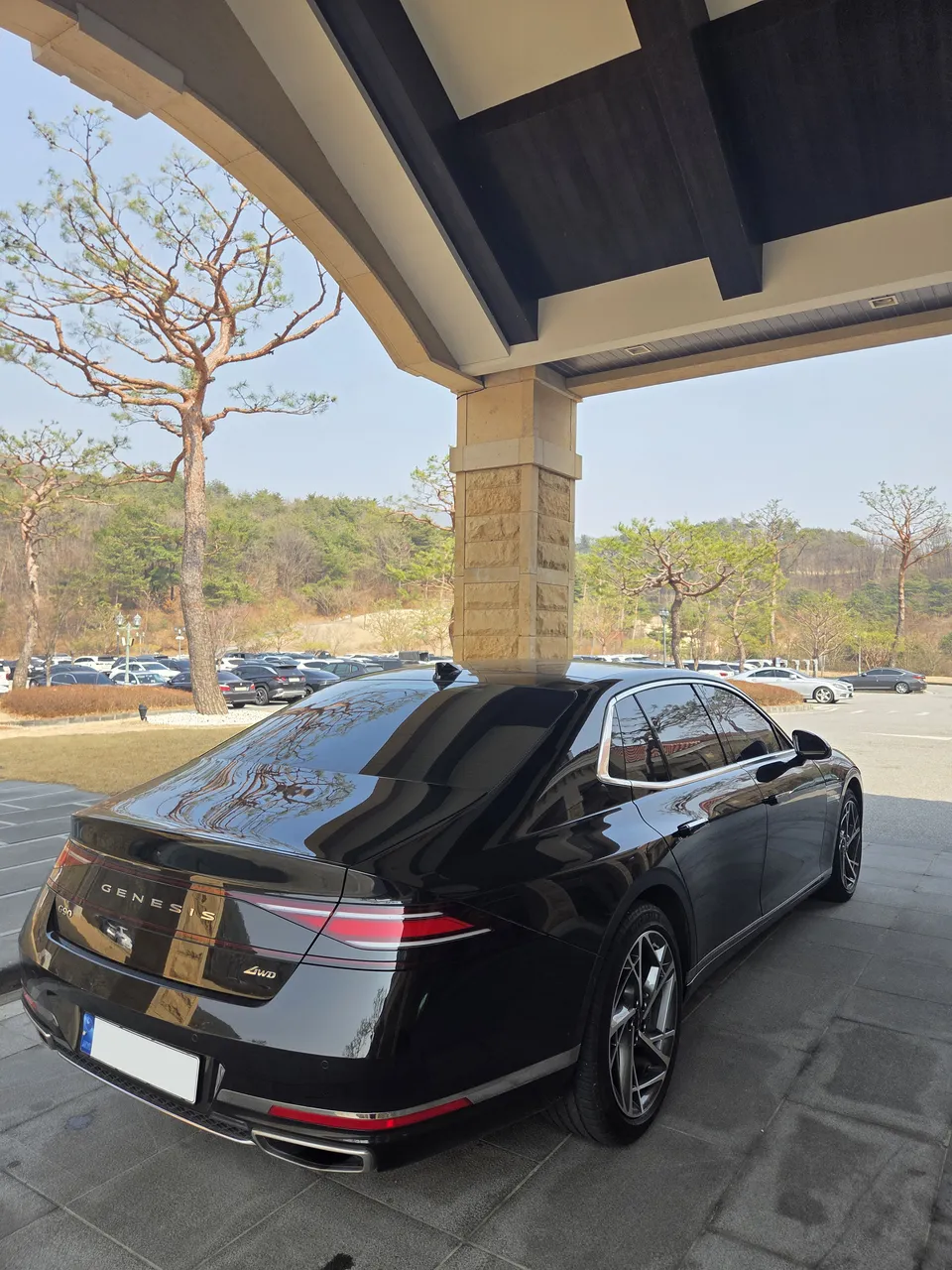
Allocate vehicles so the guest can board comfortably and stay with a useful companion. Offer a preferred seating position without making a public discussion of hierarchy. At the clubhouse, have the host’s receiver meet the party while the equipment is identified. A concise greeting leaves time for changing and registration. Keep phones, business documents and valuables with their owners rather than mixing them with communal equipment.
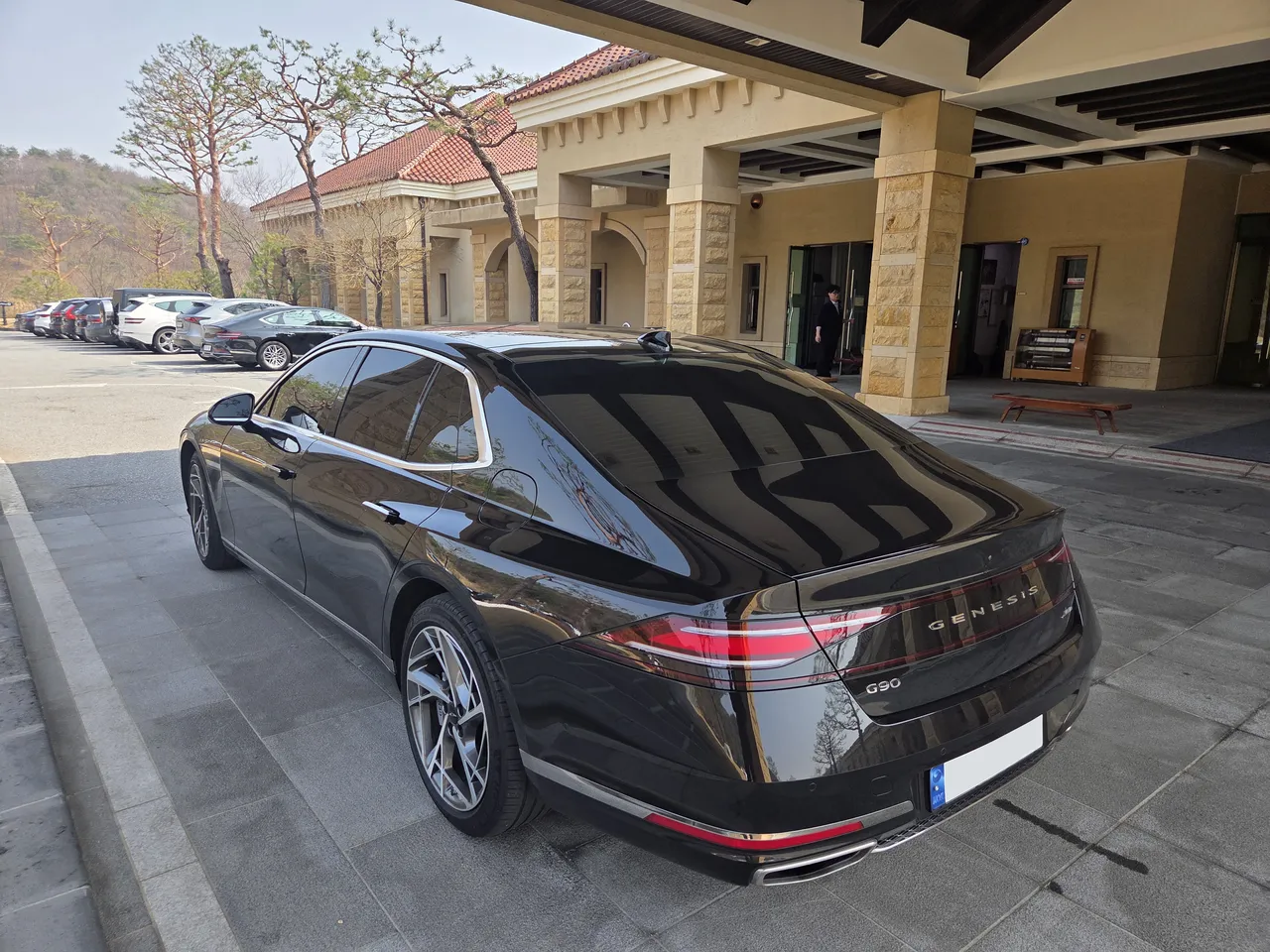
Confirm any required language and the actual loading plan. Do not infer either capability from a luxury vehicle badge.
Respond discreetly when personal plans change
A host may need to shorten or cancel a round because of a family event, illness or bereavement. Ask the designated colleague what change is appropriate and who should communicate it. Do not distribute private reasons to the full driver group when a revised address and timing are enough. If a visit to another event is requested, obtain the receiving person’s consent and exact location before altering the journey.
Messages, condolences and any ceremonial arrangements should remain with the host or qualified advisers; transport staff do not need to draft or circulate personal announcements.
Close the day without social pressure
Check whether guests want the planned clubhouse meal or a direct return. Respect decisions about alcohol, food and optional activities without requiring an explanation. Give the organizer authority to remove a stop and update the receiving venue. Request a booking that clearly states waiting arrangements, likely finish, parking, tolls, overtime and cancellation terms. A considerate exit includes a reliable return plan and an equipment count, not a requirement to continue socializing.
Before travel, circulate only the necessary host brief, course instructions, boarding list, equipment allocation and change contact.
Frequently asked questions
Does every Korean course require the same caddie arrangements?
No general guide can establish your reservation’s conditions. Ask the course about its actual caddie, cart, payment and pacing arrangements.
Must guests bring a corporate gift?
Ask the host and follow the recipient’s policy. A gift is not a universal requirement and procurement is outside the confirmed transport scope.
What if a host has a family emergency?
Let the host’s designated colleague decide the social response. Send the transport team only the revised movement details needed to operate the journey.
Can the chauffeur interpret business negotiations?
Do not assume that from a language request. Confirm transport communication separately and appoint a suitable interpreter for substantive business discussions.