On this page
A wedding photo schedule in a hanok district needs two plans: the photographer’s creative sequence and the transport movements that support it. Narrow lanes, residents, clothing changes and light can pull the day in different directions. Agree the permitted vehicle handovers early so the couple and crew spend their energy on the photographs.
Turn the shot list into a movement sheet
Ask the photographer to identify essential locations, optional scenes and the latest useful arrival at each. Include salon finish, wardrobe handling, meal breaks and the return address. Natural light is a planning factor rather than a transport guarantee. If one location overruns, the production lead should choose which later scene to drop instead of asking the driver to recover time through hurried driving.
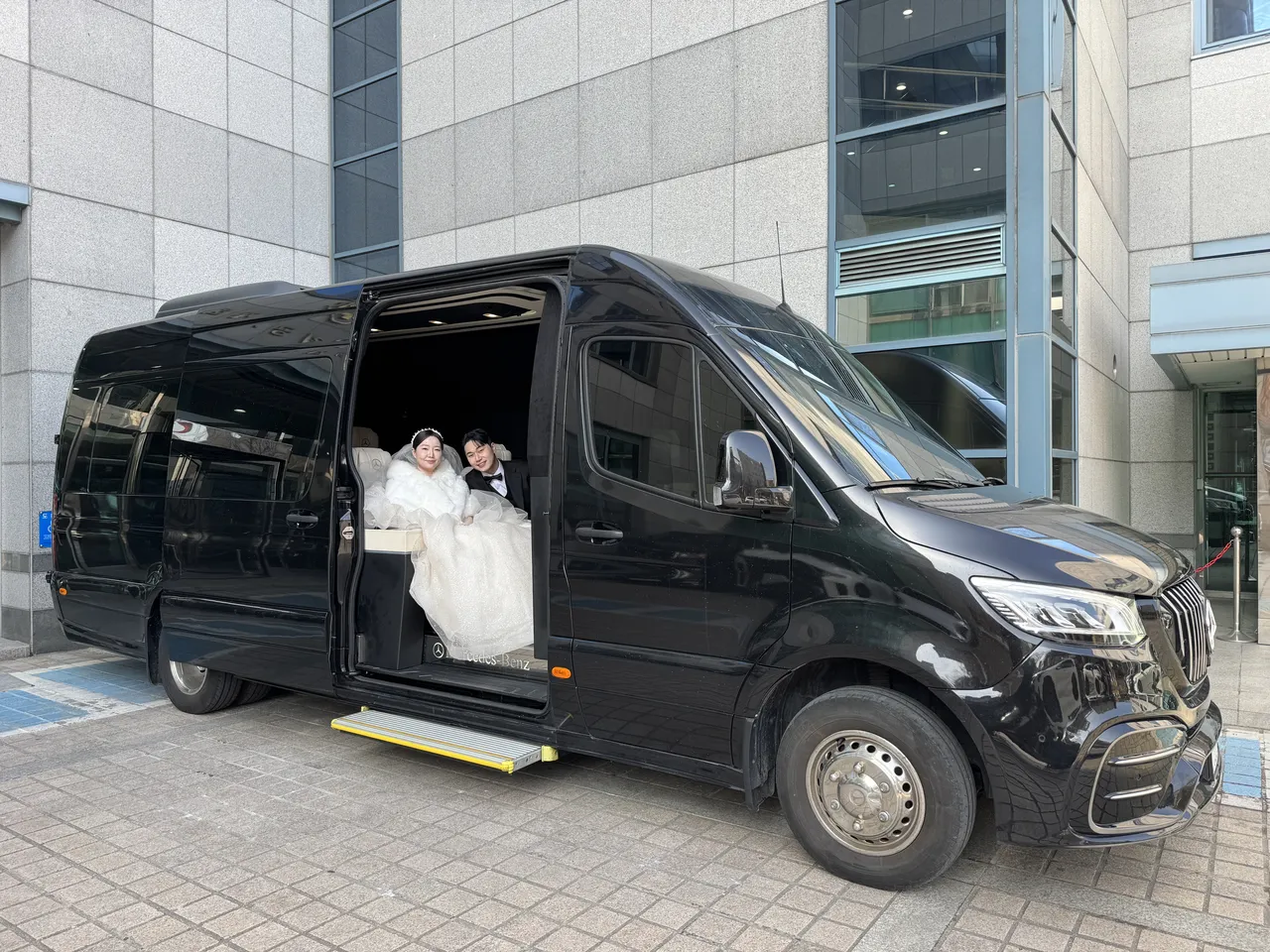
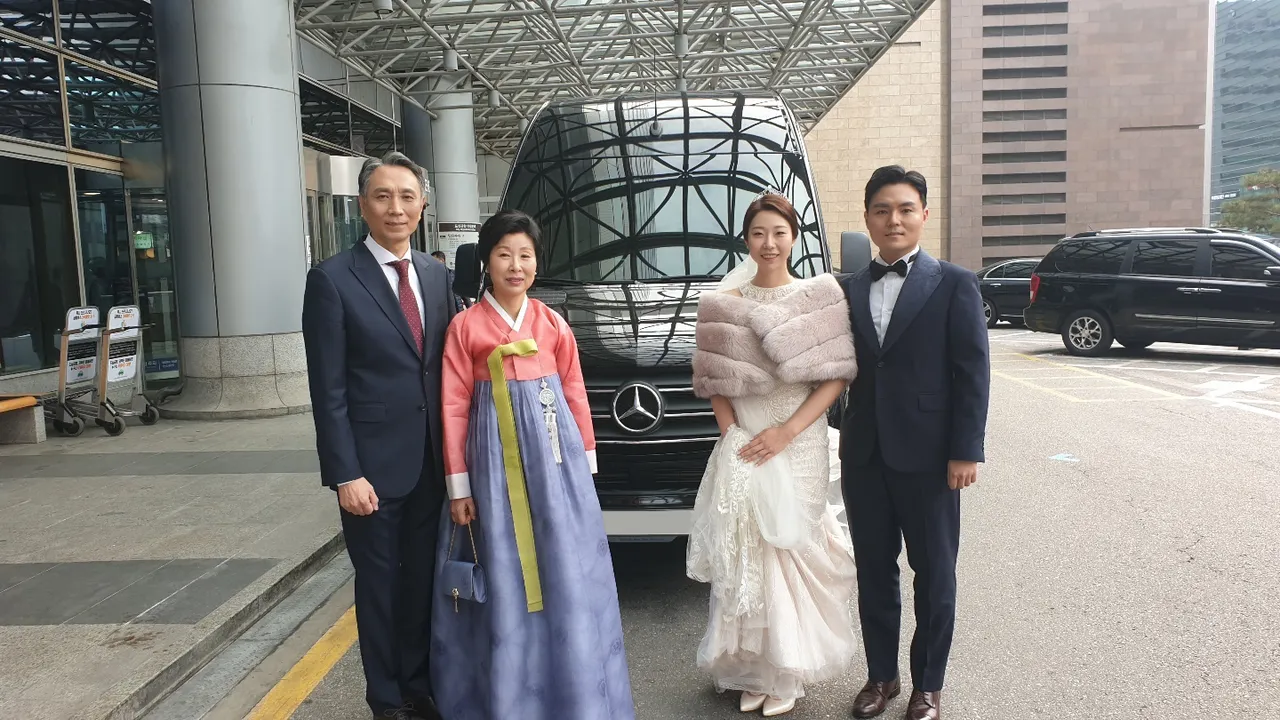
Grand’s published influencer shoot connected a hotel, heritage setting and corporate location. Its useful lesson is adapting each handover to the setting, not promising identical photo access.
Confirm where the vehicle may stop
A venue reservation does not automatically permit vehicle entry, commercial photography or parking. The couple’s photographer or production coordinator should verify the current permissions with each property or authority. Obtain a meeting-point photograph and the walking route from the legal drop-off. In residential hanok lanes, keep equipment cases compact and avoid using doorways as assembly points while the crew discusses its next move.
Build walking and setup time into the shot schedule. A vehicle waiting outside the district cannot remove the final approach on foot.
| Detail | Responsible contact | Transport information |
|---|---|---|
| Location permission | Photographer or producer | Approved access and time window |
| Gown handling | Stylist or garment provider | Case dimensions and carrying method |
| Vehicle changes | Named production lead | Next meeting point and departure decision |
| Rain alternative | Couple and photographer | Replacement address and revised sequence |
Specify clothing needs without assuming fittings
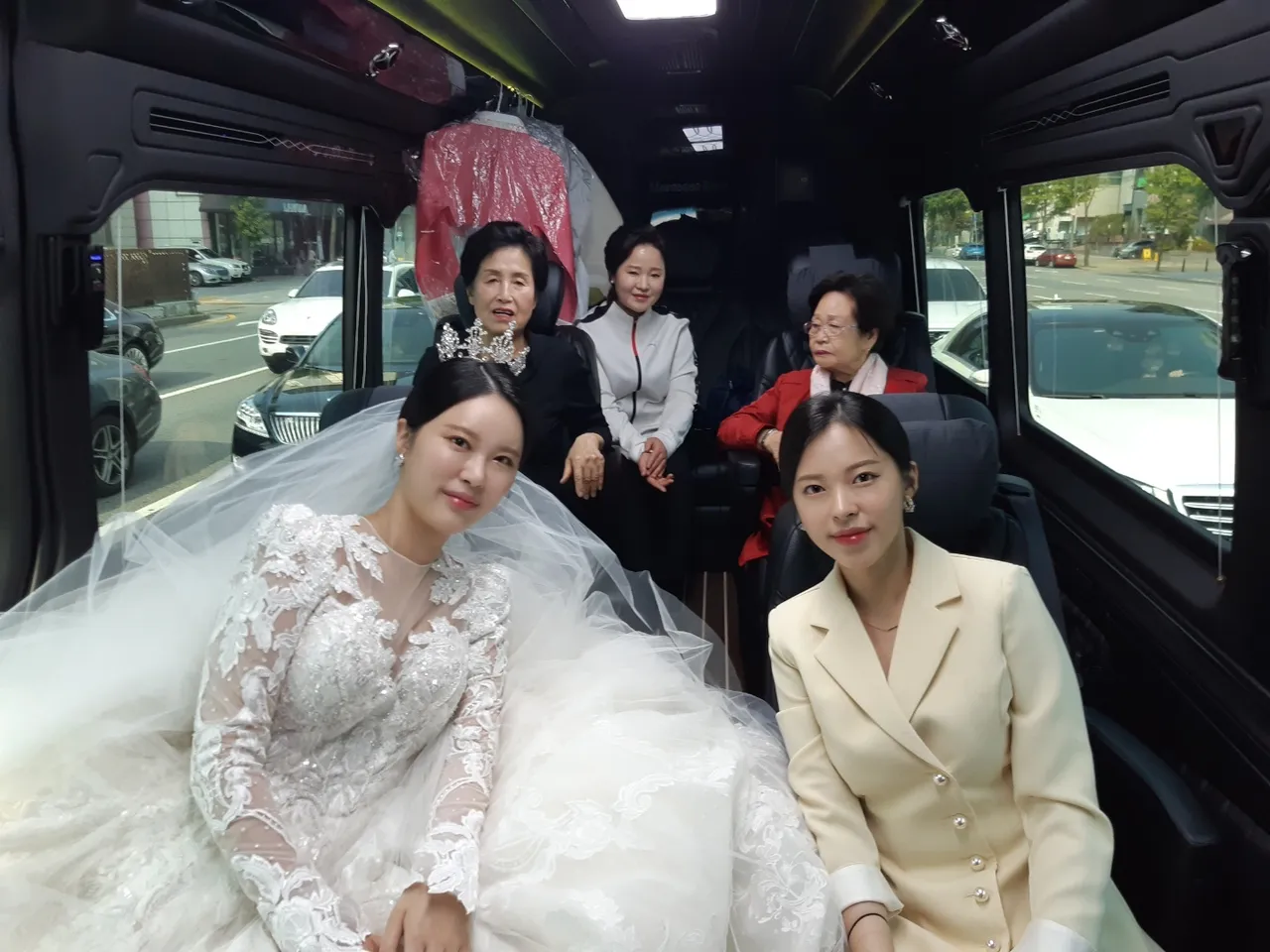
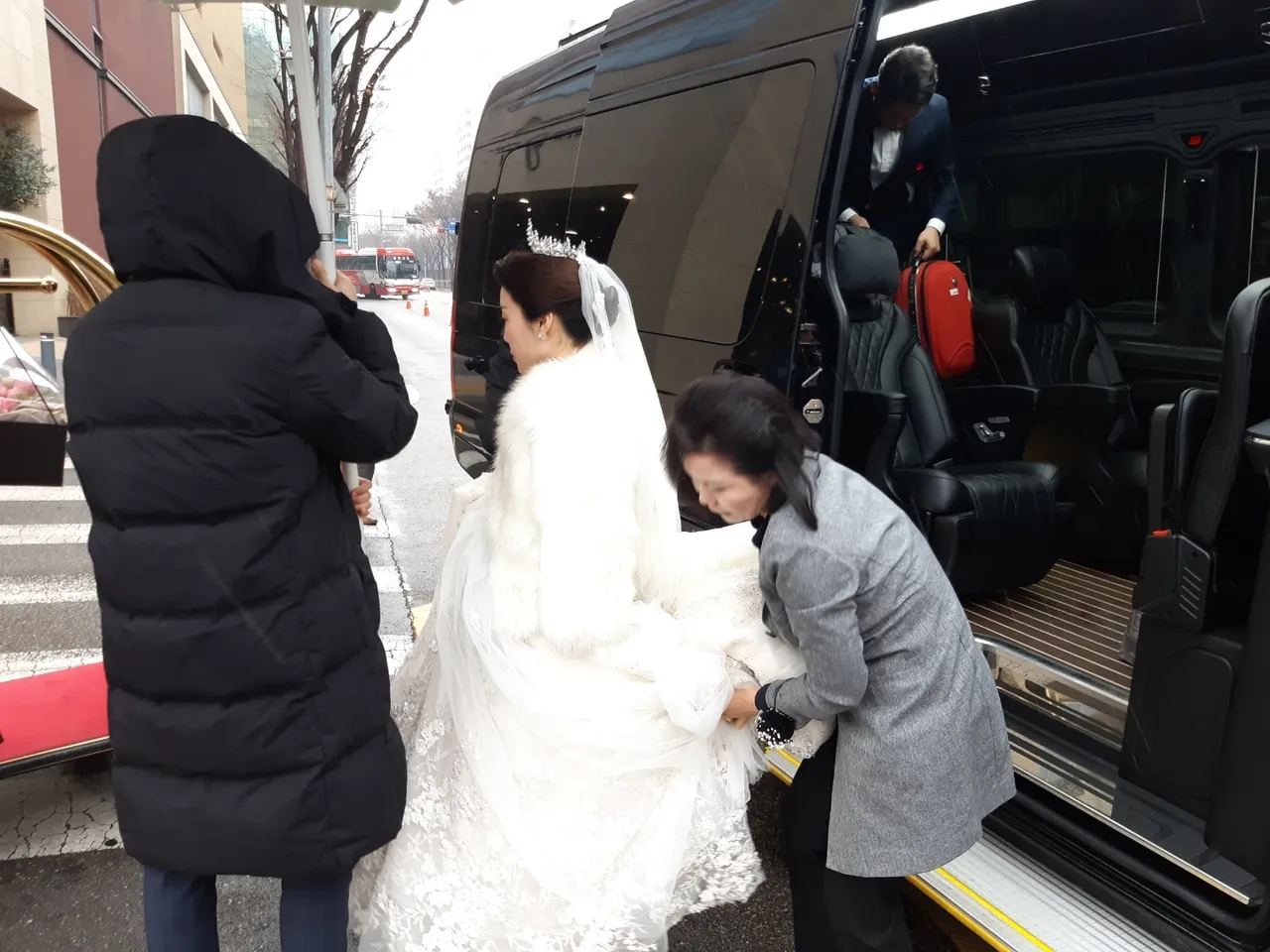
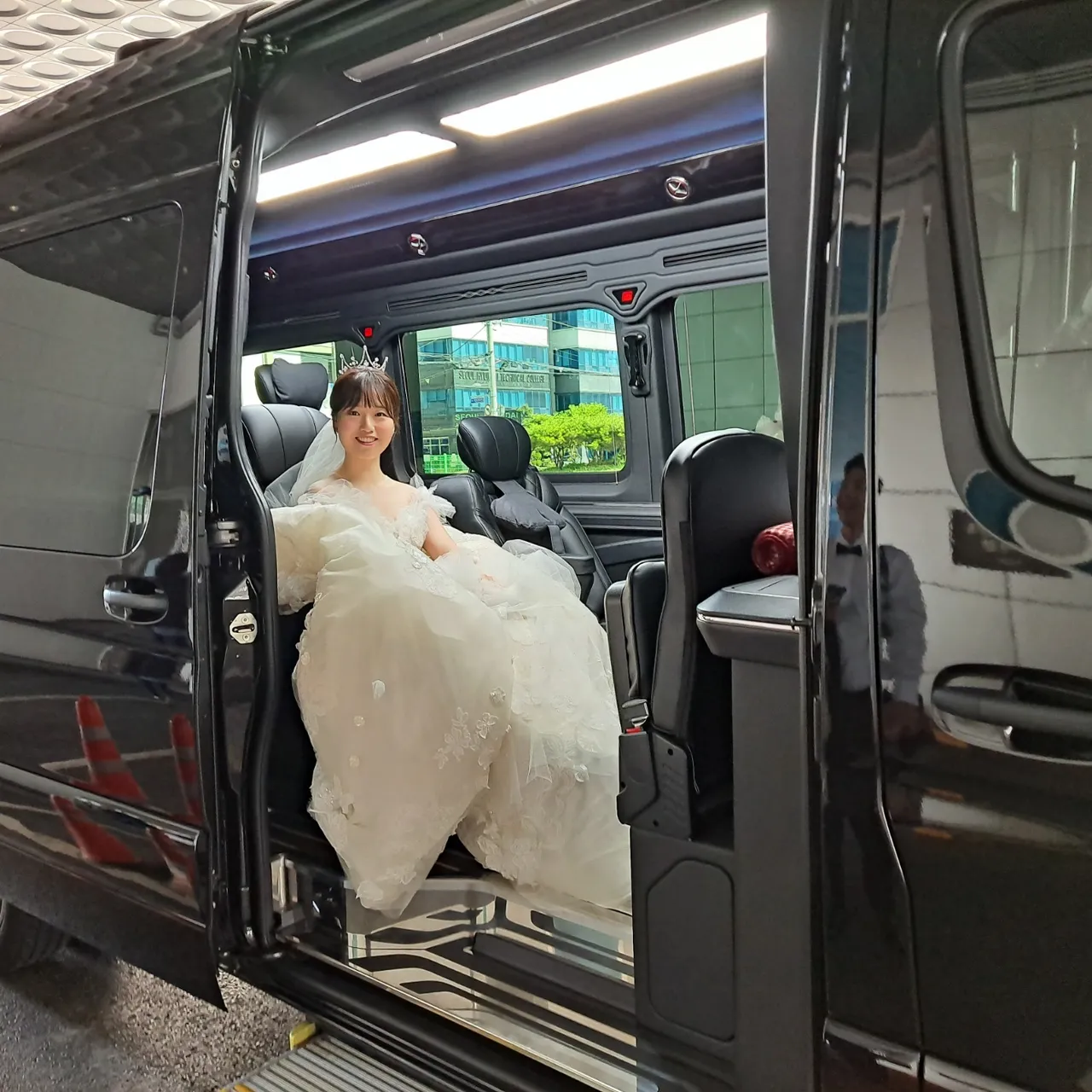
List the couple, attendants, photographer and any stylist who must travel together. Add gown bags, lighting stands and camera cases with their dimensions. Ask whether the assigned cabin can accommodate the complete load while preserving usable seats and clear aisles. A passenger van should not be described as a dressing room unless the specific arrangement and the garment provider’s requirements have actually been checked.
Clothes rails, private changing facilities, umbrella assistance and specialist garment care are not standard promises. Allocate those duties explicitly to the right provider.
Make each return to the car predictable
Choose a public meeting landmark that the dressed couple can reach comfortably and that the driver can approach legally. Share the vehicle identifier and use one production contact for the ready-to-board message. Do not scatter guests between a café, the original drop-off and a different lane. Tell the team if the car must reposition to a parking area during photography.
Confirm whether the booking includes waiting throughout, separate collections or a combination. Keep responsibility for valuables and delicate equipment clear at every handover.
Agree how the day changes in rain
Choose an indoor alternative with the photographer and venue before the shoot date, then assess the extra road movement. A weather change may affect permits, the salon booking and the car’s operating hours separately. Protect the essential couple portraits first and leave optional streetscapes flexible. For a wet return, describe how garments and equipment will be packed rather than assuming they can be spread across the passenger cabin.
The quotation should cover the accepted route, waiting arrangements, added stops and overtime. Have the production lead approve any revised cost before extending the schedule.
Frequently asked questions
Can the vehicle enter every hanok lane?
No. Access and stopping depend on the specific location and current rules. Agree a legal boundary meeting point and include the remaining walk in the production plan.
Can we change gowns inside the vehicle?
Do not assume it. Ask the stylist to assess the actual arrangement and arrange a venue changing space when privacy, posture or garment handling requires one.
Does the chauffeur arrange photography permits?
Permits are not a confirmed transport service. The photographer or independent producer should obtain the necessary approvals and share access instructions with the transport operator.
What happens if a location takes longer?
The named production lead should revise the remaining shot list and transport sequence. Additional waiting or operating time follows the agreed booking terms.