On this page
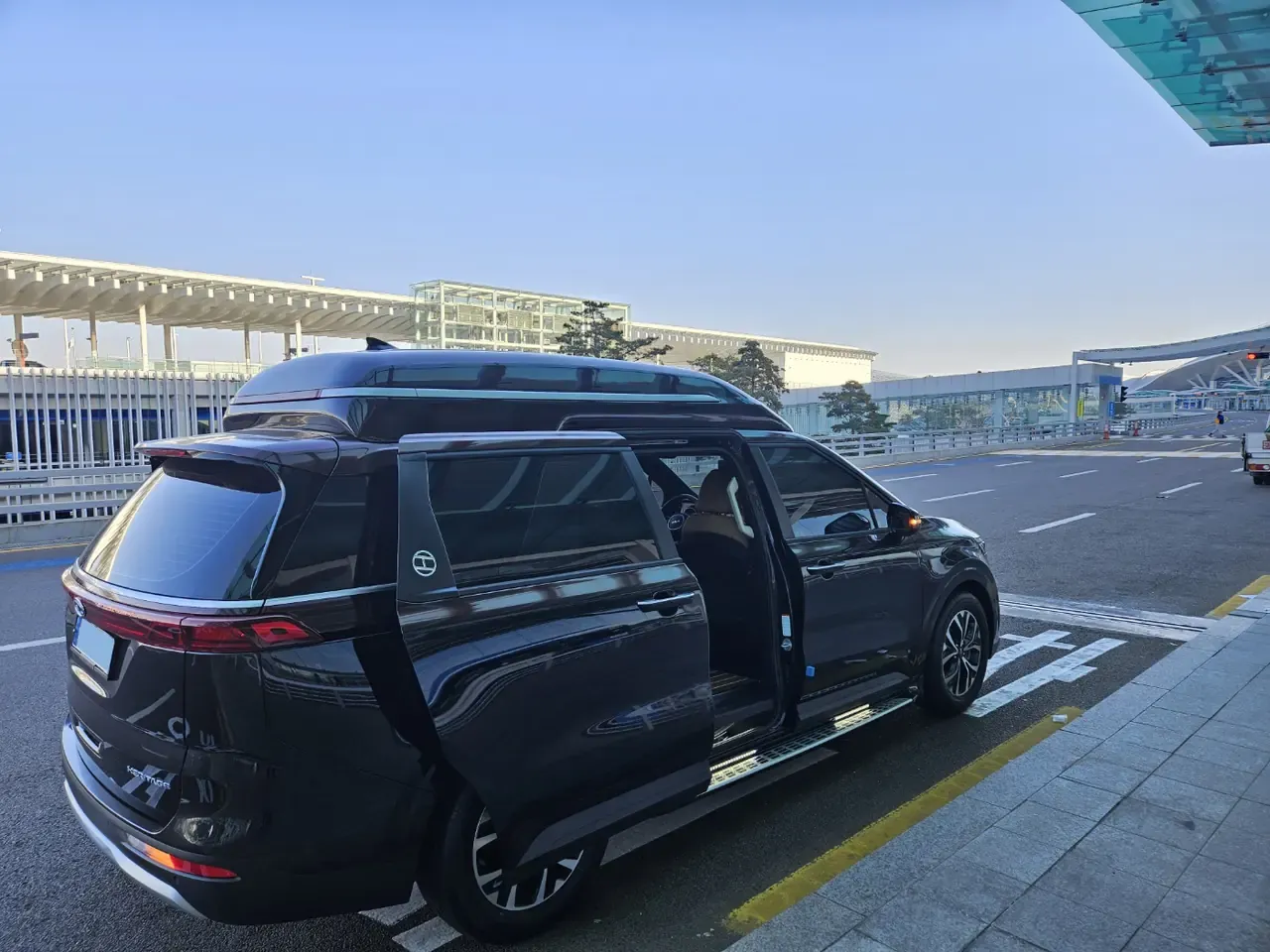
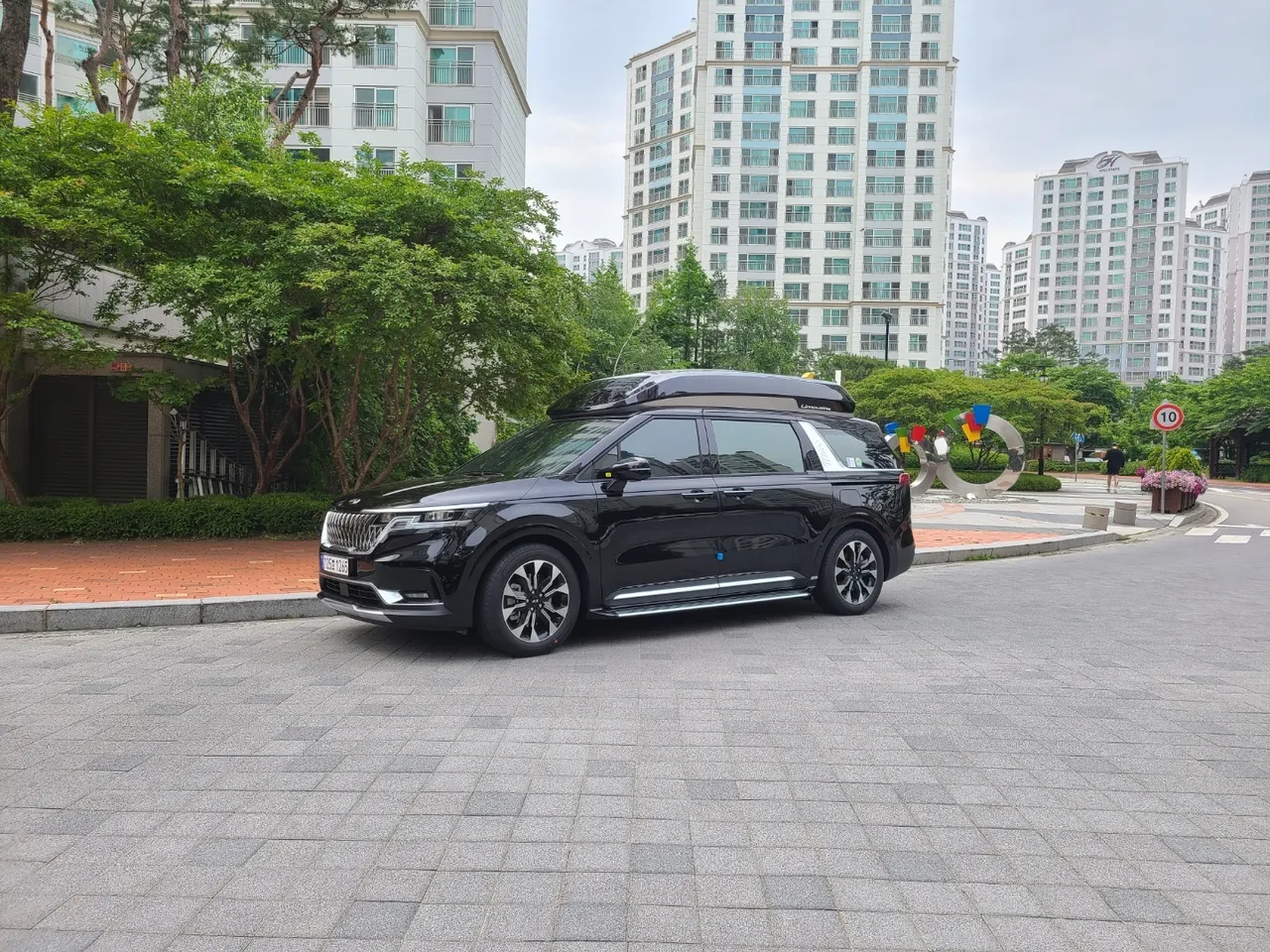
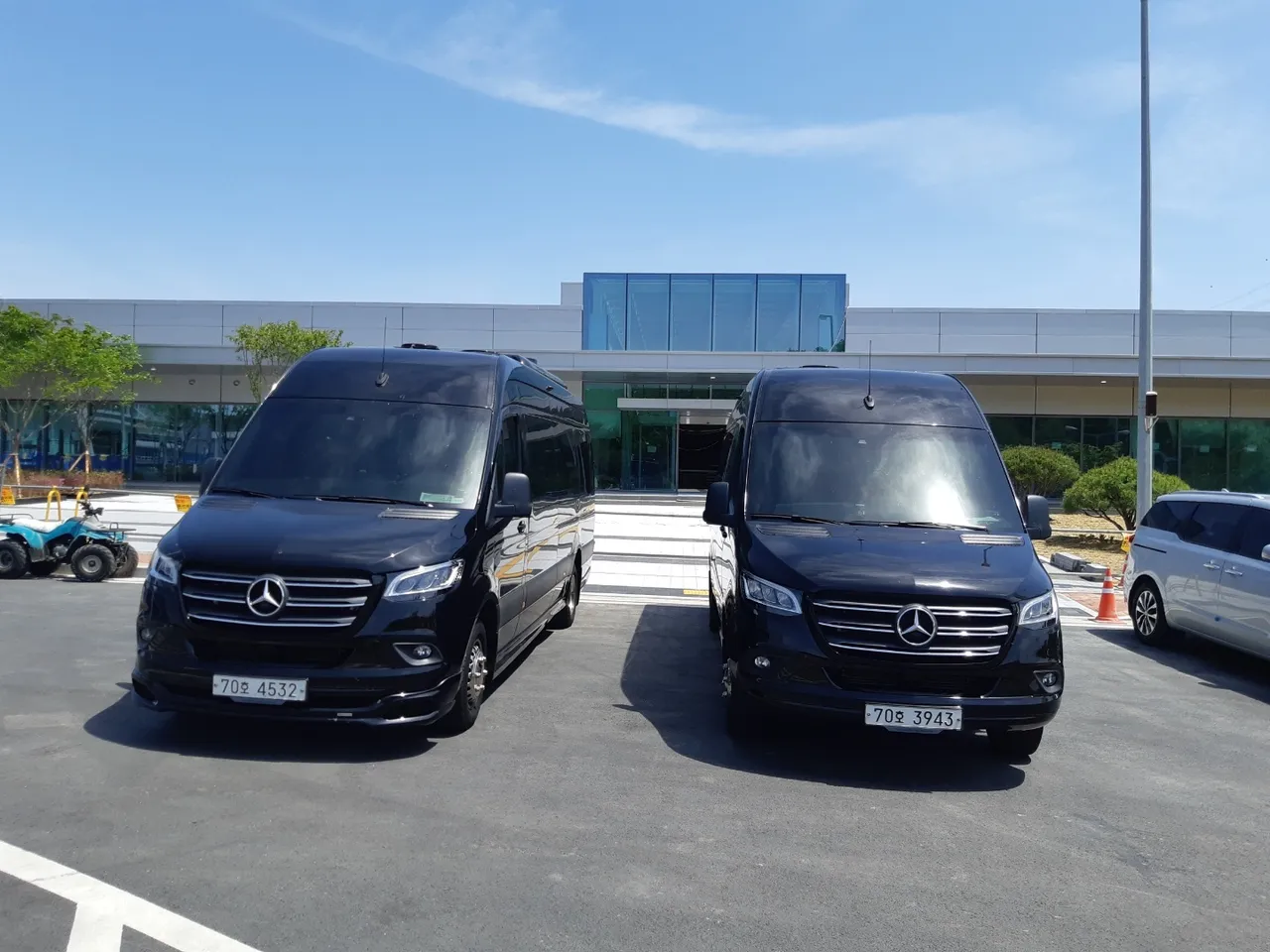
A larger family may value traveling together, but a high-roof van also changes boarding and access. Compare the Hyundai Solati against your family’s actual luggage and mobility needs, not a generic luxury description. The best choice balances shared space with safe boarding, usable entrances and the pace of the day.
Describe people’s needs without assuming capability
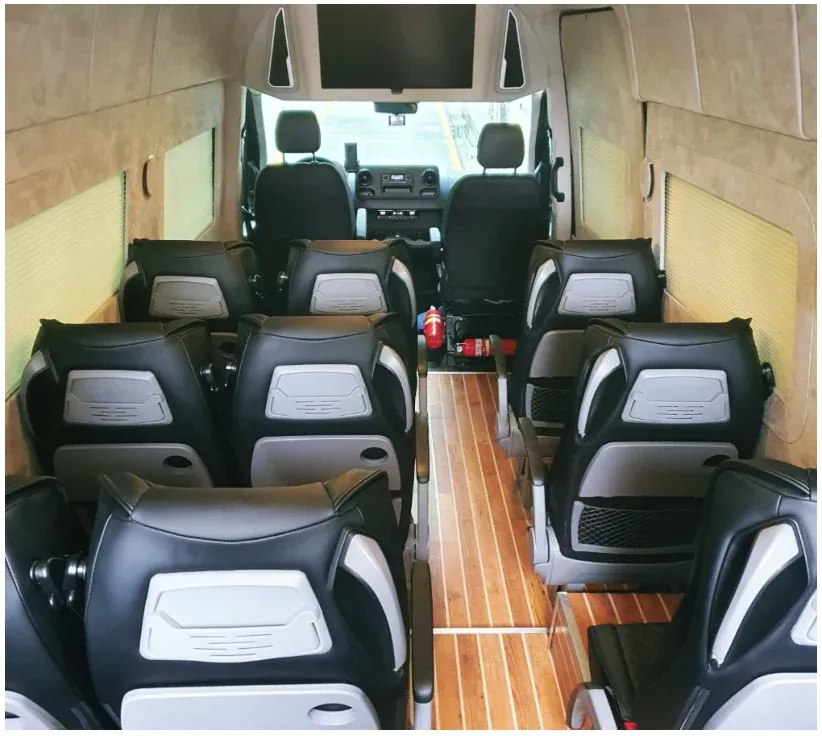
Ask each family household about luggage, strollers, child restraints and practical boarding requirements. A relative who prefers fewer steps may have different needs from someone who simply wants more legroom. Describe those requirements to the planner and ask for the assigned vehicle’s entry arrangement. Do not assume a high roof means step-free access, or that a wheelchair lift or ramp is fitted. Any needed equipment and assistance must be confirmed for the actual service.
Choose one family coordinator, but let that person check preferences with the travelers rather than guessing on their behalf.
Read the current seat numbers correctly
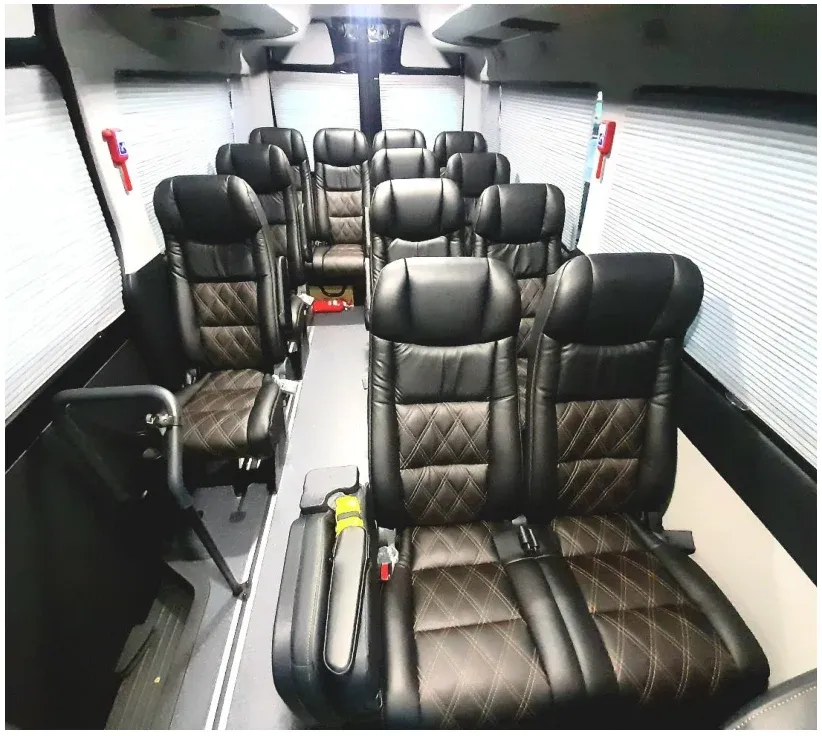
Hyundai Solati Limousine · 9 has 9 total seats, front 2 plus rear 7. Hyundai Solati Limousine · 15 has 15 total seats, front 2 plus rear 13. These totals include the front row and are not guaranteed numbers of guests with luggage. Request a layout and load assessment for the specific assignment. Ask which seats suit the people who need easier boarding, and how child restraints affect the usable arrangement.
| Consideration | One larger van | Two smaller vehicles |
|---|---|---|
| Togetherness | One shared departure and journey | Households can keep different rhythms |
| Luggage | One combined load to verify | Loads can be assigned by household |
| Boarding | Check the actual step and seat access | Compare each assigned vehicle separately |
| City access | Check height and turning requirements | May offer different legal meeting options |
Check hotel and neighborhood access
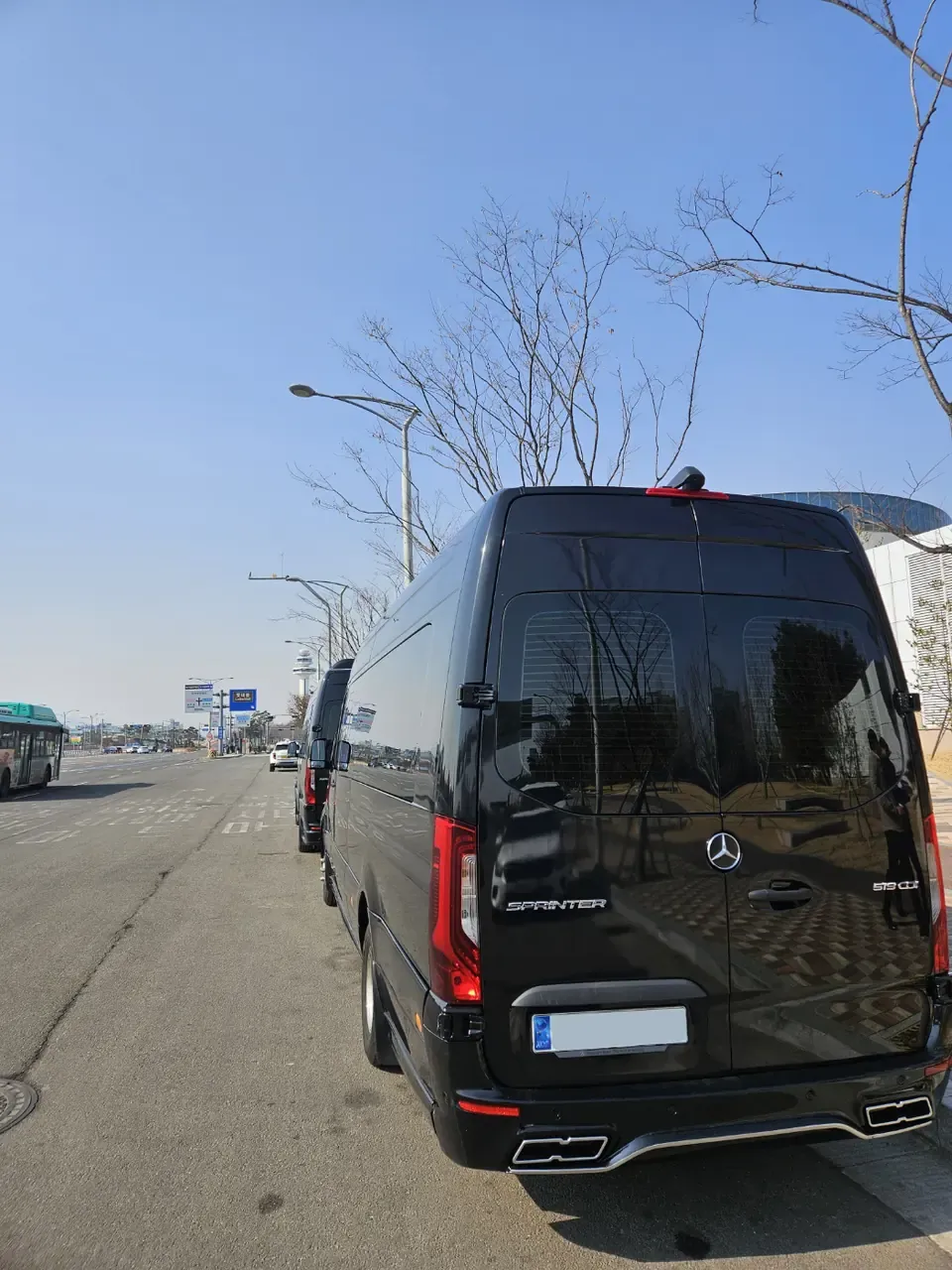
Provide the planner with the hotel’s exact entrance, not just its address. Ask the hotel whether the assigned high-roof van can use the proposed approach, and obtain an approved alternative if necessary. Narrow streets or pedestrian areas may require a walk from the legal drop-off. Discuss that walking distance before selecting the day’s stops. Avoid promising that every hotel welcomes every vehicle or that the car can reach every doorway.
Build fewer transitions into the day
Traveling together does not mean every generation needs the same activity at every hour. Plan a main outing, a meal and an optional shorter stop, then identify a comfortable return option. Grand’s spring-family post describes a flexible day with gentle walking, dining and choices in the afternoon. Use that example to plan family pacing rather than treating a bigger vehicle as a reason to add more destinations or longer walking segments.
- Confirm steps and seat access for the assigned vehicle.
- List strollers, suitcases and any mobility equipment.
- Request child-restraint compatibility and availability confirmation.
- Agree realistic walks from legal meeting points.
Compare a complete plan and written quote
Ask for both the proposed Solati solution and, if useful, a split-vehicle alternative based on the same itinerary. Compare which people and bags travel where, the number of drivers, service hours and waiting or extension terms. A smaller option is not automatically cheaper once it requires two vehicles, and a larger option is not automatically more suitable for every family. Make the decision using the actual assignment, access arrangements and custom quotation.
Frequently asked questions
Is a Solati automatically wheelchair accessible?
No. Confirm any ramp, lift, securement and boarding requirements for the actual assignment before relying on accessibility.
Can the whole family use every listed seat?
Seat totals include the front row. The agreed guest arrangement must also account for luggage, restraints and individual needs.
Are entertainment screens and Wi-Fi standard?
Do not assume equipment from a generic model description. Ask about the specific assigned vehicle if these features matter.
When might two vehicles be better?
Consider them for different hotel locations, separate return times or boarding needs, after checking both loads and the additional coordination.