On this page
A comfortable road journey beyond Seoul depends on the pauses as well as the destination. Korean expressway rest areas can provide useful places to regroup, but their facilities and opening hours differ. Build breaks into your chauffeured itinerary before fixing the arrival appointment, especially when traveling with several generations.
Choose breaks around the people
Ask everyone about restroom needs, motion discomfort and meal preferences before departure. Rather than treating a map estimate as uninterrupted driving, reserve room for getting off, walking to facilities and boarding again. A short pause may take longer for a family or a delegation than for one traveler. Keep the next appointment flexible enough to absorb that difference.
At a busy service area, agree a clearly named pickup landmark before anyone leaves the vehicle.
Pick the right side of the road
A named rest area may have separate facilities serving opposite directions. Share the intended stop with the chauffeur and let the route determine whether it is practical. Avoid a major detour solely for a particular snack. If a facility is busy or unavailable, a comparable stop further along the permitted route is usually a better operational choice.
Use a needs-based facility check
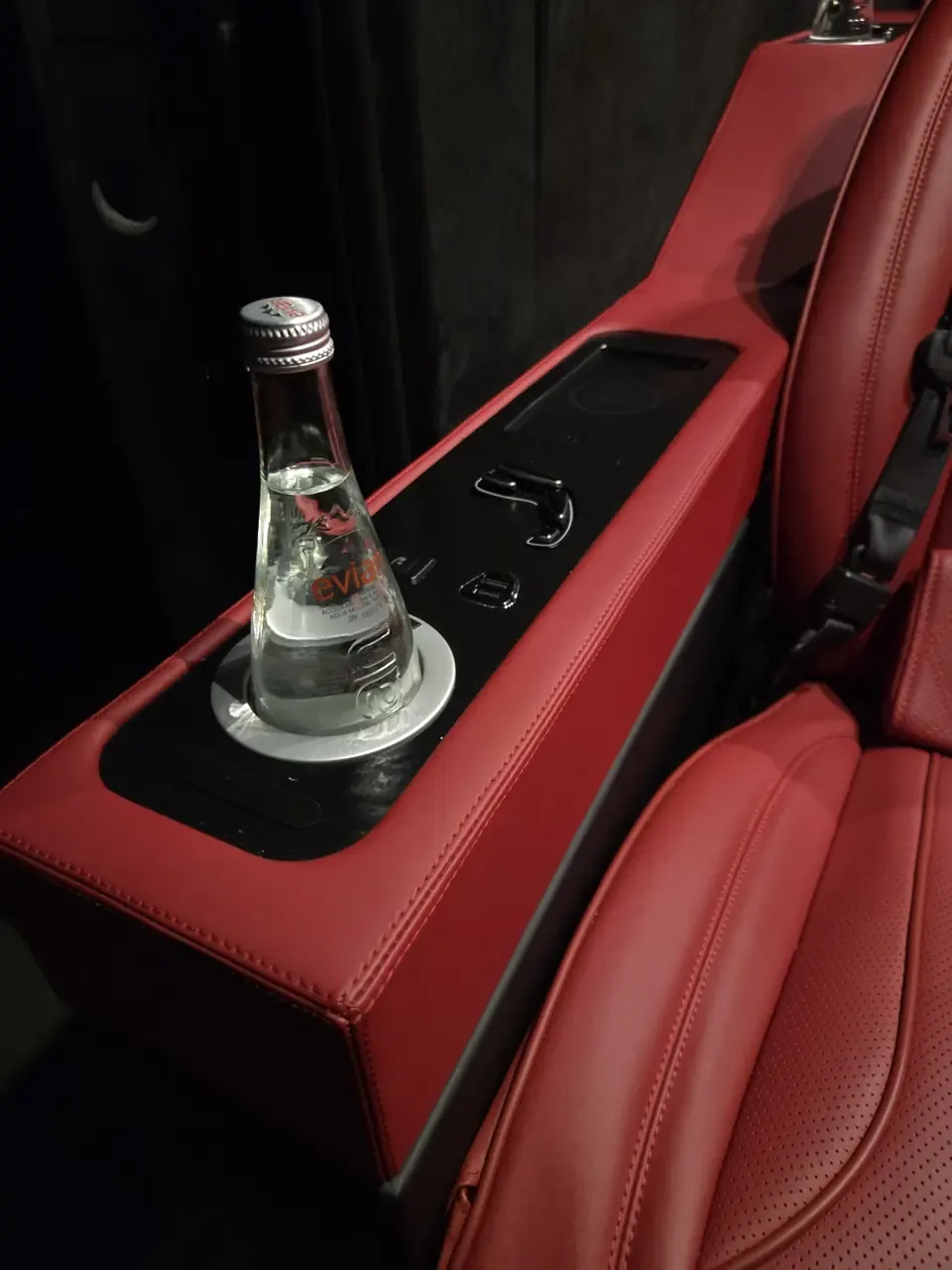
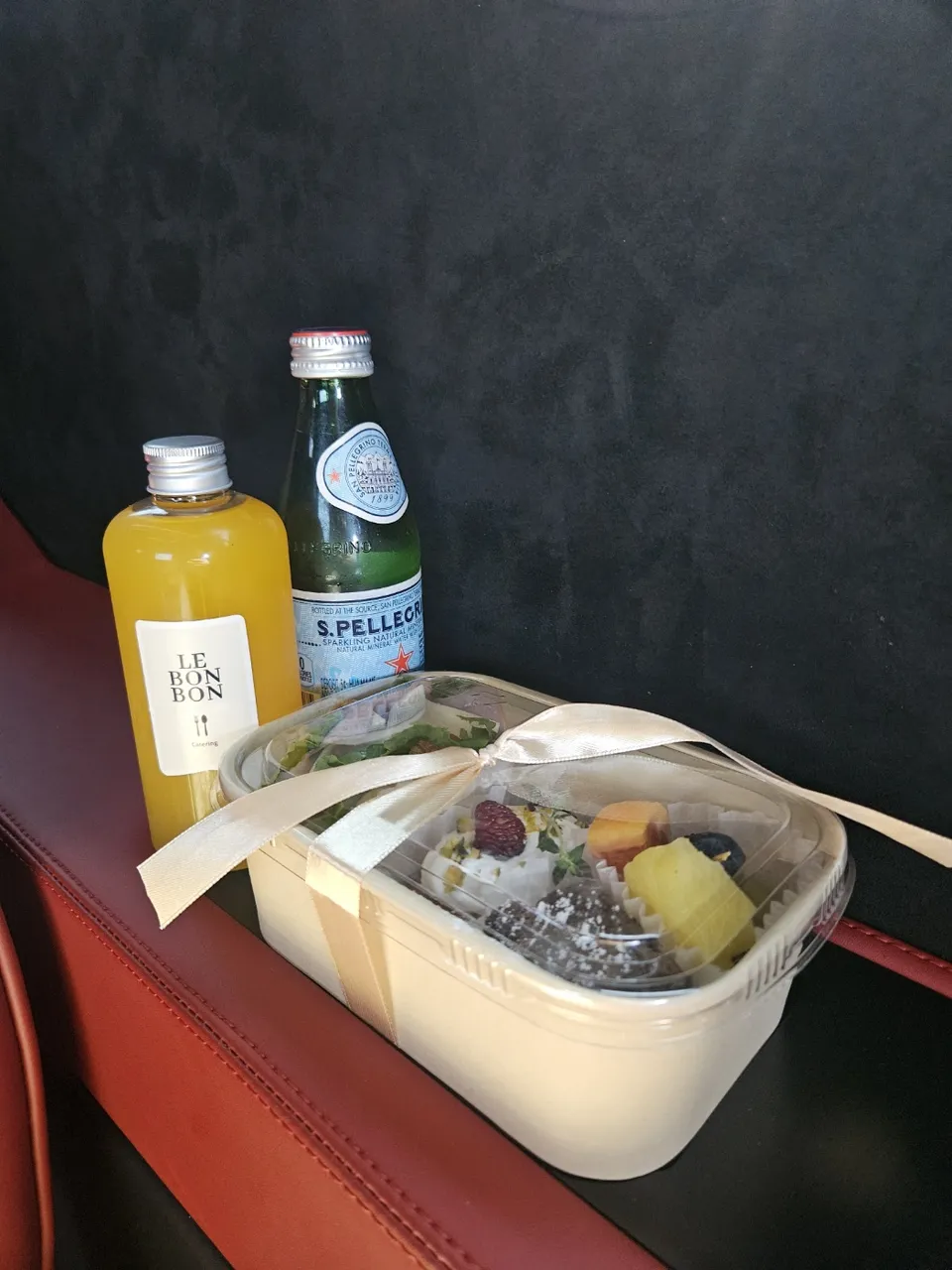
Do not assume that a food court, nursing room, step-free route or particular restaurant operates whenever the parking area is accessible. Check the facilities that matter to your party in advance. Carry water and a small snack as backup, and keep medication and personal essentials in the cabin instead of buried beneath suitcases in the rear loading area.
Separate road charges from refreshments
Electronic toll collection is a driver-side operational matter; passengers should not select lanes or handle payment while the vehicle is moving. Your quote should explain how expressway tolls, parking and any route changes are charged. Food and shopping at a rest area are separate personal purchases unless expressly included. Keep receipts when the trip is a business expense.
Match the stop to its purpose
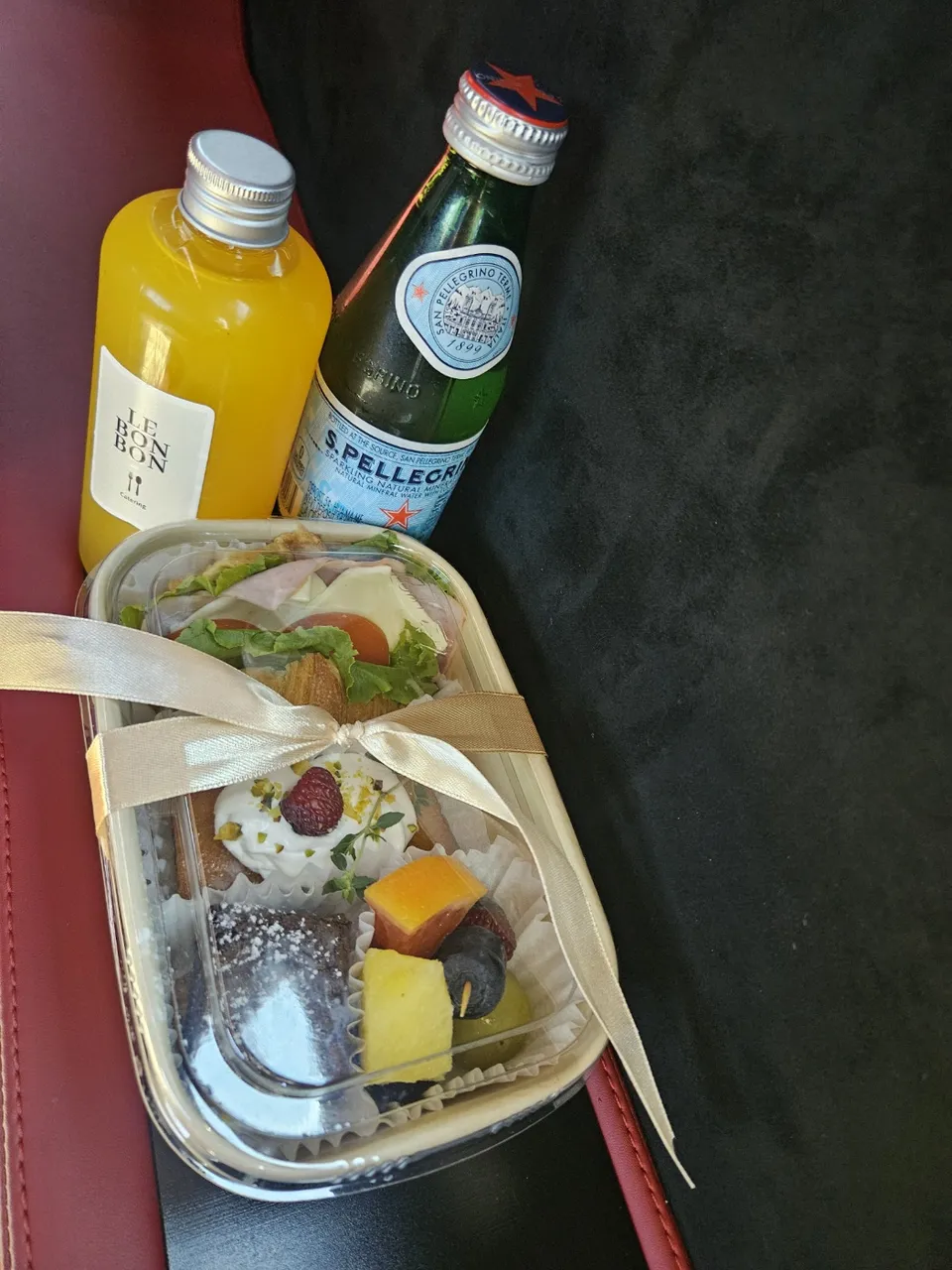
A rest stop should solve a specific need without making the day feel fragmented. Choose one substantial meal stop or several shorter comfort pauses according to the party, rather than automatically adding every appealing facility. Agree a clear meeting landmark and headcount before leaving the vehicle; a large service plaza can make casual regrouping surprisingly slow.
| Purpose | Planning priority |
|---|---|
| Comfort pause | Nearby facilities; quick regrouping |
| Meal stop | Operating restaurants; seating for the party |
| Family break | Suitable facilities; adult supervision |
| Business pause | Arrival buffer; receipts if needed |
Send a complete intercity brief
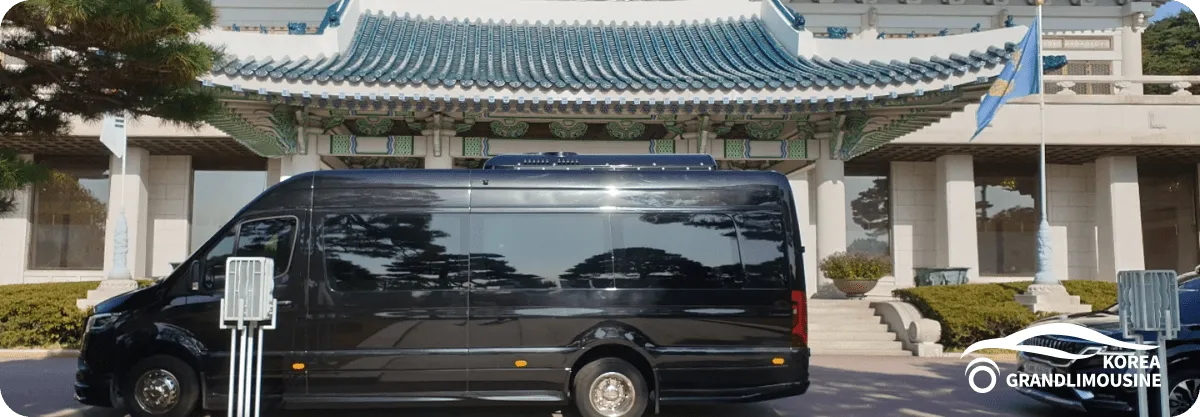
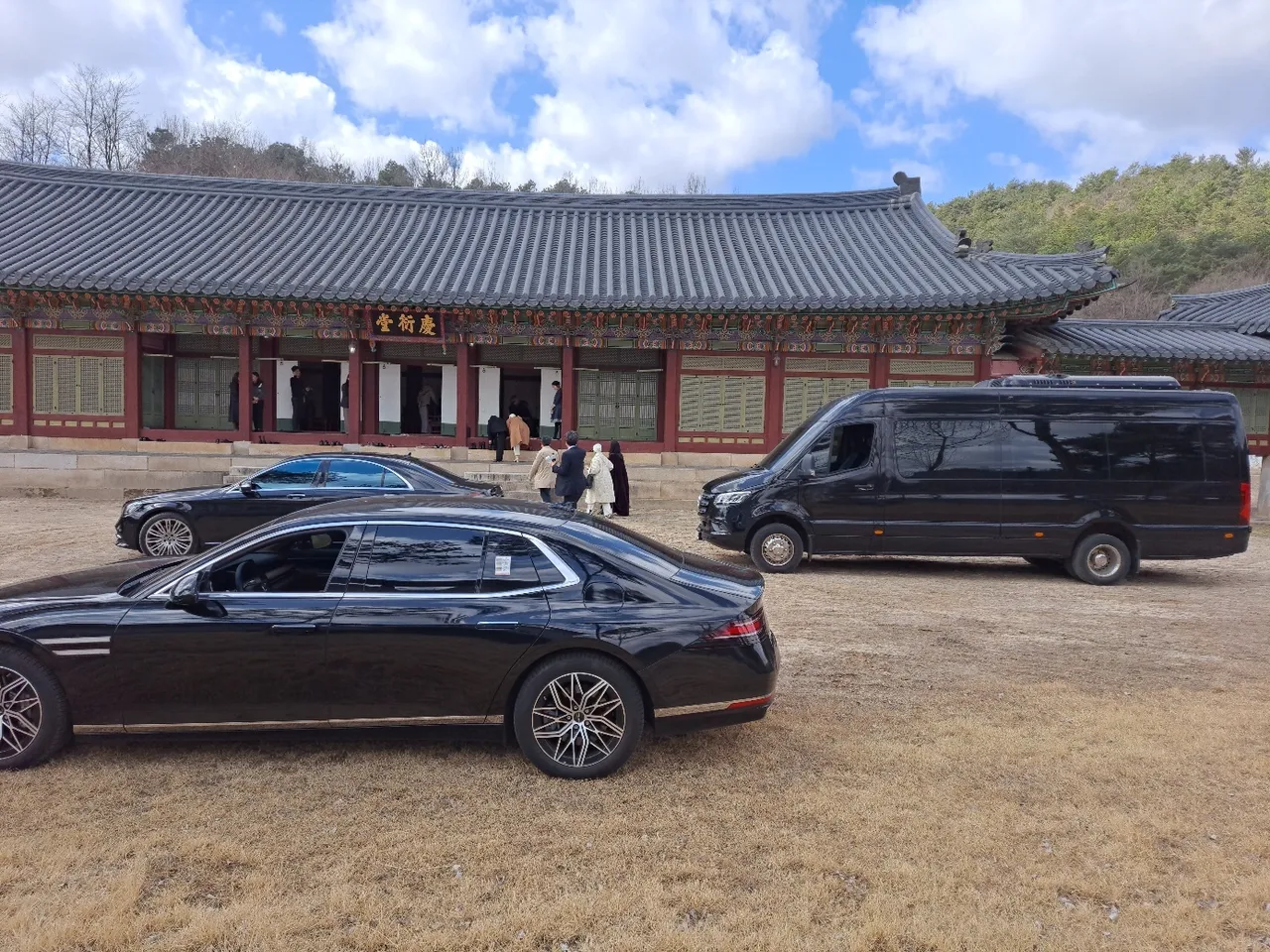
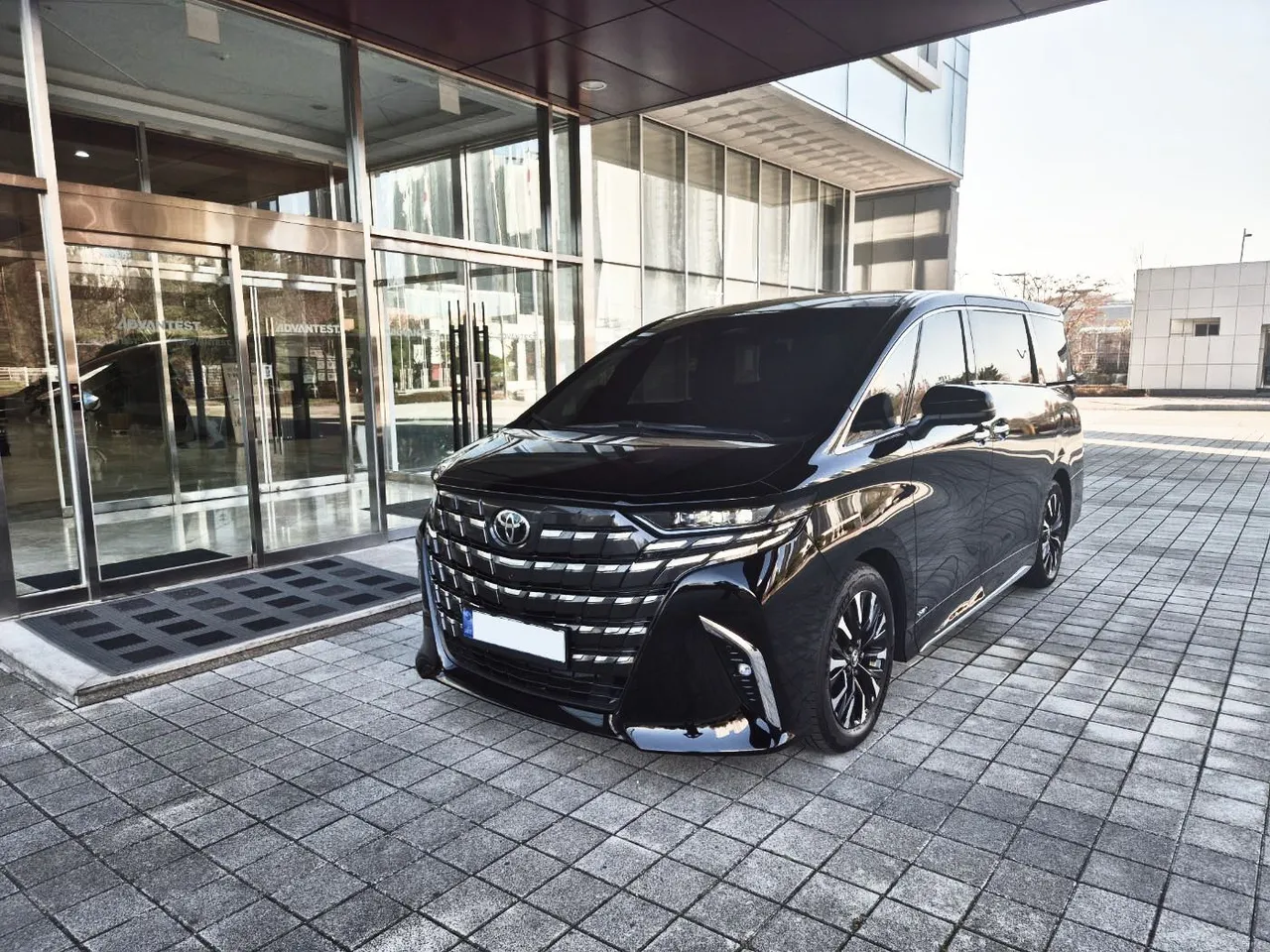
Grand’s published regional executive journey describes planning rest stops and destination access as part of the round trip. Apply that principle to your inquiry: provide the destination, return plan, passengers, luggage and essential breaks together. Ask for the actual vehicle and written waiting terms. A Sprinter can be considered for a group, with the loading layout confirmed individually.
Frequently asked questions
Are all facilities open overnight?
Opening hours differ by facility. Check the particular rest area and keep a backup if you need food or specialist facilities late at night.
Are tolls included in Grand’s rate?
Rates are custom quoted. Ask whether tolls and parking are included, itemized separately or affected by a requested route change.
Can we request a particular snack stop?
You can propose one, but its direction, operating hours and effect on the route need review before it becomes part of the plan.
Should we book every available seat?
Consider passenger comfort, luggage and access to personal items together. Published seat totals include front seats and are not luggage-loaded guest capacity guarantees.