On this page
A fast train is only one part of an intercity business day. The hotel departure, station exit and final approach to the meeting decide whether the journey feels efficient. Combine independently booked rail tickets with carefully specified chauffeur legs when you want rail speed without improvising the local connections.
Start with the train on the ticket
Choose the rail service using the meeting address and available departure, not simply the nearest station name. KTX and SRT are separate services with their own booking channels; a departure from Suseo should not be casually described as a Seoul Station KTX trip. Read the ticket for the exact station, date, service number and arrival station. Grand handles ground transport and guidance, while you retain responsibility for rail reservations.
Save the confirmed ticket offline and send the operational details rather than a screenshot containing unnecessary personal information.
Compare the complete journey
Add hotel checkout, loading, station walking, boarding margin and the destination transfer to the scheduled train journey. This makes a fair comparison with a continuous car trip. Rail often suits a small party with manageable bags; a car may work better for equipment or intermediate appointments. Grand’s published regional business case demonstrates long-distance transport planning, but does not establish a rail-ticketing service or a particular station partnership.
Ask for the ground quote only after the station and train are settled; otherwise the pickup assumptions can change.
| Pattern | Useful approach | Check first |
|---|---|---|
| One city-centre meeting | Train plus local car | Station-to-office entrance |
| Factory between cities | Continuous chauffeur | Detour and duty period |
| Large sample cases | Vehicle or separate shipment | Dimensions and handling |
| Uncertain meeting finish | Flexible return planning | Rail change rules and car hours |
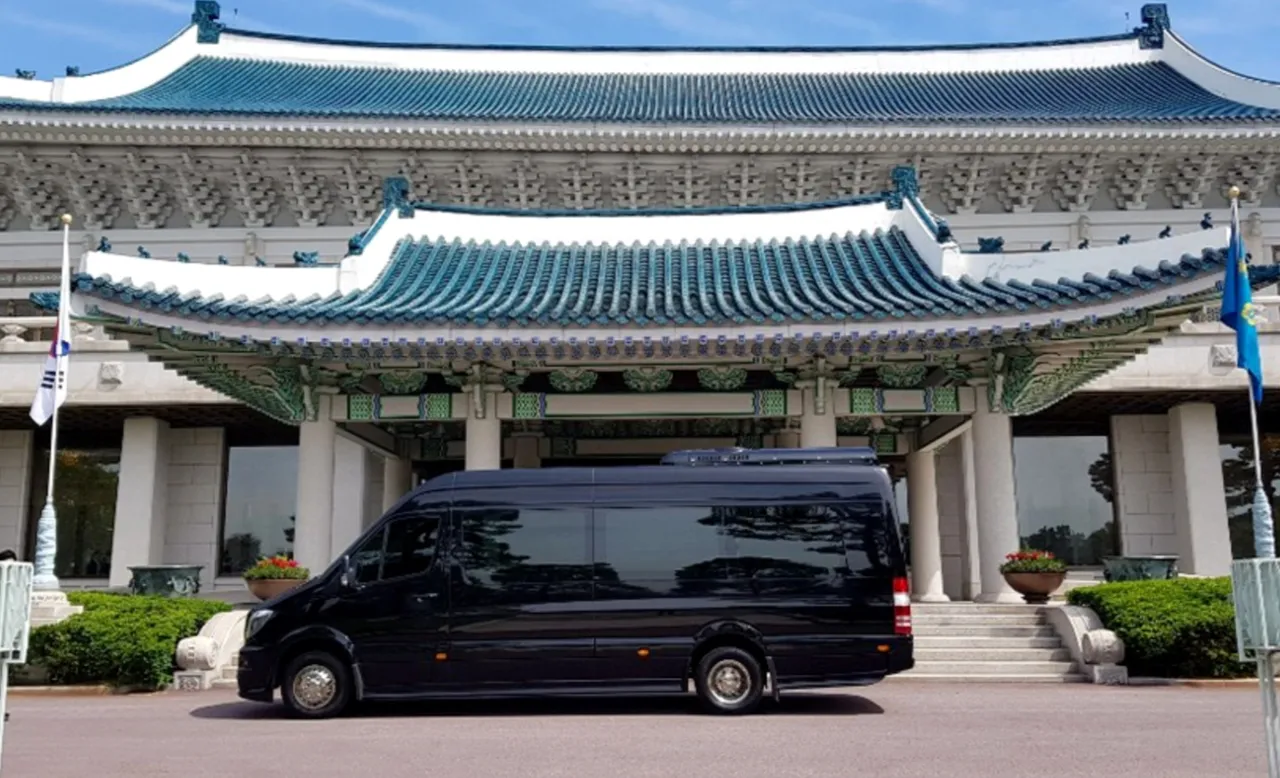
Define the station handoff precisely
A station name is not a meeting instruction. Agree an exit, level and recognizable public landmark, then establish where the vehicle may legally load. The driver may need to wait away from the entrance until the party is ready. Give the destination contact your train number and a usable phone channel. If the train arrives late, send the revised information; do not assume automatic rail monitoring is included.
Keep everyone together until the coordinator has checked the exit. Avoid following a taxi sign unless it matches the agreed pickup route.
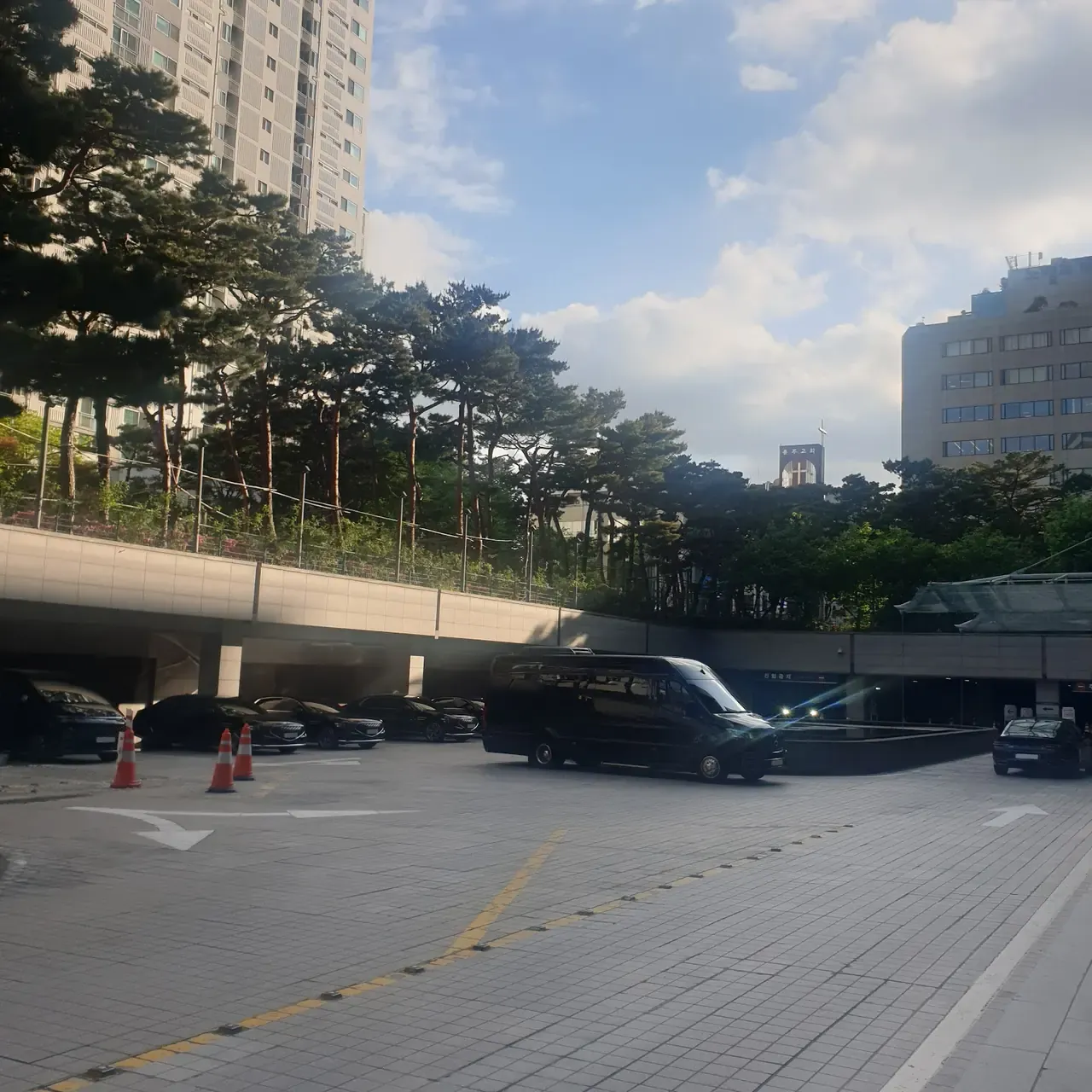
Keep the rail segment manageable
Inventory everything that must travel through the station: suitcases, samples, presentation cases and mobility equipment. Consider whether each traveller can move their own items safely along the station route. Rail luggage rules and storage vary, so consult the carrier rather than expecting chauffeur loading to continue aboard the train. A dedicated car or independently arranged shipment may be a better solution for bulky or fragile materials.
Label cases by owner and destination. Keep documents and the meeting essentials in a small bag that stays with the passenger.
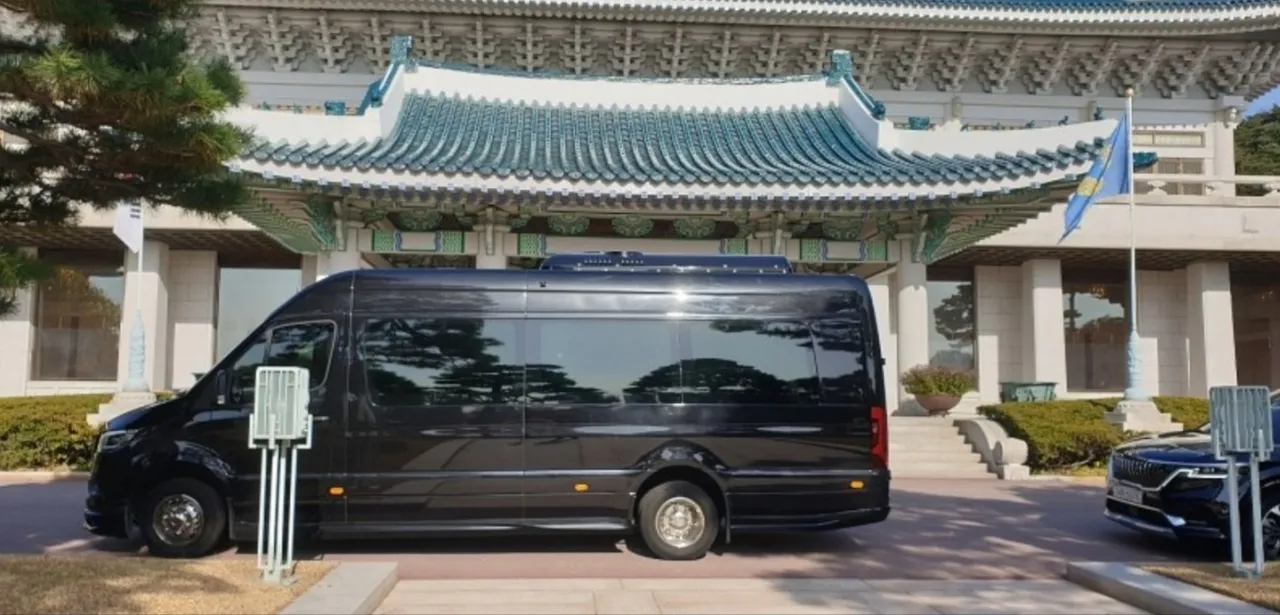
Prepare for a missed connection
Work backward from the boarding requirement stated by the rail carrier and include road uncertainty before the station. For the return, decide who may change the train and who may extend the chauffeur assignment. Separate tickets and cars can have different change terms. Ask the operator to price realistic standby or rescheduling scenarios, including a delayed train, rather than relying on an undefined promise of flexibility.
Before travel, check these five items together: station, train number, exit, luggage count and the person authorised to approve extra time.
Frequently asked questions
Can Grand book the train tickets?
The confirmed scope is chauffeured transport, protocol and guidance. Book rail independently through the carrier or your chosen agent, then share the confirmed connection details.
Is Suseo the same as Seoul Station?
No. Read the exact station on your ticket. Suseo is associated with SRT services; confusing the station or operator can invalidate the ground plan.
Will the car wait through a rail delay?
Arrange that explicitly. Ask how the driver receives updates, how long the assignment remains available and how additional waiting is charged.
Should both cities use the same vehicle?
Not necessarily. Separate local assignments can suit rail travel, but each location and vehicle must be confirmed. Request one itinerary showing responsibility at both ends.