On this page
Discretion is built through small decisions about information and movement. Decide what appears on a sign, who receives the itinerary and where the guest meets the car. Then confirm what the operator can actually support. A premium vehicle can offer a comfortable setting, but privacy expectations still need a clear, practical agreement.
Share the details needed to run the journey
The operator needs enough information to identify the booking, contact the traveler and complete the route. It rarely needs the commercial reason for a meeting or a full biography. Use a lead assistant as the contact when appropriate, while ensuring the passenger can still reach the service if the assistant becomes unavailable.
Ask who receives itinerary details and how changes are passed to an assigned or substitute driver. Keep highly sensitive documents outside general travel messages. Discuss any formal information-handling requirements with the operator before sending them.
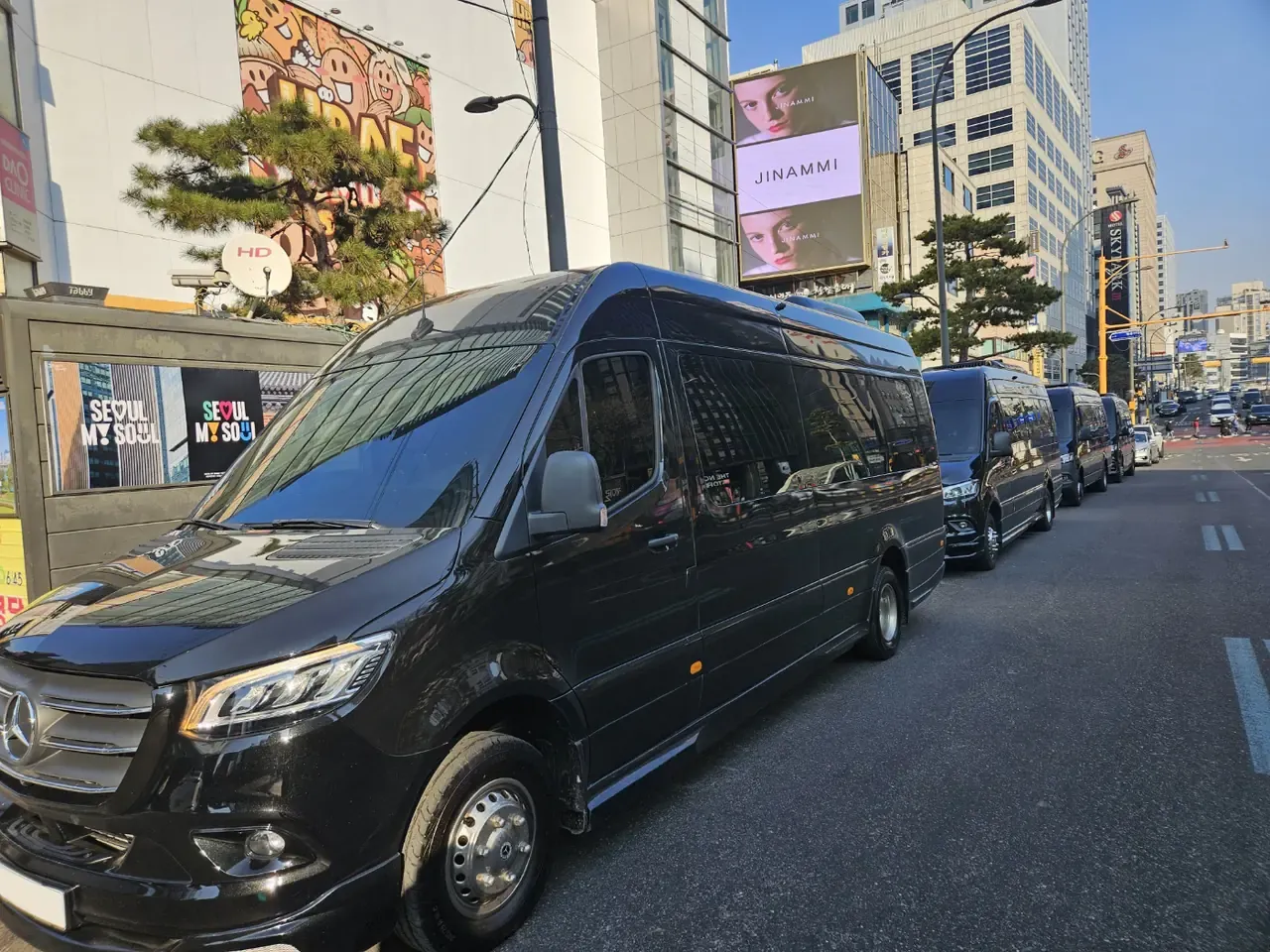
Choose a discreet identifier that still works
If public name display is undesirable, propose a company name, agreed code or another practical sign identifier. Confirm that the guest and representative understand it, along with a direct contact method. A vague instruction to be discreet can make the meeting harder; a specific identifier preserves both recognition and restraint.
Keep invoices and booking records accurate while asking which customer-facing labels can be adjusted. Privacy preferences do not eliminate legitimate administrative information. Agree who receives the documents rather than assuming an anonymous booking is possible.
| Area | Practical request | Operational check |
|---|---|---|
| Public meeting | Agreed code or company identifier | Guest can recognize the representative |
| Itinerary sharing | Details limited to assigned roles | Change and substitute-driver process |
| Venue approach | Approved less-exposed entrance | Venue permission and usable access |
| Cabin conversation | Quiet preference and formal requirements | Operator acceptance and vehicle features |
| Booking records | Named recipient for documents | Required details remain accurate |
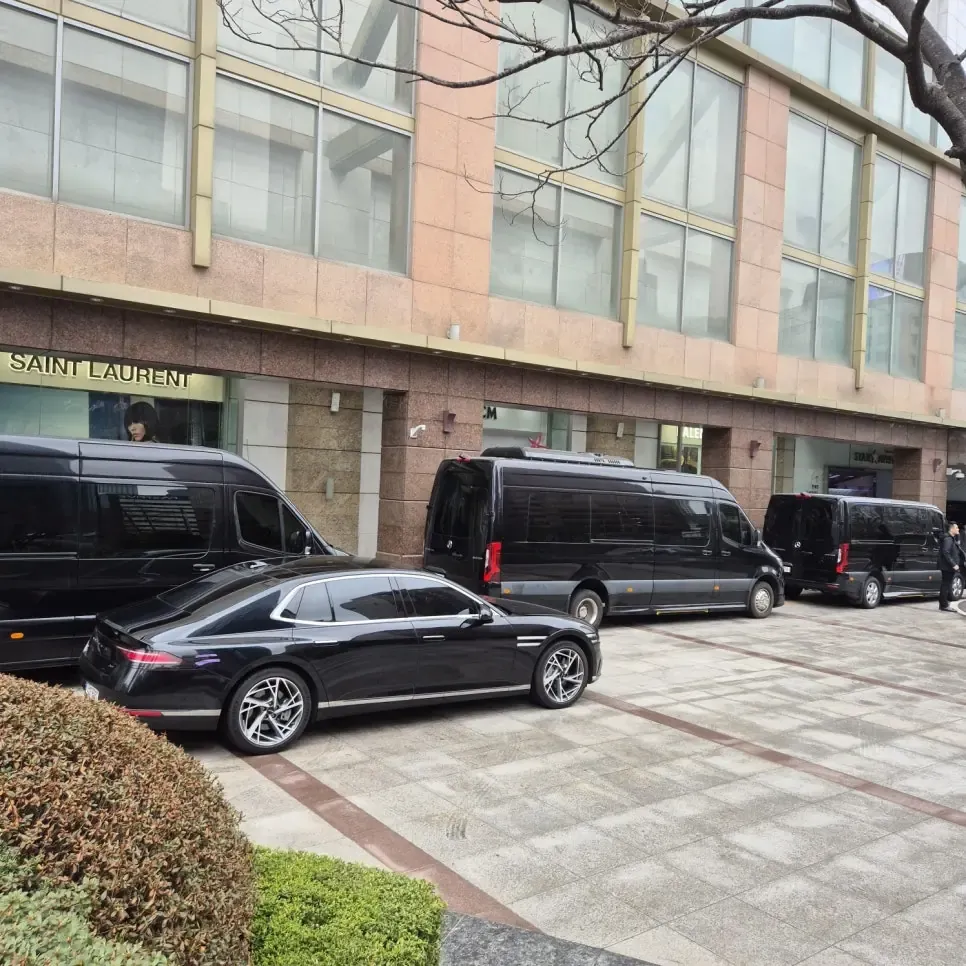
Use an approved entrance with a clear handoff
Ask the hotel or venue whether a quieter entrance is available for the actual vehicle and visit. Confirm the receiver, access rules and a fallback if the approach is occupied. A side door or underground entrance may be private-looking without being usable for your assignment. A chauffeur cannot promise unrestricted access to a building.
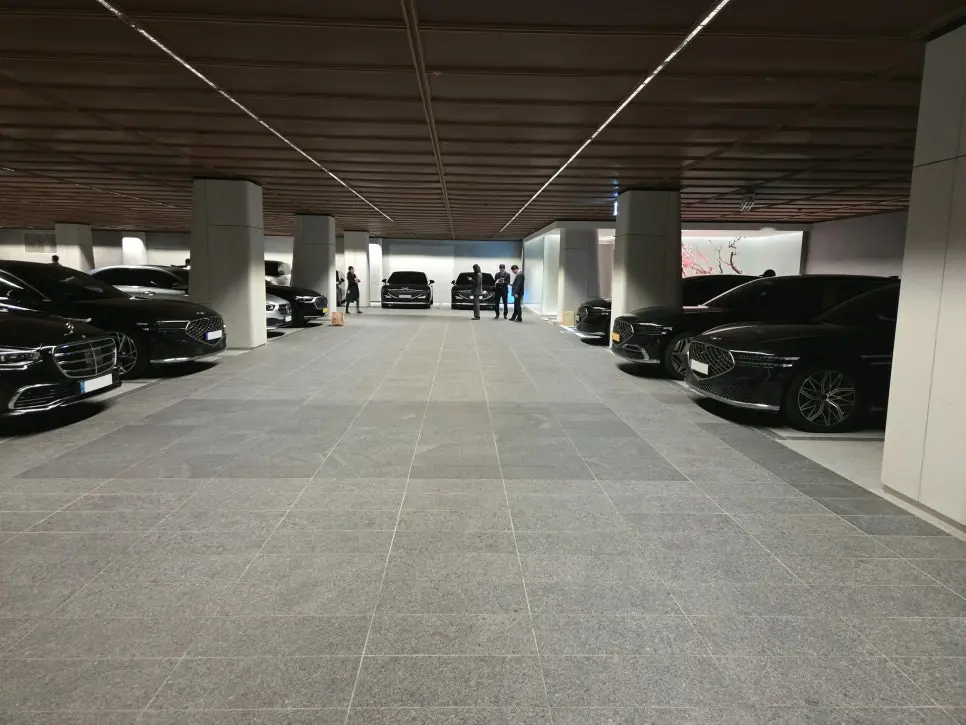
Grand’s research-facility G90 account describes planned underground positioning, quiet standby and adherence to site rules. It offers a useful example of discretion through preparation, without establishing a universal private entrance or guaranteed concealment.
Separate quiet service from technical confidentiality
State whether guests prefer silence except for essential travel updates. Ask about photography, social posting and how staff handle information they encounter. If your organization requires a confidentiality agreement, provide it for explicit review. Do not infer a signed NDA or absolute confidentiality from the word VIP.
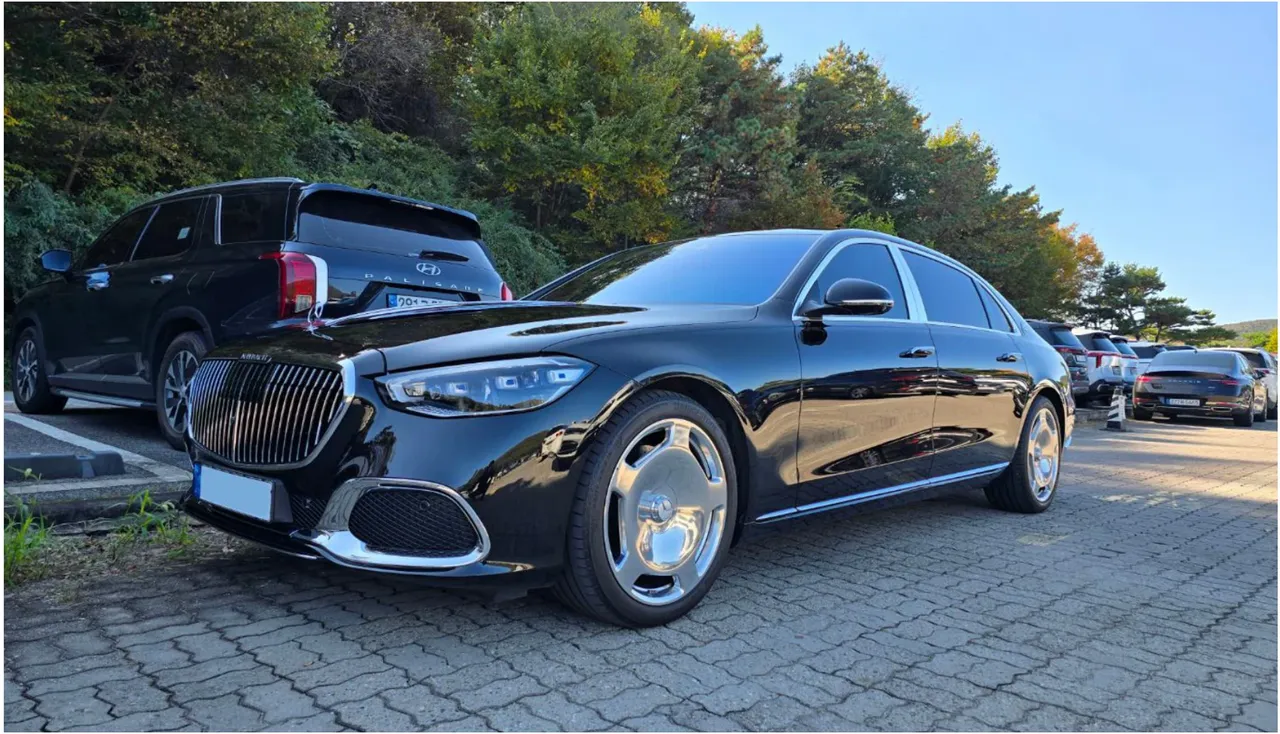
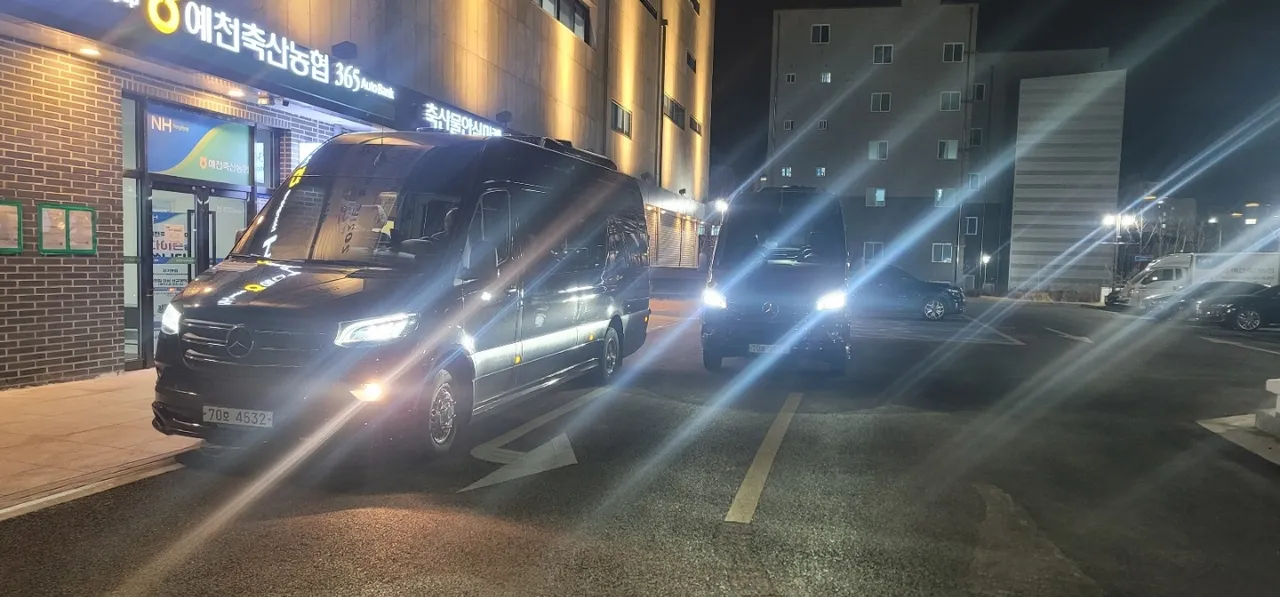
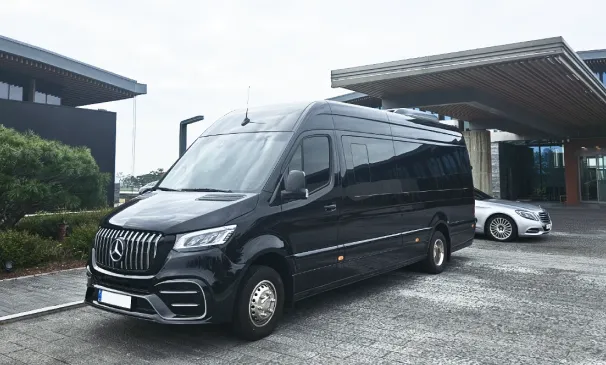
Confirm any required partition, window treatment or connectivity on the actual vehicle. The Genesis G90 (Full Change), Mercedes-Benz Maybach and Mercedes-Benz Sprinter Limousine · 9 have different layouts. Model names alone do not establish sound isolation or a secure environment for sensitive calls.
Keep discretion intact when the plan changes
Agree how an authorized assistant approves a new venue or an additional passenger. When a substitute vehicle or driver is proposed, check that the relevant privacy instructions are transferred. A private itinerary should not be repeatedly forwarded to broad group chats simply because the schedule changes. Keep the practical update limited to the people carrying out the movement.
Ask about information retention and the contact for questions after service. If a requirement cannot be met, adjust the plan before booking.
- Choose the public identifier and active contact.
- Limit shared itinerary detail to practical needs.
- Agree venue access and a fallback meeting point.
- Confirm formal requirements and substitution communication.
Frequently asked questions
Can we use a code on the airport sign?
Propose an agreed code or company identifier and obtain confirmation. Ensure the traveler can recognize it and has a fallback contact if the meeting is unclear.
Does a chauffeur vehicle guarantee private business calls?
No vehicle label establishes sound isolation or technical security. Follow your organization’s information practices and confirm any specific vehicle feature or formal confidentiality requirement.
Can we always use a hotel’s private entrance?
Only where the venue approves access and the assigned vehicle can use it. Confirm a suitable alternative so a blocked entrance does not create confusion.
Can we request the same driver for future visits?
You can request continuity, subject to assignment availability. Record the privacy instructions in the booking so they remain clear even if a different driver is assigned.