On this page
Visitors from countries with routine tipping often worry about what to do after a chauffeur journey in Korea. In general, tipping is not expected in Korea. A courteous thank-you is an appropriate response. The more important preparation is understanding the agreed fare and respecting any policy your employer or the operator applies.
Start with the general custom
Korea Tourism Organization guidance describes tipping as not required or expected in Korea. That is a useful baseline for international visitors, not a reason to make assumptions about every private contract. Ask about any service charge in the quotation if it is unclear. You do not need to calculate an imported percentage automatically. A polite acknowledgment at the end of the journey is a normal way to show appreciation.
Customs are contextual. Follow the operator’s stated policy and accept a declined gesture without pressing the driver.
Keep gratuities separate from charges
Tolls, parking, waiting and an agreed extension are commercial items, not tips. Review them in the written proposal and approve changes through the booking contact. A cash gesture to the driver should never be used to request unrecorded extra work, a restricted stop or special treatment. Equally, a guest should not assume an unclear charge is merely a suggested gratuity; ask the operator to explain it.
The table can help a corporate host explain the distinction to guests before arrival.
| Item | How to handle it |
|---|---|
| Quoted vehicle service | Pay according to the agreed invoice |
| Approved extra waiting | Apply the booking’s stated terms |
| Parking or toll reimbursement | Check the agreed evidence and method |
| Service charge | Ask whether it appears in the proposal |
| Voluntary appreciation | Optional; check policies and accept refusal |
Choose a comfortable way to say thank you
A clear thank-you, a brief message describing what went well or useful feedback to the operator can acknowledge good work without creating a cash decision. If you want to give a personal gesture, ask discreetly whether it is permitted. Avoid turning the handover into a public ceremony. Grand’s English-speaking service material emphasises clear communication; practical feedback about timing, care and helpful coordination is more informative than a generic compliment.
If someone declines, simply thank them and continue. There is no need to negotiate or conceal money in the vehicle.
Check business rules before offering gifts
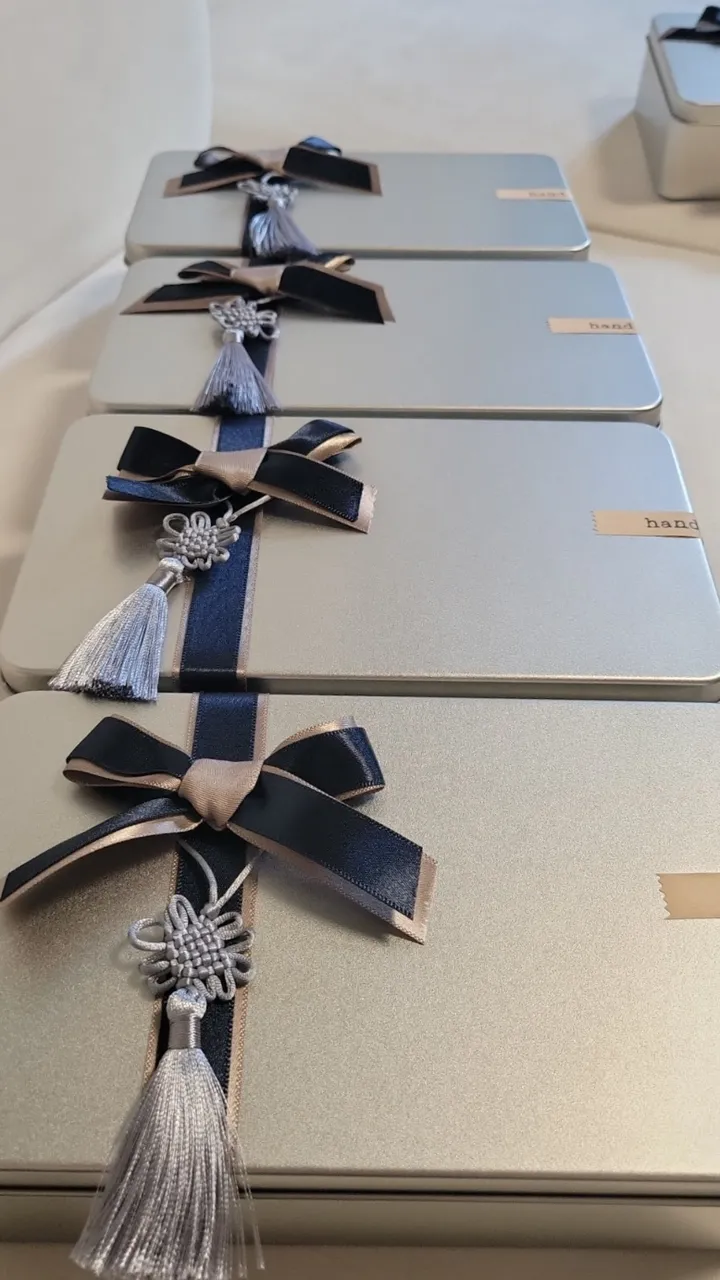
Corporate visitors may have expense limits, procurement rules or recipient gift policies. Institutional and public-sector settings can involve additional restrictions, so ask your organisation’s compliance contact rather than assuming a modest amount is automatically acceptable. If a host wants a group gift, keep approval and purchasing with the host’s independent process. Grand’s confirmed role does not include gift procurement, and transport coordination should not be treated as a way around a policy.
Do not ask the chauffeur to pass an unexplained envelope to a business contact as part of the transfer.
Give guests a simple end-of-trip brief
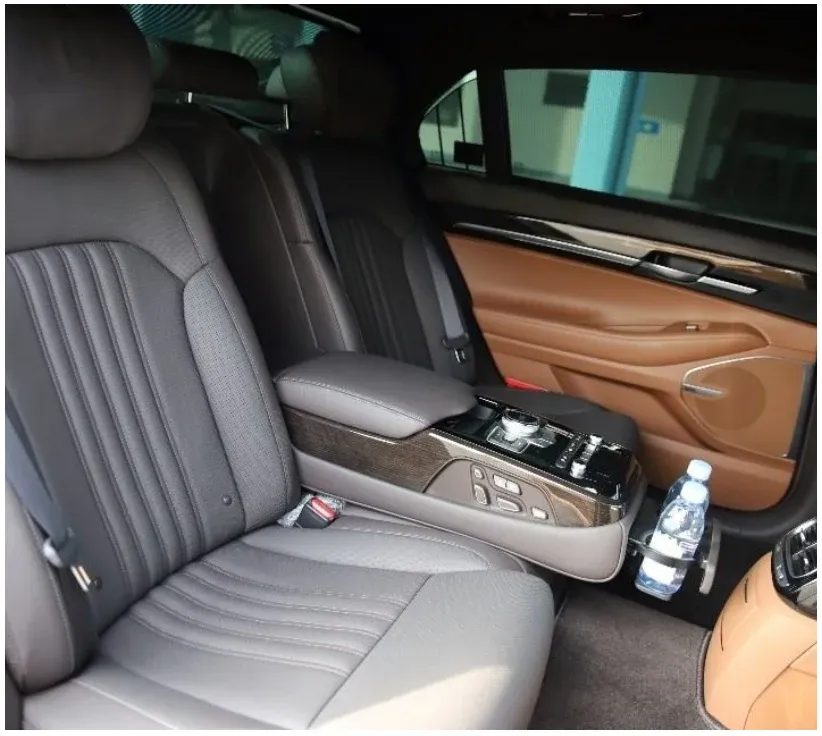
For a hosted delegation, tell guests whether the organiser is settling the account and whom to contact about extra services. This prevents passengers paying twice or making inconsistent promises to drivers. Confirm receipts through the operator if needed for expenses. At the final stop, allow time to check bags and belongings before thanking the driver. Being ready at pickups and communicating changes early also shows consideration throughout the assignment.
A useful host note says the transport account is arranged, extra requests need approval and no gratuity is expected.
Frequently asked questions
What percentage should I tip?
There is no routine percentage you need to apply in Korea. Tipping is generally not expected; follow the operator’s policy and your organisation’s rules.
Will it be rude if I do not tip?
A polite thank-you is appropriate. Pay the agreed charges and treat the driver considerately; there is no need to add money merely to avoid awkwardness.
Can I give a gift instead?
Possibly, but ask about both the operator’s policy and any business restrictions. Keep procurement independent and accept a refusal without insisting.
Is extra waiting covered by a tip?
No. Waiting should be handled under the booking terms. Request approval and an explanation of the charge through the operator rather than substituting an informal cash payment.