On this page
A corporate visit continues between its appointments. This operation shows how two Sprinters supported the people, conversations and practical decisions that connect one stop to the next.
The brief: keep the programme connected
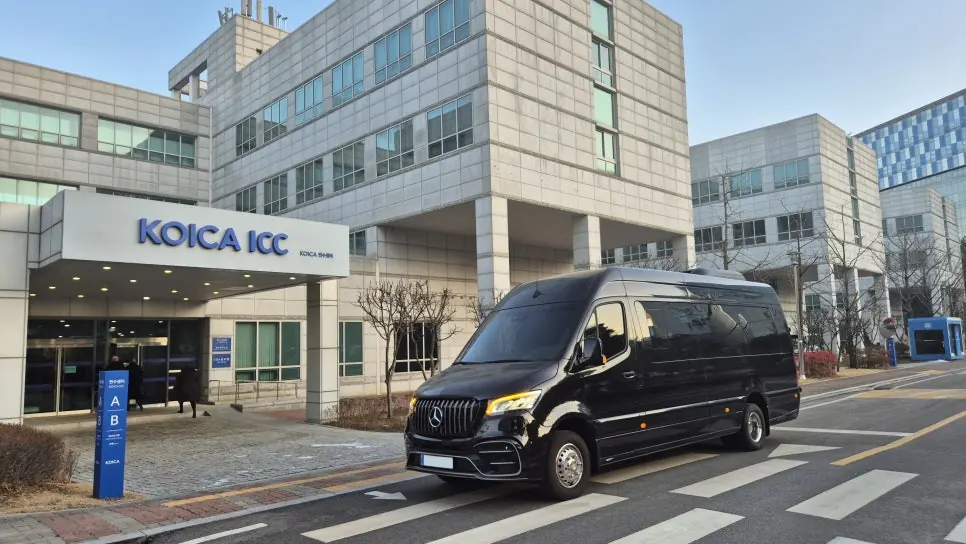
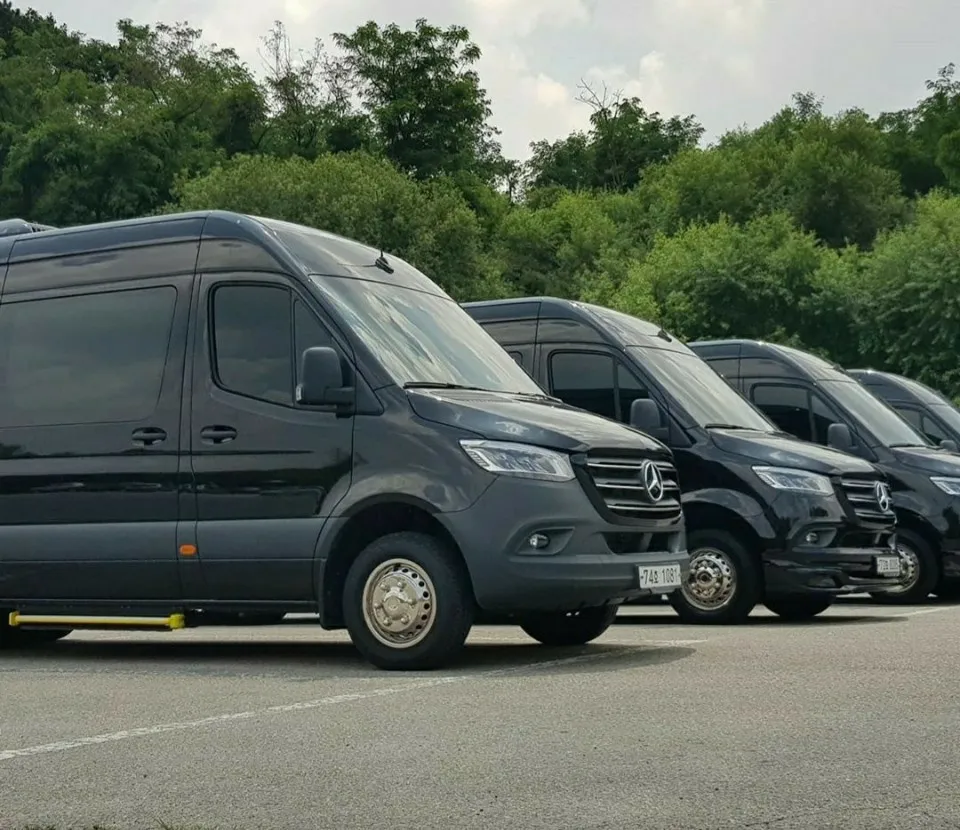
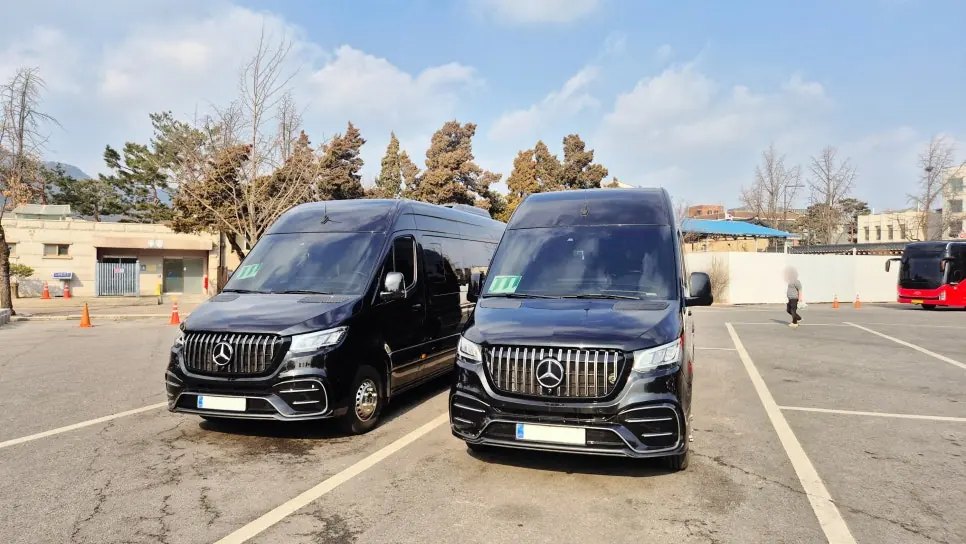
The corporate schedule brought together site meetings, a seminar and a return to headquarters. Grand Limousine assigned two Mercedes-Benz Sprinters, dividing the party by passenger numbers and responsibilities. The transport plan therefore had to support the work between appointments as well as the arrival at each destination.
The field report describes short briefings, shared programme information and checks before the next stop. Its central lesson is practical: decide who needs to travel together before choosing how many vehicles to arrange. People carrying out different roles may need different conditions for conversation, preparation or rest.
| Planning point | Documented arrangement |
|---|---|
| Vehicles | Two Mercedes-Benz Sprinters |
| Programme | Site meetings, seminar and return to headquarters |
| Group plan | Passengers assigned by number and role |
| On the move | Programme sharing, briefings and arrival checks |
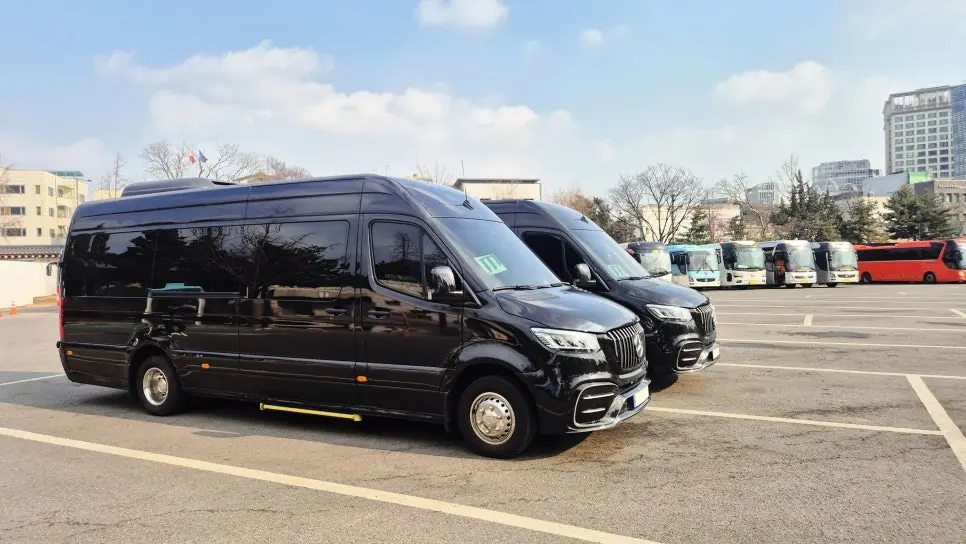
Two vehicles, distinct roles
One reason to use two vehicles is to give guests and the working team an appropriate space for their respective tasks. The original report discusses separating VIP passengers from the team handling programme details, while keeping room for briefing, standby, rest or equipment as the day requires.
This also makes changes easier to discuss: one vehicle may remain on standby while another moves to the next pickup. Such arrangements need a shared contact and a clear destination for each car. A multi-vehicle inquiry should describe those roles rather than listing only the total passenger count.
| Requirement | What to clarify |
|---|---|
| Guest and team separation | Who needs to travel or brief together? |
| Standby and onward movement | Does every group leave at the same time? |
| Equipment and baggage | Which items travel with which group? |
Make the travel leg useful
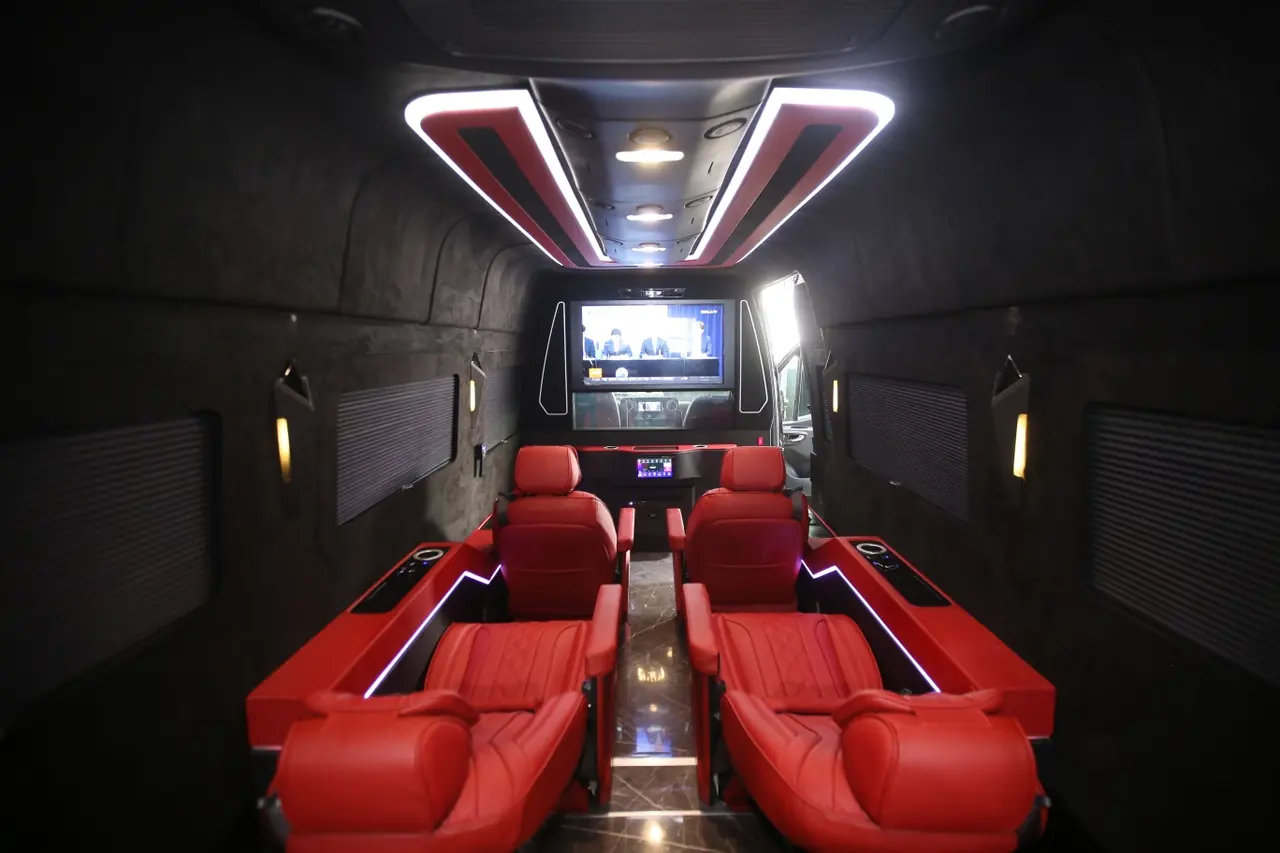
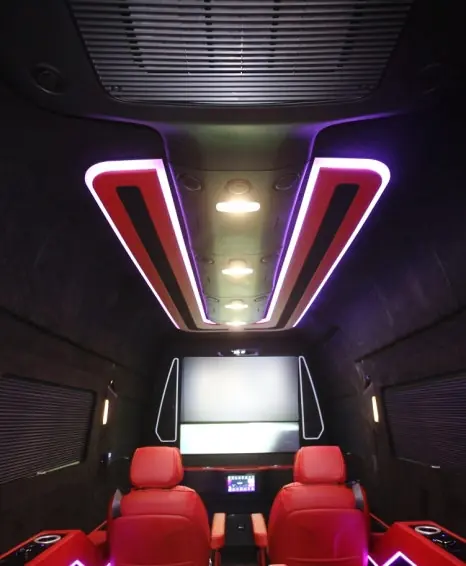
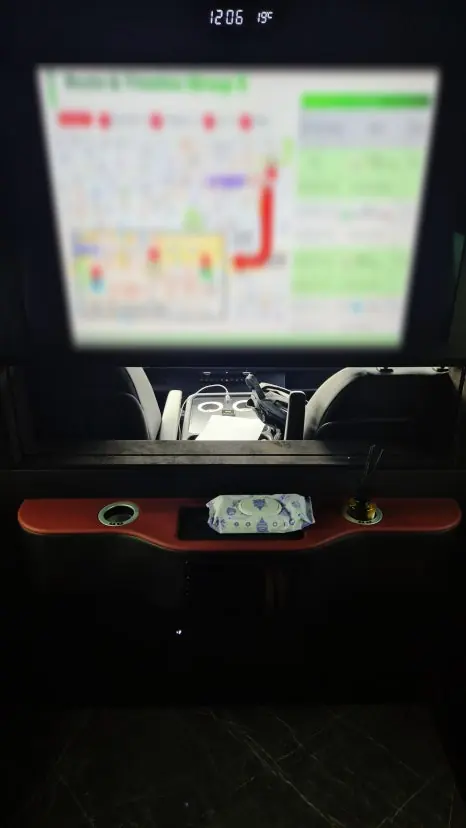
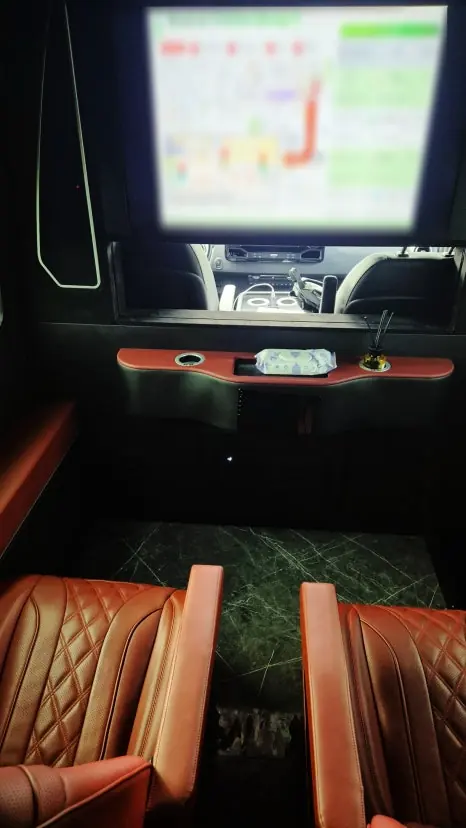
The cabin display was used to share the schedule, route information and points for the next visit. Looking at the same material helps a team finish a short discussion before arrival. Documents and tablets can then remain part of the working flow instead of every update waiting until the next lobby.
The report also describes attention to cabin lighting, noise and gentle driving while passengers concentrate. These photographs document the interiors shown in that particular operation. For a future booking, ask for the assigned cabin, display and any connection requirements to be confirmed; equipment varies by vehicle.
Prepare the last few minutes before arrival
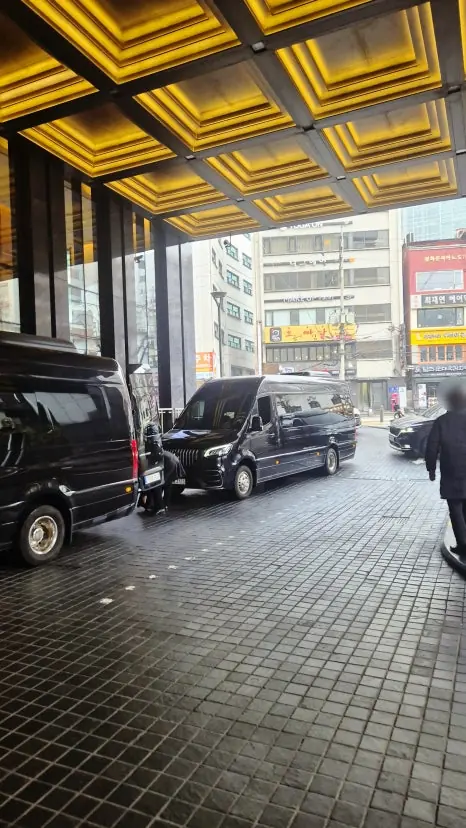
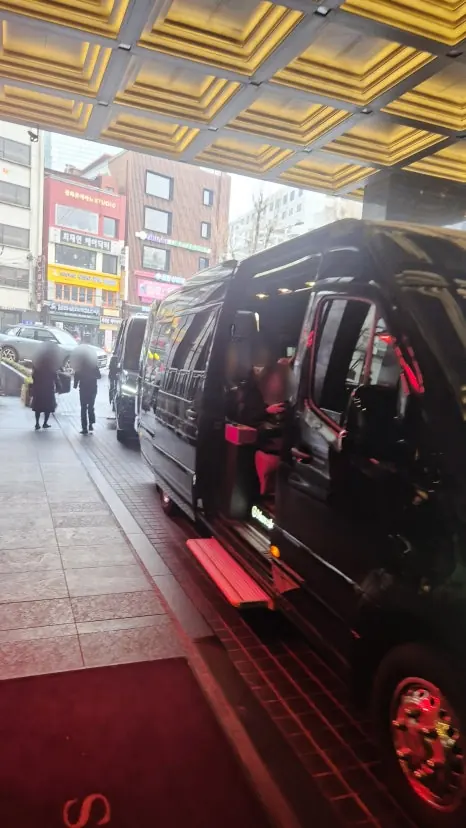
The next destination brings several decisions together: the approach route, the drop-off order, who handles reception and where the vehicle should wait. The field report describes checking these points before arrival, alongside adjusting the pace and stopping position to suit the programme.
- Confirm the next venue and the contact receiving the group.
- Agree on who leaves each vehicle first and who accompanies the guests.
- Check where each vehicle waits during the meeting.
- Share changes with the same programme contact before re-boarding.
Choose the configuration around the assignment
The field report identifies two Sprinters but does not specify their seat variants. The current vehicle brochure provides separate 9-, 10- and 15-seat configurations. Its totals include the front seats, so a seat label should not be treated as the number of guests who can travel with every bag loaded.
| Sprinter configuration | Front seats | Rear seats |
|---|---|---|
| 9 seats · VAN | 2 | 7 |
| 10 seats · VAN | 2 | 8 |
| 15 seats · VAN | 2 | 13 |
What to send with a corporate transport inquiry
Use the programme as the starting point for your request. A useful brief names the pickup and finish locations, every venue, fixed appointment times and the role of each group. Add flight details if airport transfers form part of the same visit, along with the baggage that travels on each leg.
For a comparable operation, request a written quote covering the vehicle assignment and service hours. Waiting, overtime, parking, tolls and any overnight arrangements need agreed conditions. A clear brief helps turn the vehicles into a coordinated part of the programme from the first pickup through the final return.
- Dates, Korea-time appointments and the complete route.
- Passenger groups, vehicle roles and a programme contact.
- Suitcases, equipment, display requests and communication language.
- Expected standby, return timing and any multi-day requirements.
Frequently asked questions
Why arrange two vehicles for one corporate programme?
Different groups may need separate briefing, rest, equipment or departure arrangements. Explain who needs to travel together so the vehicle plan reflects the programme as well as the headcount.
Are all Sprinters equipped like the vehicles in these photographs?
The photographs belong to this source report. Interiors and equipment vary, so confirm the assigned vehicle, seating layout and any display or connection request before booking.
Can the programme include airport and regional visits?
Share the complete itinerary, including flights and every destination. The service scope, vehicle availability, hours and costs are confirmed from that itinerary.
How should last-minute schedule changes be handled?
Keep one programme contact for the group and communicate the revised stop, boarding time and vehicle roles. Any extra service time or changed scope should be agreed with the operator.
What does the quoted seat total include?
The priority Vehicle Brochure includes the front seats in its totals. Confirm usable guest capacity and luggage together for the actual vehicle; the original case does not identify its seat variants.