On this page
A business dinner has two schedules: the reservation and the less predictable moment when guests are ready to leave. A good transport plan supports both. Prepare a few courteous habits, identify the correct restaurant entrance, and arrange a hotel return that does not pressure your hosts or leave guests uncertain.
Ask the host about the dinner format
Find out whether the meal is a formal reception, a small working dinner or a relaxed gathering. Ask about the room, dress expectations and whether seating will be assigned. Korean business settings vary across organizations and generations; a host’s actual instructions are more reliable than a universal rule about rank or dining behavior.
Use the names and titles the host provides. If seating appears planned, ask where to sit before guests settle.
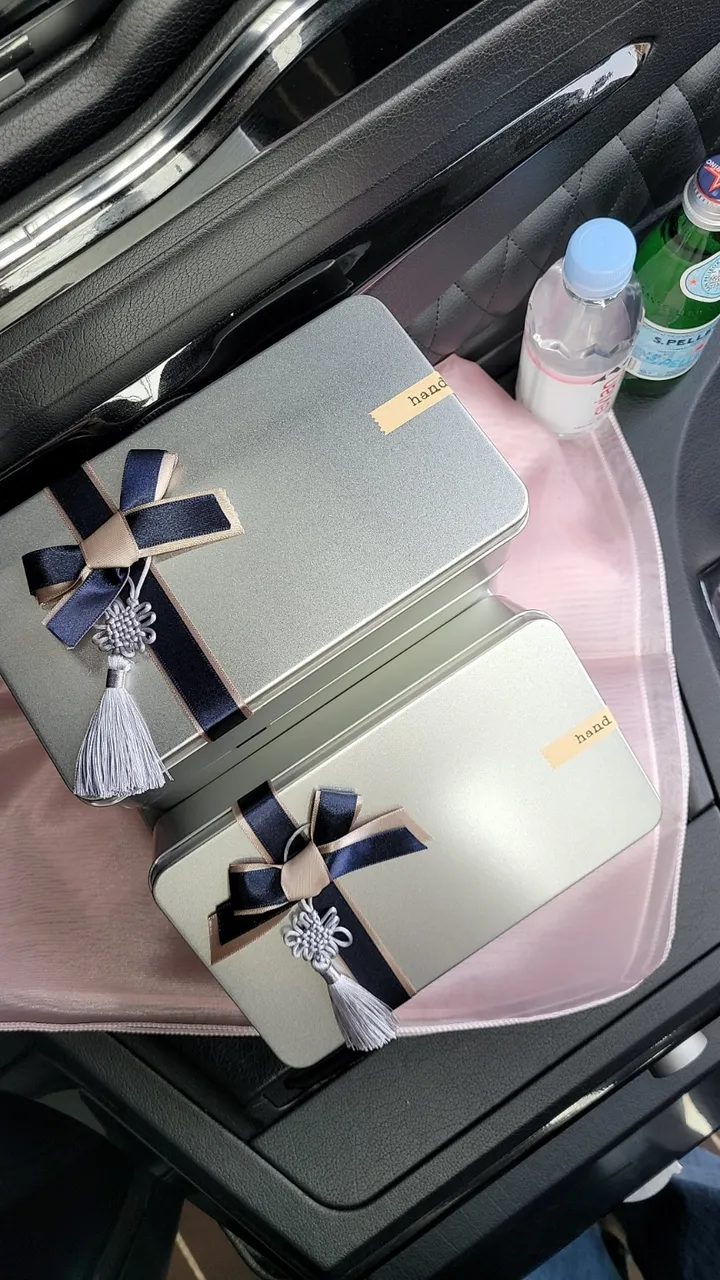
Keep courtesies natural and personal
Follow the pace of the table and give your host room to explain shared dishes. Receiving an offered drink or business card with both hands can be a courteous gesture in a formal setting, but there is no need to perform an elaborate ritual. Be attentive and avoid interrupting an introduction to answer transport messages.
State dietary needs and a preference not to drink alcohol early, preferably through the organizer before the meal. An evening of hospitality should accommodate personal boundaries. You can thank the host warmly without accepting a drink, a second venue or a longer night.
Connect the restaurant room to a usable pickup point
A restaurant name may lead to the front of a building while the reserved room uses another entrance. Send the Korean address, floor and booking name to the guest, and provide the chauffeur only the details needed for the approach. Check whether the street permits stopping and whether the entrance involves stairs or a longer walk.
Grand’s hanok dining account describes hotel departure, dinner, an evening drive and hotel return as a connected itinerary. Apply that approach to a business meal by planning the end of dinner as carefully as the initial arrival.
| Moment | Guest or host decision | Transport implication |
|---|---|---|
| Arrival | Confirm restaurant room and entrance | Use the correct legal drop-off point |
| During dinner | Name one person for updates | Keep table conversation free of dispatch messages |
| Second invitation | Guests choose whether to continue | Check extension and new destination |
| Hotel return | Confirm each guest’s hotel | Plan order or separate vehicles |
Keep payment and transport messages discreet
If you are the host, decide how the restaurant bill will be handled before guests stand up. If you are a guest, follow the invitation arrangements and express thanks without assuming a particular payment custom applies to every organization. A future invitation may be a more comfortable way to reciprocate than negotiating at the counter.
Use one organizer to send the chauffeur an estimated finish and then a ready-to-board message. Do not give the driver several conflicting departure times. If separate guests leave early, record who has departed so the remaining party is counted accurately.
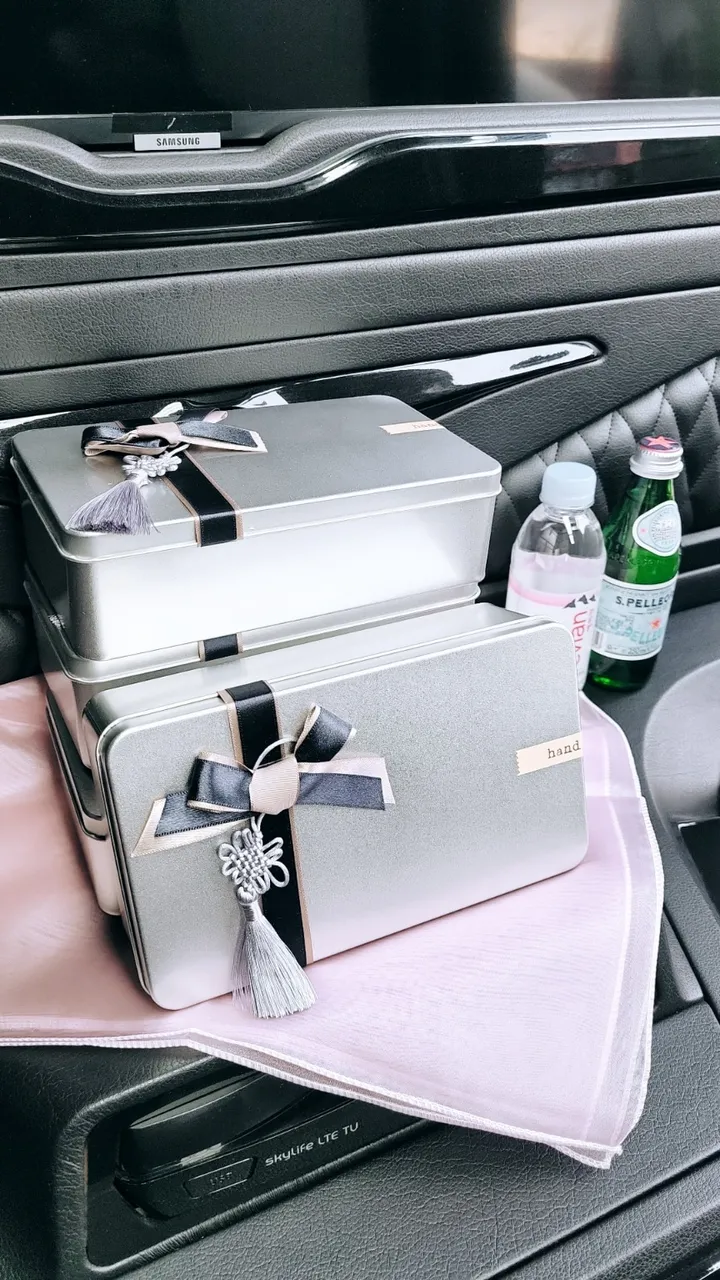
Reserve the return and define the flexible part
Choose between a booked return pickup and a longer chauffeured service period. A fixed return can suit a firm dinner ending; retained vehicle time may suit an evening with uncertain duration. Ask how waiting, extensions and late finishing are charged and whether the requested hours can actually be assigned.
List hotel destinations and guests who need to leave earlier. Confirm passenger places and bags for the assigned vehicle; published seat totals include the front row.
- Share restaurant address, floor and entrance.
- Pass dietary needs through the dinner organizer.
- Confirm the return service period and change contact.
- Check hotels and passenger count before departure.
Frequently asked questions
Is it acceptable to decline alcohol at a business dinner?
Yes. State your preference politely and early. You do not need to explain private health or personal reasons to the transport team.
Should I insist on paying if I am the guest?
Follow the host’s invitation and your organization’s policies. Thank the host; offer another occasion if you wish to reciprocate rather than creating a public disagreement.
Can the car wait outside throughout the meal?
A vehicle may need a separate permitted waiting location. Agree the service period and return message so it can approach when guests are ready.
What if the host suggests a second venue?
Guests can decide whether to continue. The organizer should check the new route, driver availability and any extension cost before treating it as part of the booking.