On this page
The easiest business courtesy is often preparation that nobody notices: a correctly pronounced name, a clear introduction and a seat that suits the guest. For an executive visit in Korea, agree these details with the host and assistant beforehand. Then let the chauffeur concentrate on a calm arrival and safe movement.
Get names and roles right before pickup
Ask for the guest’s preferred name, title and pronunciation, plus the person who will introduce them at the venue. A short pronunciation note can prevent an awkward public correction. Confirm the nameboard wording separately: the preferred greeting name may differ from a booking or invoice name, particularly when discretion matters.
Keep the chauffeur’s briefing concise. Roles such as principal, interpreter and host liaison explain the movement better than a long biography. Share personal details only where they are needed for the assigned service.
Keep the first greeting brief and responsive
A polite verbal welcome and a respectful nod are a useful starting point. Follow the guest or host’s lead on a handshake and allow personal space, especially when the traveler is managing luggage or fatigue. There is no operational benefit in prescribing an exact bow angle or turning the arrival into a formal performance.
If business cards will be exchanged, keep them accessible and let the host establish the moment. Receiving a card attentively and checking the name is more useful than trying to manage bags, introductions and paperwork simultaneously.
Agree seating for the actual vehicle and stopping point
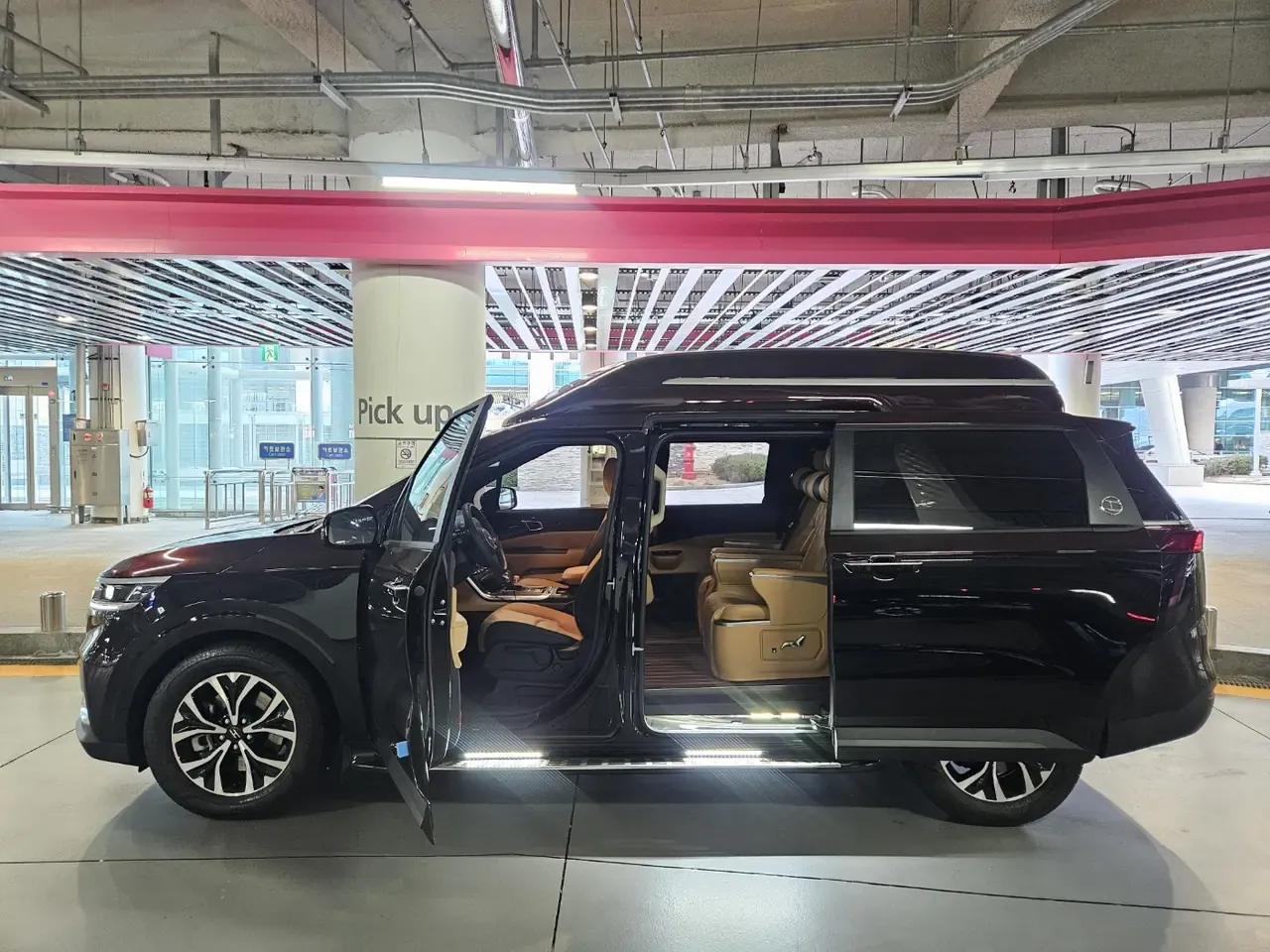
Some formal hosts have a preferred seat for a senior guest, but the choice also depends on vehicle layout, guest comfort and the side where boarding is safe. Ask the assistant to approve the arrangement. Do not assign an interpreter or mobility-limited guest to an unsuitable place simply to follow a generalized hierarchy.
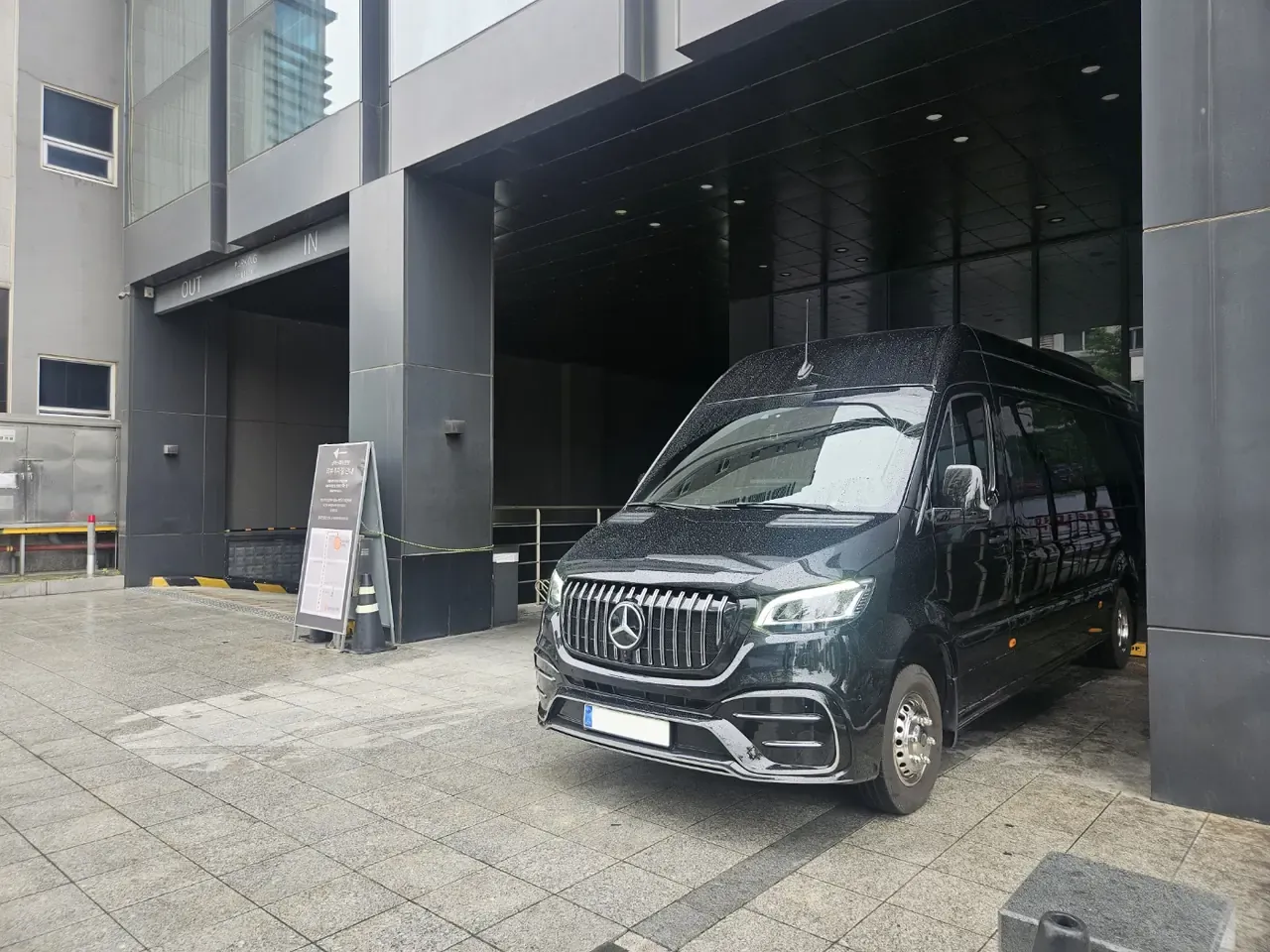
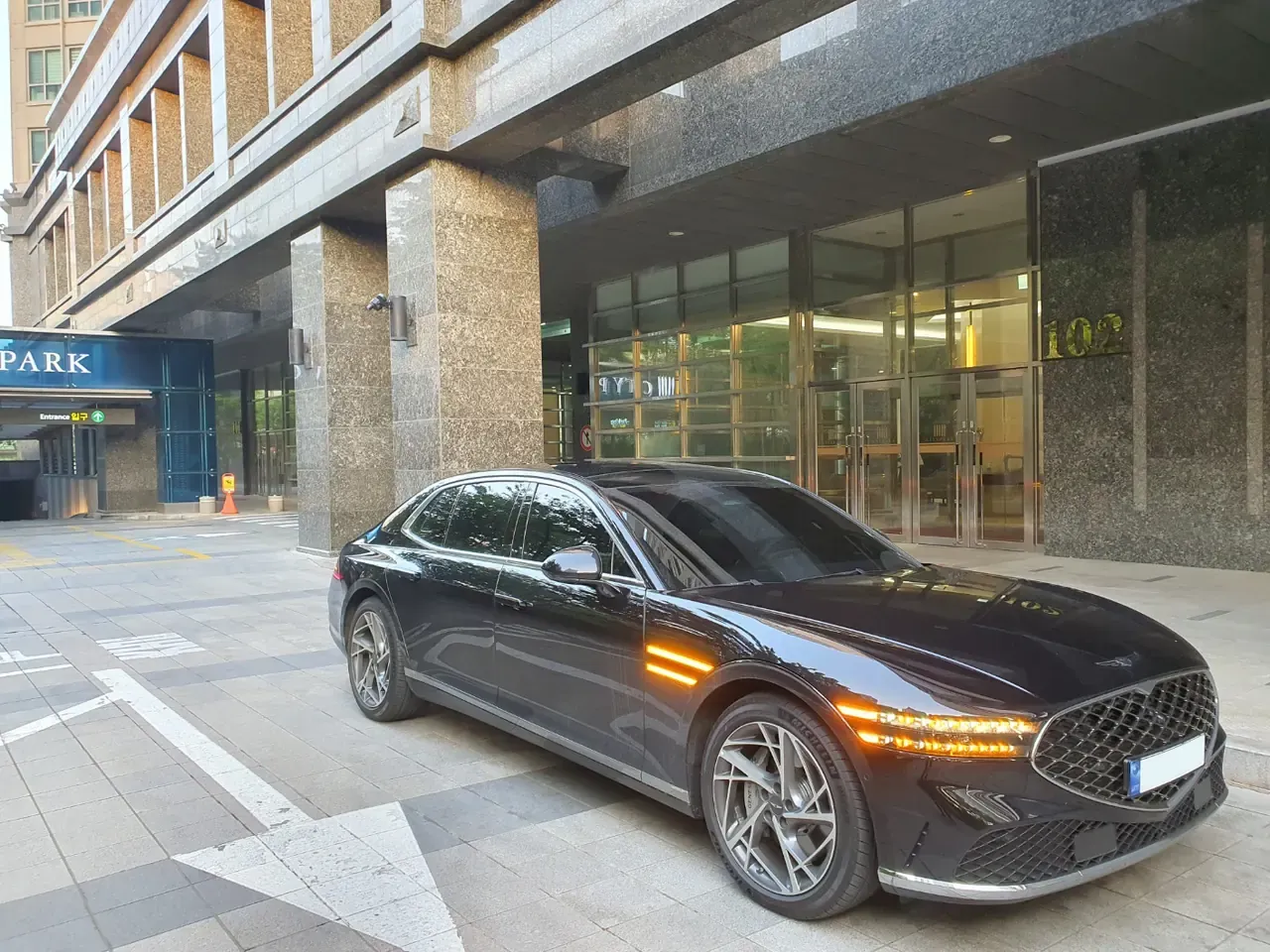
A Genesis G90 (Full Change) lists two front and two rear seats; a Mercedes-Benz Sprinter Limousine · 9 lists two front and seven rear. Both totals include front seats. Review passenger places and luggage with the operator.
| Moment | Detail to agree | Who should decide |
|---|---|---|
| Airport greeting | Preferred name and sign wording | Guest assistant |
| Boarding | Seating and luggage priorities | Assistant and operator |
| Venue arrival | Receiving host and introduction order | Host liaison |
| Meeting runs late | Revised departure and next priority | Authorized organizer |
Plan the introduction beyond the car door
Ask who receives the guest and which entrance leads to the correct reception area. Give that host a simple arrival update through the agreed contact. Drivers should follow the venue’s access and stopping rules; the nearest-looking doorway may not be the correct or permitted entry. Keep a fallback point if the first approach is blocked.
Grand’s full-day CEO account describes coordination between vehicle approach, building entry and the client’s security team when crowds affected a stop. The transport lesson is to agree responsibilities and maintain communication as site conditions change.
Protect useful silence and clear decisions
Ask whether guests prefer conversation, a short itinerary briefing or quiet. Keep essential updates short and route nonessential event questions through the assistant. A calm cabin can help the guest prepare, but confidential work should still follow the guest’s own information-handling practices. Confirm any formal confidentiality requirement rather than assuming it is standard.
When the schedule changes, identify the next priority and obtain approval from the named organizer. Discuss waiting or extension terms in the custom quote, and avoid making a late meeting the driver’s responsibility to solve through rushed travel.
- Check preferred names, titles and sign wording.
- Agree seating, boarding and essential companions.
- Identify the venue host and permitted entrance.
- Name the person who can change the itinerary.
Frequently asked questions
Is the rear-right seat always required for a senior guest?
Some hosts prefer it, but actual layout, safe boarding and guest needs should guide the agreed arrangement. Ask the assistant instead of imposing a universal rule.
Should the chauffeur initiate a handshake?
A brief verbal welcome and respectful nod are sufficient starting points. Follow the guest’s lead and avoid making the greeting awkward while they manage luggage.
Must business cards be exchanged at the airport?
No. If an exchange is planned, choose a comfortable moment with the host. The transfer can begin smoothly without a formal card exchange.
What should happen when a meeting overruns?
The authorized organizer should set the next priority and approve any schedule or service extension. Share one clear update with the driver and receiving host.