On this page
A Seoul–Busan car journey is a substantial road assignment. Its strongest reason is usually a requirement that rail cannot easily serve: an intermediate factory, difficult equipment or several destinations beyond a station. Compare the complete working day before deciding whether continuous chauffeured transport earns its additional road time.
Identify what the road journey adds
Start with both end addresses and any essential stop between them. A direct city-centre meeting with compact bags may suit independently booked rail plus local transfers. A visit to an industrial site followed by a Busan hotel can favour one vehicle, particularly where moving equipment through stations would be difficult. Write the practical benefit in one sentence; comfort alone does not remove the fatigue of a long day on the road.
Compare travel modes using loading, station or airport processes and local connections, rather than only the published line-haul journey.
Choose the pattern that serves the work
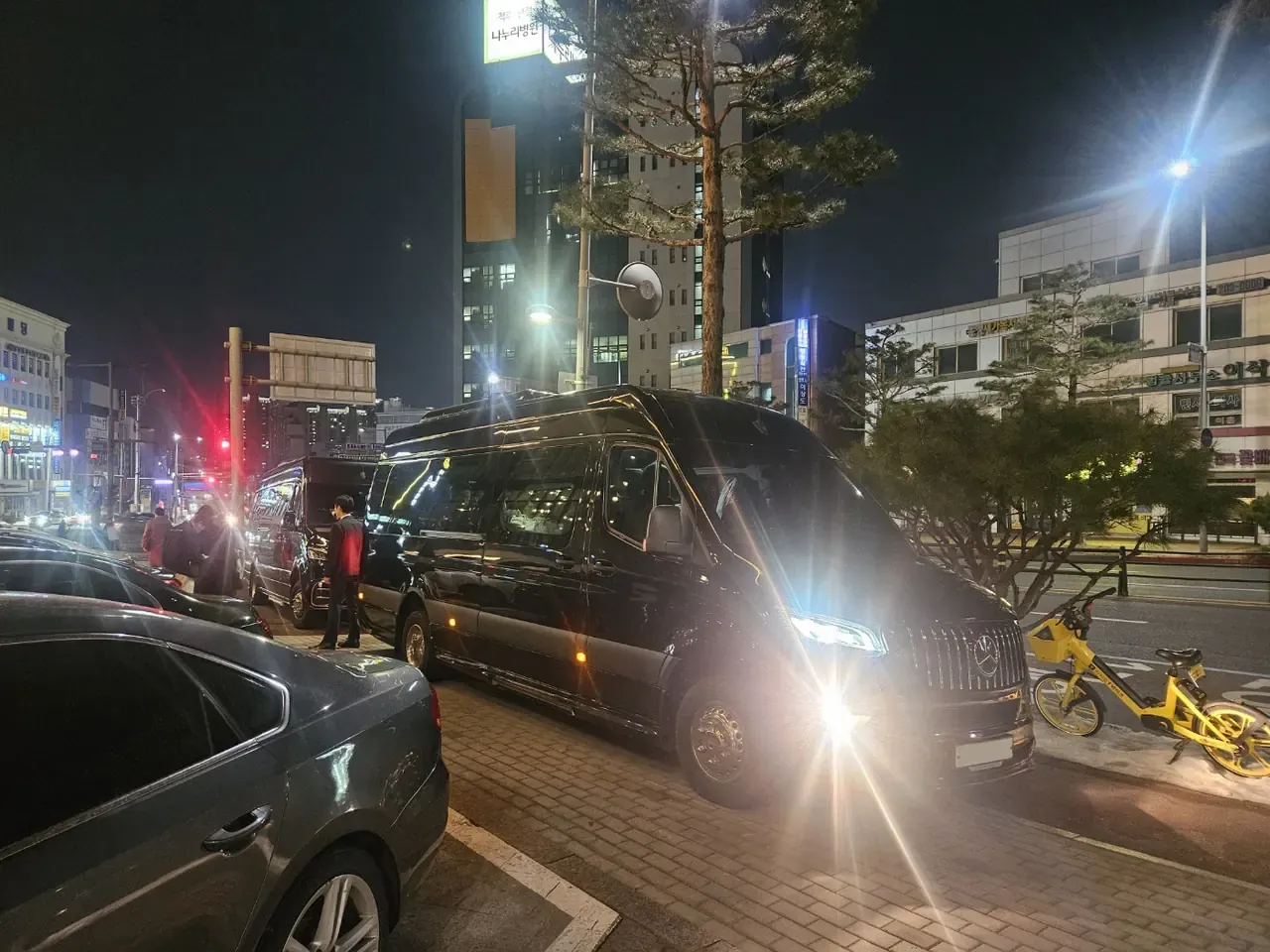
Grand’s regional executive case describes a Seoul–Cheongyang round trip with planned rest stops and destination entrance checks. It demonstrates the planning approach for regional assignments, not a published Seoul–Busan duration or rate. Apply that approach to the proposed addresses and date, asking for a route assessment that includes breaks and road uncertainty. Avoid putting an inflexible meeting directly against the optimistic arrival estimate.
This comparison is about operational fit; transport schedules and individual ticket terms must be checked separately.
| Requirement | Continuous chauffeur | Rail plus local transfers |
|---|---|---|
| Intermediate site visit | Route can include the agreed stop | Needs additional connections |
| Bulky sample cases | Assignment-specific loading check | Carrier baggage rules apply |
| One central appointment | Long road exposure | Potentially efficient rail segment |
| Separate Busan destinations | Can quote onward movements | Arrange destination vehicles |
Price the whole assignment
A one-way passenger journey can still require vehicle repositioning, driver accommodation or another operational arrangement. Ask whether the proposal includes only the Seoul–Busan movement, the return of the vehicle or continued service in Busan. For an overnight itinerary, separate guest waiting from driver rest and make the next day’s reporting time explicit. Do not build a schedule that assumes uninterrupted driving and availability across consecutive days.
Request a written breakdown of the route, stops, toll treatment, parking, overnight arrangements and how any additional time is approved.
Plan a sustainable cabin and break routine
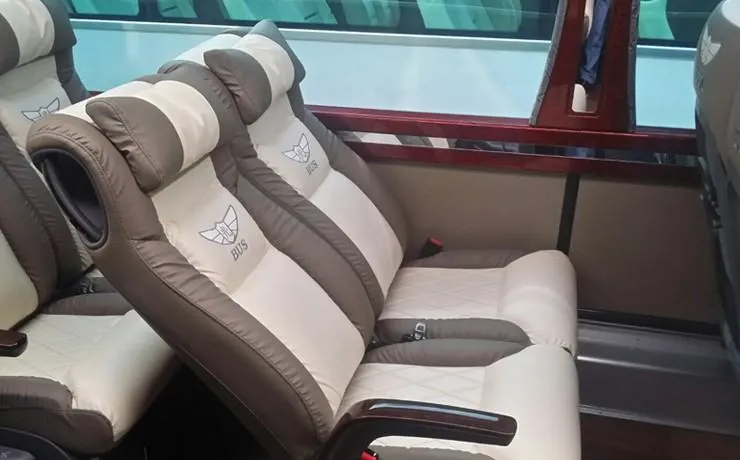
Check the passenger seating plan with the full luggage inventory, including items added during site visits. Keep aisles clear and reserve accessible space for essentials. Discuss suitable rest opportunities before departure and allow passengers to ask for an additional safe stop. If calls or document review are intended, use short work periods and retain an offline copy of essential material. Cabin equipment and connectivity require confirmation on the assigned vehicle.
Passenger comfort never requires rushing, skipping a necessary break or treating the driver as available without a workable duty plan.
Finish the route at the correct Busan entrance
The destination may be a hotel lobby, a factory security gate or an event loading point. Obtain the exact entrance and host contact rather than relying on the postal address alone. Decide what happens after arrival: complete release, reserved waiting or a later local transfer. If the party splits, allocate bags before departure from Seoul. A continuous journey should simplify the final handoff instead of postponing it until everyone is tired.
Send a final itinerary with the intermediate stop order, passenger list, equipment dimensions, break expectations and agreed service finish.
Frequently asked questions
Is driving always faster door to door?
No. Compare your actual addresses and connections. A long road journey can be substantially slower, especially with congestion or stops; its benefit may be flexibility and handling rather than speed.
Can we add a meeting between Seoul and Busan?
Include the address and expected duration in the proposal. A detour changes driving, waiting and duty requirements, so it should be approved before the journey.
Will the same vehicle remain in Busan?
Only if the assignment confirms it. Ask whether continued local service, overnight arrangements and the following day’s reporting are included.
How many bags can a Sprinter take on this route?
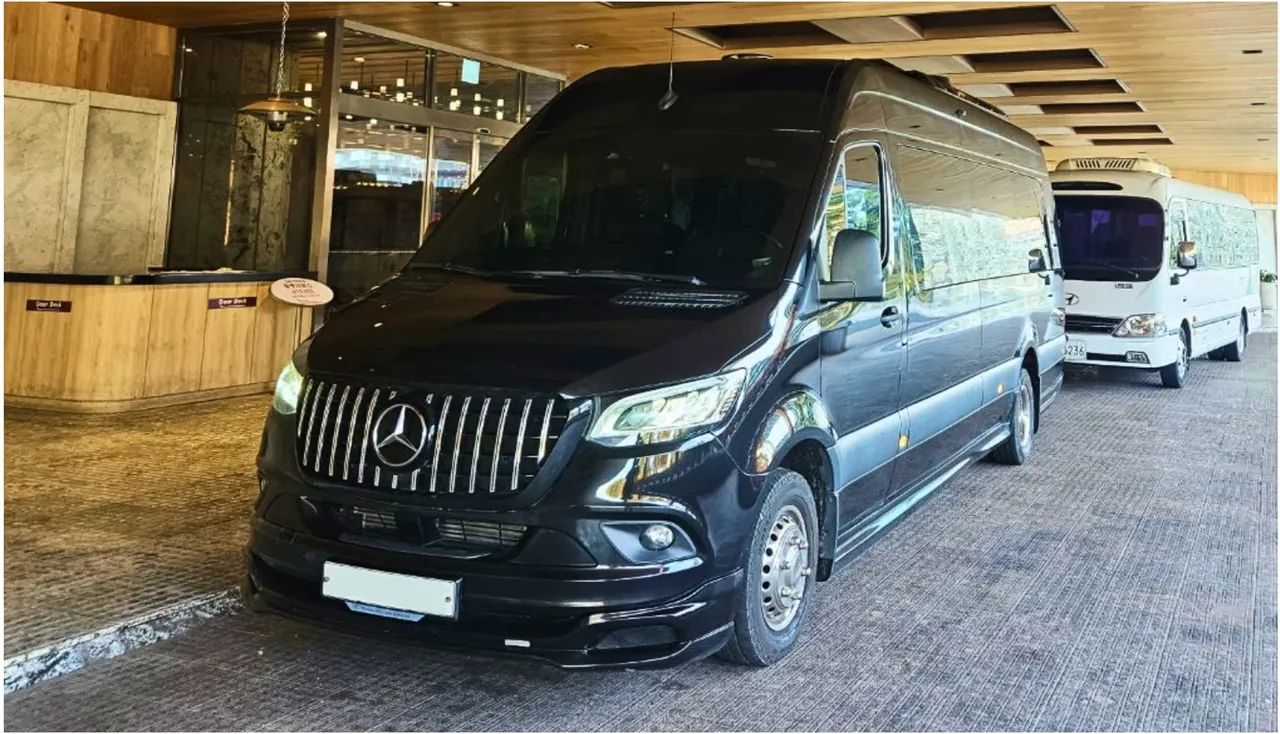
Request a loading assessment for the exact layout and all passengers. The advertised seat total is not a confirmed suitcase allowance, particularly with large sample cases.