On this page
Seating etiquette should prevent an awkward boarding moment, not create one. A host can offer a customary honor position while respecting access needs and personal preference. The useful preparation is a vehicle-specific plan that identifies the principal, companions and operational contact before the cars reach the hotel.
Offer a customary position without rigidity
In many chauffeur-driven Korean business settings, hosts offer the rear passenger-side position to the principal guest. Treat that as a useful starting convention, rather than a rule that overrides the person’s choice. Ask discreetly if there is a preferred side or easier way to enter.
Do not describe any seat as universally safest or assume the rear center exists in every sedan. Grand’s current sedan listing is two front plus two rear seats. A seating plan copied from a five-seat car can therefore be wrong before the first passenger boards.
Use the assigned layout, not a generic diagram
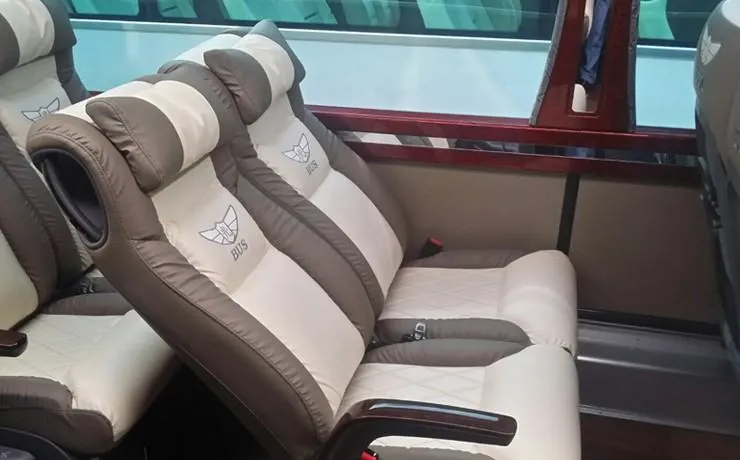
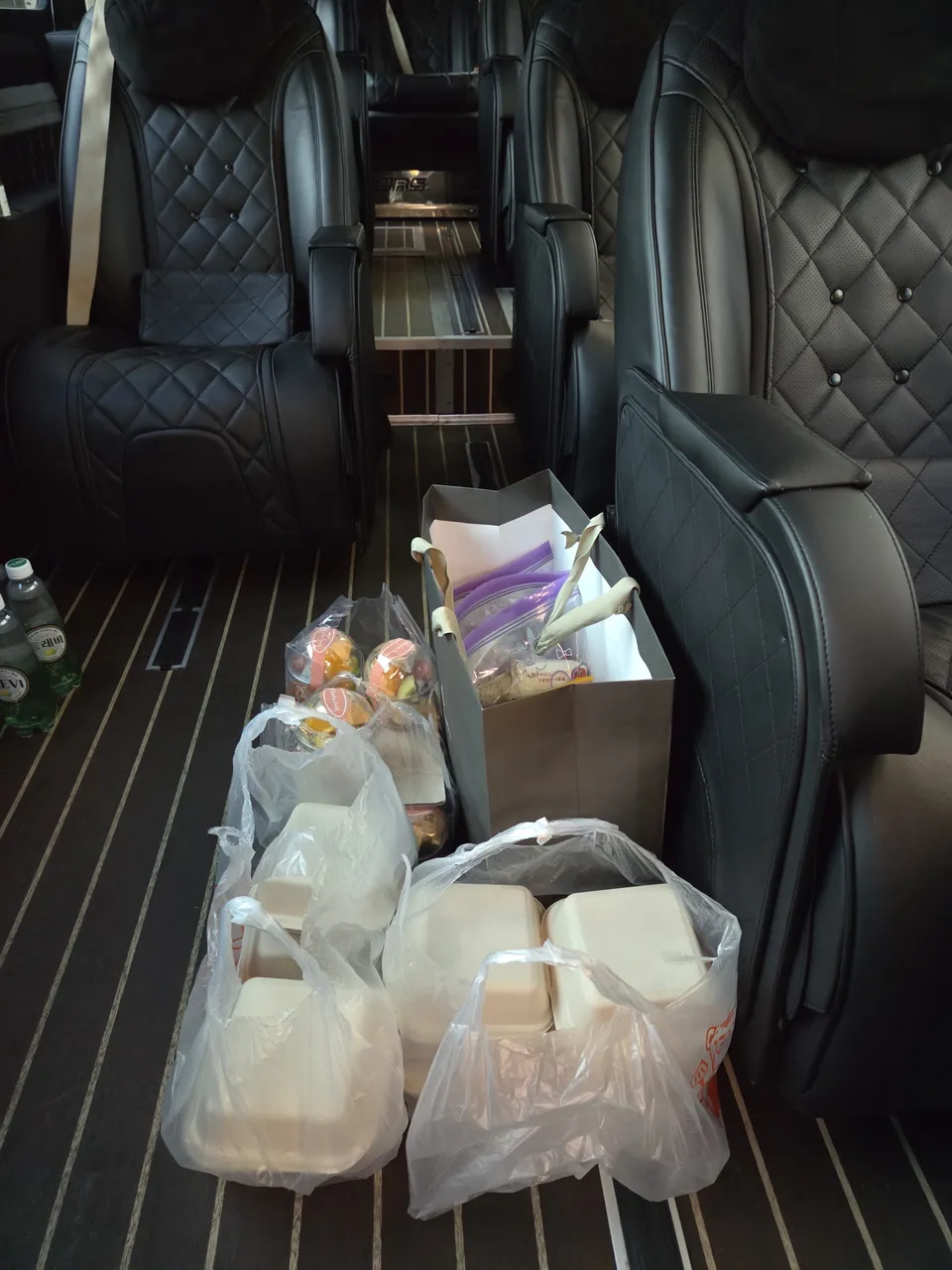
Request the actual seat arrangement when using a limousine van or a multirow SUV. A comfortable forward-facing seat near the door may suit the principal better than a position labeled “VIP” on an unrelated brochure. Confirm how each companion reaches their place without asking others to repeatedly step out.
Remember that published totals include front seats. The Toyota Alphard HEV, Toyota Lexus LM and Kia Carnival Hi-Limousine are listed as six total seats in a two-plus-two-plus-two layout. Loading and guest capacity still need their own review; a seat diagram alone does not solve baggage placement.
| Situation | Practical arrangement | Detail to settle |
|---|---|---|
| Chauffeur-driven sedan | Offer rear passenger-side place | Guest preference and actual two-seat rear |
| Multirow vehicle | Review door and seat access | Assigned layout and companions |
| Delegation with interpreter | Plan by communication task | Quiet cabin or separate support car |
Place companions according to their task
An interpreter may need to hear both the guest and the host, while an assistant needs an easy channel to the driver. Discuss those tasks before assigning every place by rank. A separate support car can be sensible when confidential conversation and operational coordination compete for the same cabin.
Use simple vehicle labels and passenger lists for a delegation. Share each guest’s own boarding instruction, while keeping the full manifest with the organizer. Avoid announcing titles or debating status outside the car. Changes should be handled quietly through the designated host contact.
Let the doorway determine the boarding sequence
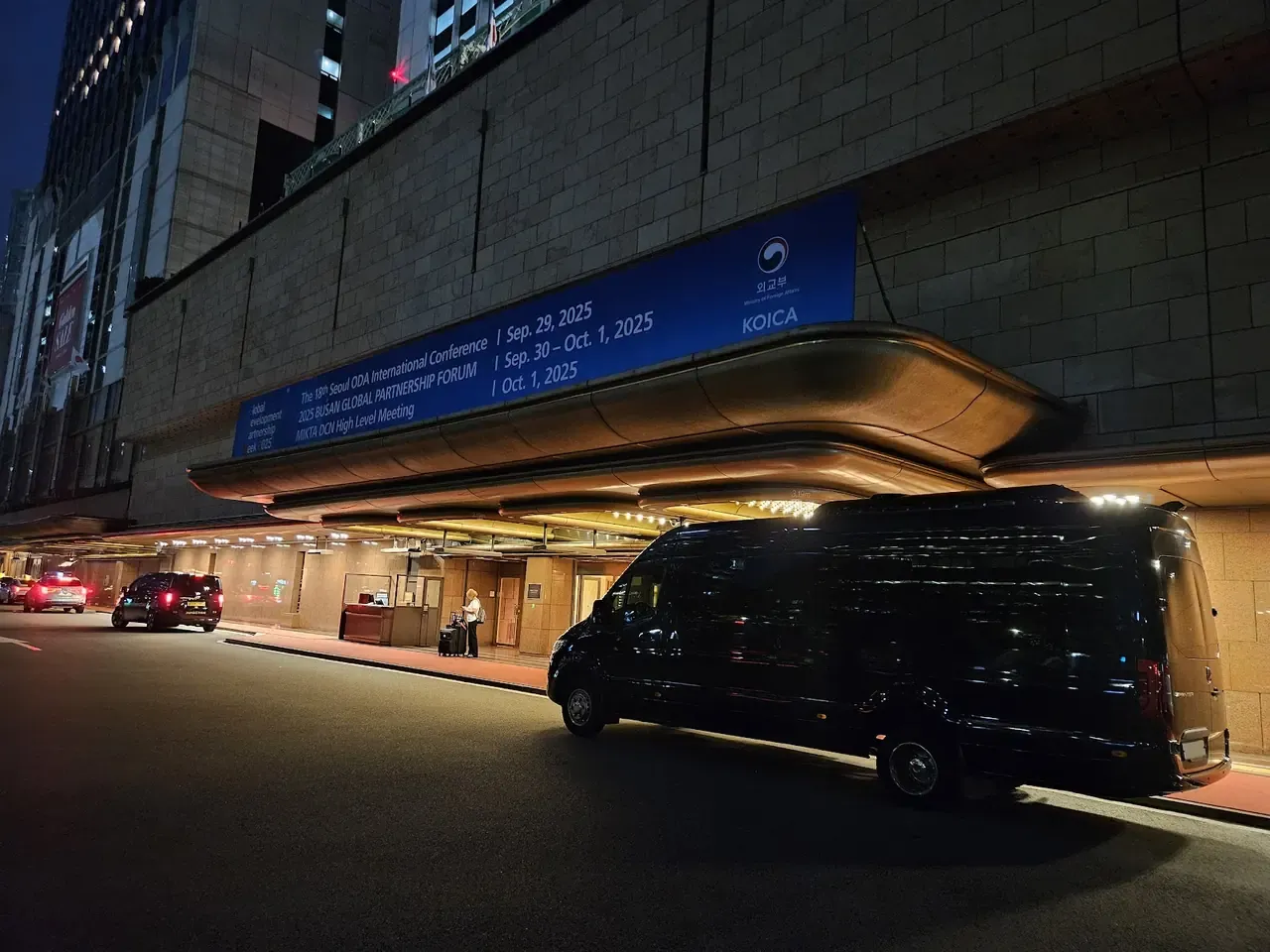
Inspect the actual stopping position. A passenger-side door may face a wall, a bicycle lane or a busy roadway at a particular venue, so a customary seat does not guarantee convenient access. Follow the driver’s safe boarding direction and the venue’s rules rather than reproducing a ceremony at the curb.
If a guest chooses another seat for comfort, accept the choice without public correction. Before departure, make sure everyone has their own usable restraint and that bags do not obstruct access. Protocol works when the guest feels considered and the movement stays calm, even when the final seating differs from the first draft.
Approve a layout that survives vehicle changes
Keep the approved seating plan with the actual vehicle assignment, accounting for the chauffeur, every companion and safe luggage placement. Give the operator a contact who can approve a revised layout if a substitute is proposed. The new plan should still meet the principal’s access preference and the interpreter’s working needs. Share vehicle and boarding instructions privately before departure, then let the safe stopping position determine the final sequence rather than insisting on the original drawing.
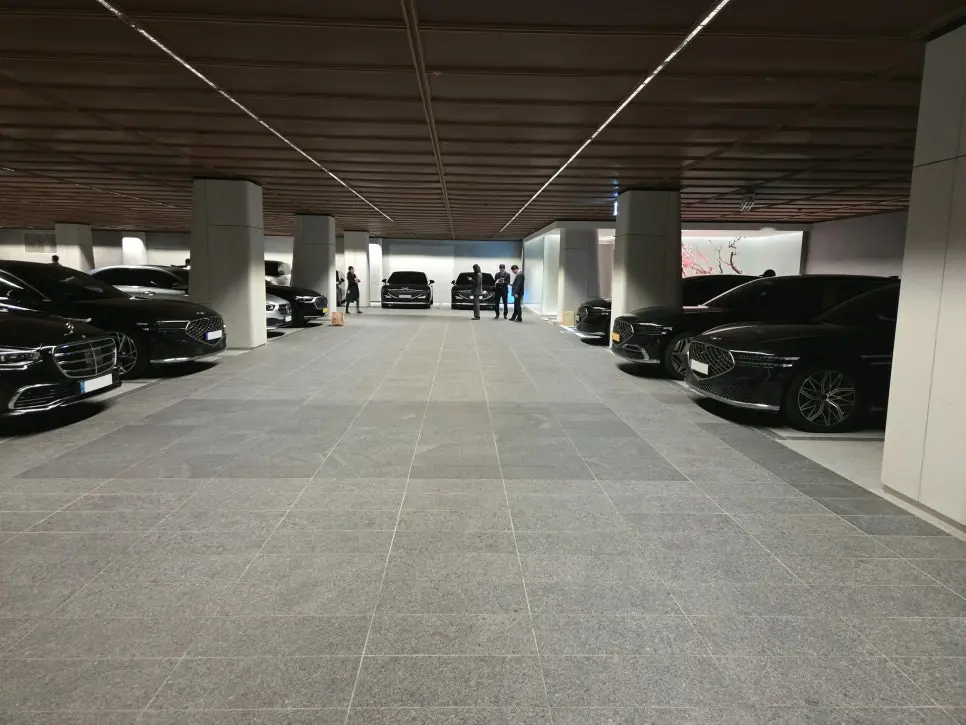
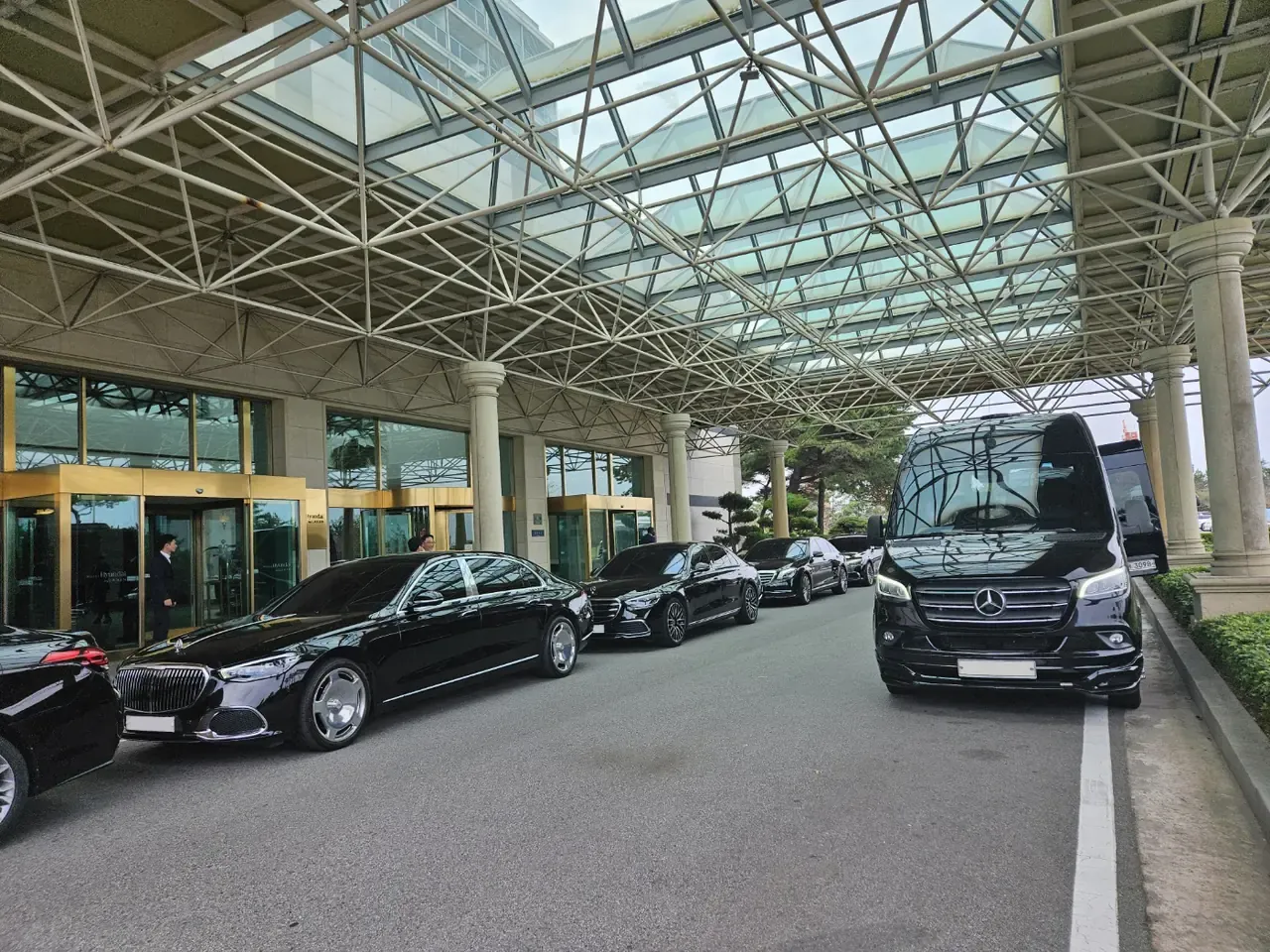
Grand’s CEO operation used different vehicles for the principal and support roles. It illustrates how a seating plan can serve the day’s work, without making a fixed hierarchy mandatory for every guest.
Frequently asked questions
Must the principal sit at the rear right?
Offer it as a customary option where appropriate. Respect personal preference, accessibility needs and the safe boarding conditions of that particular stop.
Can an interpreter use a rear center seat?
Only if the actual assigned vehicle has that approved seat. Grand’s listed sedans use a two-plus-two layout, so do not assume a rear center position.
Do we need a public seating announcement?
A discreet pre-trip instruction is usually easier. Give guests their vehicle and boarding direction, and let the host manage changes privately.
Does the same rule apply when a friend drives?
A personal host relationship changes the context. Ask the host and guest what feels comfortable instead of applying a chauffeur-service chart automatically.