On this page
Business cards can help international visitors understand names and roles at a first meeting in Korea. Preparation is simple: bring usable cards, know whom you are meeting and keep them accessible. A short briefing before arrival also prevents luggage, reception instructions and introductions from competing for attention at the building entrance.
Make the card easy for the recipient to use
Check that your name, role, organization and current contact details are clear. If you use a Korean translation, ask a trusted colleague to review it rather than guessing a title. Bring enough cards for the expected meeting participants and a reasonable margin for new introductions. A digital contact option can be helpful, but do not assume every host uses the same platform. Keep physical cards in an accessible case, separate from receipts and travel documents.
If a colleague has no cards, plan a simple spoken introduction and a later contact exchange; avoid making the absence the focus of the meeting.
Use the last part of the ride for preparation
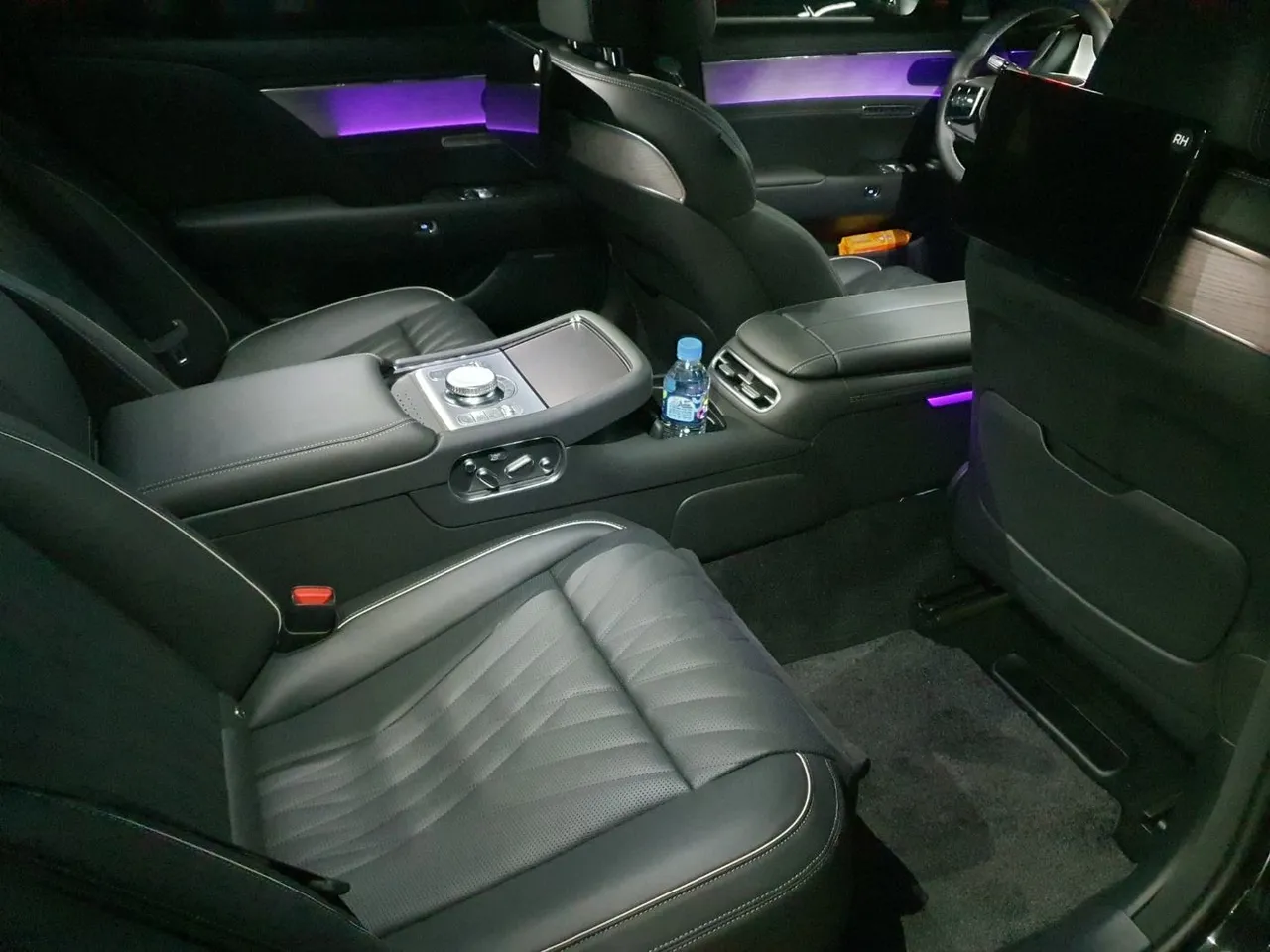
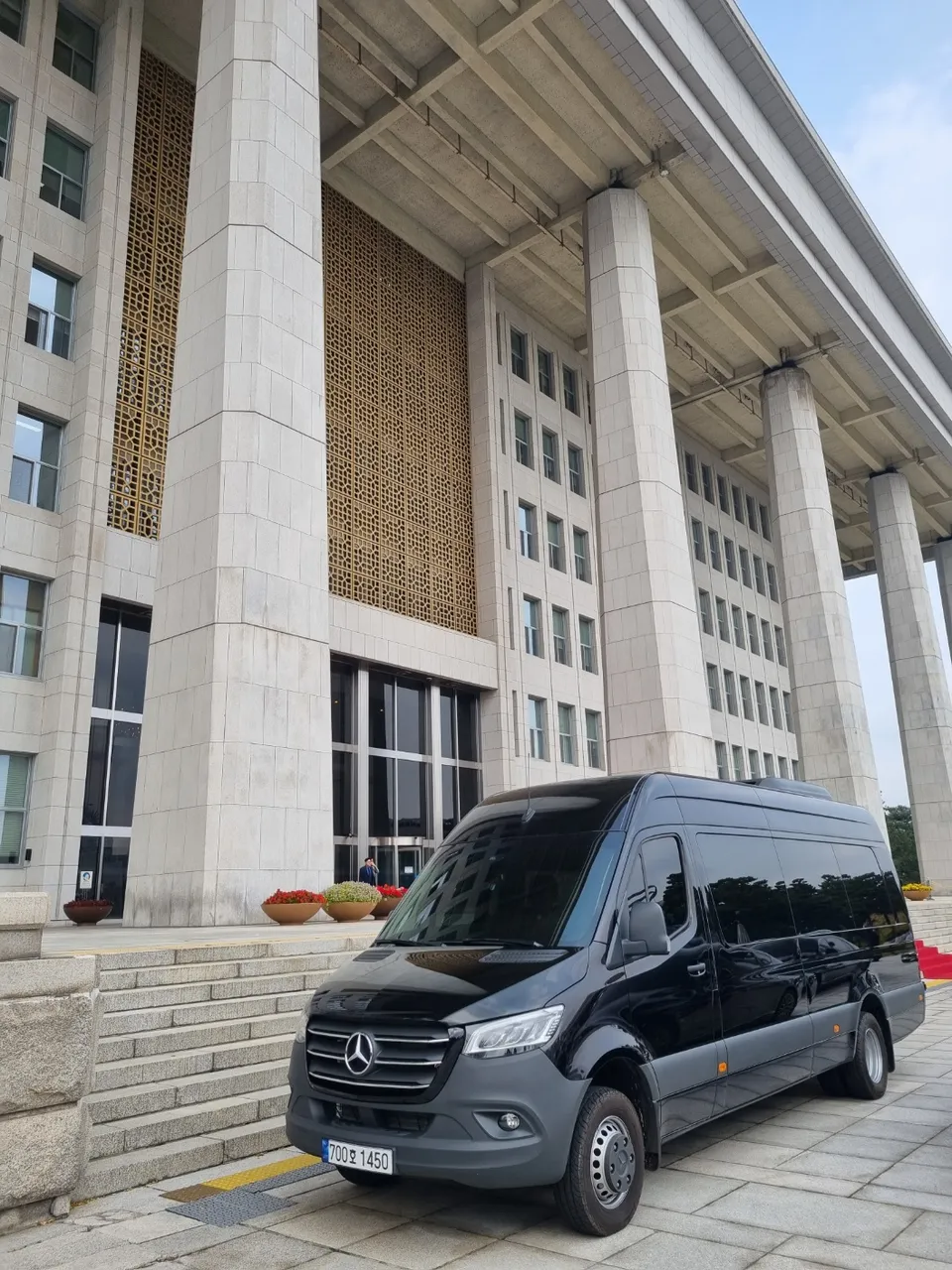
Before reaching reception, review the counterpart’s name, pronunciation, role and the purpose of the meeting. Decide who will introduce the visiting team and who holds the reception contact. Grand’s two-Sprinter corporate case describes short briefings while traveling. Apply that idea to a compact arrival briefing, without assuming a screen or other particular equipment is installed. Put away working papers before boarding ends so the group can exit safely and calmly.
| Stage | Action | Practical result |
|---|---|---|
| Before departure | Check cards and participant names | Avoids searching through luggage |
| During the ride | Agree the introduction lead | Prevents competing introductions |
| At reception | Follow the host’s direction | Keeps security and greetings orderly |
| After the meeting | Store contacts and assign follow-up | Turns the introduction into a usable record |
Offer attention rather than a rehearsed ritual
In a formal setting, offering and receiving a card with both hands, or supporting the presenting hand, is a considerate approach. Face the text toward its recipient and take a moment to read the name you receive. Follow the host’s lead on the order of introductions and how formal to be. Different companies and individuals work differently; careful attention is more useful than treating every introduction as a test of exact gestures.
Keep names useful during the discussion
If appropriate to the table and the host’s arrangement, place received cards where they help you remember participants. Otherwise store them carefully in the card case. Avoid covering them with used cups or using them as scrap paper. Use the names and titles people offer, and ask politely if pronunciation is unclear. An assistant can note follow-up tasks separately after the meeting rather than distracting from a conversation to annotate another person’s card.
- Bring current cards and a card case.
- Review the meeting participant list.
- Agree who leads introductions.
- Keep reception instructions separate from business cards.
Connect the introduction to the next movement
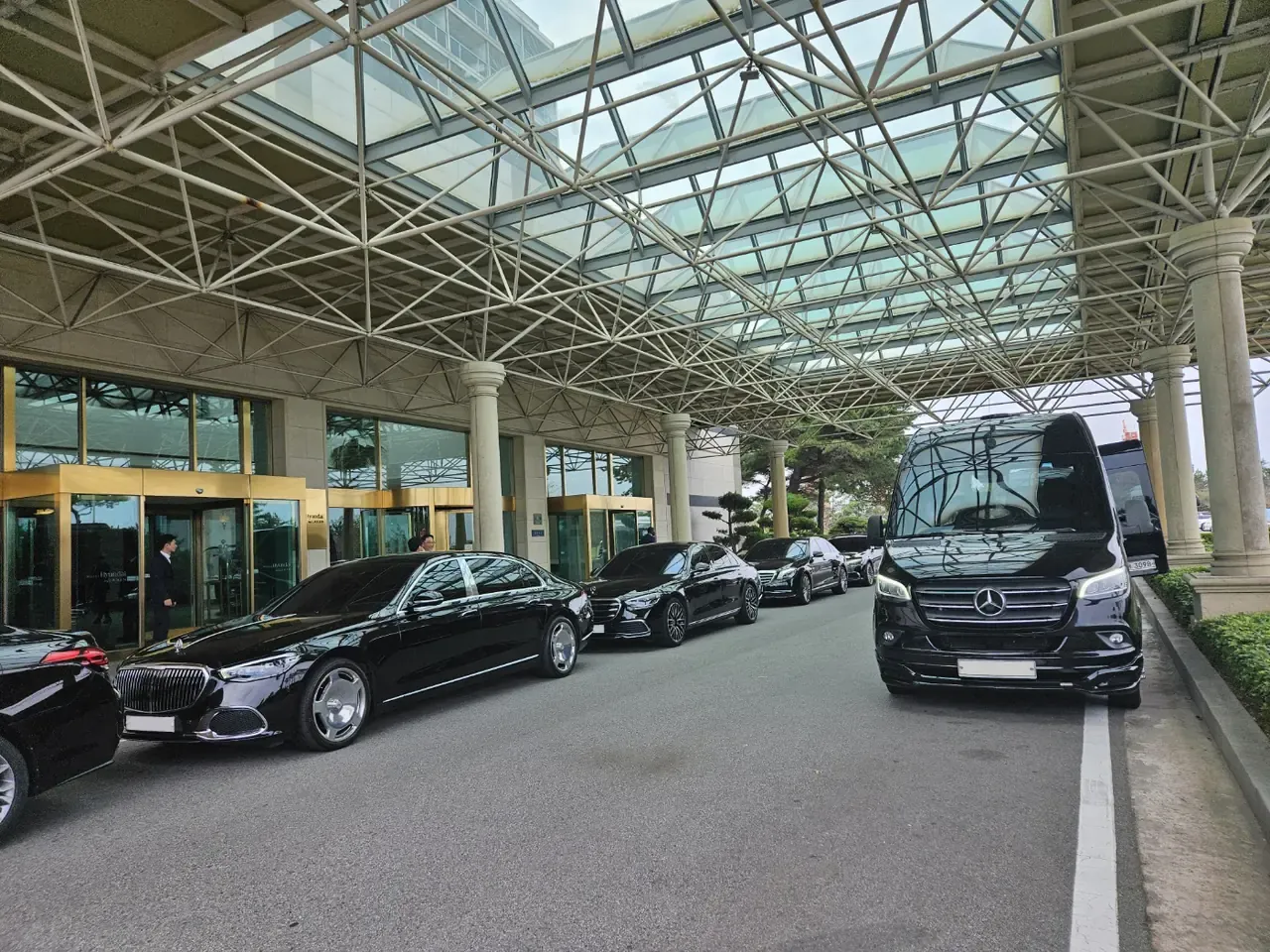
At the end, allow time for farewells and confirm where the chauffeur can collect the group. A card exchange should not leave anyone standing in a vehicle lane while searching for the next address. During the following ride, the assistant can record promised materials and the appropriate follow-up owner. For multi-stop coverage, share the next venue and any timing change through the agreed transport contact so courtesy and the working schedule remain connected.
Frequently asked questions
Do I need a Korean-language card?
It can be helpful when reviewed accurately, but clear current information and a considerate introduction are the priorities.
What if a host offers a digital contact instead?
Follow the host’s preference and exchange details through a mutually usable method. Keep your own alternatives ready.
Must I memorize every title before arrival?
Review key names and roles, then ask politely when needed. A briefing supports the meeting without replacing attention to introductions.
Can a chauffeur explain company-specific protocol?
Provide the host’s instructions through your assistant. Transport support should not be treated as authoritative advice on an organization’s internal customs.