On this page
Two groups with the same passenger count can need very different vehicles. Hard-shell cases, golf bags and equipment create shapes that a seat number cannot describe. Build a practical inventory before requesting a vehicle, then have the operator assess it against the exact layout proposed for your journey.
Count items by shape and handling need
List every checked case, cabin bag and personal item, then add equipment that might otherwise be overlooked. Measure the outside dimensions of large or unusual pieces, including wheels and protective covers. Record whether an item must stay upright, cannot be stacked or needs special handling. A photo can help explain an awkward shape, but it should accompany dimensions rather than replace them. Keep valuable and essential items with their owner.
Include the return journey if shopping, samples or event materials will increase the load after arrival.
Read the fleet total correctly
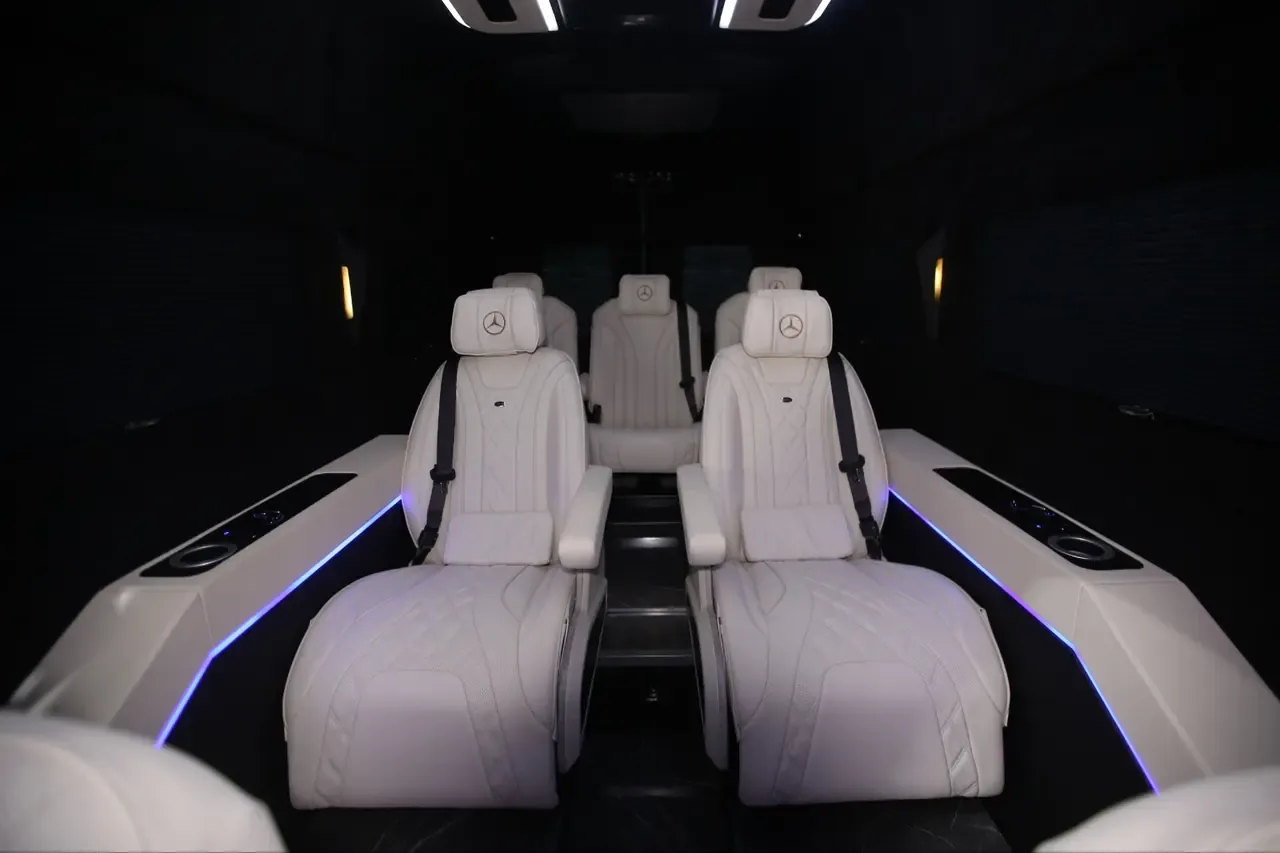
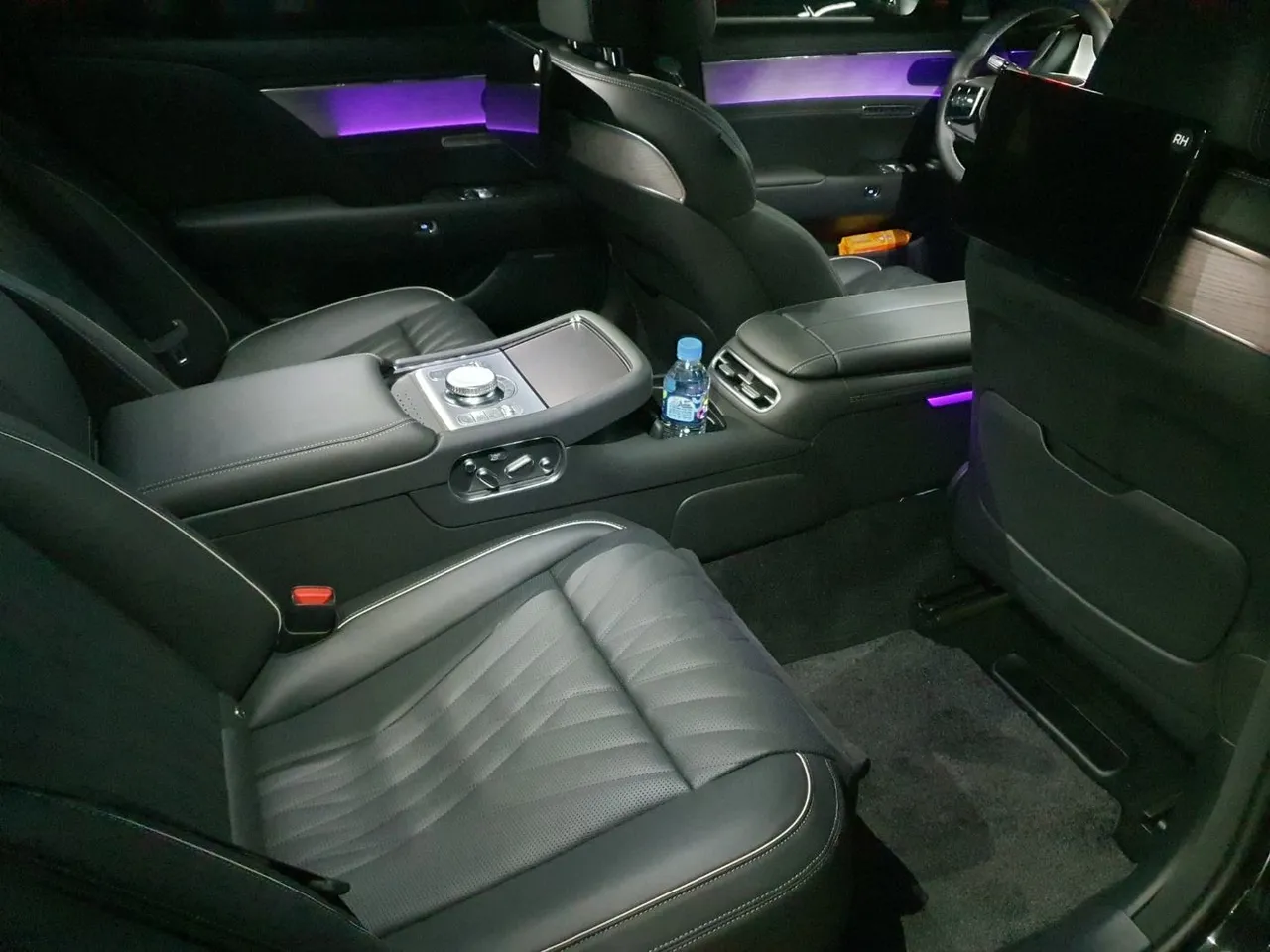
Grand’s published vehicle totals include front seats. A Genesis G90 has four total seats in a 2+2 layout; Toyota Alphard HEV and Kia Carnival Hi-Limousine each have six total in 2+2+2. The Mercedes-Benz Sprinter Limousine · 9 has front 2 plus rear 7. None of these figures establishes a guest-and-luggage combination. Specify whether guests must all sit in the rear and whether a host or interpreter also needs a position.
The table identifies what to check by vehicle family; it deliberately leaves suitcase capacity for the actual assignment.
| Vehicle family | Useful assessment | Do not infer |
|---|---|---|
| SEDAN: Genesis G90 | Rear seating and boot opening | Four guest places with cases |
| SUV: Toyota Alphard HEV | 2+2+2 layout and loading space | Six guests plus full luggage |
| VAN: Sprinter Limousine · 9 | Front 2, rear 7 and cargo layout | Nine rear passenger places |
| VAN: Sprinter Limousine · 15 | Front 2, rear 13 and full load | Unlimited group equipment |
Protect the passenger space
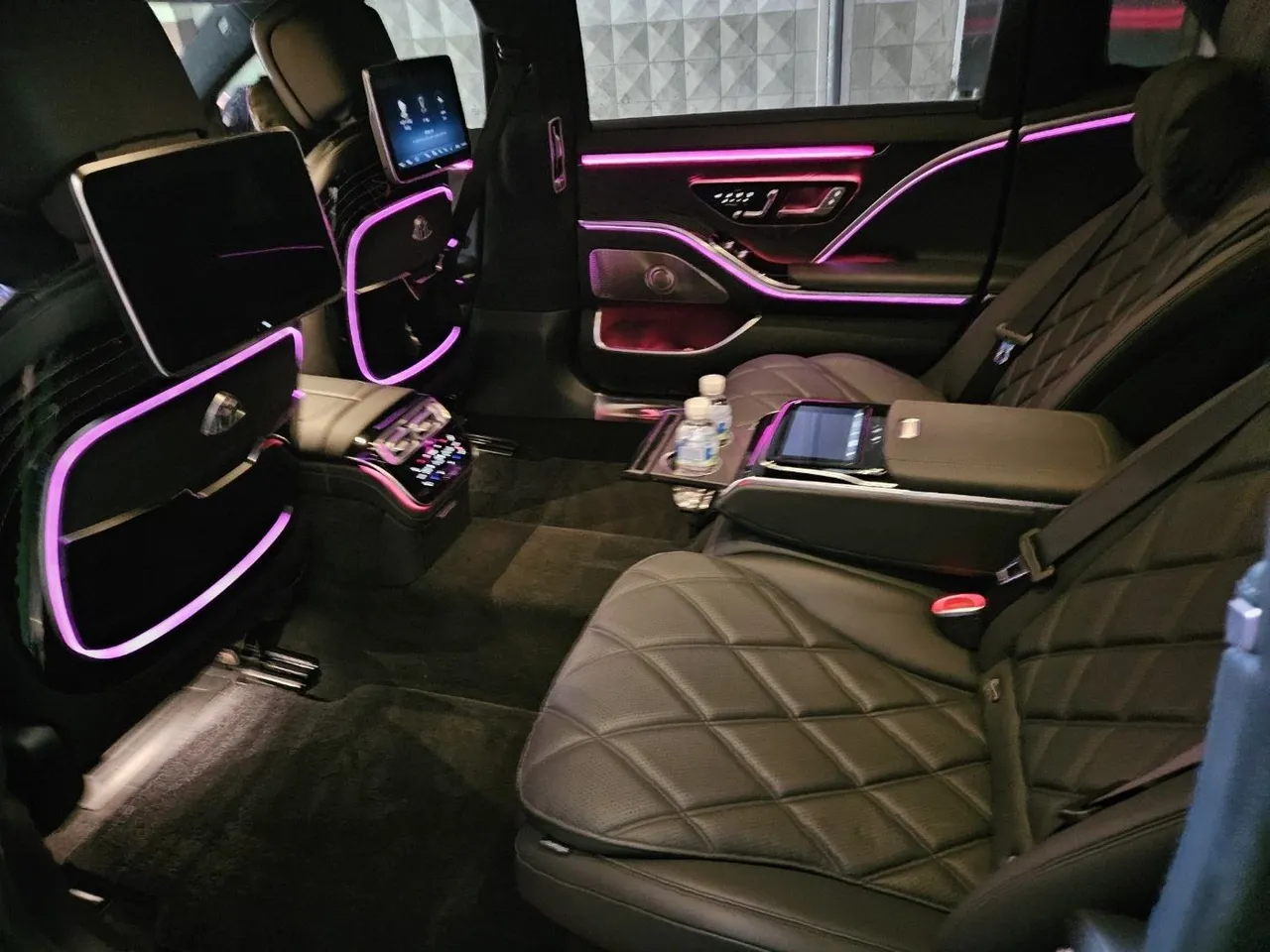
The proposed load must leave usable seats, belts, aisles and exits. Do not plan to hold large cases on laps or put loose equipment where it can move into passenger space. Ask where long items and fragile cases will be secured and whether the remaining luggage fits without obstructing access. An empty-vehicle photograph may hide the compromises created by a full passenger group, so review the intended occupied layout.
Grand’s group-transport account emphasises luggage flow across arrival and departure. Apply that same discipline to every loading point on your itinerary.
Compare a larger vehicle with a deliberate split
Two vehicles can solve different destinations, uneven luggage or a need to separate guests from a working team. The split still needs a passenger-and-bag manifest: each person should know which car holds their belongings. One larger vehicle may simplify group communication but must be suitable for the destination’s loading and access conditions. Obtain both proposals when the inventory is close to the practical limit rather than waiting for a boarding problem.
A separate equipment movement, if independently arranged and agreed, also needs its own delivery contact and arrival window.
Set a deadline for reporting new luggage
Ask when the operator needs the final inventory and how changes affect vehicle availability and price. If the airline returns a delayed bag later, treat that as a separate operational request rather than assuming the original chauffeur will collect it. Recheck the count before leaving a hotel or event venue, including items stored by a host. At final drop-off, reconcile the same inventory before the vehicle is released.
A strong booking message contains passenger positions, case counts and dimensions, unusual handling needs, all destinations and expected additional items.
Frequently asked questions
Can you give a universal suitcase capacity for a Sprinter?
No. Layout, suitcase dimensions and occupied seats change the usable space. Request assessment for the assigned vehicle and your complete inventory.
Do cabin bags and strollers need to be listed?
Yes. Small bags accumulate, while folded strollers can have awkward dimensions. Include everything that must travel, including equipment and shopping expected later.
Should guests carry bags on their laps if space is tight?
Do not use that as the loading plan. Ask the operator for an appropriate vehicle or a revised vehicle split that keeps passenger areas and access routes clear.
What if our luggage changes after booking?
Notify the coordinator with the revised count and dimensions as soon as possible. A different vehicle or additional movement may be needed, subject to availability and an updated quote.