On this page
Vehicle preparation is most useful when it translates an executive’s needs into details the assigned team can check. Instead of relying on a broad VIP label, review who travels, how they board, what the cabin must support and where each handoff occurs. A short readiness review prevents avoidable surprises at pickup.
Prepare a functional passenger brief
Start with the people who need to travel together: principal, host, interpreter and assistant. Ask about preferred seating, walking distance and boarding needs privately and with the guest’s consent. A formal title alone does not determine the most suitable vehicle. Comfort and a practical entry route can matter more than assumptions about prestige.
Keep the brief focused on transport. Record an agreed boarding preference rather than medical history, and identify the assistant who can answer questions. If a mobility device is involved, provide its dimensions and loading needs; do not infer lift or ramp capability from vehicle size.
Review the exact layout instead of a category name
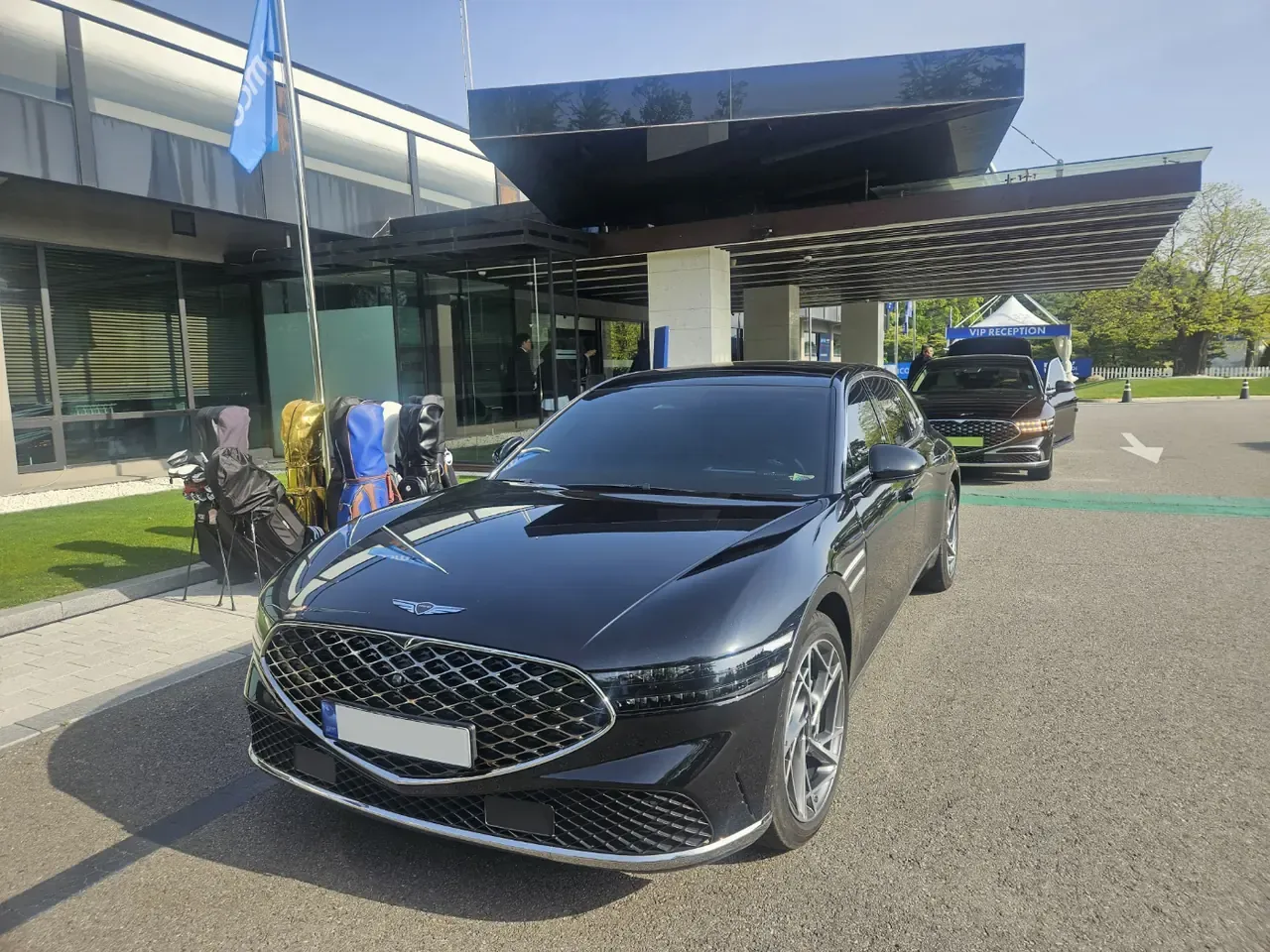
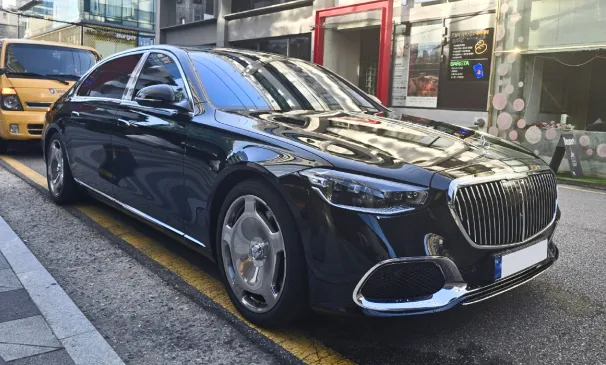
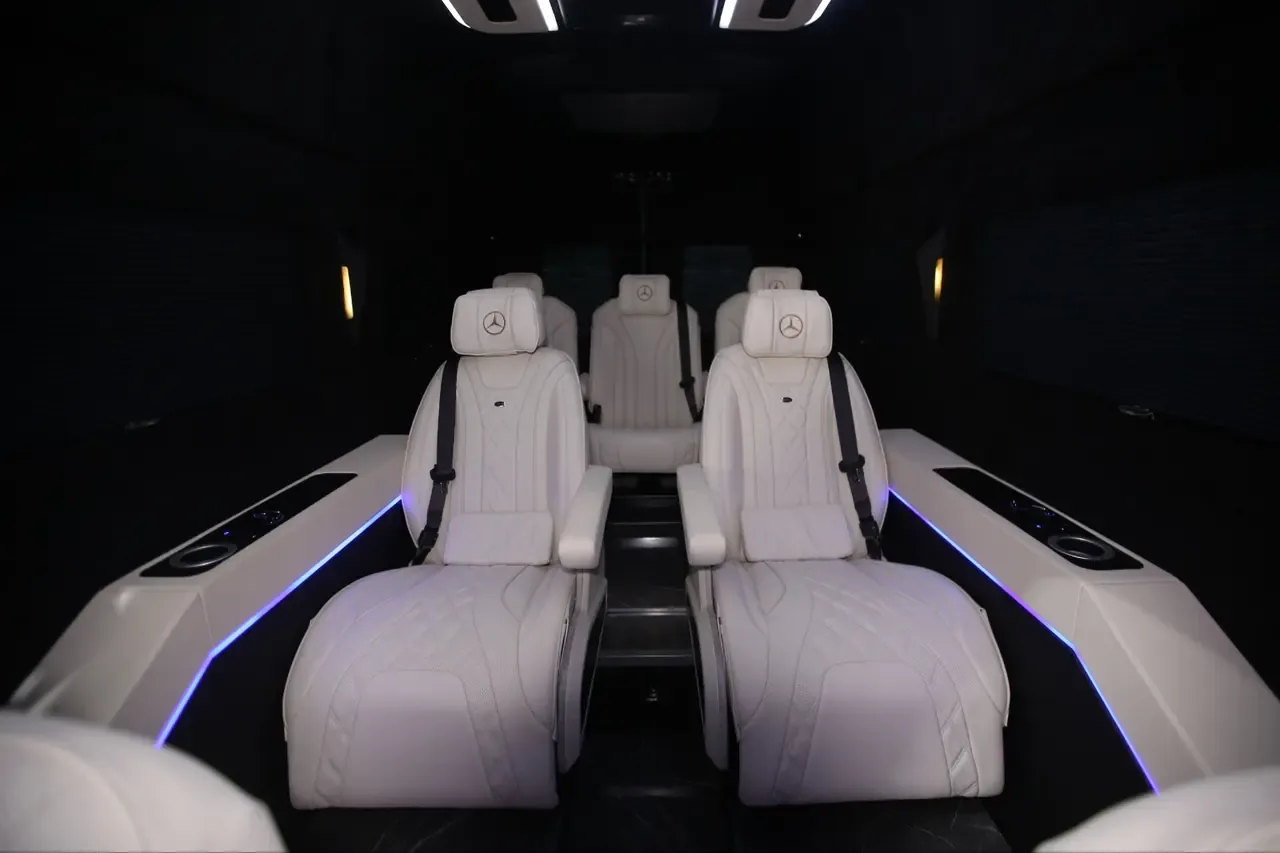
Ask for the proposed model and seating arrangement. The Genesis G90 (Full Change) and Mercedes-Benz Maybach are listed as four-seat total sedans with a two-front, two-rear arrangement. The Mercedes-Benz Sprinter Limousine · 9 is a passenger van with two front and seven rear seats. Counts include the front row and are not luggage-inclusive guest capacities.
Check which seats are available for your passengers, where bags go and whether the interpreter can communicate comfortably. If a support team uses another vehicle, assign the documents and equipment deliberately so essential items remain with the person who needs them.
| Requirement | Evidence to request | Planning response |
|---|---|---|
| Principal and interpreter together | Actual seat layout | Choose a workable conversation arrangement |
| Large cases or presentation items | Load description reviewed by operator | Adjust vehicle or split support load |
| Limited walking tolerance | Entrance and stopping point | Coordinate a suitable approach |
| Requested cabin equipment | Assignment-specific confirmation | Bring a suitable alternative if needed |
Separate required cabin functions from preferences
List the essential functions first: a quiet ride, an accessible charging connection or space for a brief discussion. Then note preferences such as temperature, conversation level and customer-arranged water. Confirm equipment on the assigned vehicle. A fleet photograph does not establish that a particular screen, power connection or privacy feature is available on every unit.
Grand’s Gyeonggi seminar operation used two Sprinters with an English-speaking chauffeur team, a calm cabin and planned boarding order. It illustrates a coordinated setup for that service, rather than a universal inventory of equipment or language capability.
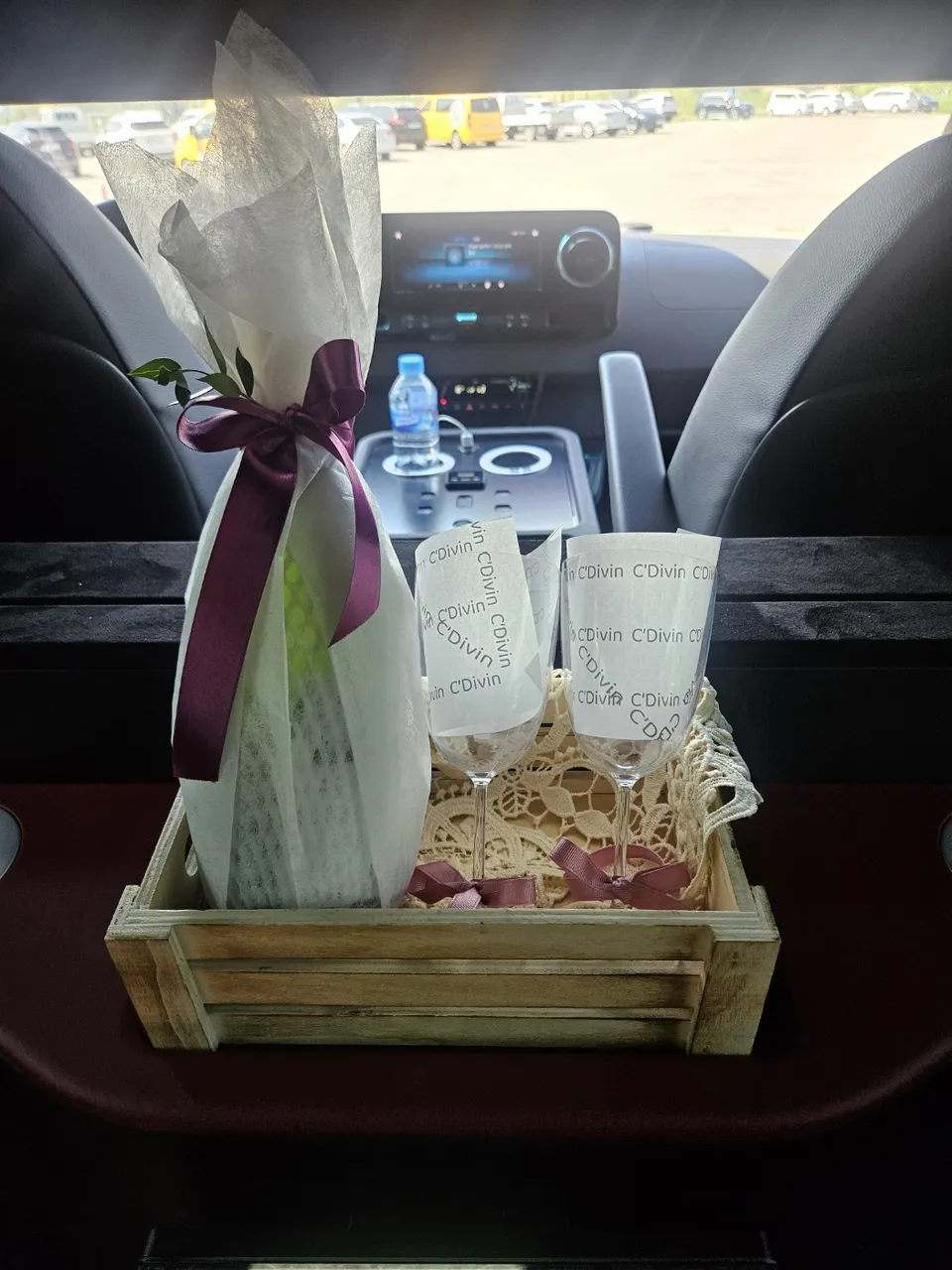
Inspect the handoff from vehicle to building
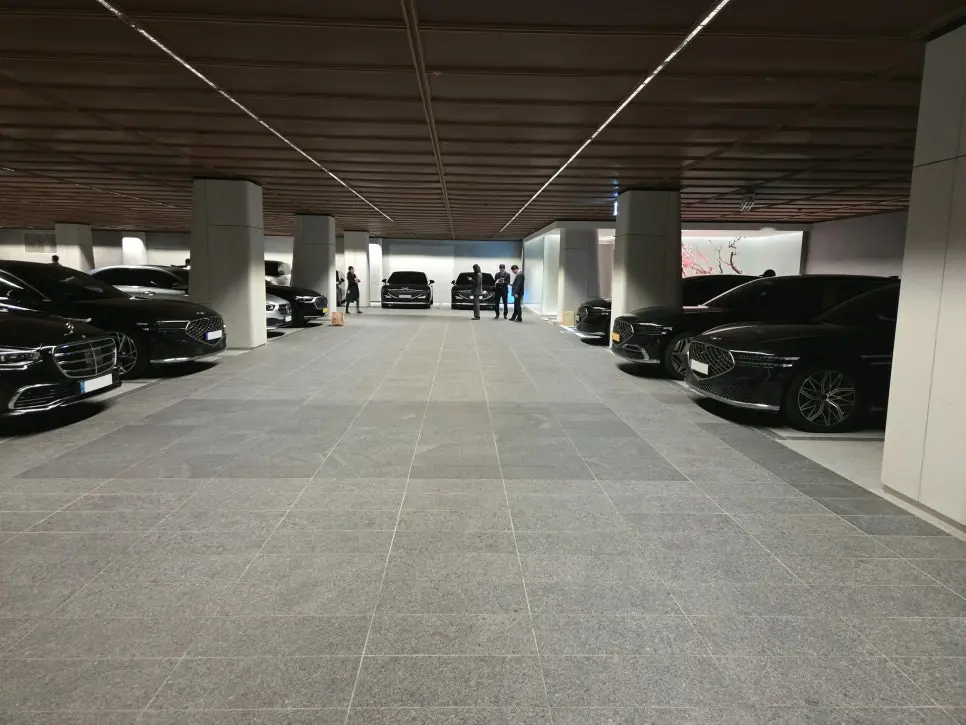
Ask the host for the permitted drop-off point and the person receiving the guest. Check underground height limits, turning space and whether the vehicle can remain nearby. Keep an approved alternative if the preferred entrance is occupied. Smooth protocol depends on the venue’s actual rules, not an assumption that VIP transport can stop anywhere.
For an airport arrival, confirm the public meeting location and onward boarding instructions in advance. Restricted airport access, priority processing and private aviation procedures require the relevant authority or handling provider; a road vehicle booking does not grant those permissions.
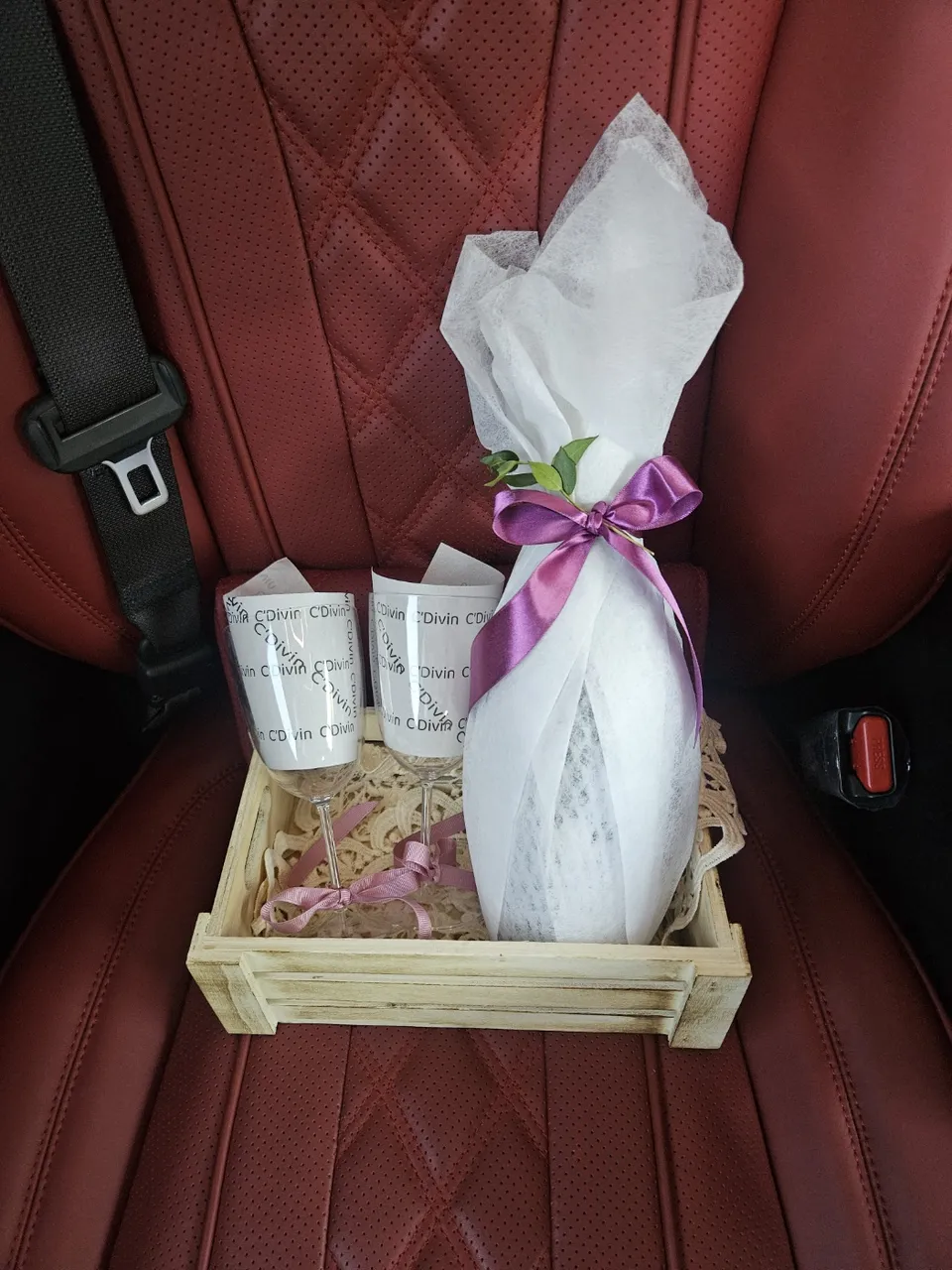
Make the final review a short exchange
Send the proposed vehicle, passenger arrangement, bag count, required language support and first meeting point to the responsible assistant. Ask for corrections before the service begins. Obtain the confirmed contact method and agree how the team will communicate if an arrival or meeting changes. Keep the passenger-facing version concise and easy to save.
Request a custom quote with the route, service period, waiting, extension and substitution terms. Operator and organizer should share the same practical plan.
- Confirm the assigned model and usable seating.
- Review bags, boarding needs and required equipment.
- Check the venue entrance and nearby waiting arrangement.
- Share a short arrival message and change contact.
Frequently asked questions
Should a CEO always use a sedan?
Choose around the guest’s preference, companions, boarding needs and luggage. A sedan may suit one trip; a passenger van may better support another itinerary.
Does a large passenger van guarantee wheelchair access?
No. Confirm the specific vehicle’s boarding arrangement and any lift or ramp capability before booking. Size alone is not evidence of accessible equipment.
Can we require a particular chauffeur language?
Include the required language in the booking brief and obtain assignment confirmation. Do not assume language capability from the vehicle category.
When should cabin preferences be sent?
Send them with the first request, distinguishing essential functions from preferences. Recheck the final assignment so any unavailable feature can be addressed before pickup.