
On this page
Traffic planning is more useful when it starts with the appointment’s true arrival requirement than with a universal list of rush-hour times. In Seoul, the hotel entrance, river crossing, building access and weather can all change a journey. Ask for a date-specific assessment and protect the most important commitment with separate allowances at each handover.
Find the real arrival requirement
For a meeting, ask when the guest must be through reception, security and any briefing. For a flight, use the airline’s current reporting and check-in requirements for that passenger and route. The time on a calendar invitation or departure board is not the point at which the car should reach the entrance. Write the required ready-inside time into the transport brief, then work backward from it.
Grand’s long-distance guidance treats the return and airport departure as parts of the complete schedule. The same approach helps prevent an optimistic city segment from undermining the final commitment.
Break the buffer into visible parts
A single generous-looking driving estimate can still omit the slowest parts of a journey. Include leaving the hotel room, gathering a group, loading, the road leg, the walk from the vehicle and building entry. For several passengers, assign someone to report readiness before the driver is brought to the entrance. This makes a delay easier to identify and gives the coordinator a useful decision while alternatives remain possible.
The table is a planning method, not a fixed number of extra minutes. Each component should match the actual date, location and passenger needs.
| Component | Often missed detail | Who supplies it |
|---|---|---|
| Guest preparation | Checkout, lifts and group assembly | Traveler or hotel coordinator |
| Vehicle handover | Bag loading and boarding | Transport brief |
| Road movement | Crossings, weather and event closures | Date-specific route assessment |
| Destination entry | Walk, reception and security | Venue or airline instructions |
| Disruption margin | Decision if the schedule slips | Named trip coordinator |
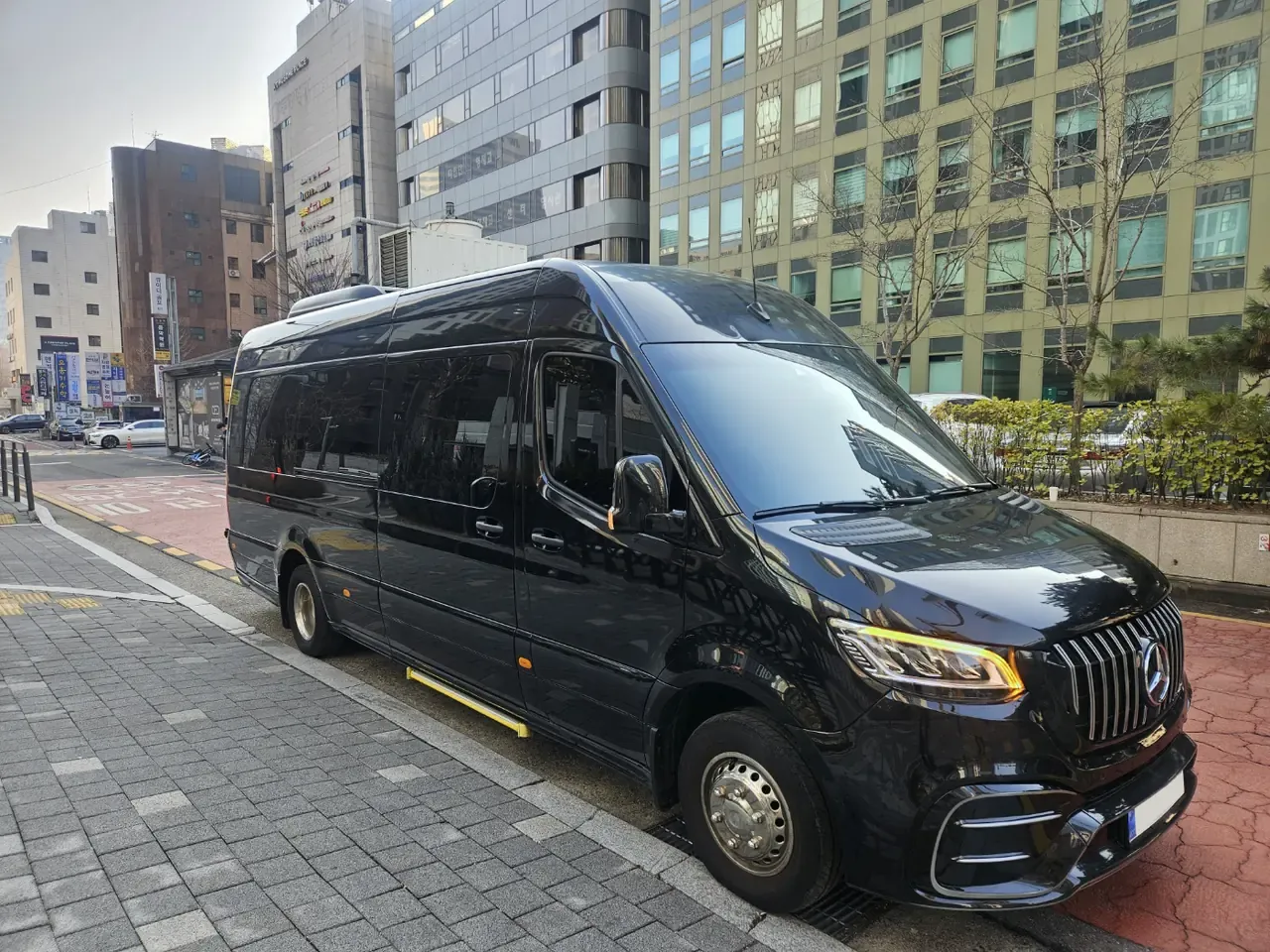
Treat route choice as a live assessment
River roads, major bridges and business-district approaches can all become congested, but a named alternative is not automatically faster on your date. Let the chauffeur assess legal current routes and explain any material effect on arrival. Do not build the booking around an assumed bus-lane entitlement or special traffic privilege. A vehicle’s model or advertised seat total alone does not establish access to a regulated lane.
Provide the actual entrance, not just a district name. A small error at the destination can create another circuit through traffic after the main journey is complete.

Reduce avoidable movement before adding buffer
Group meetings by area where the business agenda permits and avoid repeated river crossings for optional stops. If a fixed appointment is across the city, make the preceding café or shopping stop removable. Keep luggage and documents ready for a clean departure instead of relying on extra road speed. A different meeting order or earlier release from one venue can be more useful than adding a vague cushion to every segment.
Ask the coordinator to notify the next host early when a delay appears. The driver should receive one clear destination decision rather than conflicting instructions from several passengers.
Define what happens when time starts to slip
Name the commitment that takes priority and the optional stop to remove first. Keep the host and airline contacts accessible to the traveler who owns those decisions. A transport operator can revise a legal route or assess a changed collection, but cannot guarantee that congestion disappears or that a missed check-in will be waived. Agree how the group is notified if the plan changes while passengers are in separate meetings.
Request custom terms for waiting, route changes, additional stops and overtime. Keep a realistic final arrival target visible throughout the day rather than only at the airport departure.
Frequently asked questions
What is the safest universal airport departure time?
There is no single time for every flight and hotel. Use the airline’s reporting requirement, actual departure point, bags and a date-specific road assessment.
Can a limousine bypass congestion?
No vehicle can promise that. Current legal route choices may help, but realistic departure planning and removing optional stops remain essential.
Are published rush-hour windows reliable enough?
They provide context, not a journey guarantee. Weather, events, road works and the exact approach can change conditions outside a typical commuting window.
Can all high-seat-count vans use bus lanes?
Do not assume eligibility from a model name or seat total. The assigned vehicle and current applicable road rules must govern the driver’s legal route.