On this page
A corporate visit may coincide with a relocation, refurbishment or facility inspection. Guest transport still needs a clear arrival path, even while contractors and delivery vehicles use the same site. Coordinate with the local facilities manager so visiting executives reach the right reception point without treating the chauffeur booking as a technical site-management service.
Identify the person who controls access
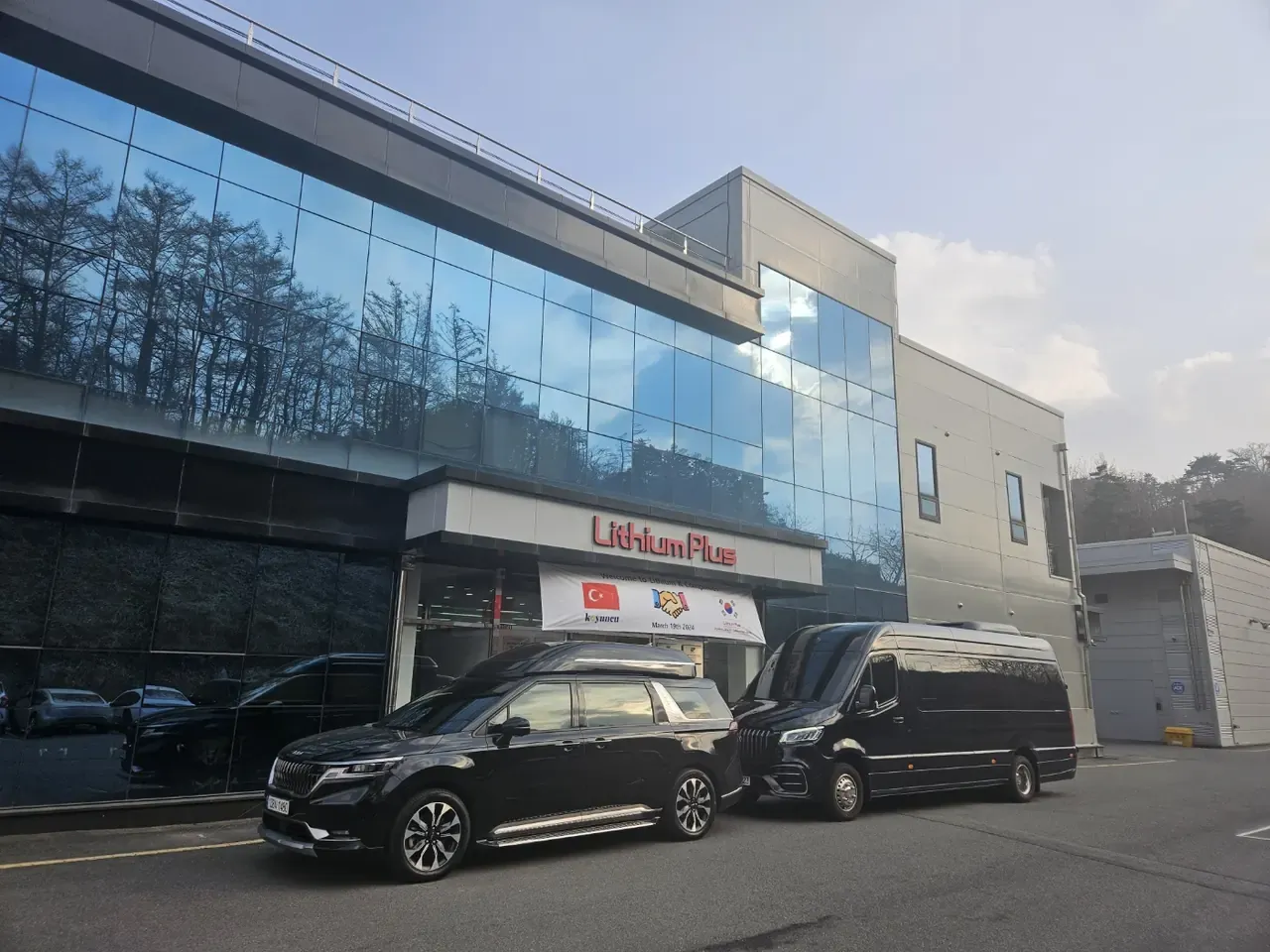
The corporate meeting host may not manage the building gate or temporary work areas. Ask for the facilities or security contact responsible for visitors on the actual date. Confirm whether the arrival entrance has moved, whether the vehicle must register in advance, and where guests report before entering. Grand’s institutional-visit case in Daejeon describes confirming entry routes and stopping areas, a useful example of adapting each movement to the receiving institution.
Share only the visitor and vehicle details the site requests through its approved process; keep an updated copy with the visit coordinator.
Keep technical responsibilities with specialists
If the visit involves demolition, waste handling, laboratory operations or a building handover, the company should engage its own qualified technical advisers and contractors. Chauffeured mobility and on-site guidance do not replace environmental compliance, site supervision or specialist safety decisions. Transport planning can use the site manager’s instructions to choose an approved arrival route and waiting area. It should not promise the condition, legal compliance or readiness of the facility being visited.
| Task | Responsible party | Transport input |
|---|---|---|
| Visitor authorization | Host institution or security | Required details and arrival time |
| Safe guest route | Facilities manager | Approved entrance and handover point |
| Technical inspection or waste work | Customer’s qualified specialists | Timing constraints only |
| Vehicle movement | Transport team following site rules | Vehicle details, load and waiting request |
Separate people from work traffic
Ask where contractor vehicles load and whether visitor arrivals should avoid a particular window. Identify a permitted place for guests to wait if an entrance is temporarily unavailable. Do not assume a high-roof vehicle can enter a garage or service gate; the assigned dimensions and site clearance must match. If guests must walk from an approved drop-off, explain the actual distance and surface conditions so the host can address any access needs.
Brief the delegation on practical requirements
Send the host’s instructions about identification, clothing, protective equipment, photography and restricted areas before departure. Any protective equipment or technical escort should come from the responsible site arrangements, not an assumed chauffeur amenity. Keep sensitive project files out of a public passenger manifest. For several sites, use a separate entry line for each location because permission at one facility does not establish access to another building.
- Obtain the current visitor entrance and gate contact.
- Check vehicle registration and size restrictions.
- Share the host’s visitor instructions with every delegate.
- Keep contractor and guest pickup arrangements separate.
Prepare for an entrance that changes
An inspection can finish late or a work area can temporarily block an entrance. Designate one local contact who can approve an alternative guest route and tell the transport lead. If the host cannot receive the group safely, pause at a legal agreed location while the customer resolves access. Request a custom quote covering the expected site sequence, waiting and possible extra legs, then record any approved changes for the final service review.
Frequently asked questions
Can the chauffeur assess a renovation site’s safety?
No. The facilities manager and qualified site specialists must decide access and technical safety; transport follows their approved instructions.
Can Grand arrange waste disposal for an office move?
Waste handling is outside the confirmed transport scope. Use the customer’s independent qualified contractor.
What if the usual lobby is closed?
Obtain a current approved entrance and receiver from the facility before the vehicle approaches.
Can visitors take equipment into a laboratory?
Ask the institution. Provide any approved equipment dimensions to the transport planner, but site permissions remain with the host.