On this page
Many Korean business arrivals end at an industrial campus or technology district rather than a Seoul hotel. A destination name alone is not enough for that transfer. The useful brief identifies the building, authorized gate, receiving person and what happens to luggage before the first meeting.
Replace the district name with an entrance
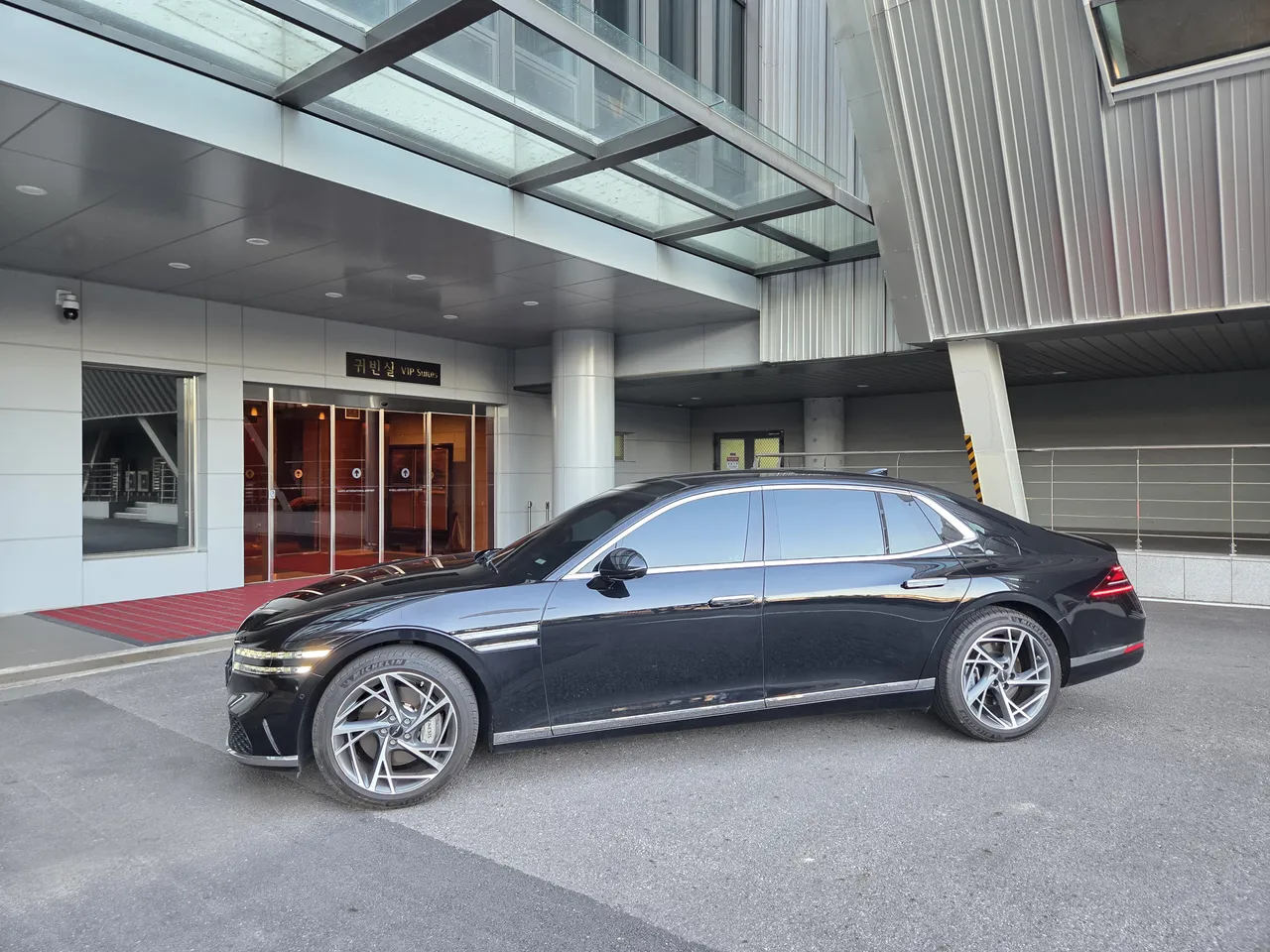
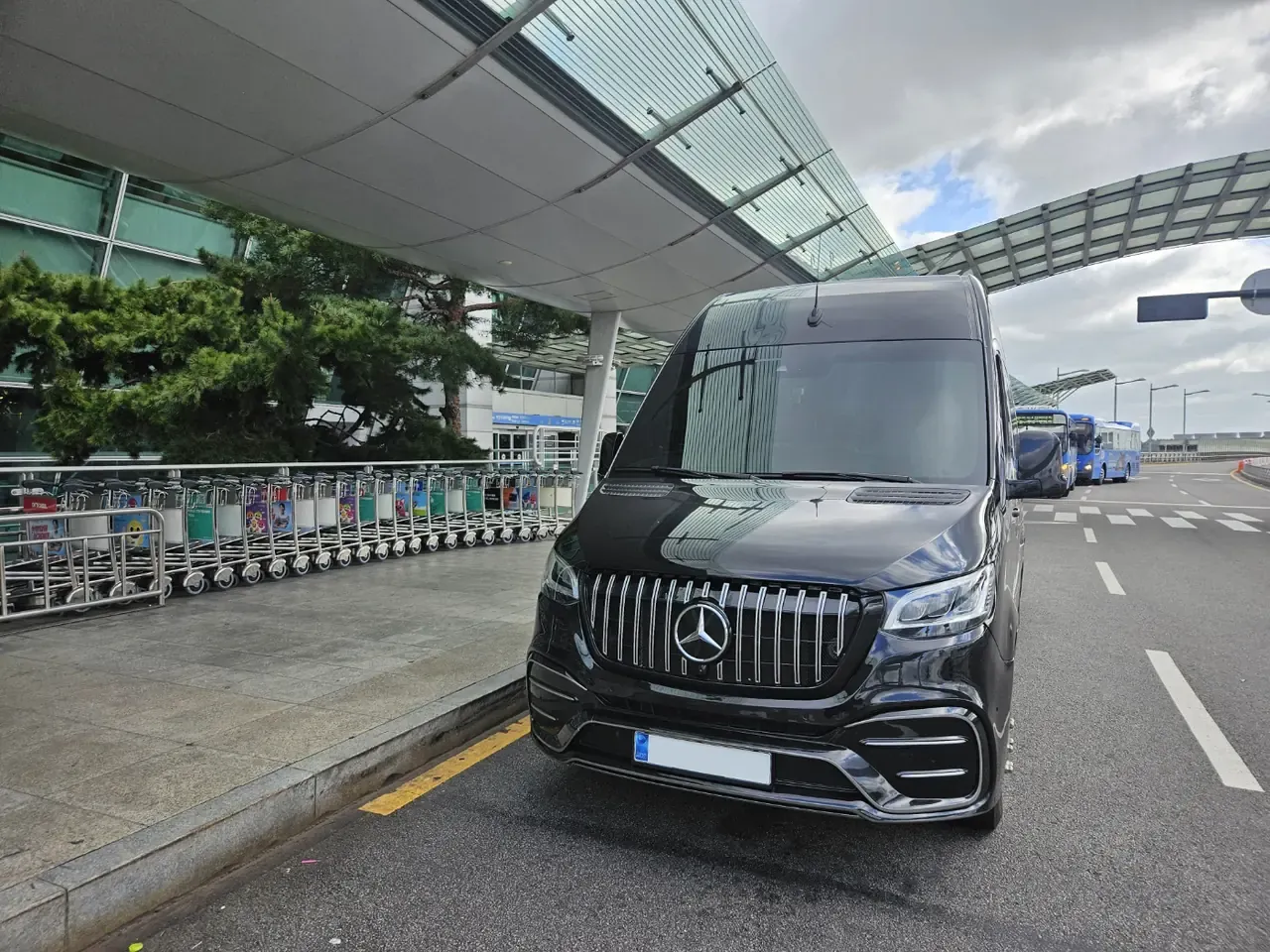
Ask the host for the Korean street address, building name and vehicle gate. A campus can have separate headquarters, laboratories and production entrances, sometimes far apart. Send an approved map pin for the passenger entrance rather than the center of the property. For a hotel, distinguish the lobby canopy from a coach or service access point. This avoids a final detour after a long airport journey.
Share the host’s contact with the transport coordinator and give the visitor a simple destination record they can show offline.
Compare the handover requirements
Songdo, Pangyo, Suwon and Pyeongtaek are broad destinations with different final approaches. Do not use a district-level drive estimate as a promise for every address. Consider the time of day, the exact site and any return journey when requesting a route assessment. A nearby district can still involve a slow access road or reception process. Plan the meeting from the completed handover, not from the estimated moment the car enters the area.
Grand’s Seoul–Osan–Suwon R&D account illustrates entrance preparation and regional coordination; it does not establish admission to your host’s facility.
| Destination type | Ask the host | Transport consequence |
|---|---|---|
| Songdo hotel or convention venue | Which passenger entrance and reception desk? | Correct final approach |
| Pangyo office campus | Which building and visitor lobby? | Avoid a campus-wide search |
| Suwon or Pyeongtaek site | Which gate, clearance and receiving hours? | Allow a separate admission margin |
Separate landing from meeting readiness
Airport processing, baggage problems and road conditions can all shift the arrival. For an essential same-day meeting, ask the host what late admission is possible and who can adjust the agenda. Consider a hotel stop if changing or storing luggage is important, but check room availability separately. A direct transfer is useful only when the receiving site can accept the guest and their belongings at the likely time.
Avoid placing a non-refundable appointment immediately after a forecast drive whose starting time depends on international arrival procedures.
Give security its own preparation stream
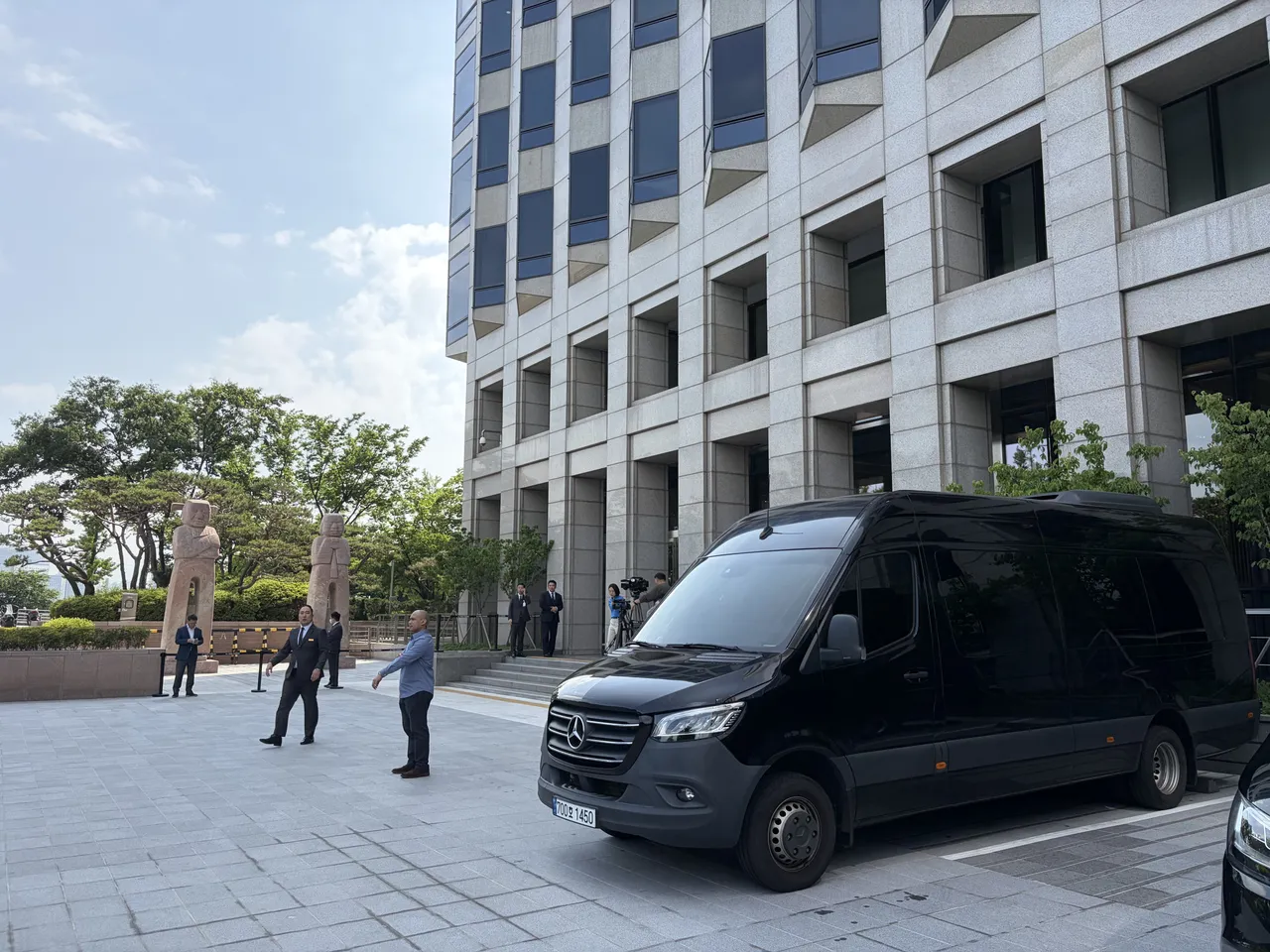
Have the host state what visitor details are required, how they should be submitted and when registration closes. Send sensitive identity material directly through the host’s approved process rather than embedding it in a broadly shared driver itinerary. Confirm whether the vehicle and chauffeur can enter or must stop outside. If internal transport or an escort is needed beyond the gate, the host should own that handover.
The chauffeur needs operational instructions and a receiver, not unrestricted copies of the visitor’s documents or assumptions about security clearance.
Plan the next movement at the same time
Decide whether the vehicle finishes at the site, waits under an agreed booking or returns later for a separate pickup. Give the end-of-meeting contact a method to call the vehicle forward from permitted parking. Request a quote based on the complete route, actual passenger list and luggage, with tolls, parking, waiting arrangements and overtime specified. Confirm language assignment and acceptable vehicle substitutions before travel.
For several facilities, issue one revised itinerary with each gate and receiver instead of adding informal addresses throughout the day.
Frequently asked questions
Can we go directly from Incheon to a factory?
Yes, as a transport plan, if the host accepts visitors at that time and the actual entrance, admission and luggage arrangements are settled.
Is a city name enough for the booking?
No. Supply the Korean address, building, authorized gate and receiving contact, especially for large campuses or industrial sites.
Does Grand arrange security clearance?
The receiving organization controls admission. Have it handle registration and internal access while Grand coordinates the agreed ground movement.
Should we book a return pickup separately?
Compare a separate return with an agreed waiting booking. Meeting uncertainty, parking and the total duty period affect which arrangement works best.