On this page
A clinic visit requires a clearer handover than an ordinary shopping stop. The clinic decides whether and how the guest may travel; the transport operator plans the road journey around those instructions. Keep medical care, interpretation and clinical advice with qualified independent providers, while making the vehicle timing and hotel arrival straightforward.
Keep the clinical decision with the clinic
Ask the treating provider whether an ordinary passenger vehicle is appropriate and whether a responsible companion or specialist transport is required. Communicate functional travel needs rather than asking a chauffeur to judge a medical condition. If the provider says ordinary transport is unsuitable, arrange the appropriate service through that provider. A premium cabin, reclining seat or quiet driver does not establish medical capability or replace discharge instructions.
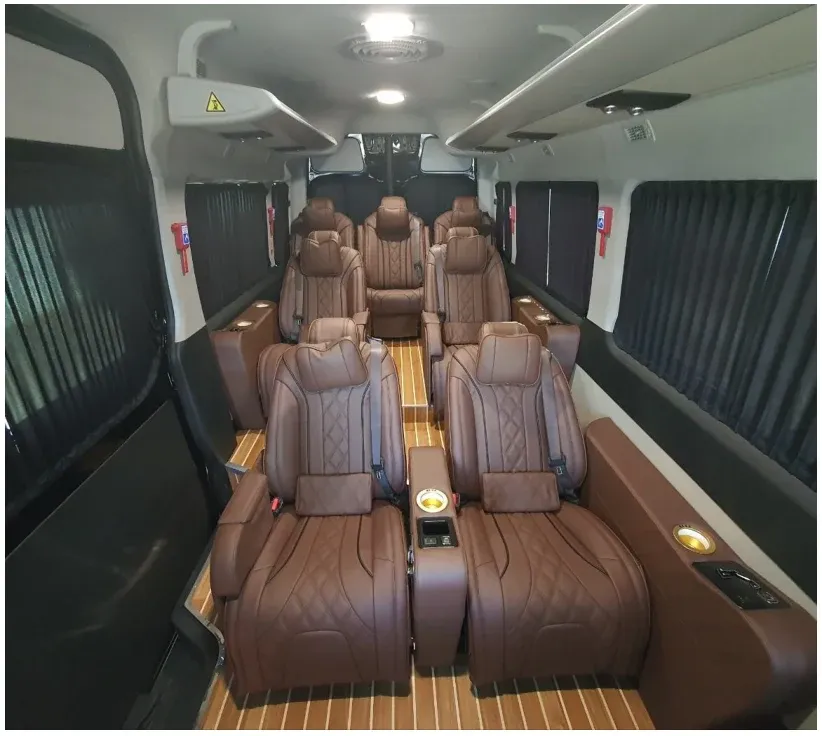
Grand’s K-Beauty article describes privacy and movement between appointments. It is not evidence of nursing, medical transport equipment, treatment coordination or clinical interpretation.

Send a focused transport brief
Provide the appointment date, clinic building address, contact person and usable entrance. Gangnam buildings may contain several clinics, and an underground entrance may have vehicle-height or access limits. Ask the clinic which handover point it authorizes and whether staff or a companion will meet the car. Avoid sending detailed medical records when the operator only needs a boarding requirement and collection instruction.
Get permission before sharing a clinic coordinator’s contact. Choose one person who can confirm readiness and authorize changes without exposing unnecessary personal information.
| Question | Responsible party | Useful output for transport |
|---|---|---|
| Is ordinary car travel appropriate? | Treating clinic | Travel clearance and functional needs |
| When may collection begin? | Clinic and guest companion | Ready message and meeting point |
| Is interpretation needed? | Guest and independent qualified provider | Interpreter attendance and timing |
| Who receives the guest? | Hotel or accommodation contact | Confirmed entrance and companion handover |
Assess boarding rather than cabin appearance
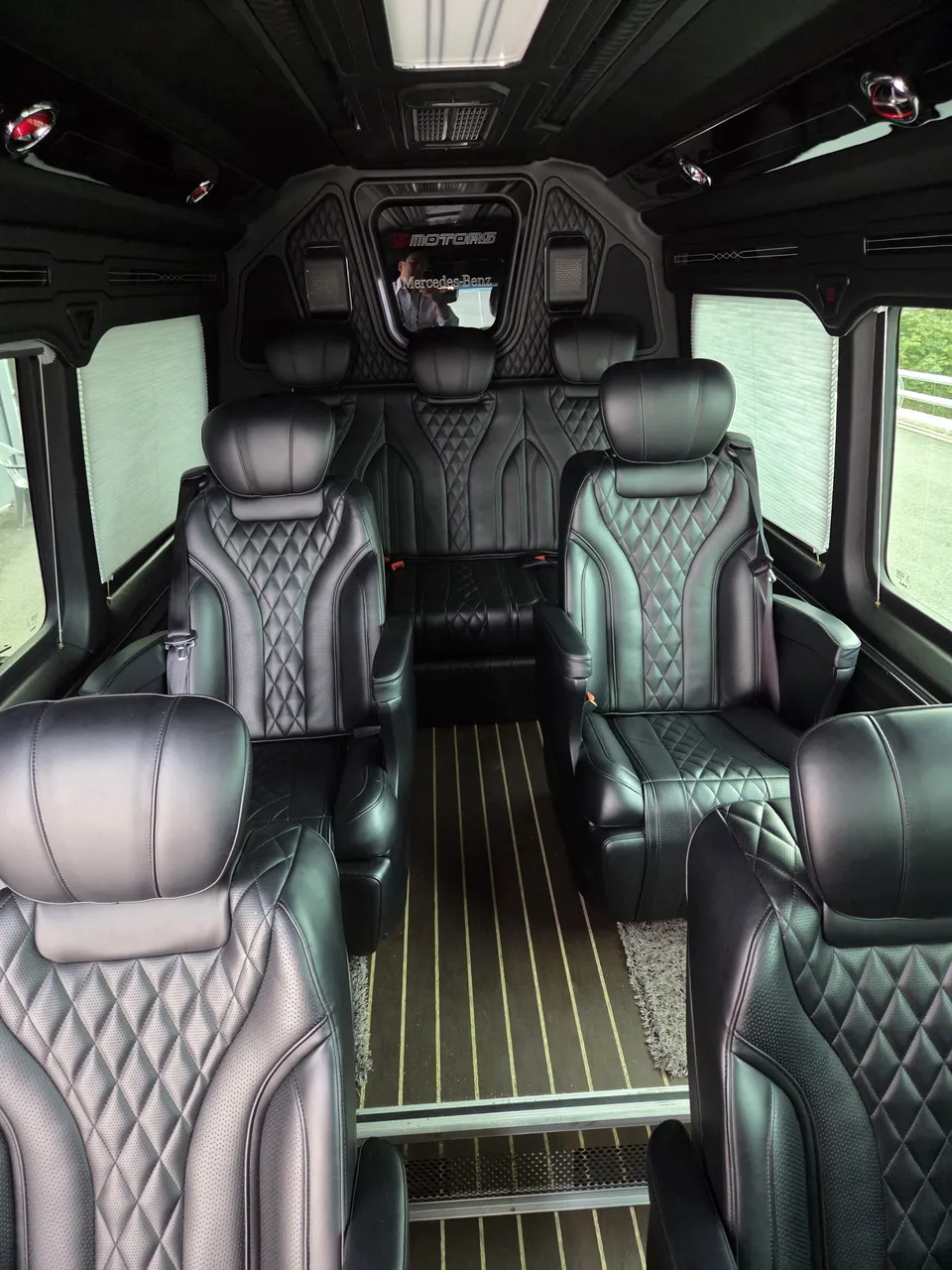
Describe the guest’s actual ability to walk, step up and transfer to a seat, using the clinic’s advice. Ask for the assigned vehicle’s entry information if this affects suitability. A high-roof passenger van is not automatically a wheelchair-accessible vehicle; lift, ramp and securement capability require specific confirmation. Where assistance is needed, name the companion or appropriate professional who will provide it rather than assuming the driver can lift a passenger.
Any wheelchair, walker or other equipment should be described by dimensions and whether it folds. Keep the aisle and exits clear after loading.
Separate appointment end from readiness
The advertised appointment duration may not determine when the guest can leave. Agree a collection procedure based on the clinic’s release decision, with a named contact and an accepted waiting window. If the appointment runs beyond the booking, the operator needs time to assess availability and revised cost. Do not make the chauffeur the person responsible for deciding whether a guest should remain at the clinic.
For repeated visits, build a daily schedule with flexible return decisions. Keep optional shopping or dining subordinate to the provider’s instructions and the guest’s preference.
Make the final handover explicit
Confirm the actual accommodation entrance and who will accompany or receive the guest. If ongoing supervision is needed, arrange it with the responsible independent provider or companion; it is not created by booking a hotel transfer. Share only practical details the driver needs, such as a quieter cabin preference or a shorter approved walking route, and avoid promises that particular lighting or suspension will improve recovery.
Request a written custom quotation for the agreed transfers, waiting, additional collections and cancellation terms. Medical scheduling changes and vehicle booking changes should each follow their own provider’s policy.
Frequently asked questions
Is this an ambulance or medical escort service?
No such service is confirmed. The scope is ordinary chauffeured transport and agreed movement guidance; ask the clinic to arrange specialist transport when required.
Can a chauffeur provide medical interpretation?
Medical interpretation needs an appropriate independent professional. Confirm the person’s attendance with the clinic and include their movements in the vehicle plan if necessary.
Does a large van guarantee wheelchair access?
No. Verify the assigned entry, transfer arrangement and any lift, ramp or securement equipment. Size alone does not establish accessible transport capability.
Can we book recurring clinic transfers?
Request the dates, expected appointment windows and a return readiness procedure. Each day remains subject to availability, suitable assignment and the agreed service terms.