On this page
The same Gyeongju sightseeing wish list can produce very different days depending on where the group starts. A Busan hotel departure, a Seoul road journey and a rail connection have different demands on energy and time. Choose the journey format first, then decide how much heritage visiting belongs inside it.
Make the origin a real planning decision
For a Busan-based party, compare a return vehicle day with continuing onward to a Gyeongju accommodation. For a Seoul-based party, compare the whole road journey with independently booked rail plus local transport. Include hotel checkout, station access, baggage handling and the final return, not just the fastest advertised intercity segment. The best option is the one that leaves the group enough attention for the visits that matter.
Grand’s published regional executive journey treats the outward and return legs as one assignment. That principle is useful when judging whether a long heritage day is comfortable.
Compare complete journey formats
A direct car reduces transfers but does not remove the distance. Rail changes the road mileage while adding station handovers and timetable commitments. An overnight stay can protect an evening visit and avoid an exhausted return, but accommodation must be arranged independently. Discuss which trade-off the group actually accepts before asking the driver to fit every attraction into an unsuitable format.
Use the current address, station and accommodation information in the quotation request. Older route examples should not control the final booking.
| Format | Planning advantage | Main constraint |
|---|---|---|
| Busan road return | One vehicle for hotel and visits | Return traffic and guest energy |
| Seoul road journey | Continuous private land transport | Substantial time inside the vehicle |
| Rail plus local vehicle | Less long-distance road travel | Tickets and station connections |
| Independent overnight stay | Room for evening and slower visits | Accommodation and next-day movement |
Build one coherent heritage focus
Choose whether the day prioritizes central tomb and palace areas or the Bulguksa-side temple landscape. Tell the operator which visits are essential and which can be removed. Opening, admission and internal walking must be checked with the current attraction information; vehicle availability alone cannot make an entire site accessible or keep a gate open. A meal and rest pause should be visible in the plan rather than left to whatever time remains.
Book specialist historical interpretation separately if desired. The confirmed transport scope supports movement and agreed guidance, not an assumed licensed cultural tour package.
Match bags and pace to the chosen format
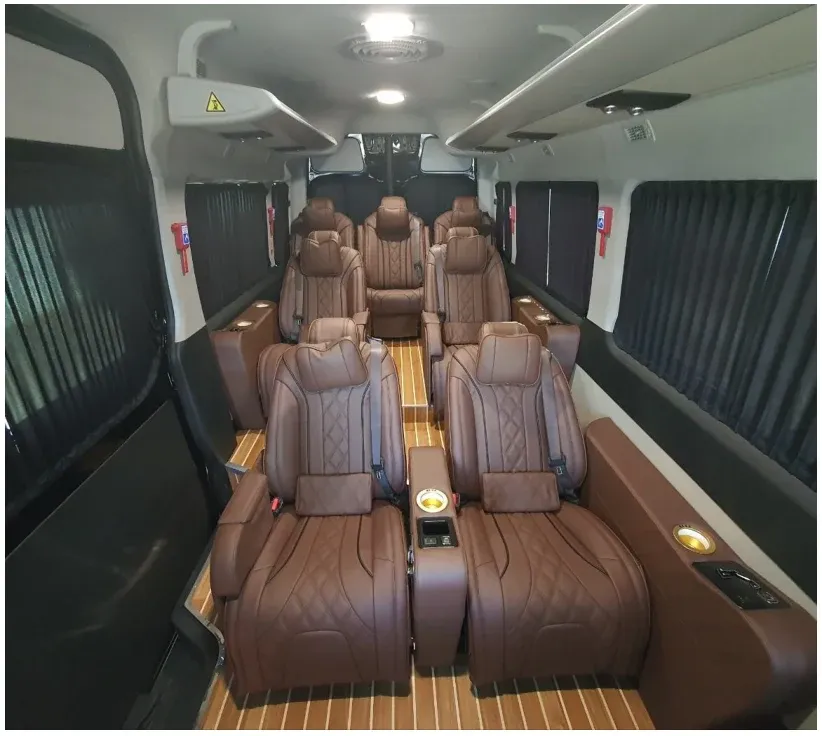
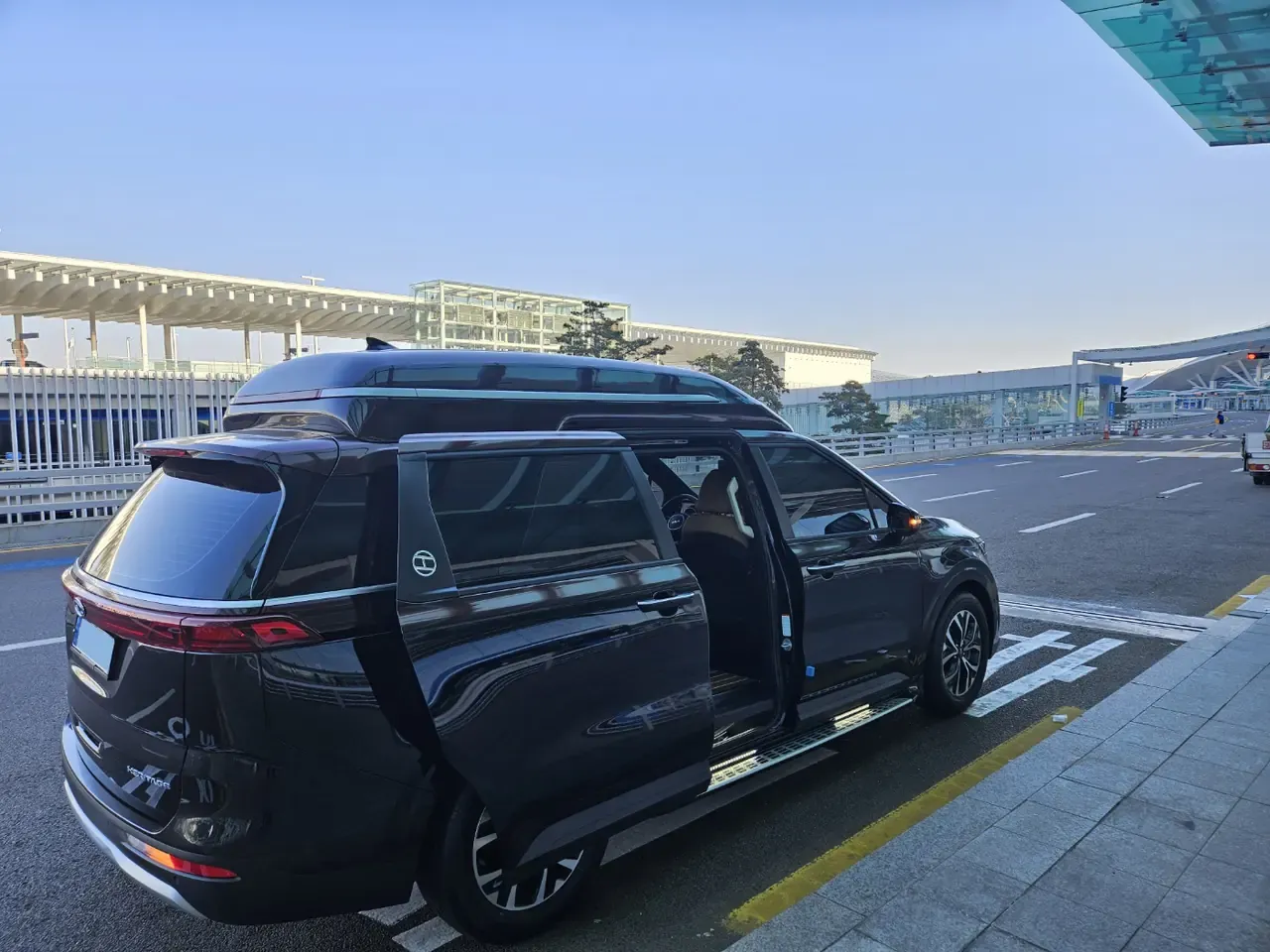
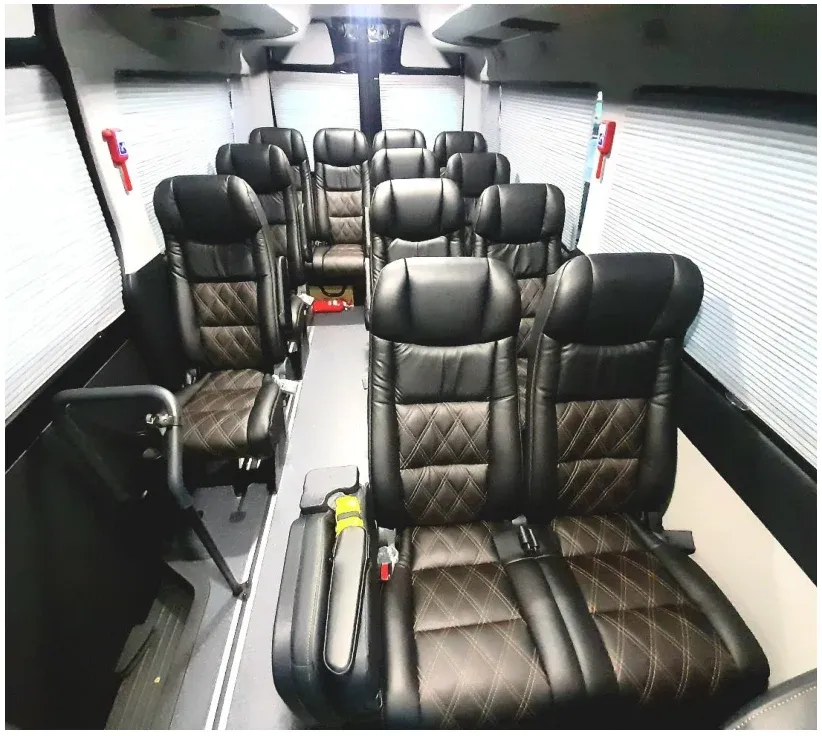
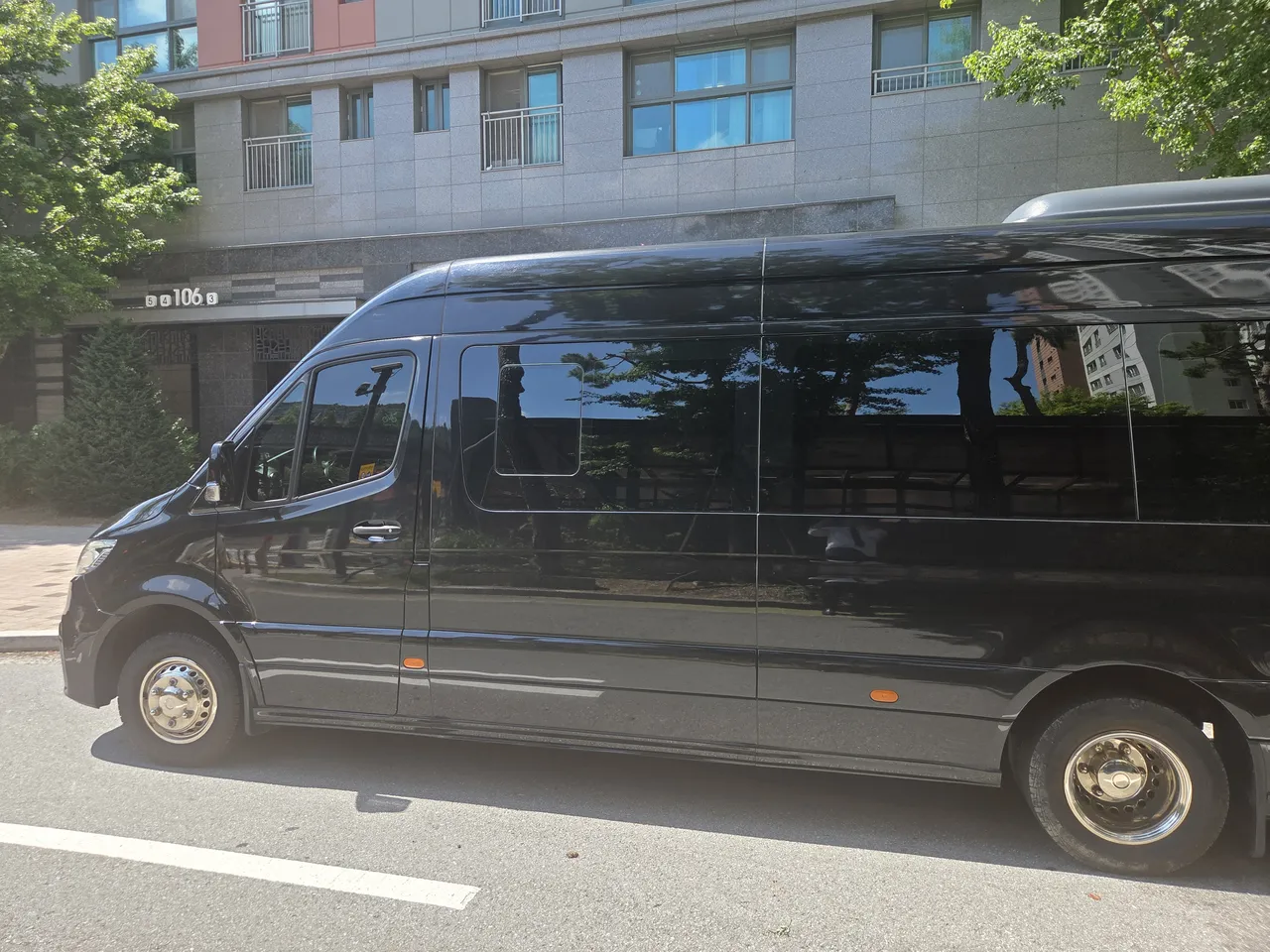
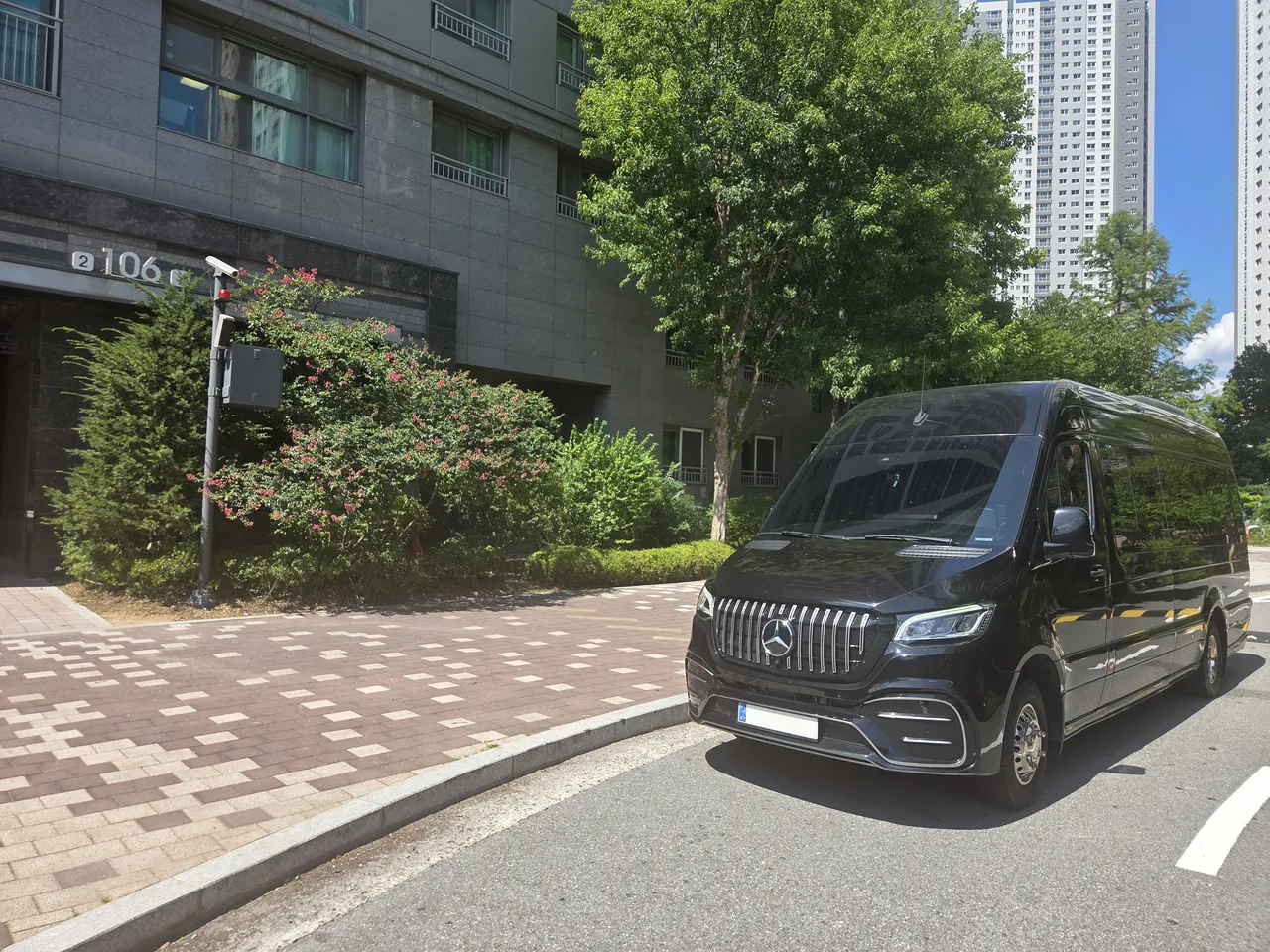
A party travelling onward with overnight cases needs a different loading assessment from guests leaving luggage at a Busan hotel. Provide the complete passenger and case list before requesting a Toyota Alphard HEV or Mercedes-Benz Sprinter Limousine. Check the actual layout rather than treating a nominal seat count as guest capacity. Include walkers, children and anyone who needs a shorter on-site approach in the functional brief.
Plan a rest stop for a long road leg and allow guests to shorten optional walking. The itinerary should still feel worthwhile if one secondary attraction is removed.
Decide what an evening visit changes
If an illuminated palace or pond visit is the priority, place it in the plan from the start. It may change the return window, driver duty arrangement or overnight choice. Do not add it at the end of an already full road day without reviewing those consequences. Set a final collection point and a latest departure decision, then keep the group together through the walk back to the vehicle.
Ask the quotation to identify the operating window, waiting, additional distance, parking and any multi-day expenses. Rail and hotel cancellation terms remain separate from transport terms.
Frequently asked questions
Is a Seoul road day always the best option?
No. Compare the full road day with rail plus local transport or an overnight stay, considering baggage, group energy and the sites that matter most.
How is this different from a KTX day plan?
This decision comes earlier: it compares the overall journey format and origin. A KTX plan then resolves the specific station meeting and return train.
Can the vehicle continue to a Gyeongju hotel?
Include the actual hotel and onward date in the request. The operator can assess the revised assignment; accommodation itself should be booked independently.
Should we add every famous site?
Choose a coherent focus and leave removable options. Travel, meals, internal walking and current opening conditions all use time that a simple attraction list can hide.