On this page
Heavy rain changes more than the driving portion of a transfer. Flight changes, slower baggage handling, wet boarding areas and road restrictions can affect the same journey. A useful plan gives the operator room to respond and tells the traveler when to update the booking, rather than relying on one optimistic arrival estimate.
Check the whole corridor
Look at the forecast and severe-weather alerts for the airport, pickup area and destination, not only central Seoul. Conditions can differ along a regional route. Korea’s rainy periods vary by year, and a seasonal label cannot tell you whether tomorrow’s journey will be disrupted. Recheck official notices before departure and again when the itinerary is updated.
Work backward from airline requirements
For a departure, first obtain the airline’s check-in and baggage deadlines. Then add airport processing, a weather-sensitive road allowance and the time needed to board at the hotel. Remove optional stops before compressing those margins. If the route is restricted, a safe detour or revised departure may be necessary; neither a luxury vehicle nor an early booking guarantees road access.
Make arrival updates explicit
Provide the operating flight number and arrival date, including any overnight date change. Ask who checks flight status and how you should report a delay, diversion or missed connection. Do not assume automatic flight monitoring or unlimited waiting. After landing, send a concise update if immigration or baggage takes longer than expected, and keep the agreed contact channel available.
Reduce exposure at the handover
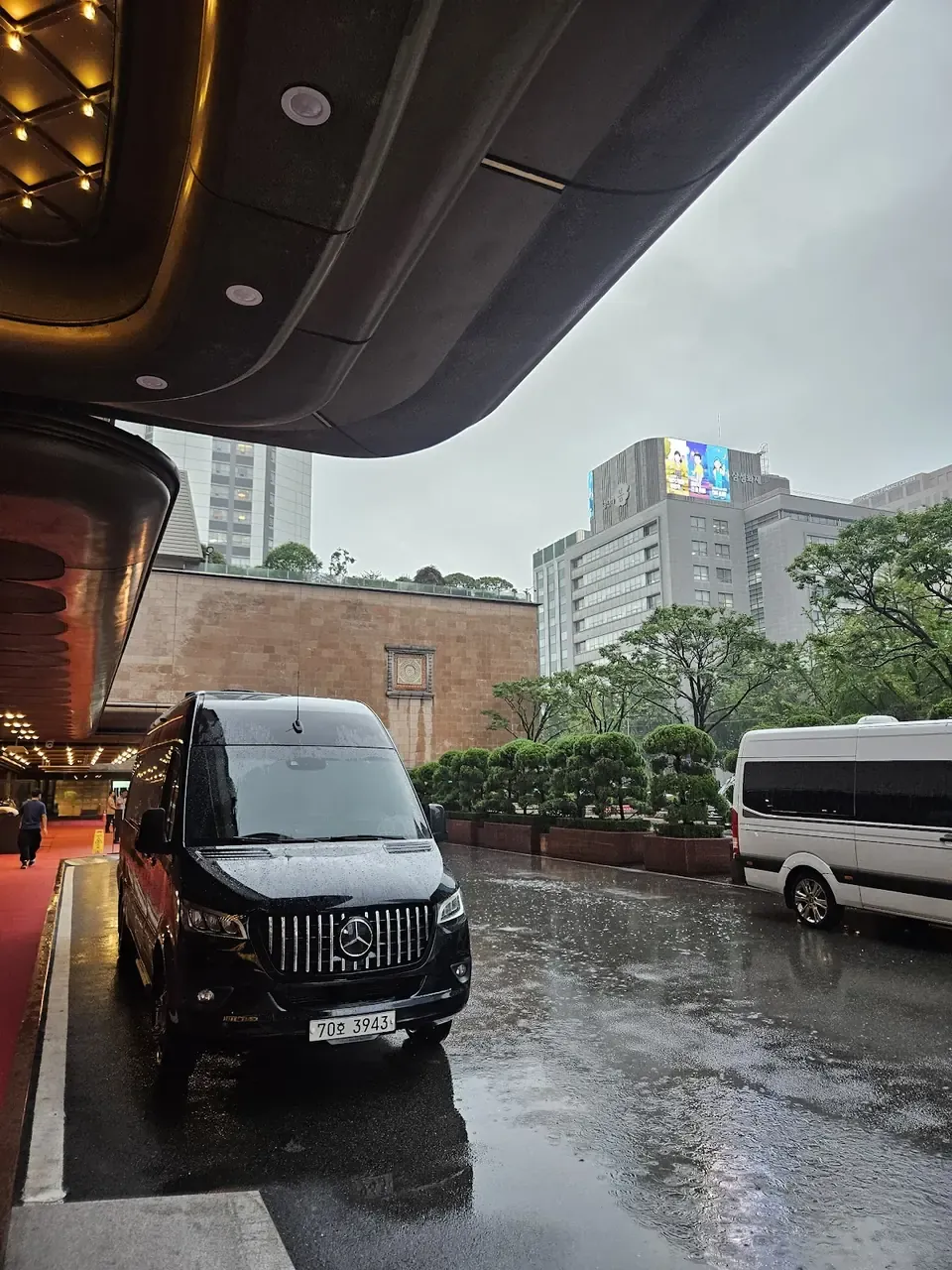
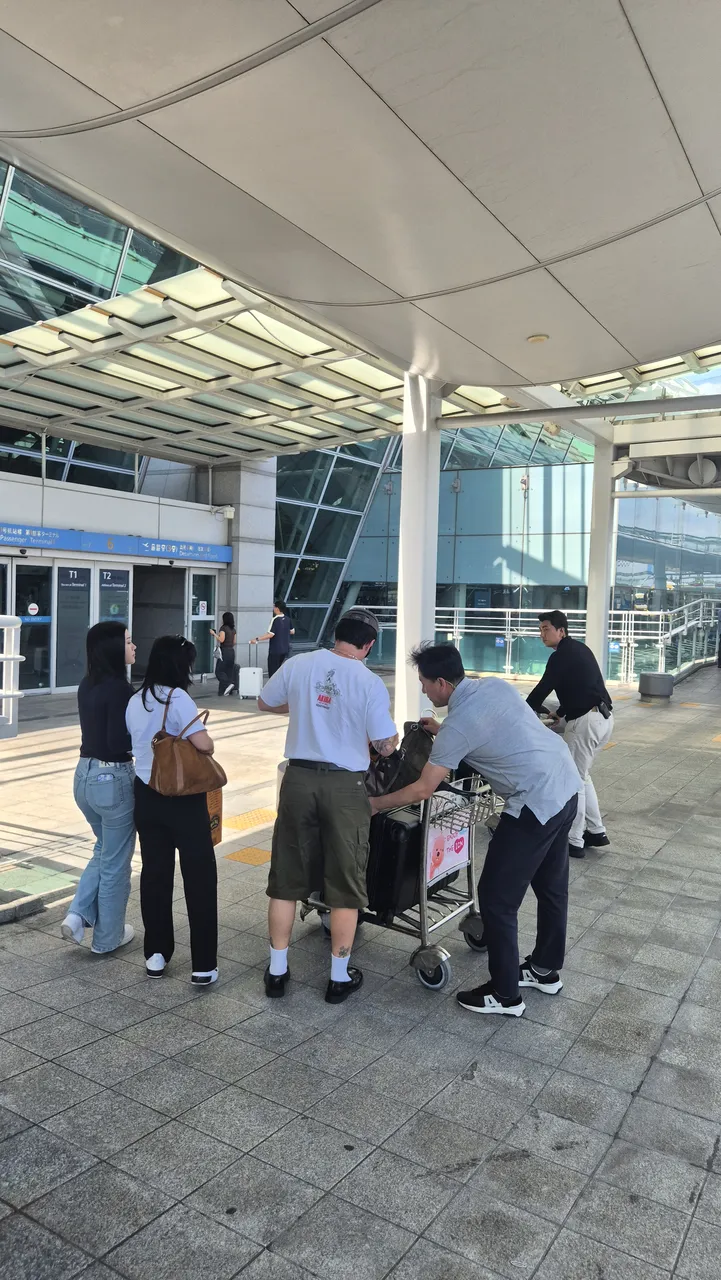
Ask the hotel or venue for a suitable covered entrance and share it with dispatch. A canopy does not necessarily permit a van to wait, so access and vehicle height still need checking. Keep passports and electronics protected, bring footwear suited to wet surfaces and use a bag for the wet umbrella. Board only at the confirmed lawful stopping point.
Set a simple escalation ladder
Agree which appointment can move, who authorizes a route change and when the trip should be reassessed. A city meeting may be shifted online; an outdoor leisure stop may be replaced with a nearby indoor option. When authorities restrict travel, follow their instructions and the operator’s operational decision. Keep passengers informed through one organizer so several conflicting messages do not slow the response.
| Trigger | Practical response |
|---|---|
| Flight changes | Notify dispatch; review pickup terms |
| Longer road estimate | Remove optional stops; contact host |
| Closed entrance | Use confirmed alternative access |
| Official travel restriction | Reassess journey with operator |
Confirm what a weather change costs
Grand’s airport pickup material supports clear coordination between arrival, luggage and the hotel. For wet-weather travel, extend that brief to waiting charges, rescheduling, cancellation and any alternative destination. Ask for written terms before payment because these are booking-specific. Vehicle selection should include the party and luggage together, with loading and child-seat needs reviewed for the actual assignment.
Frequently asked questions
Does rain cancel every transfer?
No. The decision depends on current conditions, official restrictions and the operator’s assessment of the particular route and booking.
Will Grand automatically wait for a delayed flight?
Do not assume that. Confirm flight-status responsibilities, included waiting and additional charges in the booking terms.
Should we still visit an outdoor venue?
Check its current operation and official weather alerts. Keep an indoor alternative and avoid making a paid booking depend on uncertain access.
Where should we check alerts?
Use the Korea Meteorological Administration and relevant airport, airline or local authority notices. Share material changes with the transfer organizer.