On this page
A concert transfer is often easiest to plan backward from the pickup after the show. The busiest exit may not be a legal place for a car to stop, and a scheduled finish may not be the actual release time. Agree a reachable meeting landmark, an alternative and a communication plan before entering the venue.
Use the current event instructions
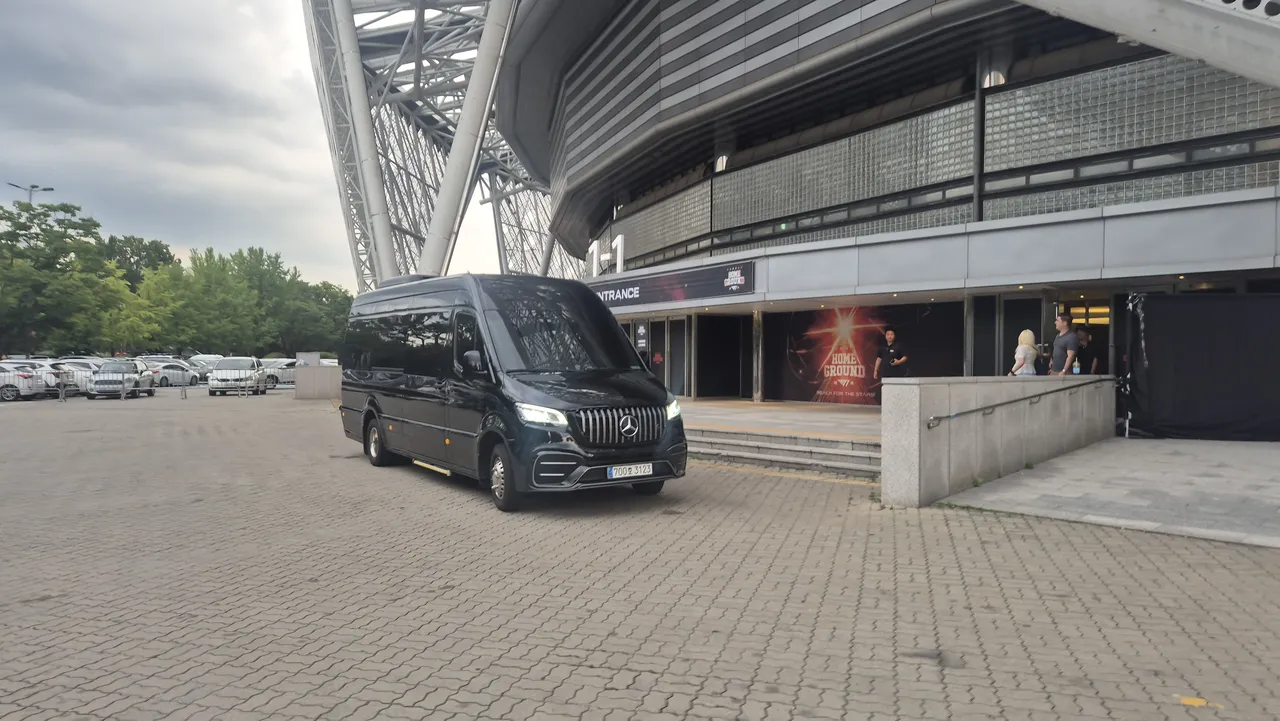
Confirm the actual venue, event date, ticket gate and arrival requirements from the organizer. A familiar arena name can hide different entrances for different shows. Ask about road closures, prohibited stopping and accessible arrival procedures if relevant. The event controls entry and security screening; a chauffeured arrival does not grant backstage access, priority queues or a special gate. Build the vehicle plan around the entrance the ticket holder is authorized to use.
Grand’s entertainment guidance identifies the exit and waiting position as central. Use that principle with the current event’s access rules, rather than a previous show’s map.
Plan the three event handovers
Treat arrival, any waiting period and collection as separate decisions. The arrival drop-off should support the correct entry gate; the return meeting should avoid the densest exit pressure while remaining practical for the party. A vehicle may have to park farther away or approach only after passengers are ready. Explain that procedure before the show so nobody expects a car to remain beside the entrance all evening.
Agree which contact sends the ready message and which passengers belong to each vehicle. Keep the same group labels for the return.
| Stage | Useful decision | Confirm beforehand |
|---|---|---|
| Arrival | Permitted drop-off for the ticket gate | Entry route and walking allowance |
| During the show | Booked waiting or later collection | Vehicle location and responsibility for items |
| Post-show meeting | Clear landmark outside the main bottleneck | Walk, backup location and contact |
| Final return | Hotel or onward destination | Operating window and changed finish terms |
Make the collection point easy to recognize
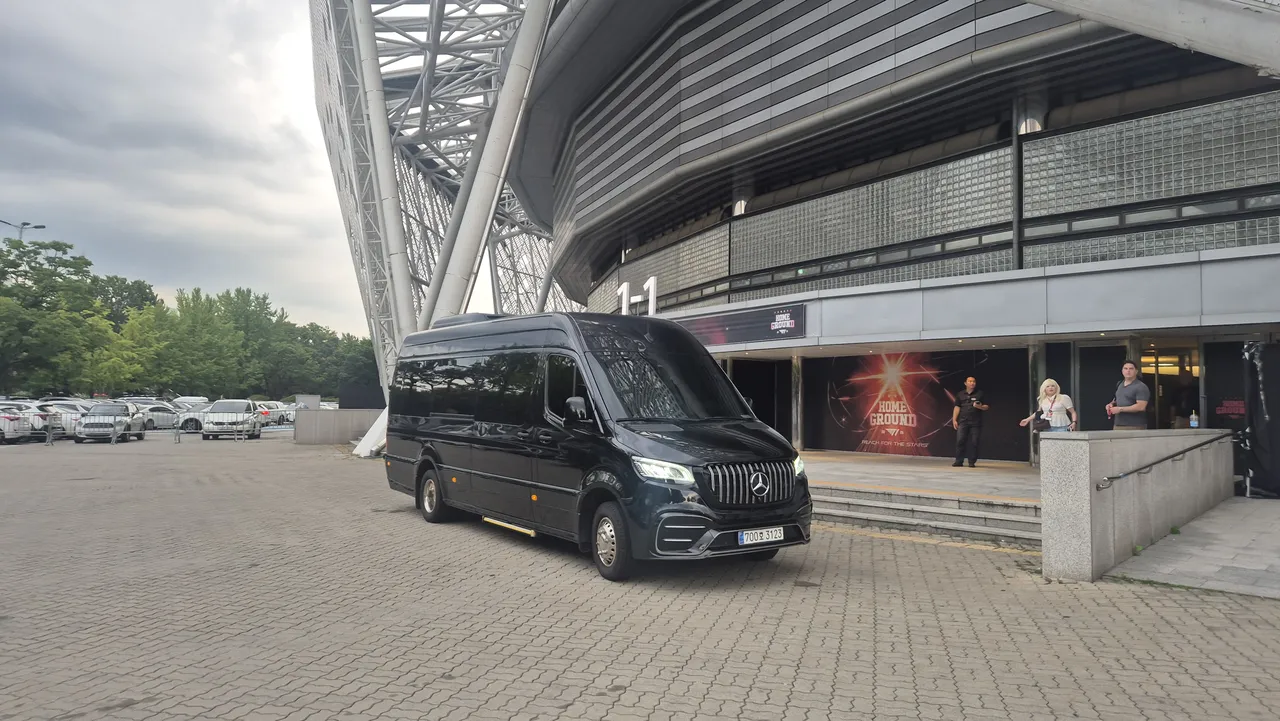
Use a named public landmark, a map pin and, where practical, a reference photograph. Distinguish the pedestrian meeting point from the exact car boarding location. Check that the route suits the group’s walking needs and remains available under event controls. Agree an alternative if staff close the original approach. Save the information offline and keep enough phone power for the return rather than relying solely on live location sharing.
If the group separates inside, choose a regrouping rule before approaching the vehicle. One lead passenger should communicate the group’s actual readiness.
Allow for a changed finish without promising unlimited time
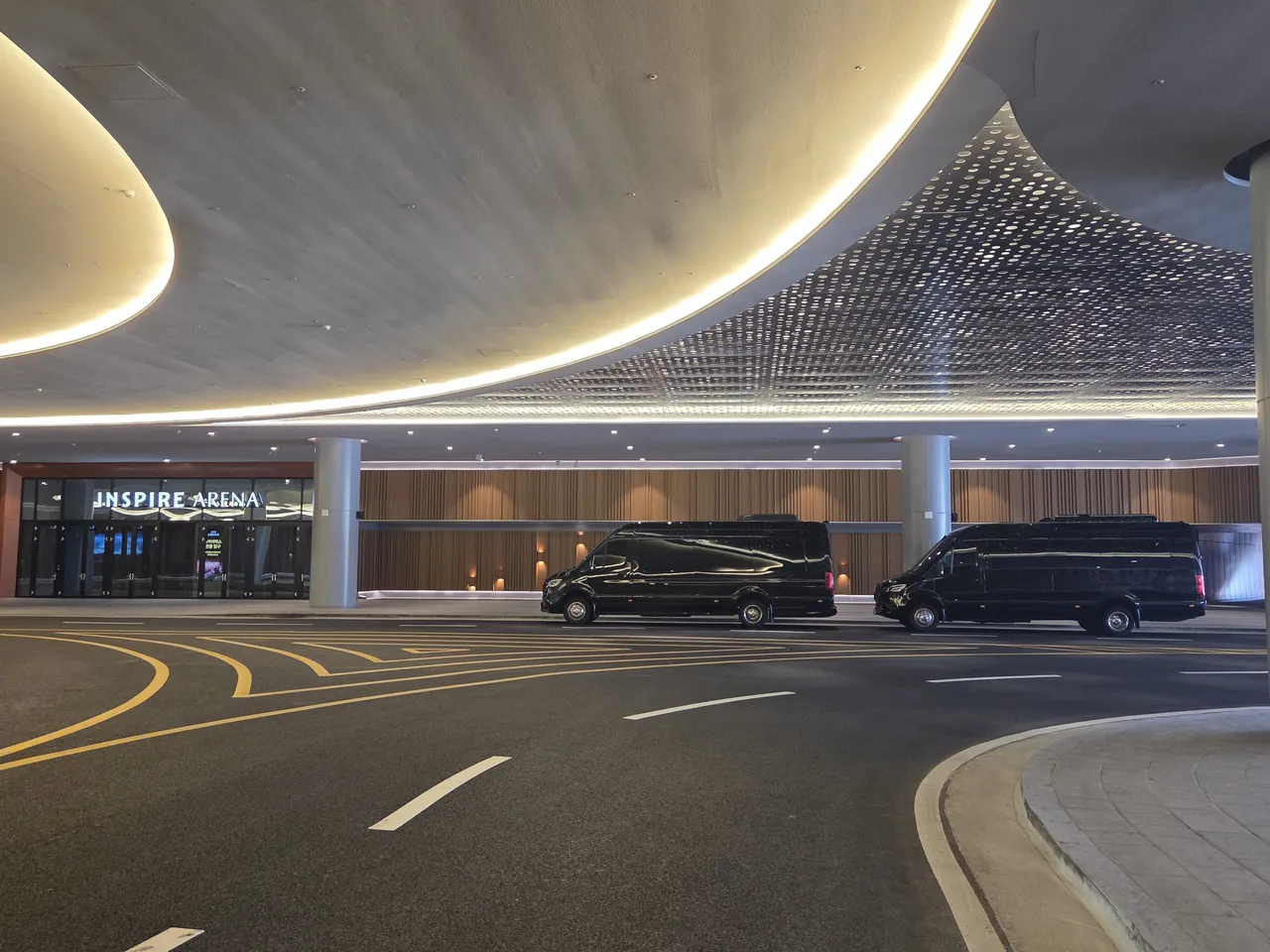
An encore, delayed start or slow crowd exit can alter the pickup. Give the operator the expected finish and request the procedure for an overrun. Confirm the booked service window, waiting charges and how a substantially later collection is assessed. For venues outside central Seoul, including airport-island locations, verify actual late-evening vehicle availability rather than assuming the same options as an ordinary daytime city transfer.
If the next stop is a flight, treat the airline reporting target as a separate hard commitment. Do not attach an uncertain show finish to an unprotected airport connection.
Assess merchandise and luggage with the party
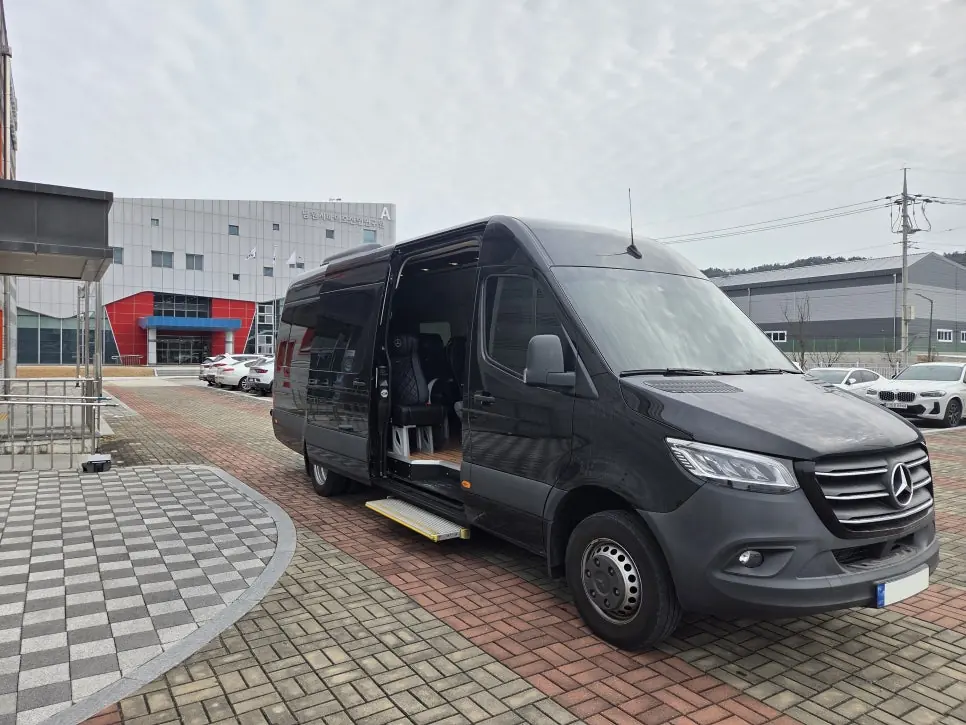
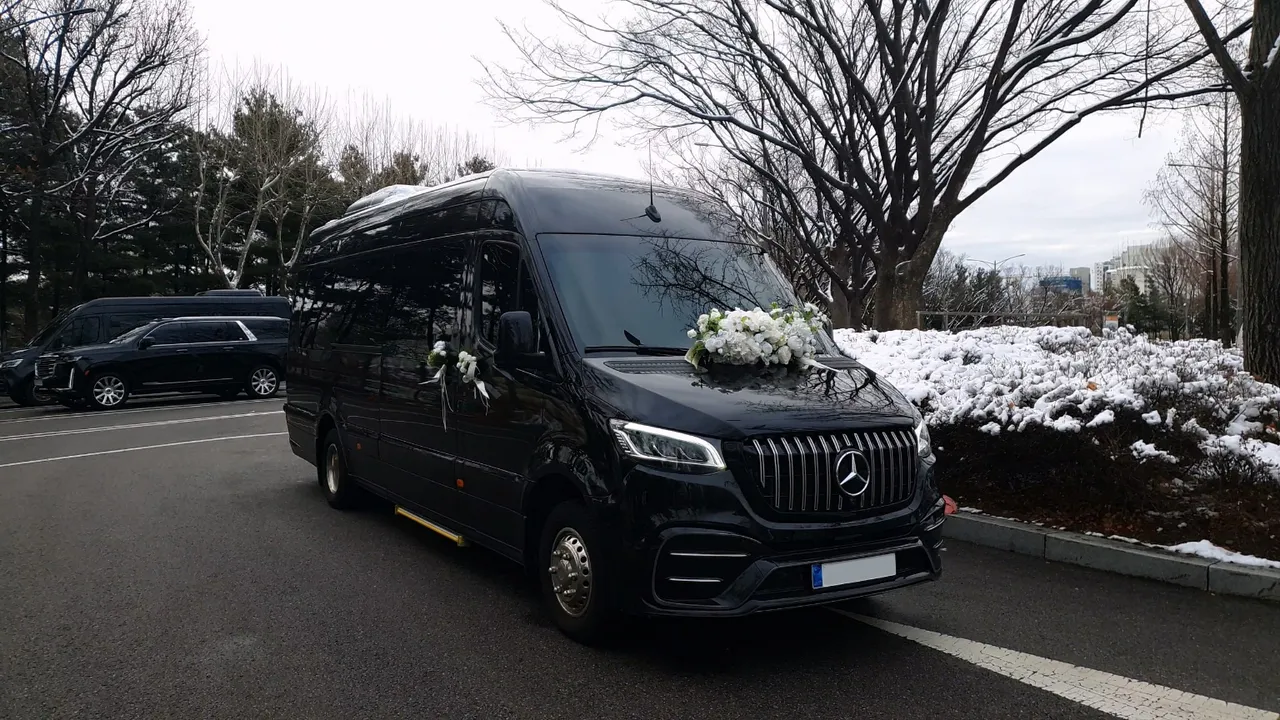
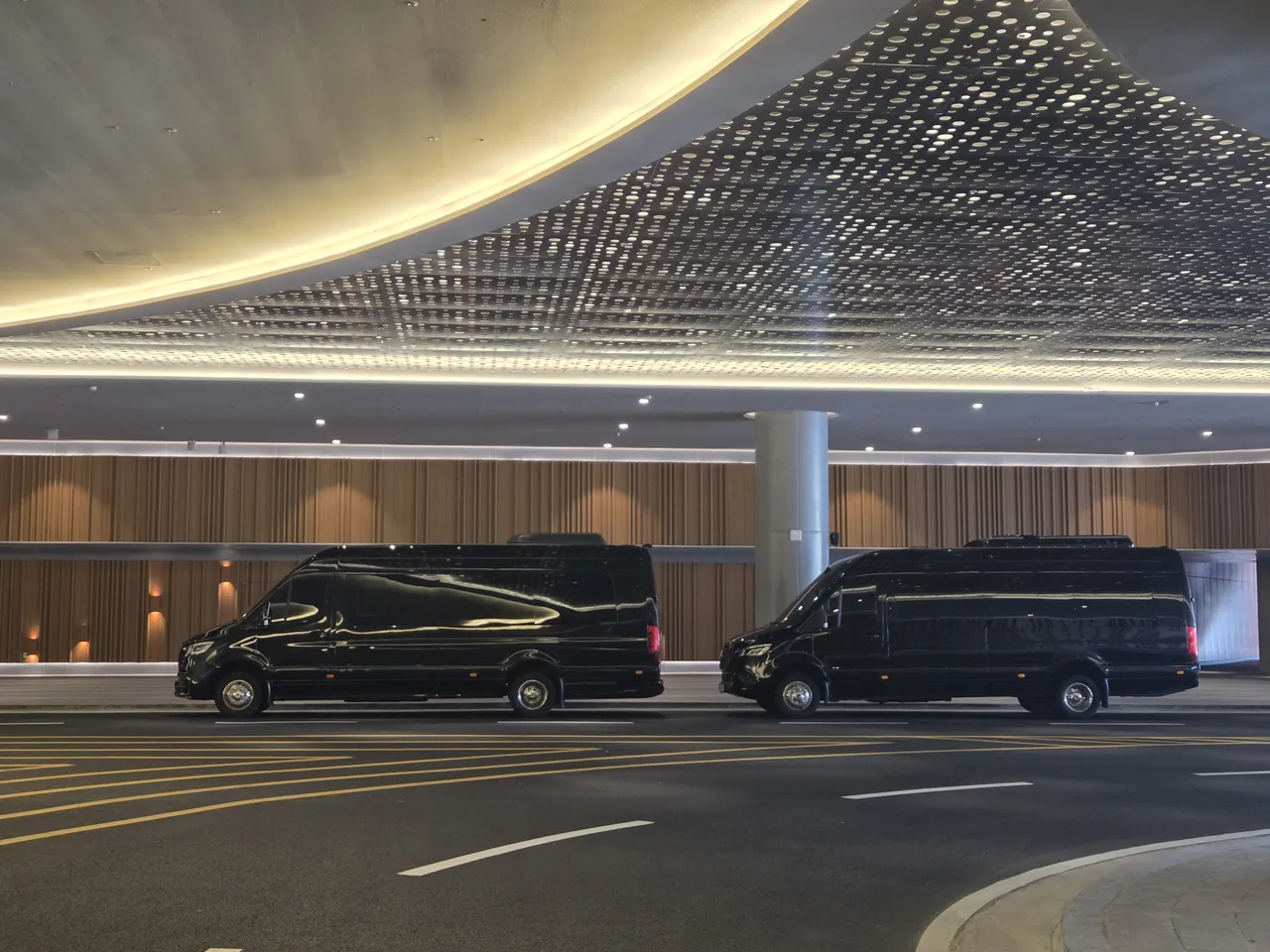
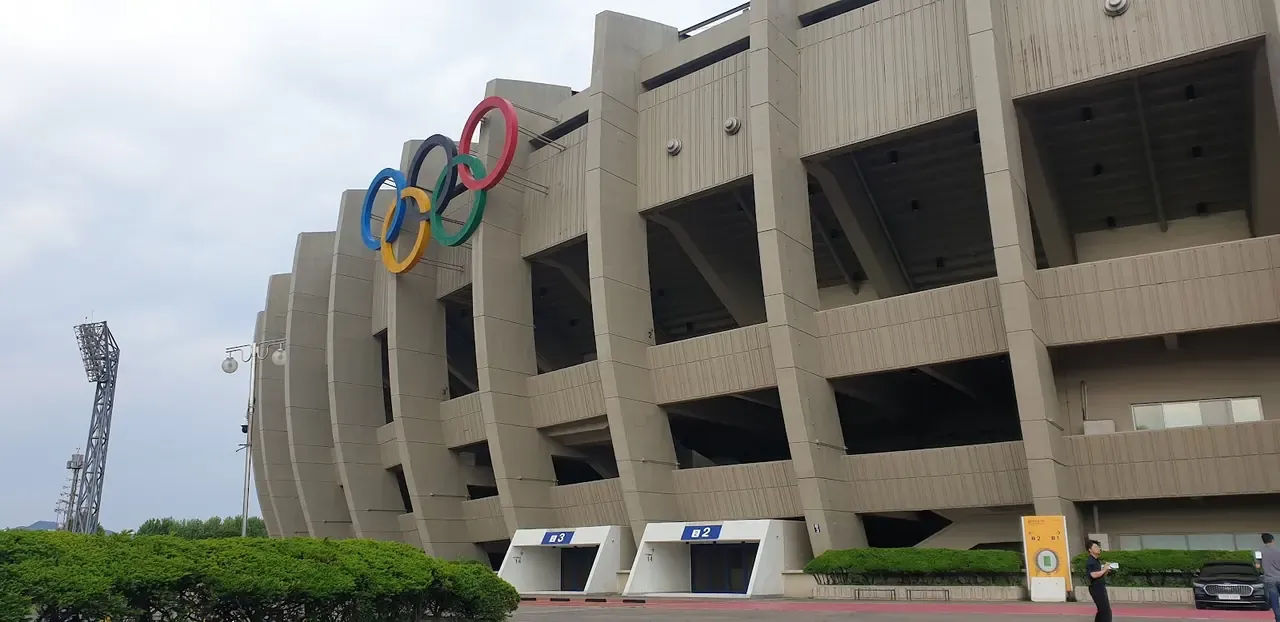
Count passengers, suitcases and likely merchandise before selecting the vehicle. A Mercedes-Benz Sprinter Limousine has configuration-specific seating and cargo; total seats are not a guaranteed guest count with bags. Ask the venue what may enter and arrange any independent storage needed for prohibited items. Do not assume the car acts as a continuously supervised or insured locker. Check all belongings at the hotel handover.
Request a custom quote for the route, waiting, parking, tolls and overtime. Tickets, accommodation and event admission remain with the guest’s independent providers.
Frequently asked questions
Can the car collect us directly at the arena door?
Only where current event and road rules permit it. A clear nearby legal meeting point with a planned walk is often the workable arrangement.
What if the concert finishes late?
Follow the agreed overrun contact procedure. Availability, waiting and additional service time depend on the accepted booking terms rather than an unlimited late-night promise.
Does the transfer include concert tickets?
No ticketing or special event access is confirmed. Obtain admission independently and share the authorized gate and arrival instructions with the transport operator.
Can friends return to different hotels?
List every final address before quoting. The operator should assess stop order, operating time and luggage so the group knows the accepted return sequence.