On this page
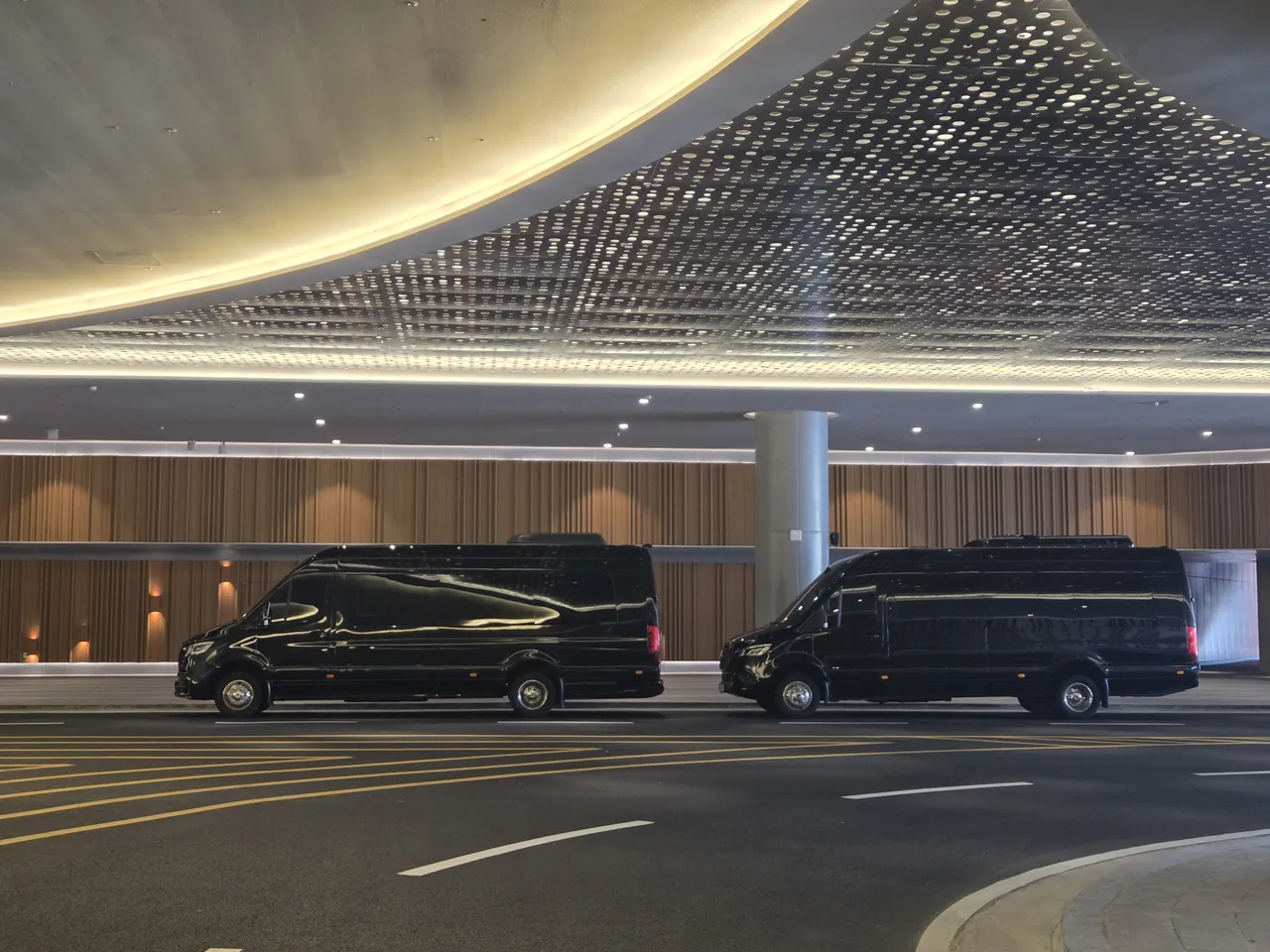
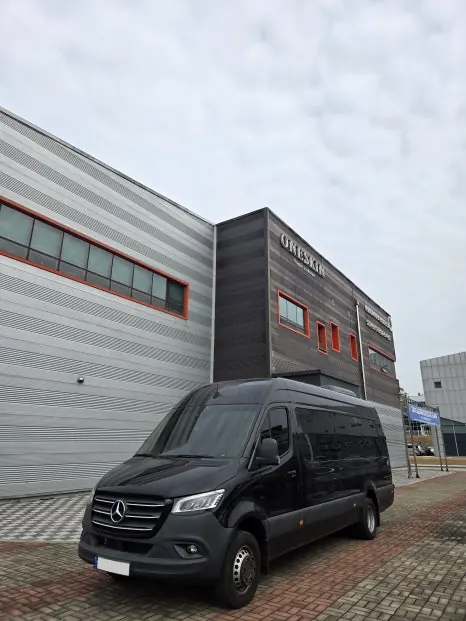
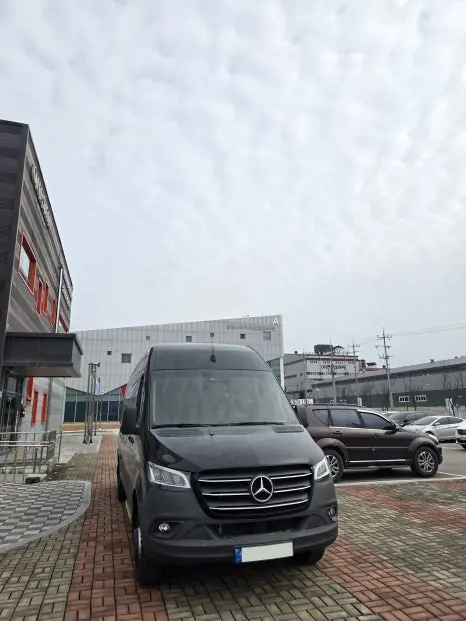
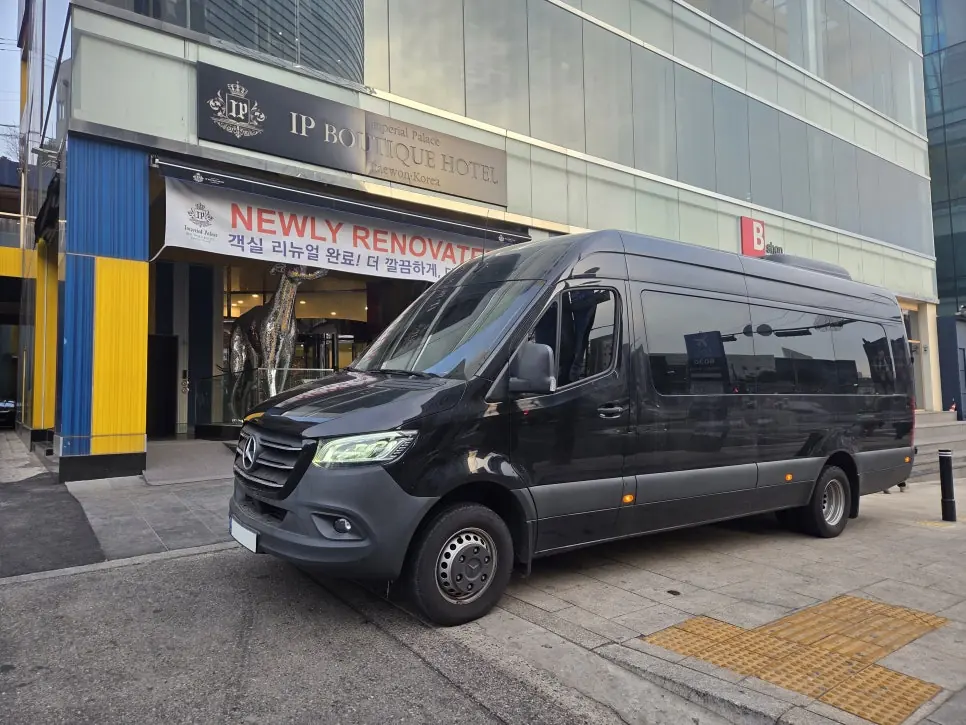
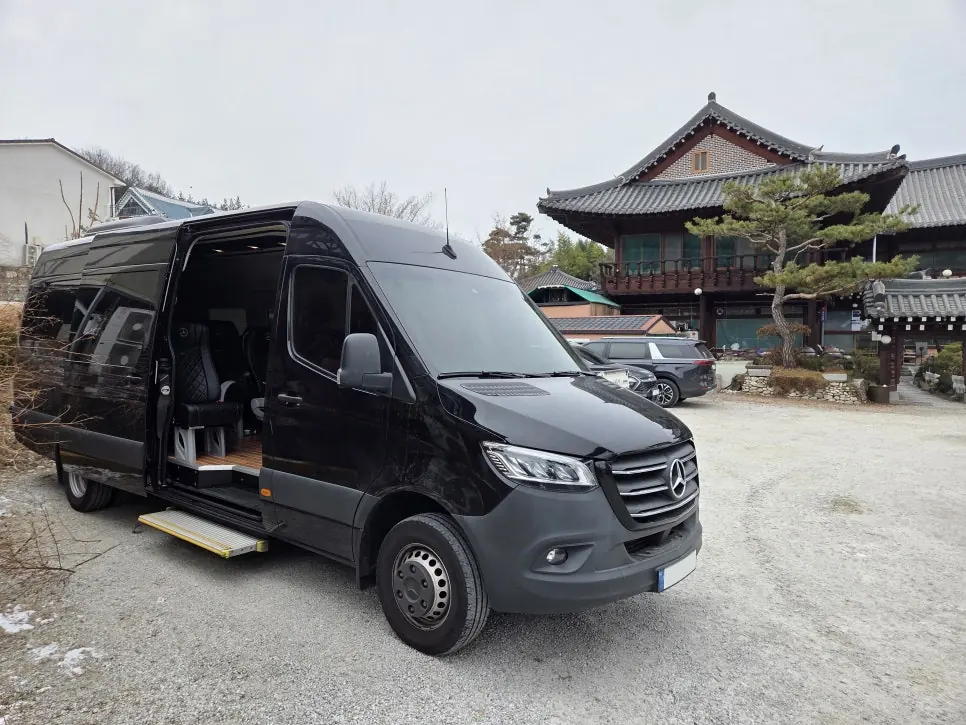
Grand Limousine’s published filming report follows one Sprinter between a hotel near Itaewon, a traditional location and a cosmetics company in Namwon. The value of the example lies in how transport adapts to different venues while the production team retains control of its shoot, access permissions and working timetable.
A documented route with different demands
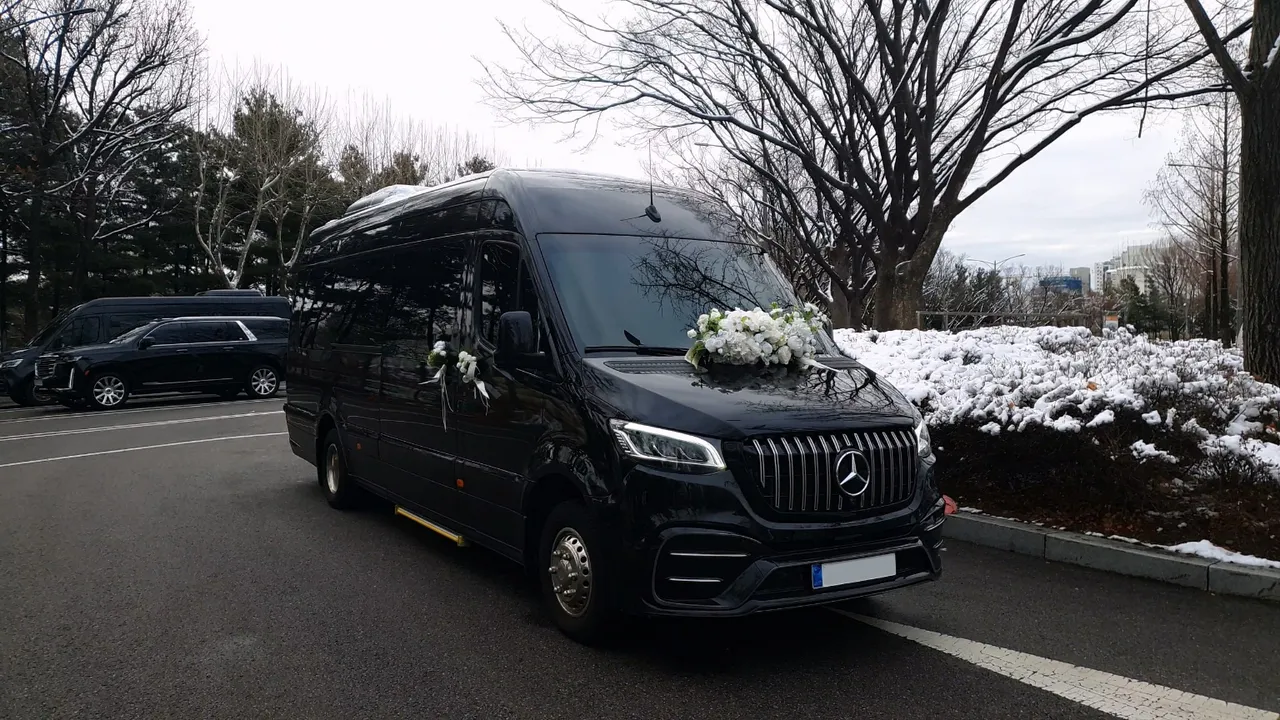
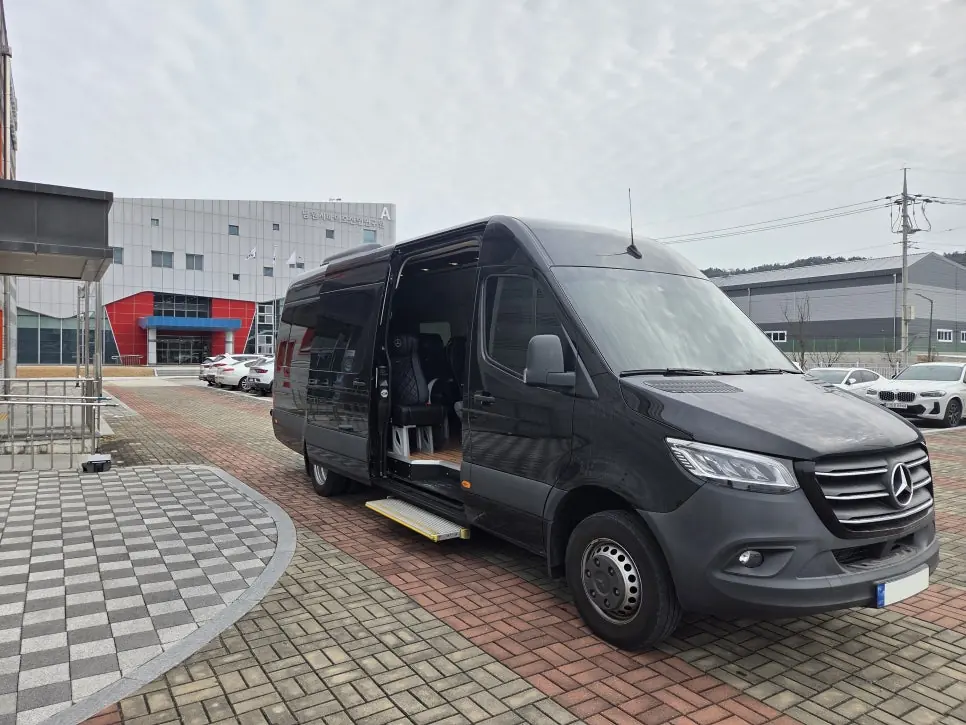
The source identifies a visiting influencer from Dubai, a brand promotion schedule and one 15-seat Mercedes-Benz Sprinter. The journey began in central Seoul and continued to a traditional-style location and a company site in Namwon. These are the documented elements. The report does not provide a complete passenger manifest, production equipment list or measured arrival record, so the case should not be expanded into claims about those outcomes.
What can be carried forward is the planning method: read each venue separately, then connect its boarding, waiting and departure needs into one transport schedule.
Separate the call sheet from vehicle instructions
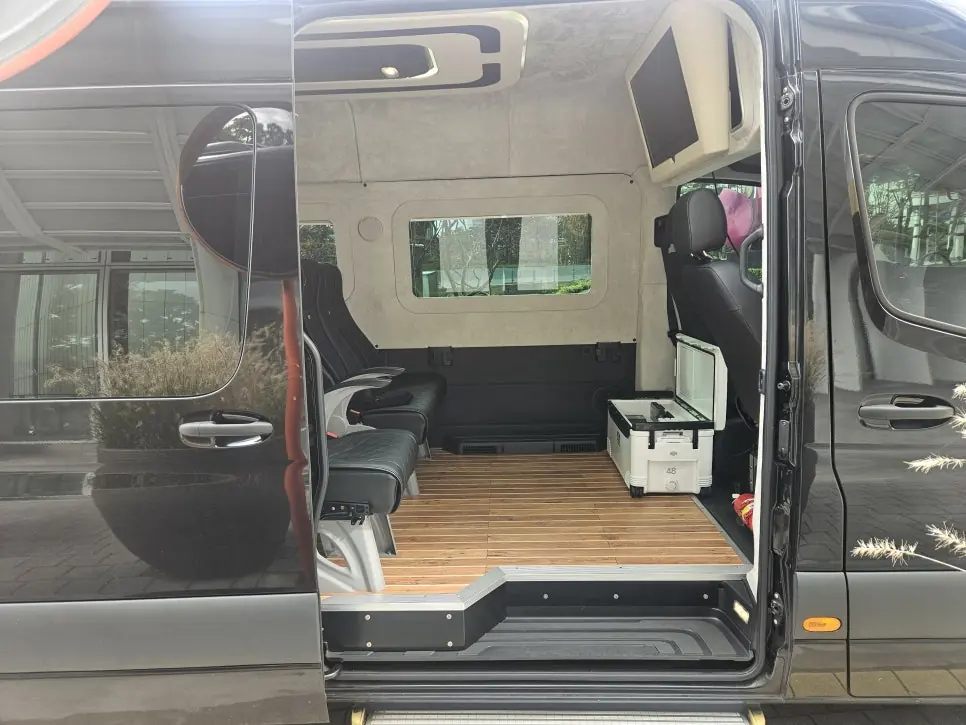
A call time alone rarely tells a chauffeur where to stop. Add the precise hotel door, production contact, load-in point and vehicle access rule for each location. Identify whether cameras, lighting cases and personal baggage move with the talent or separately. Record any item that cannot fit through a normal passenger doorway, and have the transport team review its dimensions before selecting the vehicle.
Use one person to approve transport changes. Conflicting messages from talent, assistants and location staff can turn an otherwise simple departure into a sequence of uncertain instructions.
Change the standby plan with the setting
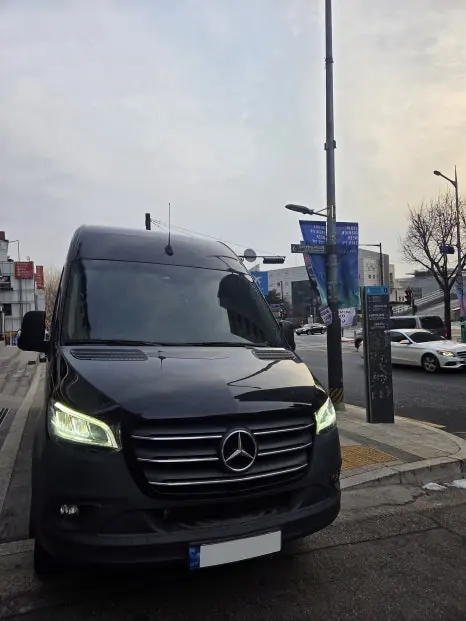
The original report contrasts busy hotel frontage, a quieter heritage setting and a corporate entrance. Each presents a different movement problem. At a hotel, the stopping window may be short. At a traditional site, vehicle positioning should respect pedestrian routes and site rules. At a company, the receiving contact may need to approve the gate and parking area before the party approaches.
| Setting | Information to obtain | Departure trigger |
|---|---|---|
| City hotel | Door, stopping area, equipment handoff | Group and cases ready |
| Traditional location | Vehicle access and waiting rules | Location lead releases the group |
| Company site | Gate contact and approved parking | Host confirms visit completion |
Protect the regional travel legs
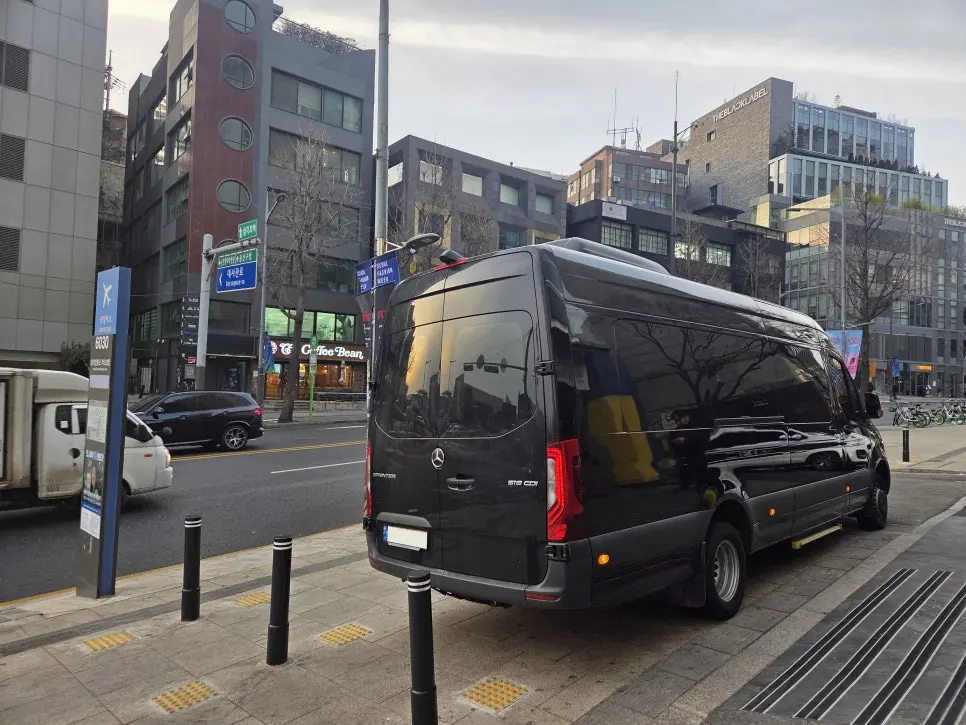
A Seoul-to-Namwon production day needs its own travel assessment for the actual date. The journey length quoted in an original story is not a reliable call-sheet promise for another day. Work backwards from the first immovable appointment, include loading and comfort stops in the transport brief, and keep a realistic decision point for removing an optional scene if earlier work runs over.
A chauffeur supports the movement plan; filming permits, location availability and the creative schedule remain with the producer and venue. Record changes in both documents so the transport brief stays current.
Confirm the vehicle and the final handover
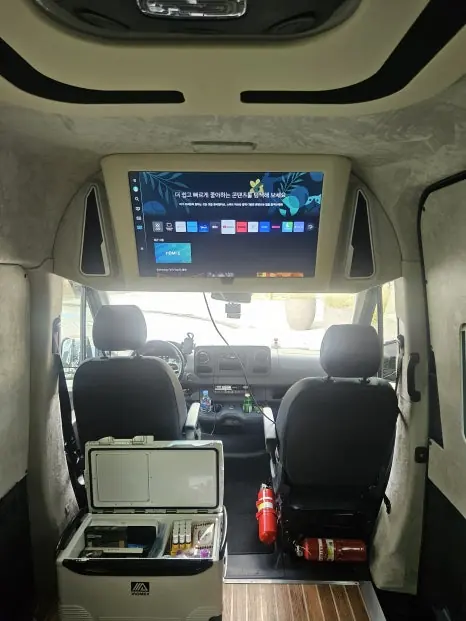
The latest brochure lists the Sprinter 15 configuration as two front seats plus thirteen rear seats. That is a total seating description, not a guarantee of thirteen guests plus production equipment in the rear. Submit the actual passenger and case list for review, ask where equipment will be secured, and confirm the final hotel or onward destination before the day begins.
The written quote should address standby, additional stops and schedule overruns. A source-backed case explains how the work was organized; a new production needs its own agreed scope and terms.
Frequently asked questions
Was a 15-seat Sprinter used in this case?
Yes. The source explicitly identifies one 15-seat Sprinter for the day. The actual travelling headcount is not provided.
Can the chauffeur arrange filming permission?
Filming permission is not a confirmed transport service. The production team should obtain venue approvals and pass relevant access conditions to Grand Limousine.
Should equipment travel in the passenger cabin?
Provide dimensions and weights for a loading review. Do not assume passenger seats can serve as safe equipment storage; agree an appropriate transport arrangement.
How should a shoot overrun be communicated?
Have the nominated production contact update the chauffeur and receiving venue, then confirm the revised departure, remaining stops and any extra charges.