On this page
A fleet booking becomes difficult when every assistant has a different version of the schedule. For a multi-vehicle event, make the dispatch plan the common reference: each guest group, vehicle role, meeting point and movement has an owner. This guide explains how to keep that information usable during a busy conference.
Give every movement a stable identifier
Use a short movement code for each airport arrival, hotel departure and venue return. Keep the code when the time changes so messages remain traceable. Record service date in Korean local time, passenger count, bags, origin, destination, required arrival and the organizer responsible for boarding. Store flight details beside the relevant airport movement.
Share each vehicle’s assigned group and route with its driver. Keep the full delegation list with the event lead to limit unnecessary disclosure.
Assign vehicles by role and actual loading needs
Separate speaker movements from general hotel shuttles when their deadlines differ. Give exhibition equipment and bulky samples a declared place rather than adding them after passengers board. Grand’s conference transport account describes presentations, samples and unusual luggage as practical planning concerns, with vehicle selection based on the people and the load.
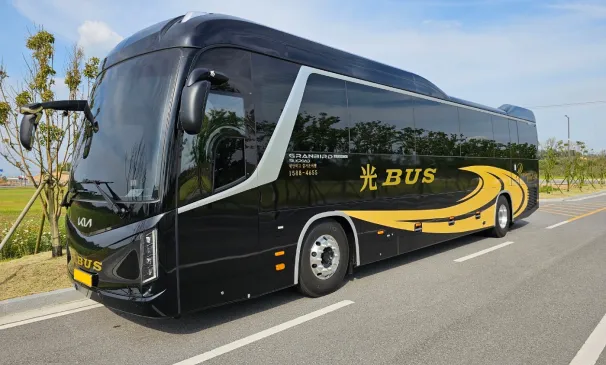
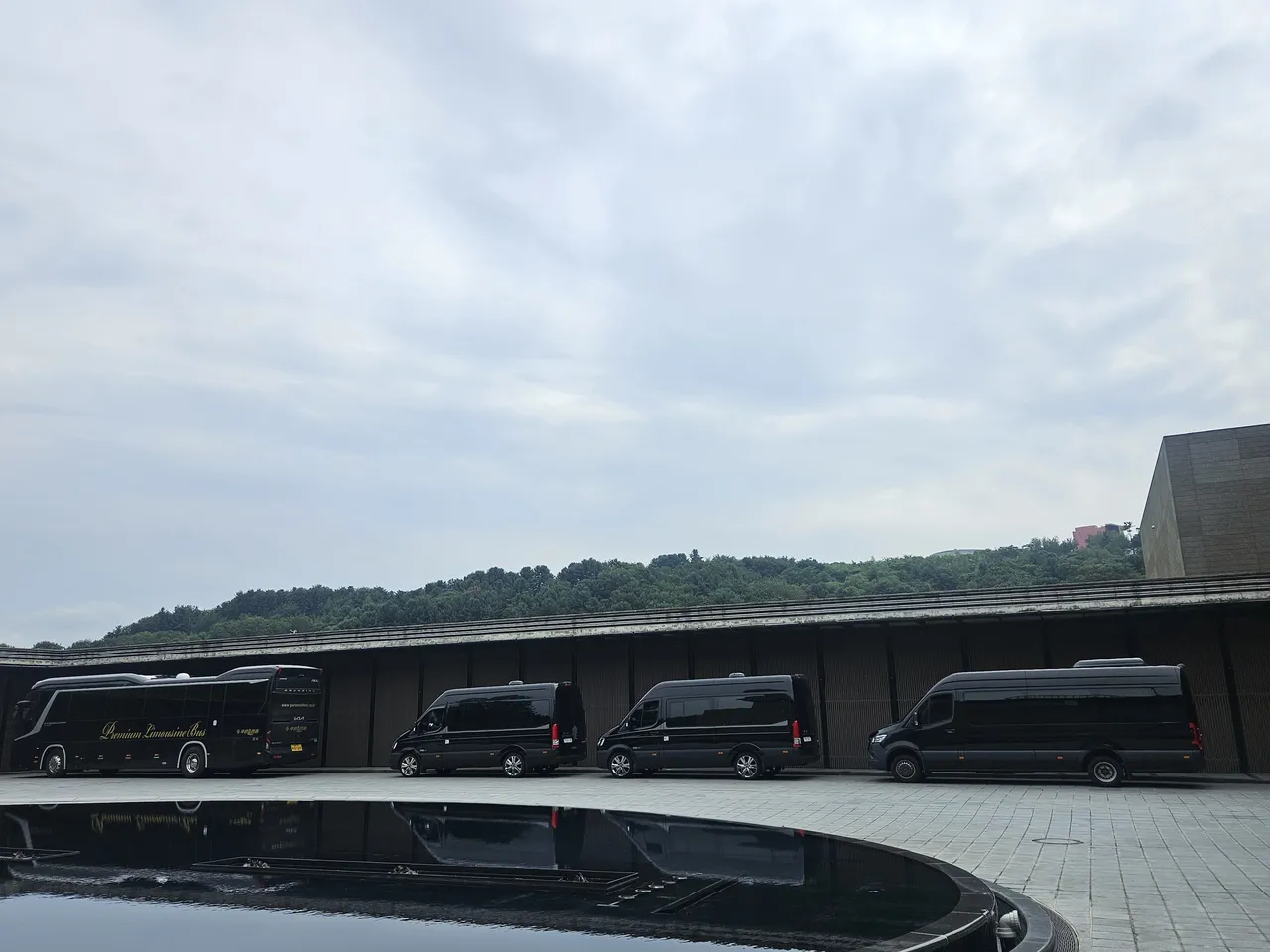
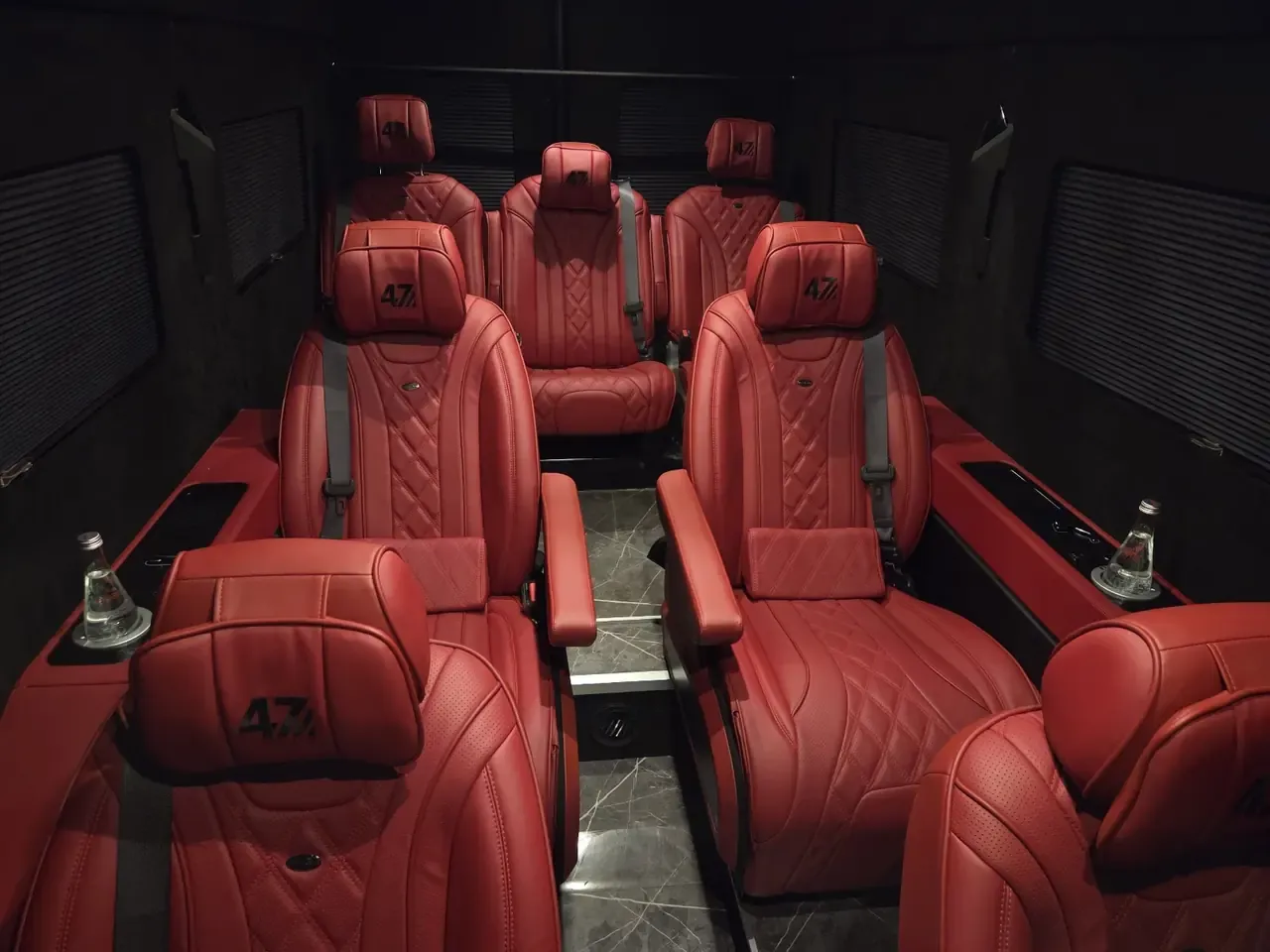
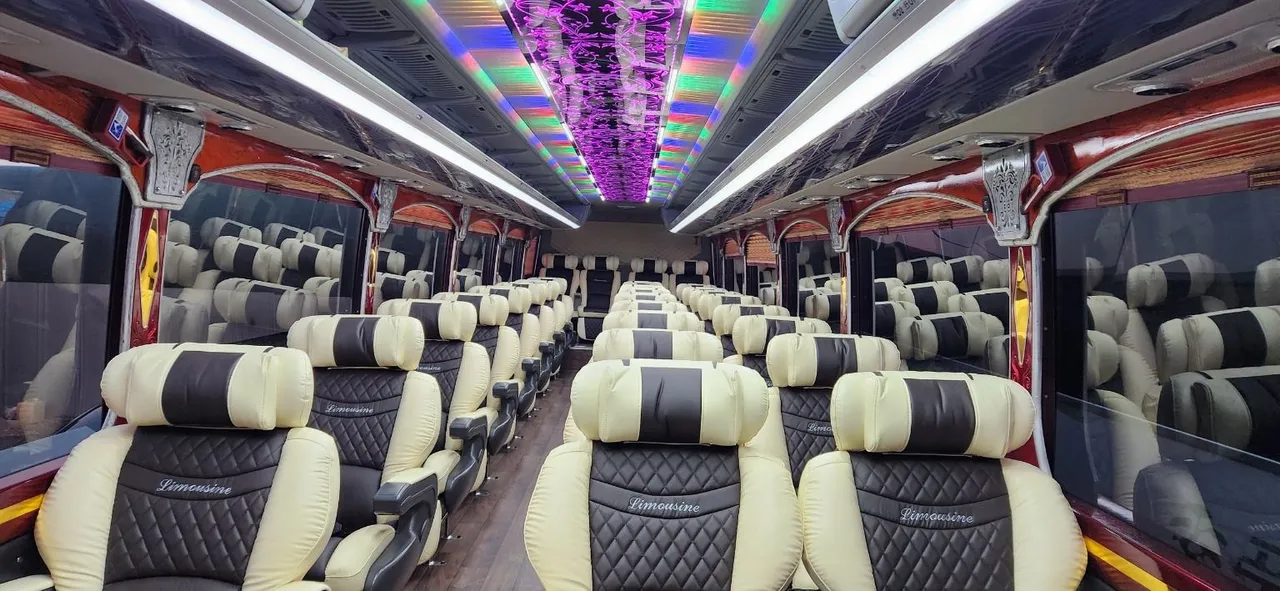
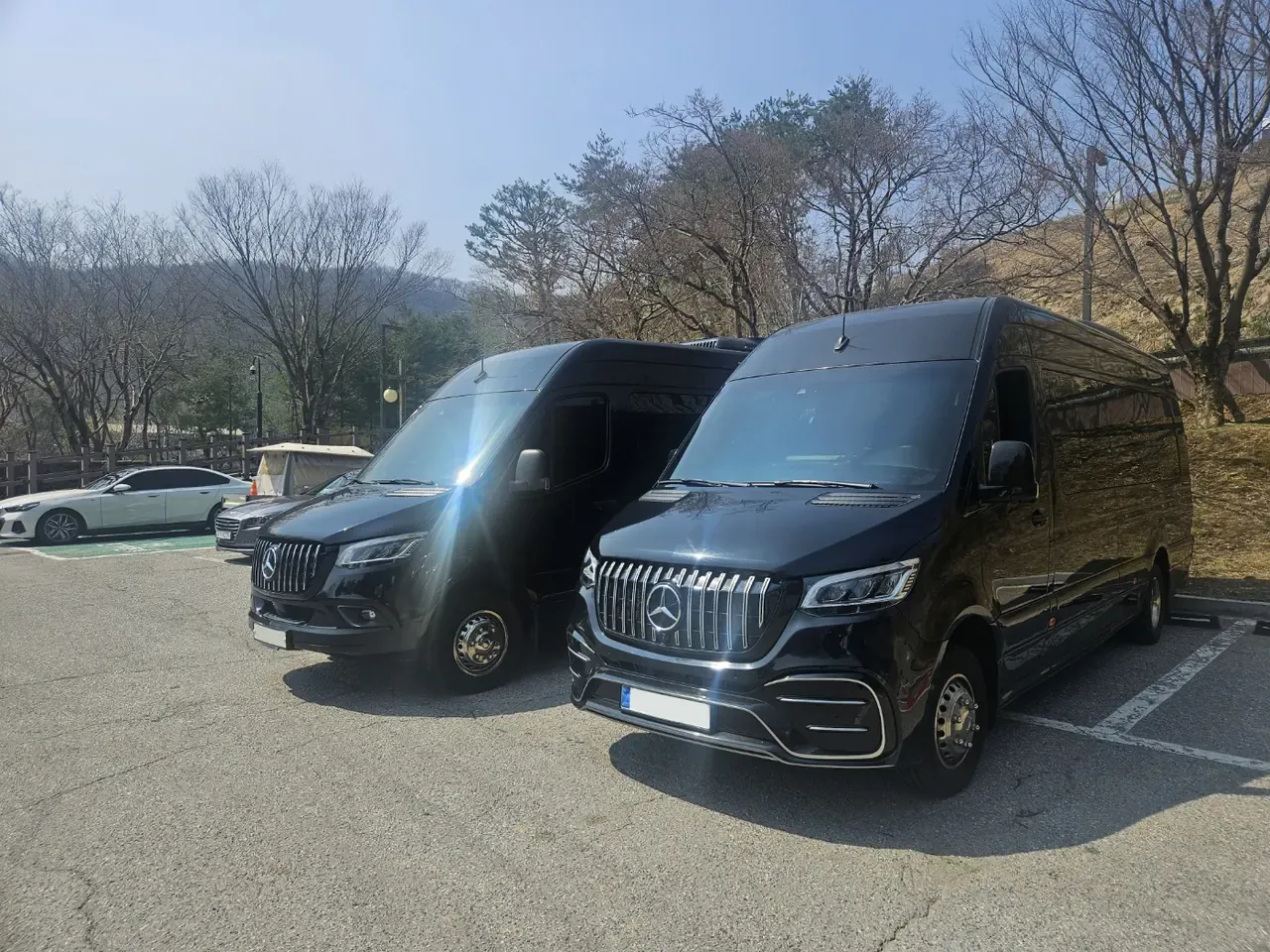
A Mercedes-Benz Sprinter Limousine · 10 lists two front and eight rear seats. Premium Limousine Bus · 28 is available on request. Neither label establishes how many event guests and cases fit; submit the actual load and request a proposed assignment.
| Movement | Essential fields | Decision owner |
|---|---|---|
| Airport arrival | Flight, terminal, group, luggage, meeting message | Arrival coordinator |
| Hotel to venue | Required arrival, hotel entrance, boarding count | Hotel coordinator |
| Speaker transfer | Backstage time, venue host, separate return | Speaker assistant |
| Evening return | Hotels, departure groups, waiting location | Event transport lead |
Treat access approval as a separate workstream
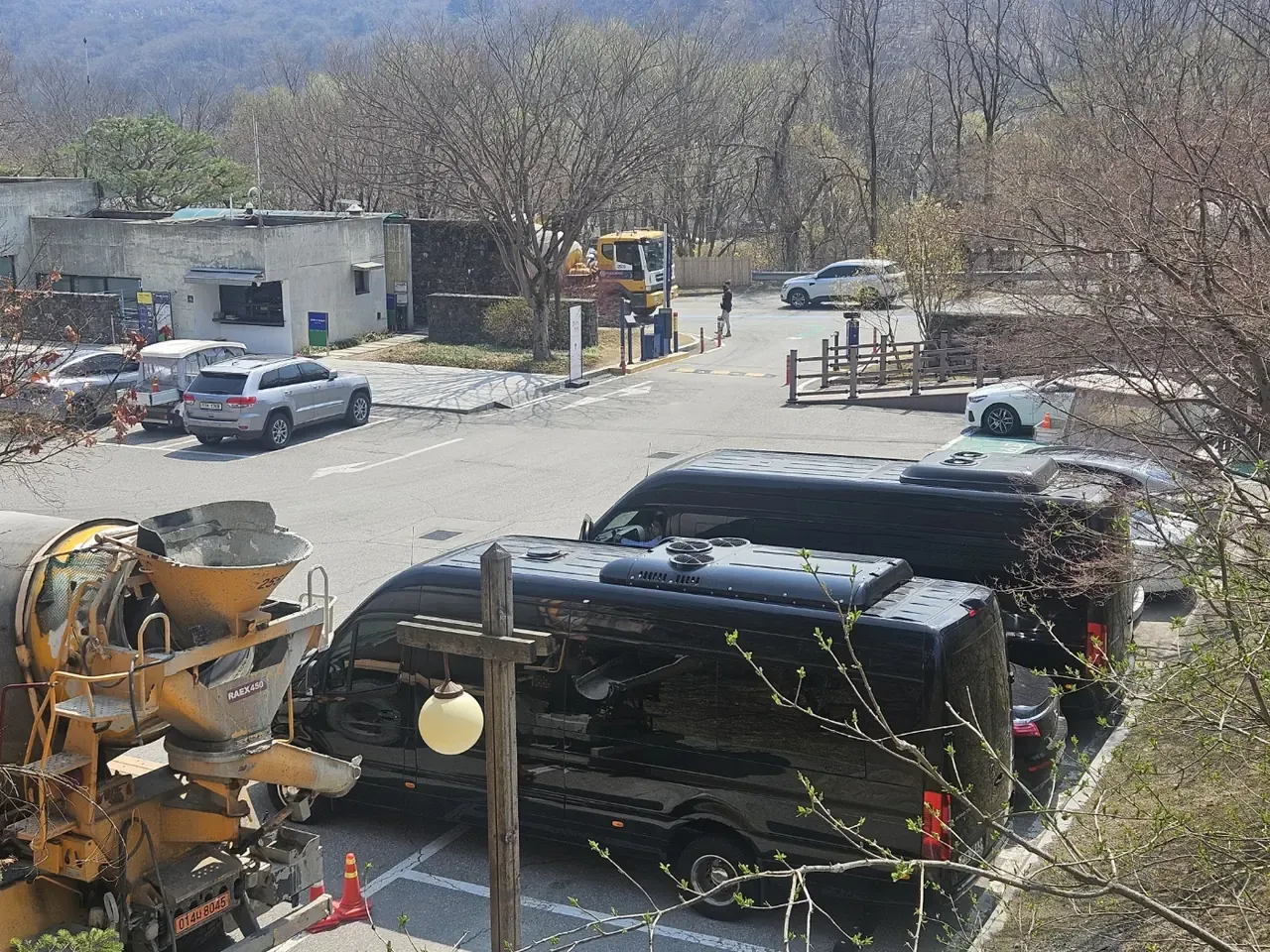
Ask the venue for the permitted loading point, vehicle height restrictions, bus access rules and practical waiting location. A hotel entrance suitable for a sedan may not accept a larger passenger van or bus. Give drivers a marked approach image or precise entrance note and include a fallback point approved by the venue.
Ask which staff member will receive each group. The handoff is complete when guests know where to enter and the organizer knows they have arrived. A vehicle reaching the street address does not by itself establish that the group is ready for the session.
Use a short, acknowledged change message
Choose one event lead who can authorize a new destination, extra vehicle or extension. A useful message states the movement code, revised time or route, affected group and approval. The receiver should acknowledge it, then replace the old instruction. A stream of forwarded screenshots makes it difficult to know which version controls.
Set a point before each departure when the passenger list is checked. When someone switches vehicles, update both assignments. If a guest is missing, the event lead decides whether the vehicle waits, the guest follows separately or the timetable changes.
Close the gaps between the event and the quotation
List airport transfers, shuttle periods, retained vehicle hours and out-of-town legs separately in the request. Ask the custom quote to identify waiting terms, overtime, parking, tolls and arrangements for a vehicle substitution. Confirm language assignments for the people who will actually communicate with guests rather than assuming every driver has the same capability.
Before the first service, run through one hypothetical late flight and one venue change with the event team. This practical rehearsal should reveal who calls whom, which guests need an update and who can approve extra transport.
- Use stable movement codes and Korean local dates.
- Match each passenger group to one vehicle assignment.
- Attach confirmed entrance and waiting instructions.
- Record who can approve changes and added cost.
Frequently asked questions
Does every driver need the full delegation list?
No. Share the assigned passengers and practical details needed for that movement. Keep a complete controlled list with the event transport lead.
Can one vehicle cover speakers and the main shuttle?
Only when the timings and destinations work together. A speaker deadline may justify a separate vehicle so the shuttle does not lose its planned departure.
How should a last-minute passenger change be recorded?
Update both vehicle lists using the movement codes and ask the affected coordinators to acknowledge. Check the new load still fits the assignment.
Is a standby vehicle automatically included?
No. Request it as a defined role with service hours and a price. Confirm availability and what happens if the primary vehicle becomes unavailable.