On this page
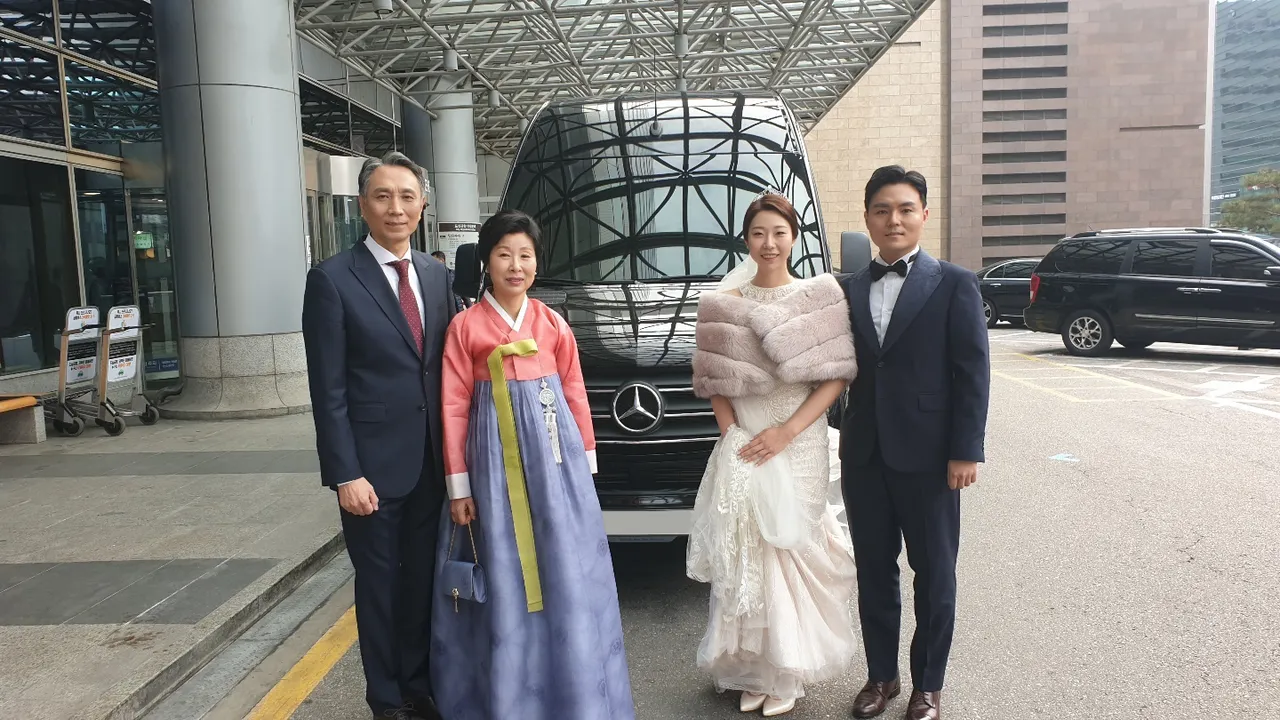
For an international couple, a traditional Korean wedding involves more than moving between addresses. Families need a clear arrival note, the clothing provider needs realistic handover time and the ceremony team needs everyone in place. A good transport plan connects those responsibilities without replacing the specialists who run the celebration.
Let the ceremony team define the ritual
Traditional wedding programmes differ by venue, family and the couple’s choices. Obtain the actual running order from the celebrant or wedding planner instead of treating any online list of rituals as mandatory. Ask which participants need to arrive early, where families wait and when everyone changes clothes.
Grand can coordinate transport, protocol and agreed on-site guidance around that programme. Ceremony interpretation, hanbok rental, fitting and meal arrangements belong with the couple’s independent providers unless separately confirmed; the vehicle booking should not imply they are included.
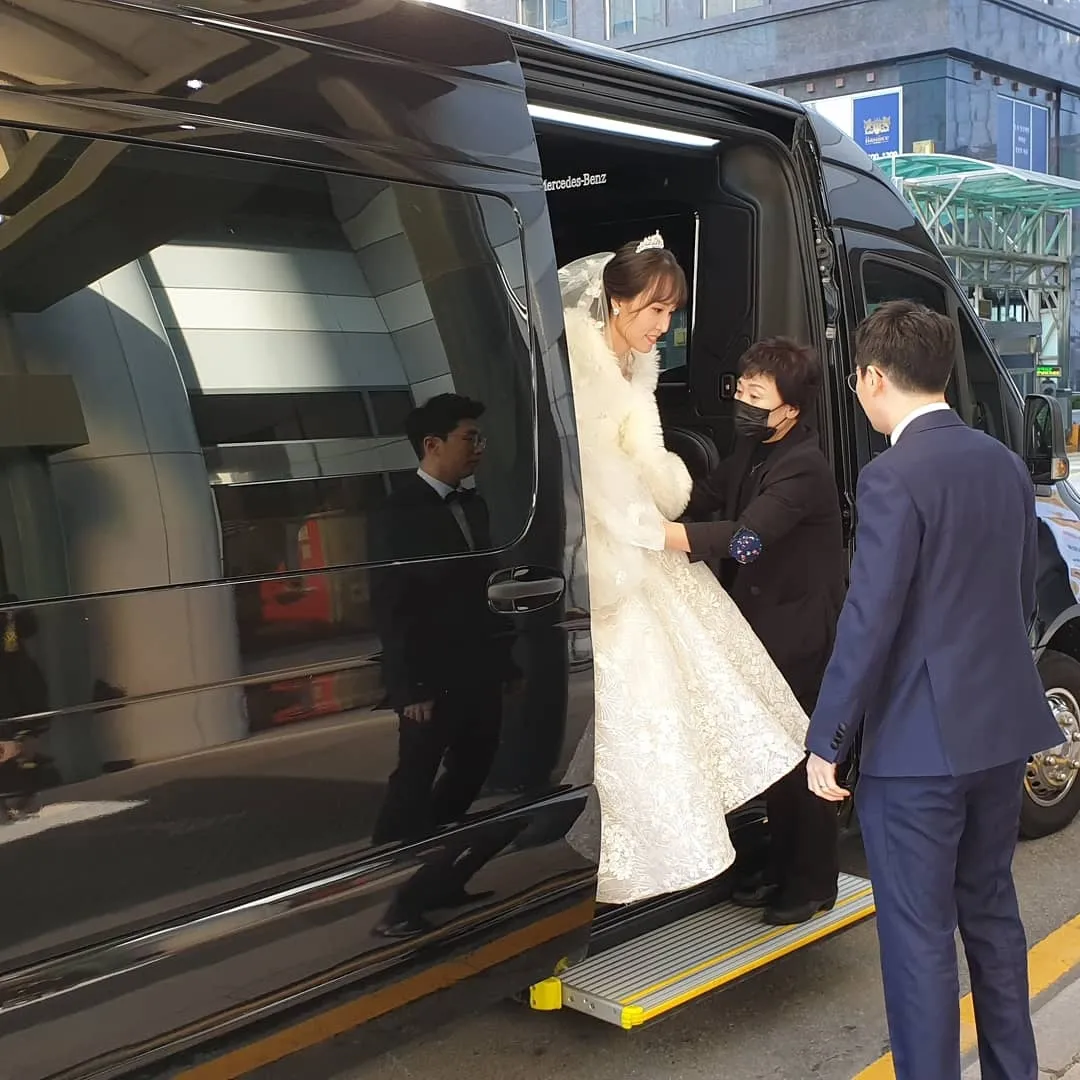
Give overseas families a practical arrival note
Prepare a short note in the languages your guests actually use. Include the venue’s Korean address, a photograph of the meeting entrance, the required arrival time and a named family contact. Explain who will brief guests on the ceremony, without asking the chauffeur to invent cultural instructions while driving.
Offer context as an invitation rather than a test of etiquette. Guests can ask the ceremony team about bows, seating and clothing preferences. Written transport instructions should focus on where to be and what to carry, so nervous travelers can follow them easily.
Plan clothing changes as real appointments
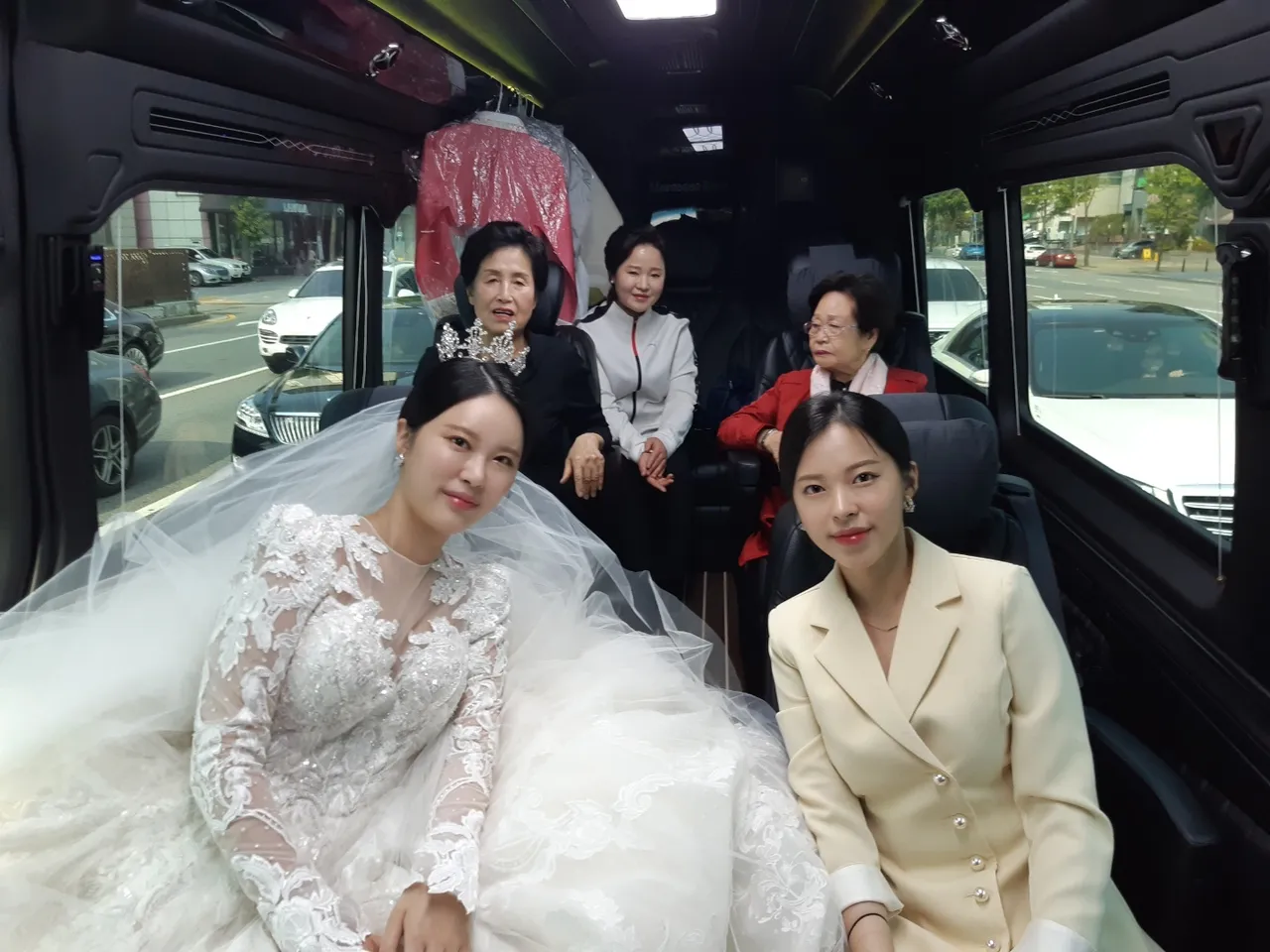
A hanbok fitting and a ceremony dressing session have different transport needs. Confirm whether garments travel with the couple, remain at the venue or must be returned to the rental shop. Allow the provider to specify how headwear, layered clothing and accessory cases should be carried and handled.
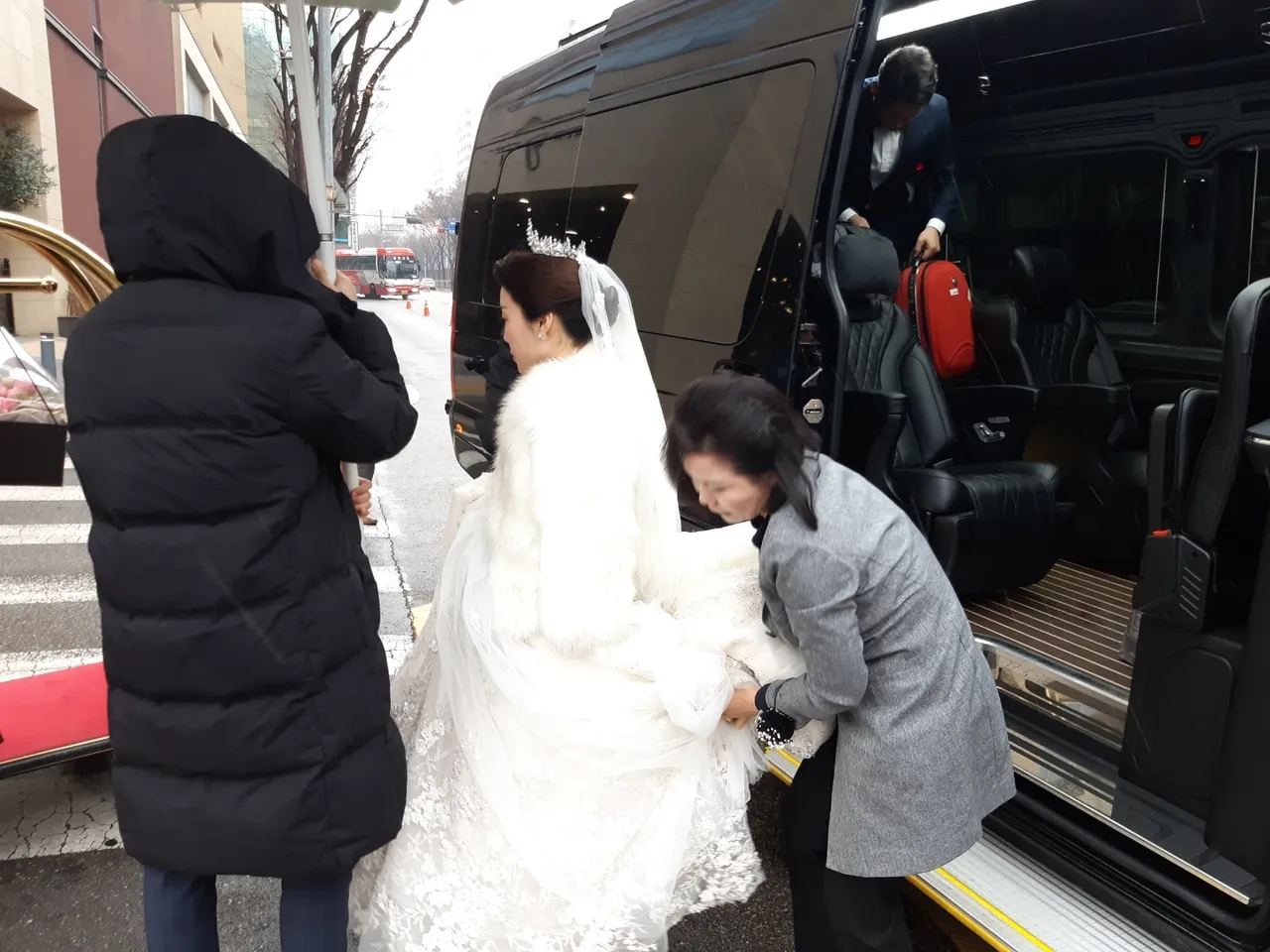
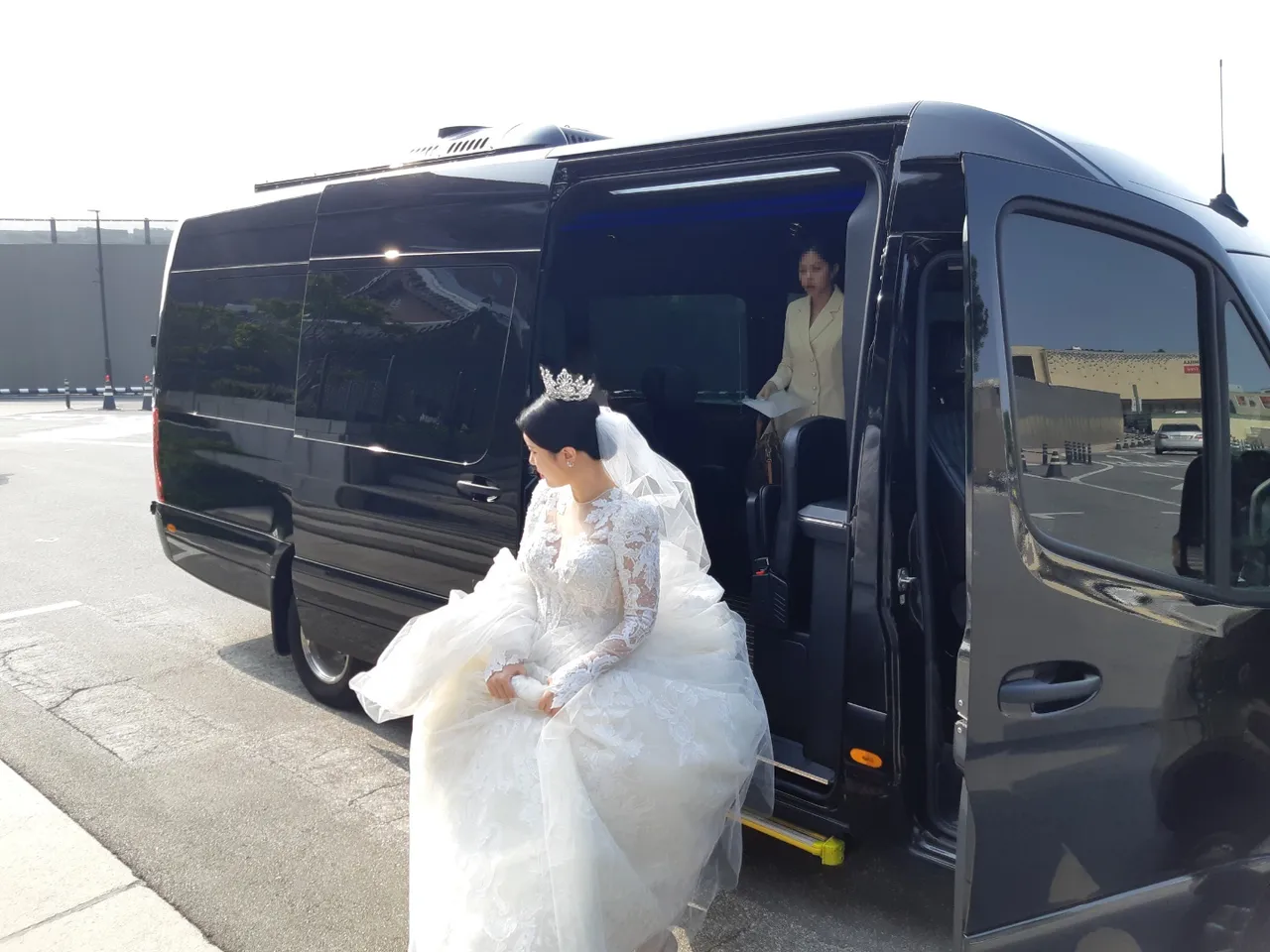
Choose the cabin after the dressed passenger and attendant requirements are known. If a family vehicle has additional cases, assess those separately rather than filling all nominal seats first. Door access and boarding movement matter more than choosing a vehicle solely for its formal appearance.
| Detail | Responsible provider | Transport input |
|---|---|---|
| Ritual order | Celebrant or planner | Participant arrival times |
| Hanbok and headwear | Rental shop or stylist | Handling and return location |
| Courtyard access | Wedding venue | Approved loading point |
| Family interpretation | Appointed interpreter | Where and when to join |
Check the courtyard-to-car route
Heritage settings may have uneven approaches, thresholds or walking-only sections. Ask the venue for current access photographs and a practical wet-weather route. Discuss each older guest’s specific walking needs, and arrange a family attendant where needed. Neither a traditional setting nor a spacious vehicle proves the entire journey is accessible.
Grand’s documented Yeongwol hanok visit illustrates keeping the approach uncluttered and the vehicle visually discreet. Use that principle when planning the wedding entrance, while obtaining the actual venue’s permission for every loading and waiting position.
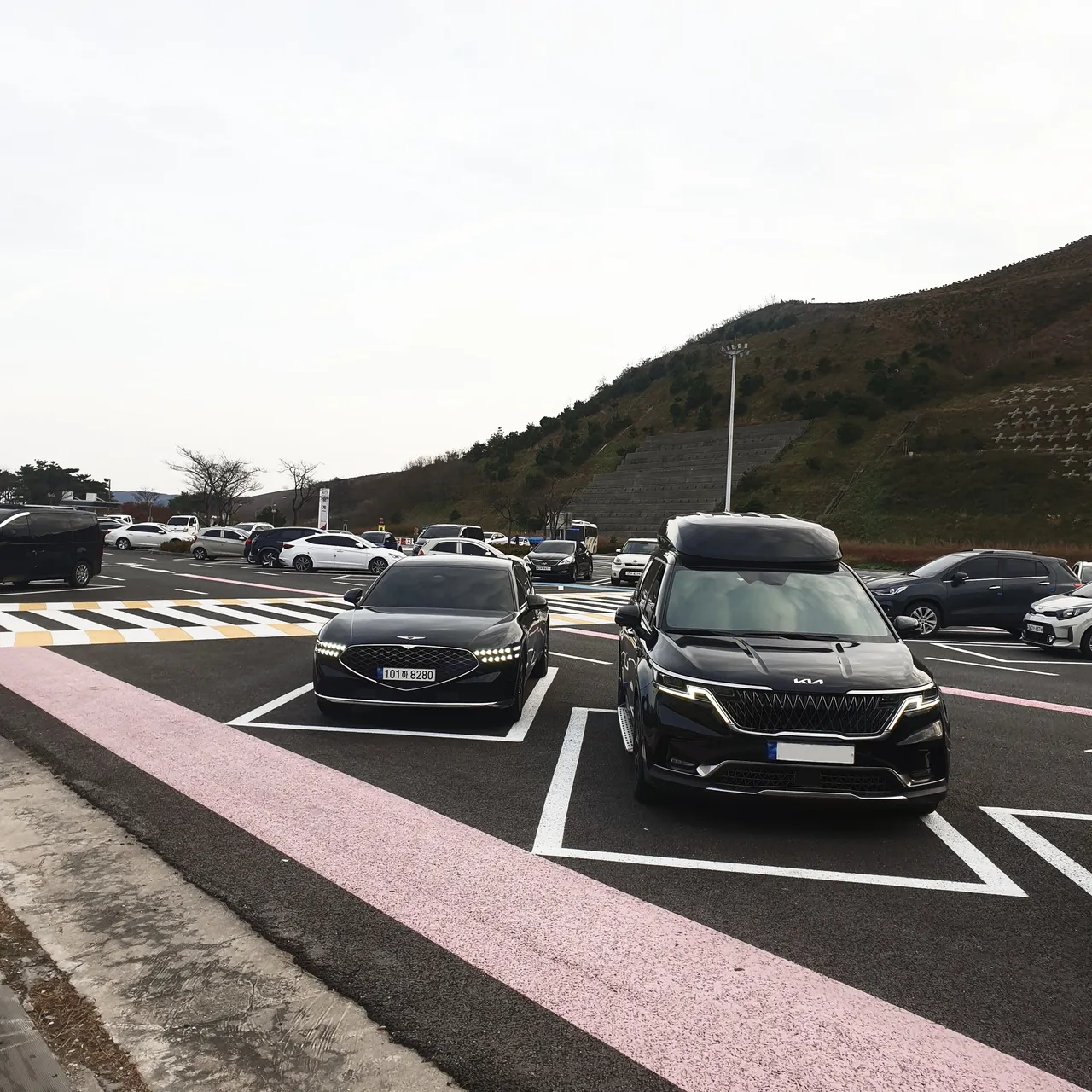
Give every group a clear departure choice
Parents, the couple and visiting friends may finish at different times. Decide whether transport follows one shared departure or separate pre-arranged collections. A family ceremony after the main event, photographs or a garment return can change the sequence, so have the planner release each group explicitly instead of assuming the reception ending releases everyone.
Request custom pricing for the whole transport pattern, including waiting and any later hotel return. Dietary needs, religious requirements and ceremony language should be agreed with the responsible venue or specialist, then reflected in timing rather than promised by the car provider.
Frequently asked questions
Does Grand arrange the traditional ceremony?
The confirmed scope is transport, protocol and agreed on-site guidance. Engage the ceremony venue, planner and clothing providers independently.
Must every international guest wear hanbok?
Ask the couple and ceremony team for their preference. Transport planning should record who needs changing time rather than prescribe a universal dress rule.
Can the driver interpret the ritual?
Do not substitute conversational transport assistance for ceremony interpretation. Request a dedicated interpreter from the planner and coordinate their joining point.
How do we plan for elderly relatives?
Describe their walking and boarding requirements, obtain current access photographs and agree assistance with the venue and family before finalizing the vehicle allocation.