On this page
A winter transfer needs a different brief from a city sightseeing day. Long equipment, wet clothing and an exposed resort entrance can complicate an otherwise simple journey. Plan the loading and the weather decision together, leaving room to shorten, postpone or reroute the day when conditions require it.
Plan for the weakest part of the route
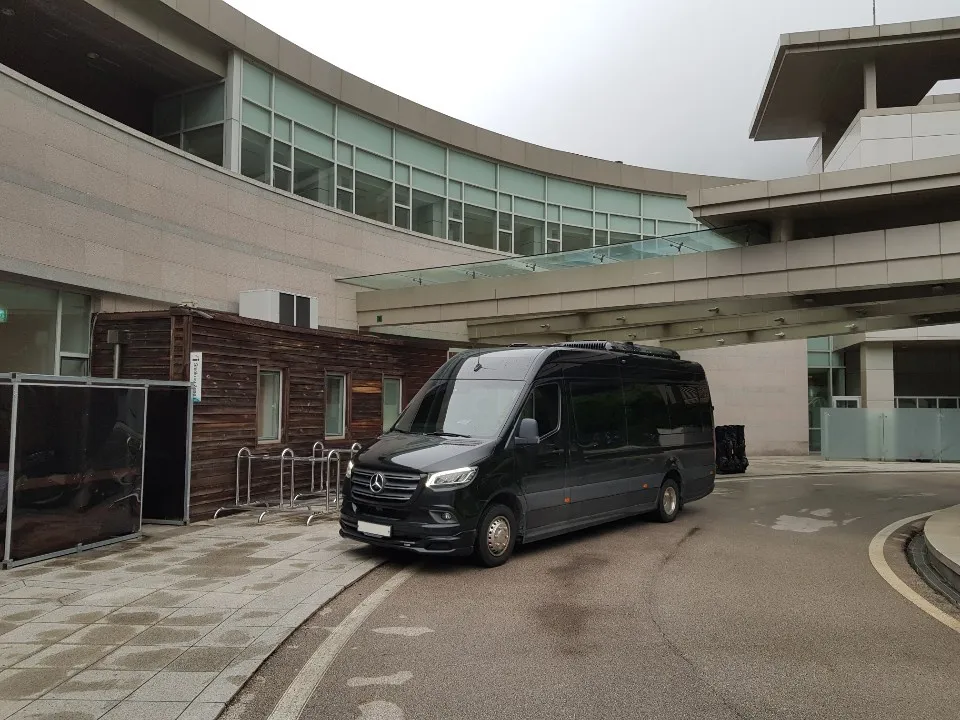
The final approach can matter more than the main highway. Ask the resort which entrance is operating, whether coaches or high-roof vehicles can reach it and where guests may unload during snow clearance. A clear road near the hotel does not establish conditions at a shaded mountain access road. Review current forecasts and road notices close to departure rather than treating a normal-weather estimate as a commitment.
Give the operator the exact lodging building and rental-shop address, since a resort name can cover several separate access points.

Measure the winter load
List ski or snowboard bags by length, boot bags, suitcases and the number of passengers. Tell the operator whether equipment is rented at the resort or carried from the airport; those are very different loading jobs. Seat totals do not establish storage space. Request a layout that keeps equipment secured away from people and leaves exits clear, with a plan for wet items on the return.
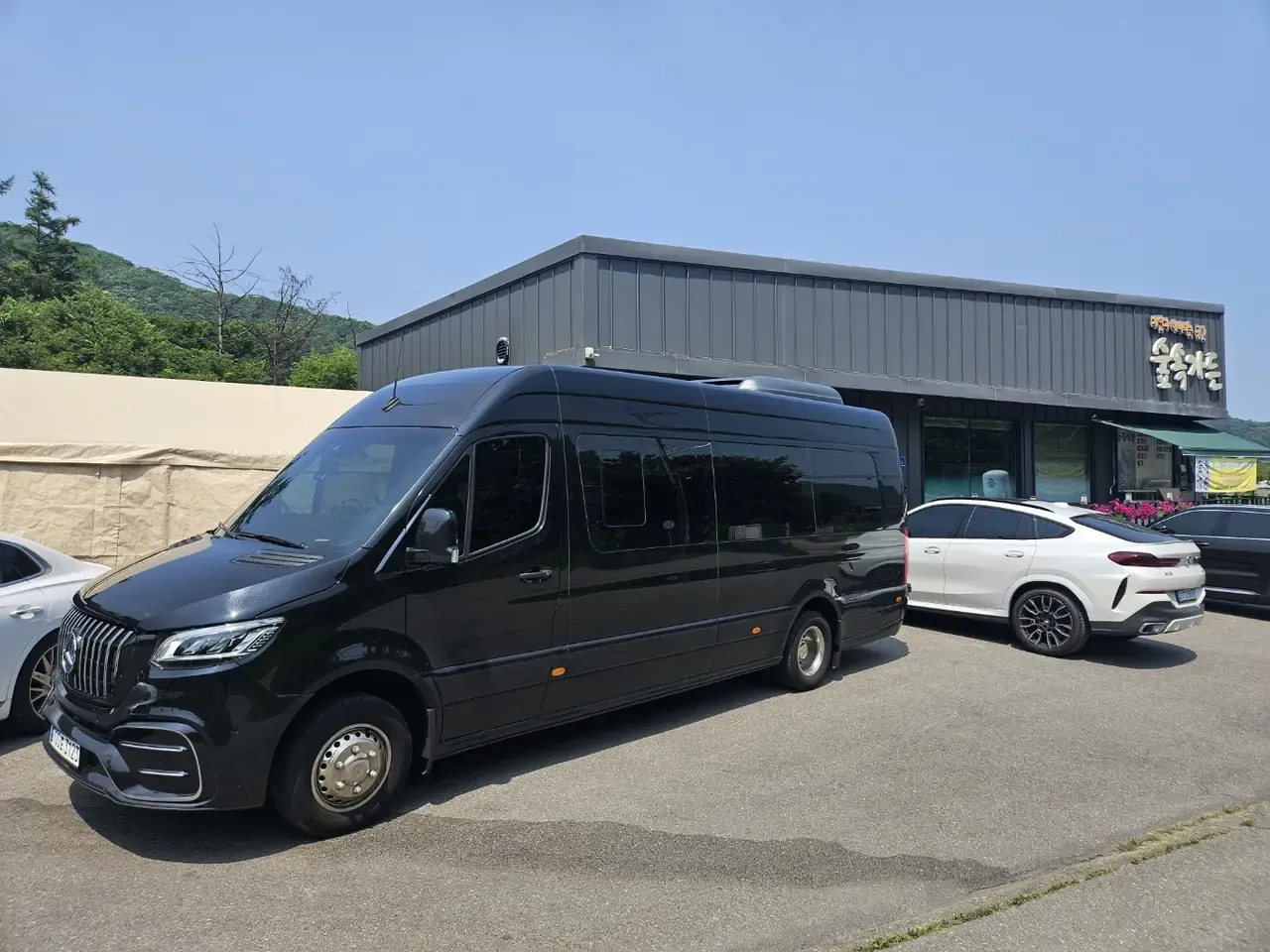
Do not promise a particular van will take the load until its actual configuration has been reviewed.
| Journey | Main challenge | Planning response |
|---|---|---|
| Airport to resort | Suitcases plus long bags | Send a combined inventory |
| Day ski visit | Uncertain finish and wet gear | Agree return contact and protection |
| Mountain lodging | Restricted final approach | Verify the open entrance |
| Winter golf | Course closure risk | Check course status before departure |

Ask about the assigned vehicle
Discuss winter tyres, any traction equipment appropriate to the route, heating and luggage protection with the operator. Availability depends on the assigned vehicle and conditions; the words SUV or premium do not prove traction performance. Ask how the operator decides that a route is unsuitable and who communicates that decision. Never ask the driver to make up lost time or continue against a closure instruction.
Grand’s resort guidance article supports transport and pacing as a service context, not a guarantee of snow equipment or resort operation.

Make a weather alternative useful
Agree when you will review the forecast and how a cancellation, shorter visit or alternative stop affects the transport price. Keep a lowland option that genuinely suits the group rather than forcing a mountain programme into poor conditions. The resort controls lifts, lessons and activity access; your independent provider should explain its own refund and rebooking terms. Transport changes may follow different contractual rules.
Protect the departure flight by avoiding an ambitious mountain return on the same day when the weather outlook is uncertain.
Prepare the return before leaving
Specify where guests will change, collect rented equipment and rejoin the vehicle. A busy resort curb is not a suitable place to sort an entire group’s belongings. Choose a contact who can report when everyone is ready, and agree a lawful pickup point if the original entrance becomes unavailable. Build in rest breaks and enough time to load calmly, especially after a tiring outdoor day.
Keep warm layers accessible, charge phones and carry the resort confirmation offline. Discuss food and drink arrangements before bringing them into the cabin.
Frequently asked questions
Are snow chains guaranteed?
No. Ask what preparation is available on the assigned vehicle and appropriate for the route. Do not infer equipment from the vehicle category or a photograph.
Can the driver wait while we ski?
Request a waiting assignment with start and finish assumptions. Confirm parking, driver duty arrangements, overtime and how the return pickup is triggered.
Can winter golf be included?
Only after the course confirms operation and your tee time. Frost or weather can change access, so coordinate the transport decision with the course’s current notice.
Who books lessons or resort tickets?
Use the resort or your independent activity provider. Grand’s confirmed scope here is transport, protocol and on-site guidance rather than resort operation or activity ticketing.