On this page
A roadshow succeeds when the next move remains understandable after a meeting runs over. Build the day around fixed commitments, realistic entrances and a shared decision process. The chauffeur can support the movement, but the organiser must decide which appointments can shorten, move or be dropped when the programme changes.
Separate fixed meetings from flexible visits
List each appointment’s start, expected finish, Korean address, reception process and host contact. Mark sessions that cannot move, then fit flexible calls or meals around them. Do not fill every apparent gap with another meeting. Elevator queues, visitor registration and collecting the team consume time even when offices are close. An honest schedule includes the transition from meeting room to vehicle, not only the map’s driving estimate.
Ask hosts how early the party should arrive at reception; the meeting start and building arrival target may differ.
Cluster the route before asking for speed
Group meetings within the same area and reduce repeated river crossings where possible. A fixed appointment may override the shortest route, but make that tradeoff visible. Grand’s published roadshow account discusses Gangnam, Yeouido and Gwanghwamun and adjusting approved movements. It supports a coordinated transport approach, not a guarantee that a dense cross-city programme can always be completed on time.
If a stop creates a large detour, consider a remote meeting or a separate day before booking transport.
| Appointment detail | Decision it supports |
|---|---|
| Fixed or flexible | Which meeting is protected first |
| Reception target | When the vehicle should arrive |
| Korean entrance address | Where the driver approaches |
| Expected release time | When the next leg becomes feasible |
| Latest acceptable departure | When the host must decide to shorten or split |
Define standby at every building
A vehicle cannot necessarily remain at the lobby door while a meeting takes place. Agree a permitted drop-off, a nearby waiting approach and the contact who reports readiness. The driver may need notice to return from parking. For a large campus, check whether vehicle registration is required and whether the same gate handles departure. Include parking costs and waiting time in the proposal instead of leaving them implicit.
Keep one person with responsibility for telling the transport contact when the whole party is ready, not just the principal.
Prepare the team between appointments
Use the journey for a short next-stop briefing, a rest or essential calls according to the passengers’ preferences. Confirm any screen, charging or connectivity requirement on the assigned vehicle. A cabin is not a certified secure meeting room; use company-approved devices and communications for sensitive material. Keep documents and bags secured, and avoid planning a demanding working session throughout a long journey after an overnight flight.
If advisors need separate discussions or meetings, a second assignment may be more useful than placing everyone in one cabin.
Set the rule for a running delay
Choose an organiser who can approve the next destination, tell hosts about revised arrivals and authorise extra vehicle time. When a meeting overruns, compare the next reception target with the realistic route before deciding to proceed. Protect the final flight transfer separately from optional visits. Ask what happens if the assignment extends beyond its booked finish; vehicle and driver availability cannot be assumed indefinitely.
Close the briefing with the current itinerary version, change authority, final destination and an agreed point for reviewing the remaining day.
Frequently asked questions
Should a roadshow use hourly or separate transfers?
Compare both against the actual uncertainty. A continuous assignment helps with changing release times, while separate transfers can suit long gaps with firm pickup times.
Can the driver rearrange meetings independently?
The organiser should approve business changes. The chauffeur can assess movement implications and carry out an agreed revision, but should not decide which client meeting is cancelled.
Are vehicle screens and Wi-Fi standard?
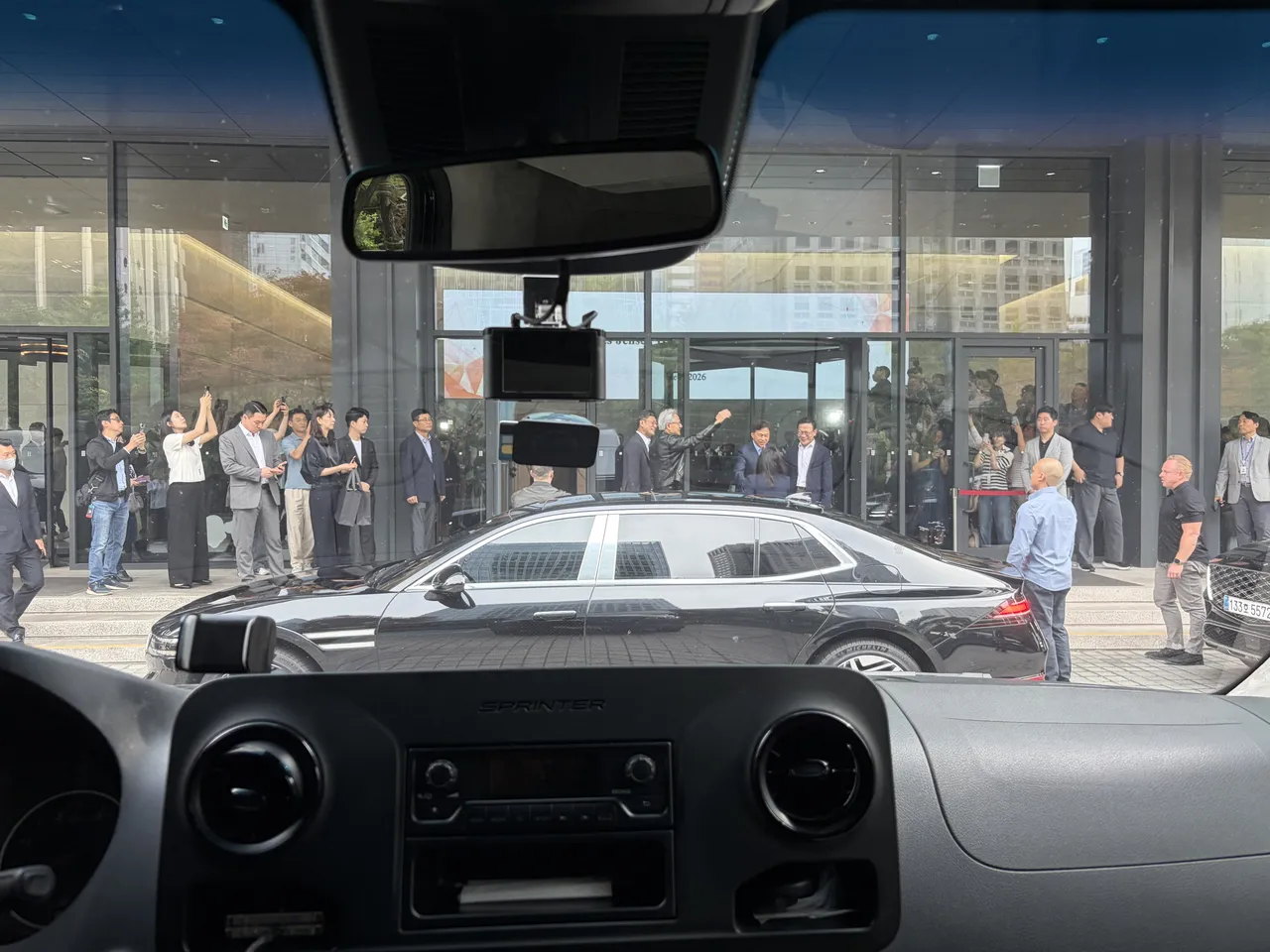
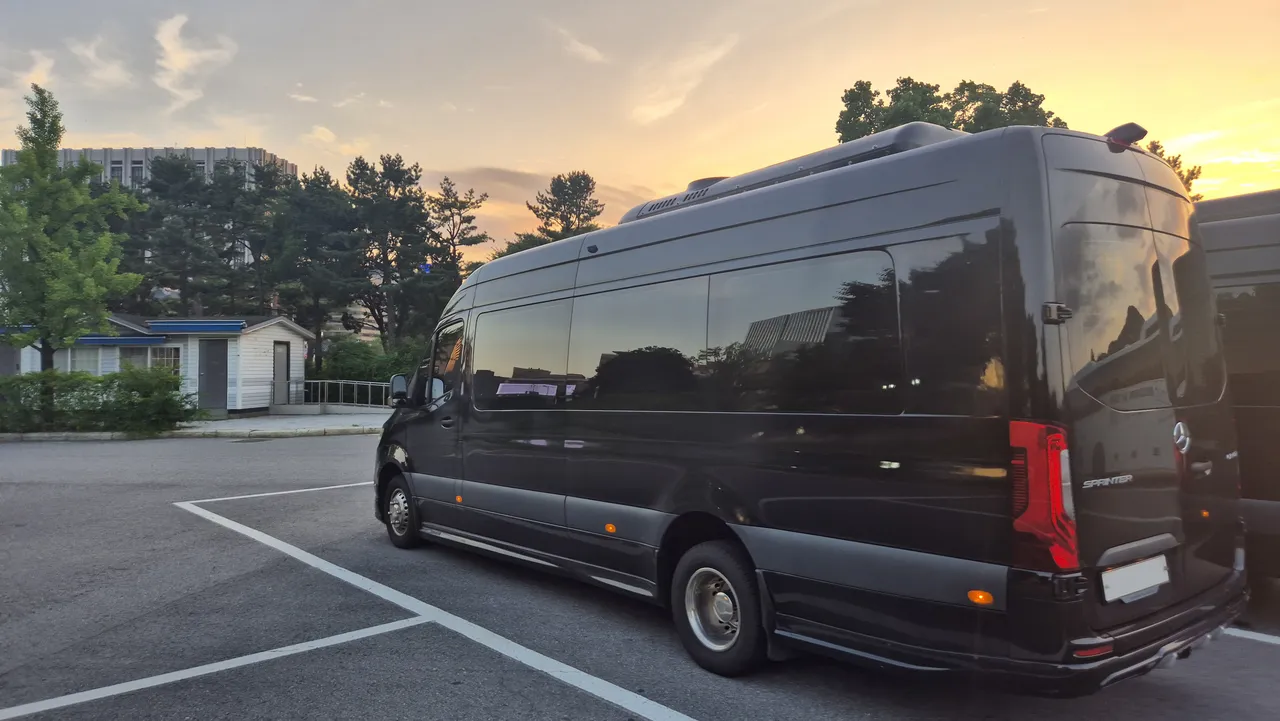
Do not assume them. Grand has published a screen-supported Sprinter case, but specific equipment and connectivity need confirmation for your assigned vehicle.
What if the last meeting risks the departure flight?
Use a predefined latest departure and remove optional activity. Ask the airline for airport requirements and the operator for a realistic road plan, including contingency.