On this page
A conference shuttle needs enough seats at the moments attendees actually travel, plus a place where vehicles can load without blocking the venue. Start with hotel demand and session deadlines, then test the route and boarding process together. Published departure times are useful only when the whole loop can realistically support them.
Map the demand by hotel and session
Collect expected riders for each hotel, the earliest session they need to reach and any different departure needs. Registered attendees are not the same as shuttle riders. Some may walk, take public transport or arrive from other locations. Use registration questions or hotel coordinators to produce a practical demand estimate and update it as the event approaches.
Separate the morning arrival peak from evening return groups. A dinner, exhibition closing or simultaneous session finish can create a short demand surge that a quiet midday schedule does not reveal.
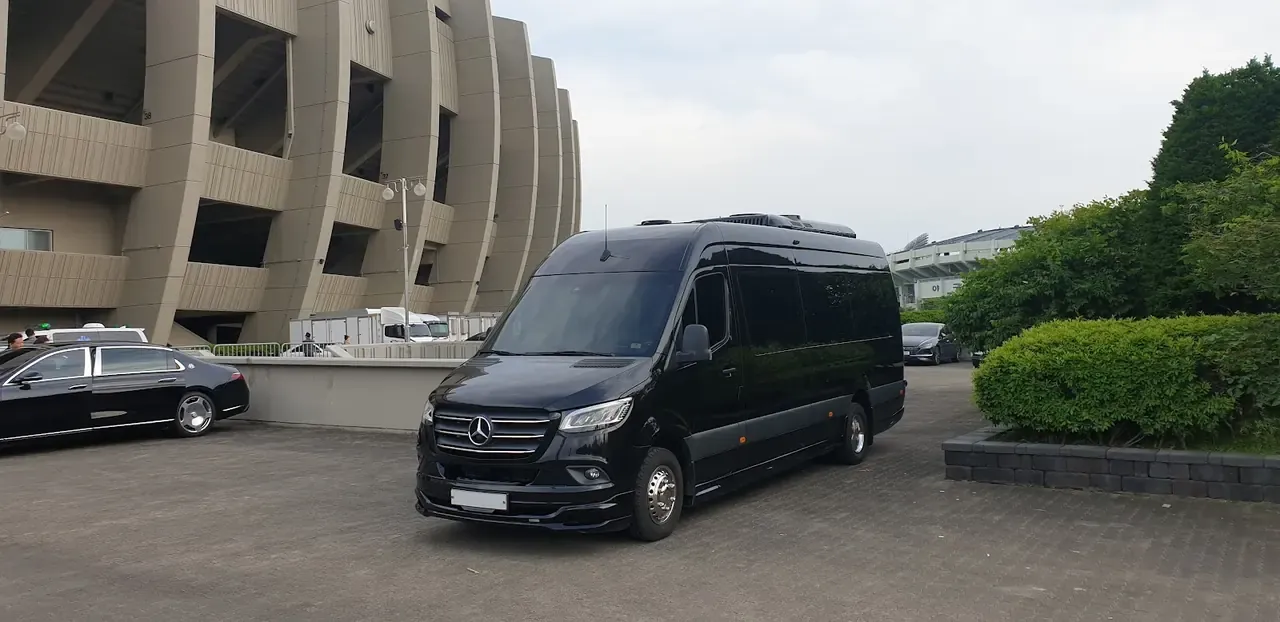
Compare direct trips with a hotel loop
A loop can collect several smaller hotel groups, but each stop adds approach, boarding and traffic exposure. A direct route is easier to explain and may better serve a large hotel group. Compare the entire cycle: outbound travel, loading and unloading, repositioning, return travel and recovery time. Dividing by road travel alone overstates possible frequency.
For example, 60 expected riders cannot board one vehicle offering 28 confirmed attendee places. They need at least three departures or sufficient additional vehicles, before allowing for uncertainty. Actual usable attendee capacity must be confirmed for each assignment.
| Pattern | Best planning use | Main constraint |
|---|---|---|
| Direct hotel to venue | One concentrated hotel group | Enough seats at the peak |
| Multi-hotel loop | Several smaller nearby groups | Added stops lengthen the cycle |
| Timed departure batches | Sessions begin at fixed times | Clear boarding cutoff and overflow plan |
| Separate speaker car | Different backstage deadline | Coordinate independently of the main shuttle |
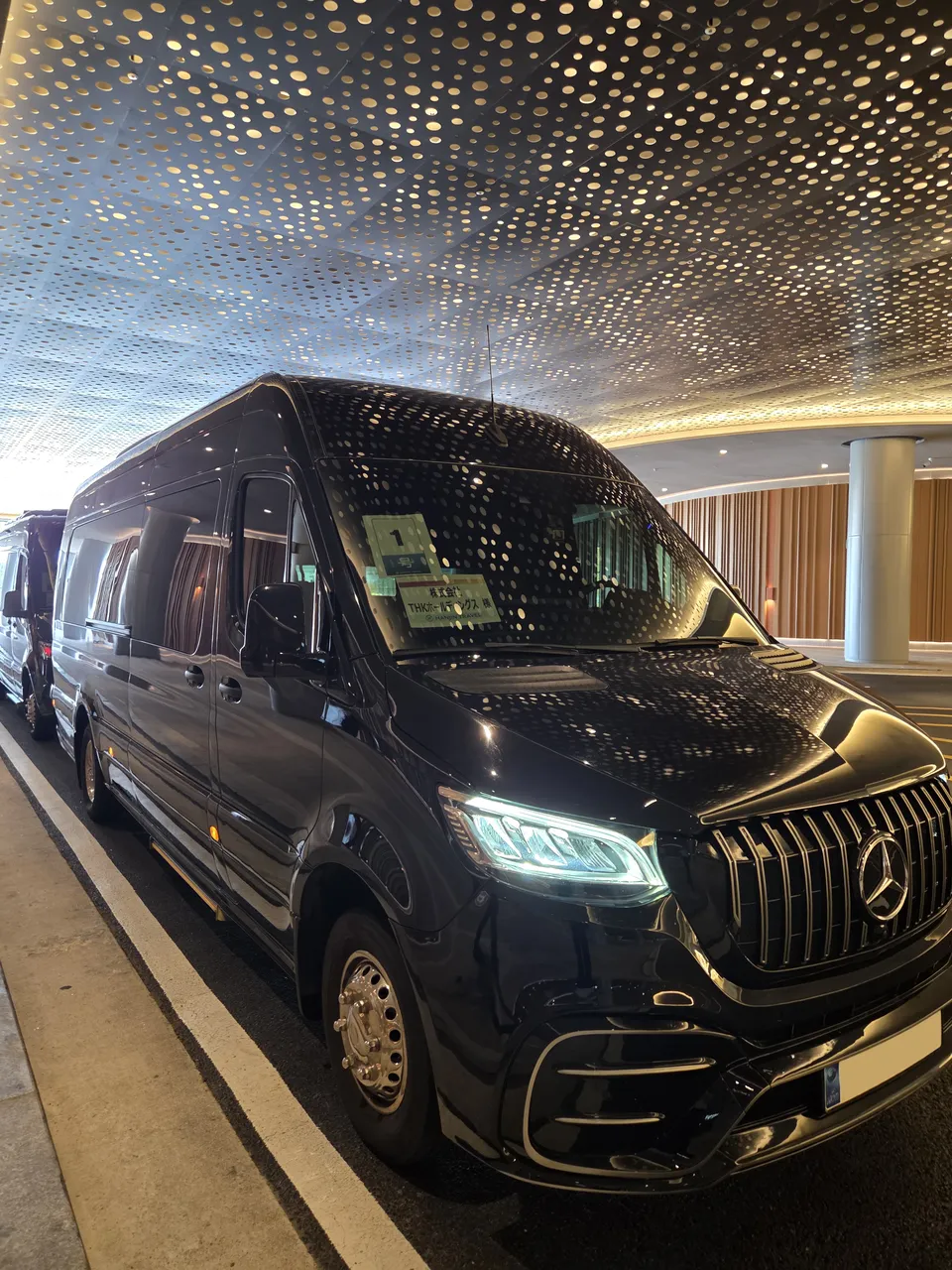
Match the vehicle to the loading point
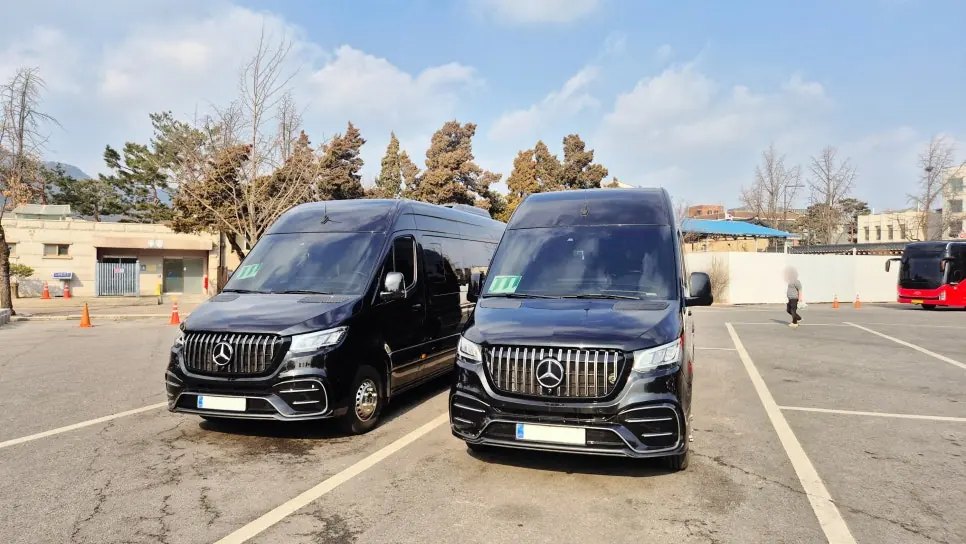
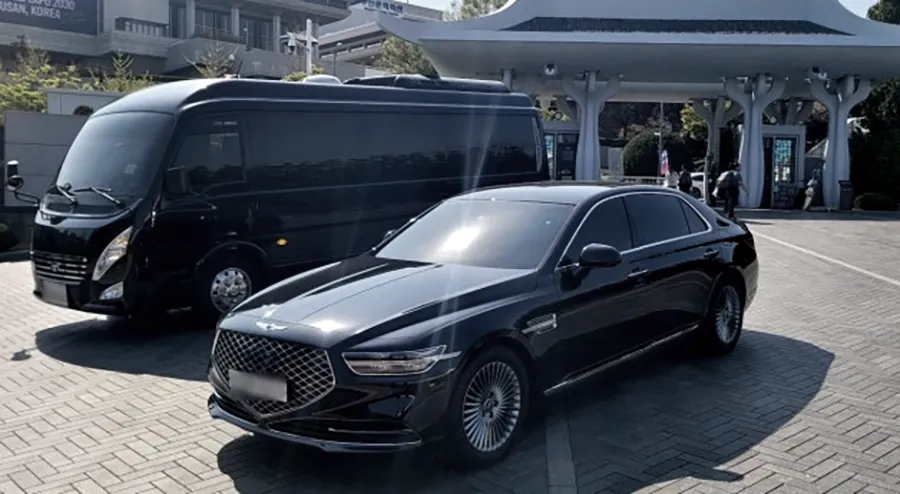
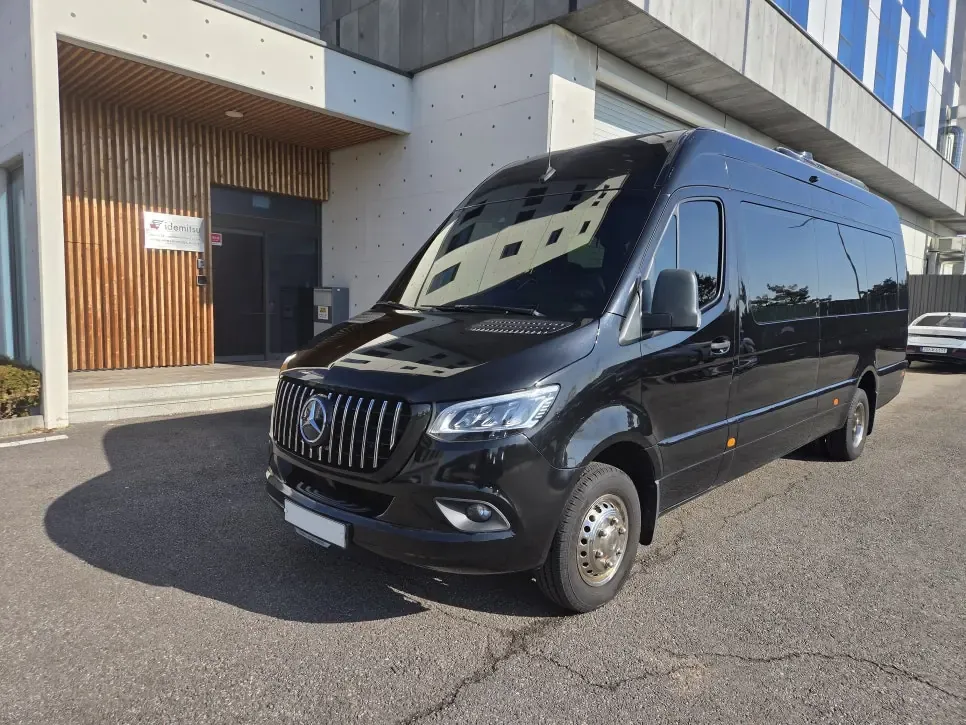
Premium Limousine Bus · 20, · 28 and · 45 options are on request. Larger vehicles may reduce the number of trips while needing more stopping and turning space. Passenger vans such as the Mercedes-Benz Sprinter Limousine · 15 may suit a smaller movement, subject to actual seating and load review.
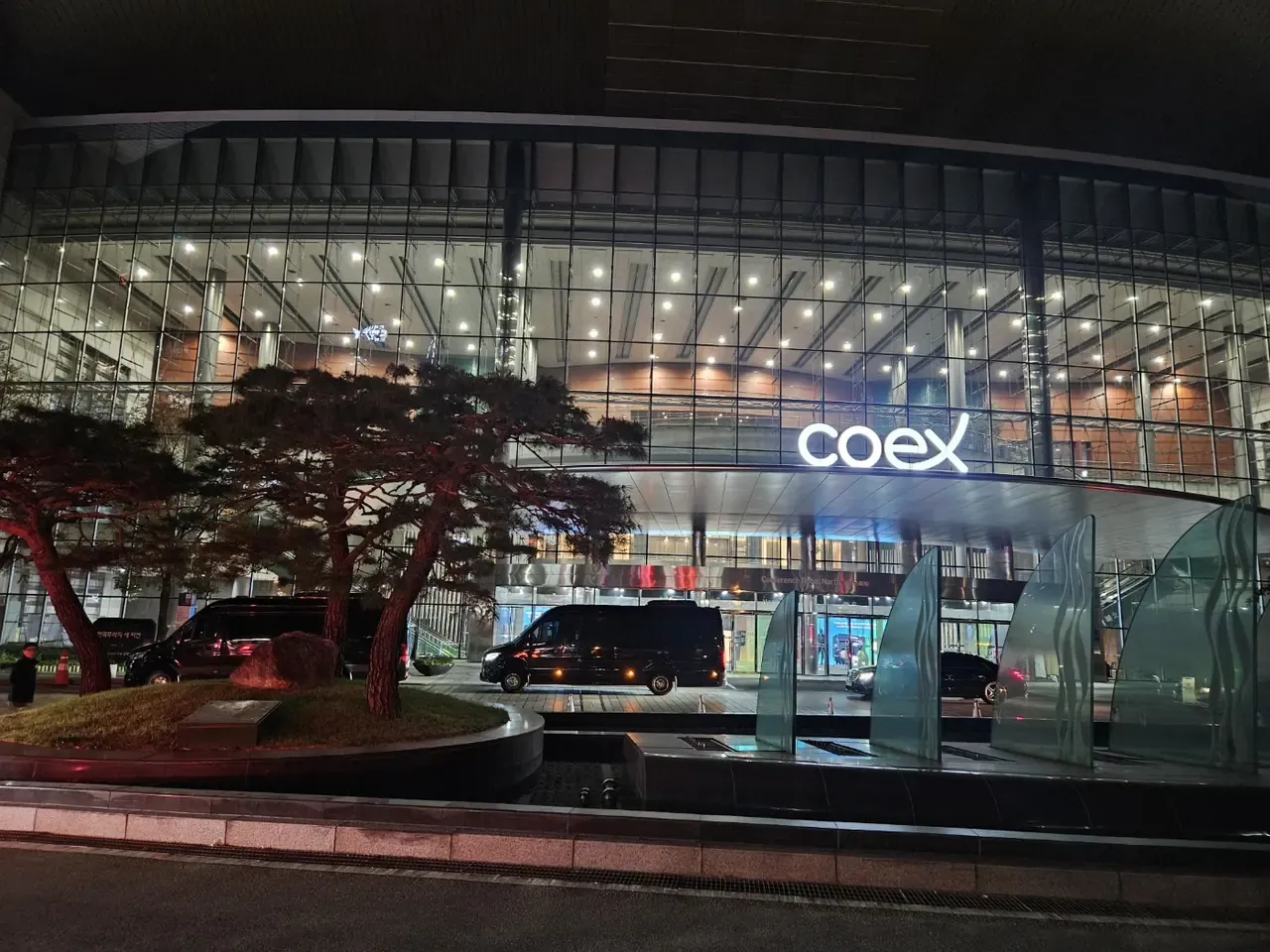
Ask COEX or your specific venue for the approved loading point, access rules and waiting location for the assigned vehicle. Do not advertise a subway or roadside stop until permission and safe pedestrian access have been checked.
Design the attendee’s short journey to the shuttle
Give attendees a stop name, a marked map, the first and final departure, and an event contact. Distinguish the pickup location from the hotel’s general street address. Place a coordinator where guests naturally gather, then move ready groups to the loading point as permitted. Avoid relying on a bus waiting indefinitely at a busy entrance.
Grand’s international conference account stresses that large sites have several entrances. Include the walking route from the drop-off to registration or the relevant hall, so arriving at the venue does not leave attendees searching for the next step.
Publish a simple delay and overflow policy
Identify who tells attendees when a shuttle is delayed and who can approve an additional vehicle. Use an updated event message or staffed information point so guests do not wait at an abandoned stop. When demand exceeds seats, state the next departure or a host-approved alternative rather than allowing an unrecorded queue to build.
Request a custom quote for the vehicle periods, planned trips, on-site coordination and any reserve capacity. Clarify overtime, parking and route changes before printing the schedule.
- Estimate riders by hotel and required arrival.
- Review the complete cycle and usable passenger places.
- Confirm loading, waiting and pedestrian access.
- Name the person who publishes delay updates.
Frequently asked questions
How many shuttle vehicles do we need?
Use confirmed rider demand, usable attendee seats and the full route cycle. Check the busiest departure period rather than averaging demand across the whole day.
Should we promise a regular loop every few minutes?
Only after the full cycle supports that frequency. Fixed departure batches may be easier to operate and communicate for session-based demand.
Can the shuttle stop beside any COEX entrance?
Use the loading point and access instructions approved for your event and vehicle. A convenient entrance on a map does not establish stopping permission.
Should keynote speakers use the main shuttle?
A separate transfer may be appropriate when backstage reporting or equipment needs differ. Keep the speaker movement linked to its own host and deadline.