
On this page
An airport-transfer programme for a company is a collection of handoffs, not one luxury-car booking repeated several times. Different flights, hosts and luggage profiles need a common operating brief. Compare proposals by how they handle the actual arrival batches and changes, then define what a completed transfer means for your team.
Build an operational manifest, not a guest biography
Create one controlled list containing the local arrival date, operating flight, airport, terminal, group contact, destination and passenger count. Add luggage and functional requirements, such as language or limited walking ability, only where needed. Separate sensitive executive information from the operational list and define who may access it. Each revision should have a date or version so the operator does not allocate vehicles against an obsolete spreadsheet.
Grand’s international group account describes support across arrival and departure. A buyer can use that continuous-flow approach without assuming every programme has identical inclusions.
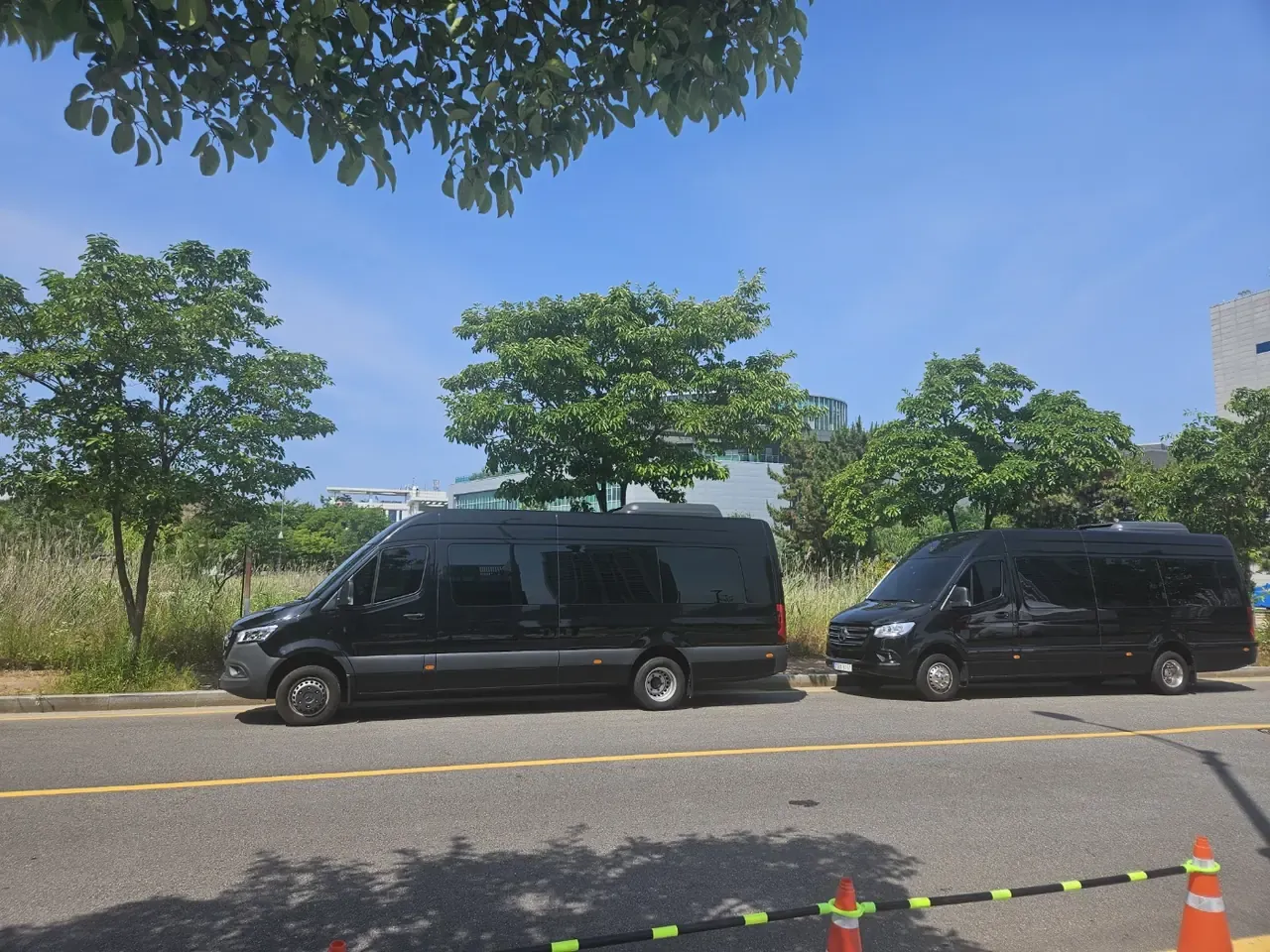
Choose arrival batches deliberately
Delegates landing near one another may not become ready together. Different terminals, baggage issues or a delayed flight can make a combined vehicle impractical. Decide whether to wait for a complete batch or release ready passengers and handle the remainder separately. Compare the cost and guest impact of those choices in advance. For larger groups, buses remain on request and require confirmed availability, loading arrangements and access at the hotel.
Use the table to make grouping decisions before requesting the final assignment.
| Situation | Planning choice | Written boundary |
|---|---|---|
| Same flight and hotel | One defined group | Final passenger and bag count |
| Different terminal arrivals | Separate meeting arrangements | Whether vehicles can combine |
| Delayed delegate | Wait or release the ready group | Decision owner and extra cost |
| Different hotels | Agreed drop-off sequence | Additional movement and finish |
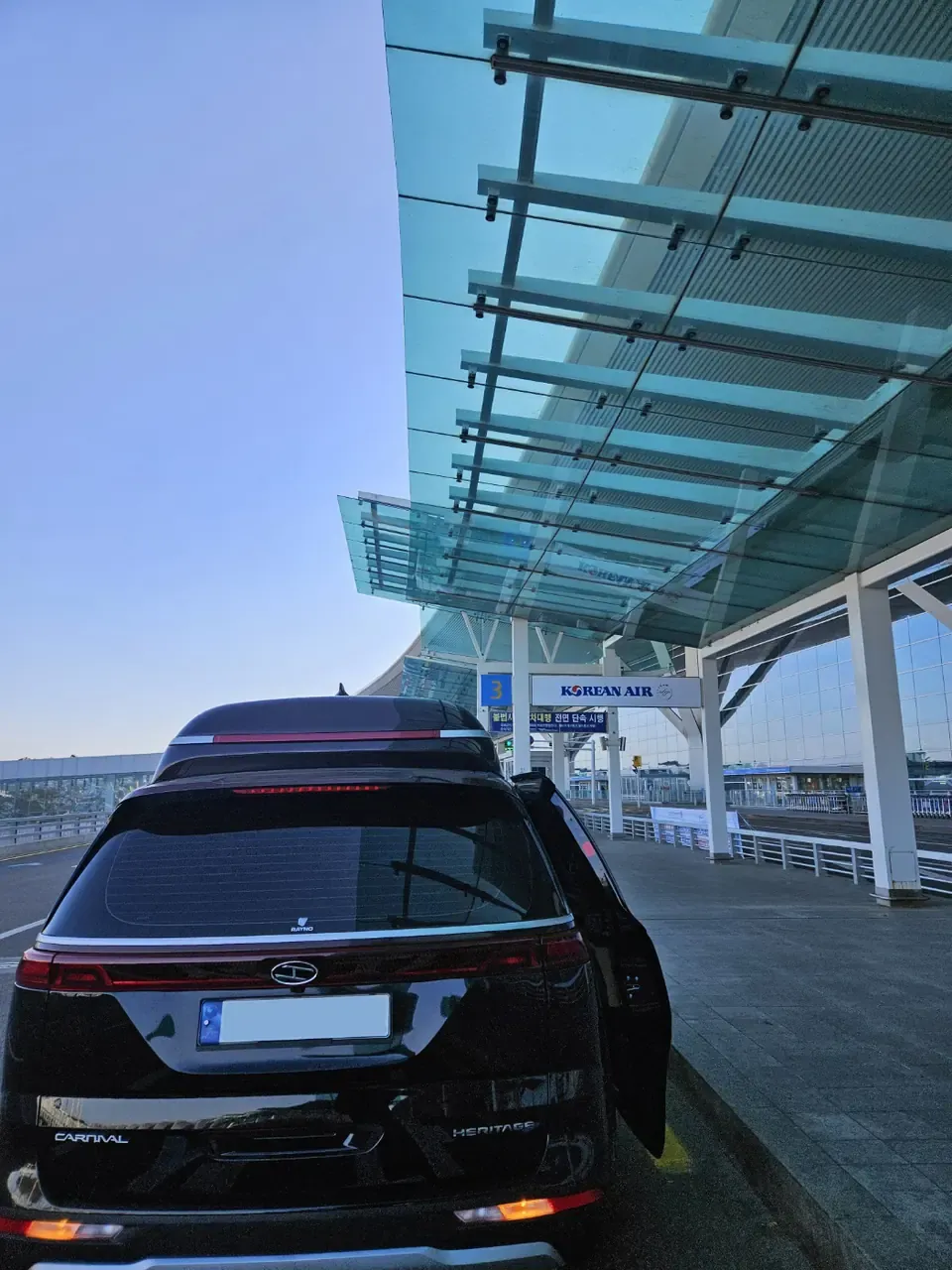
Compare evidence and inclusions on the same basis
Ask every proposal to identify the operating arrangement, vehicle category and actual seating assumptions. The latest fleet totals include front seats, so do not convert them directly into delegate capacity. Check luggage assessment, language assignment, meeting assistance, waiting, parking, toll treatment and cancellation terms. A branded presentation is secondary to a proposal that makes each service boundary understandable. Ask for the operator and insurance evidence needed by your procurement process.
Do not score a supplier on unsupported claims of unrestricted airport access, automatic delay cover or fixed citywide driving minutes.
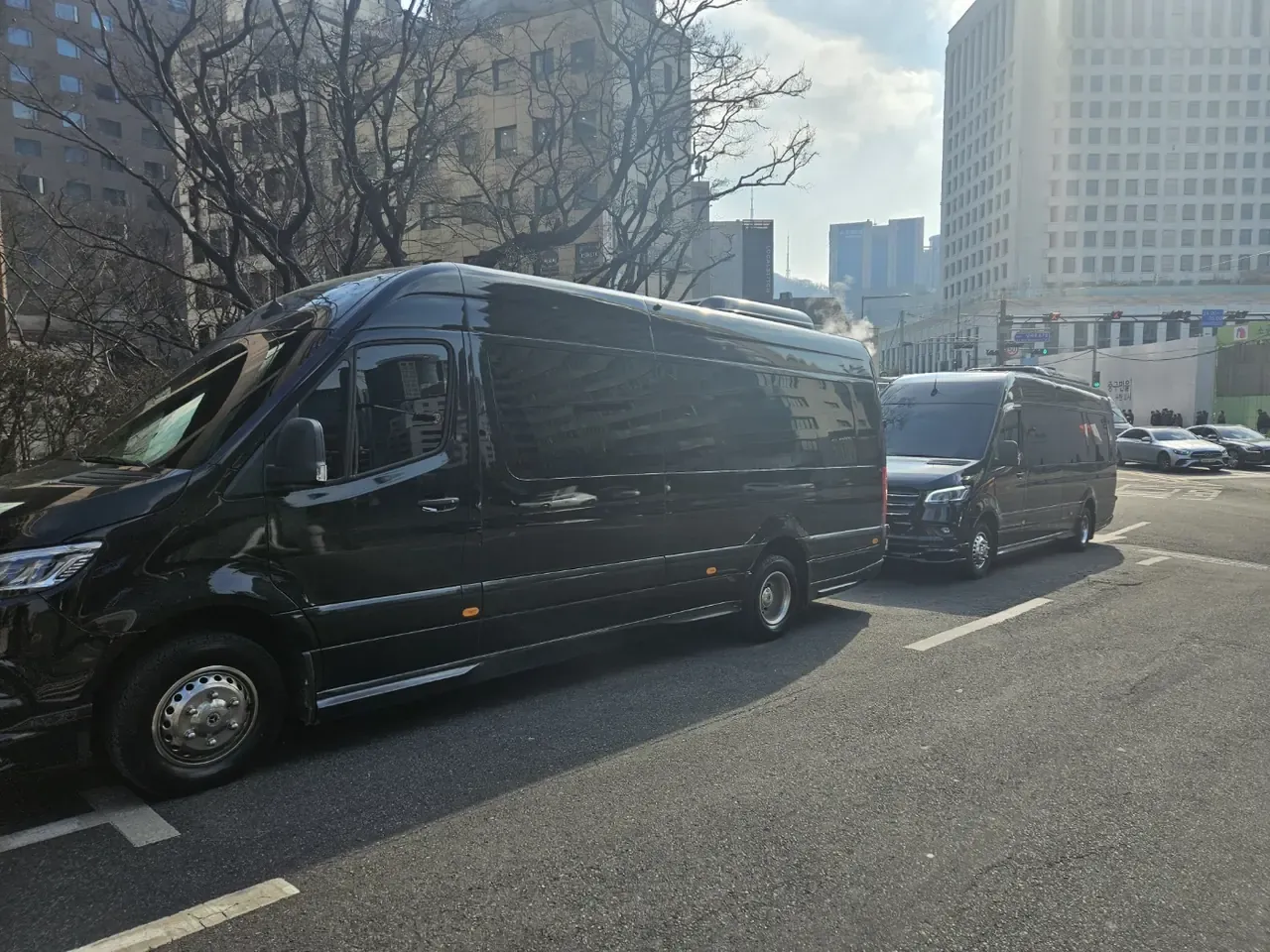
Give one coordinator authority to change the plan
Define who may approve extra waiting, a second vehicle, a different hotel or a later meeting. Give guests a simple contact route, while the coordinator keeps decisions in one operating channel. If a flight changes, update the manifest and acknowledge the revised assignment. For branded signs, approve concise wording and the necessary logo use; design services and welcome-material procurement should be arranged independently if required.
An escalation plan should identify the decision owner and the available options rather than promise that every change can be accommodated immediately.
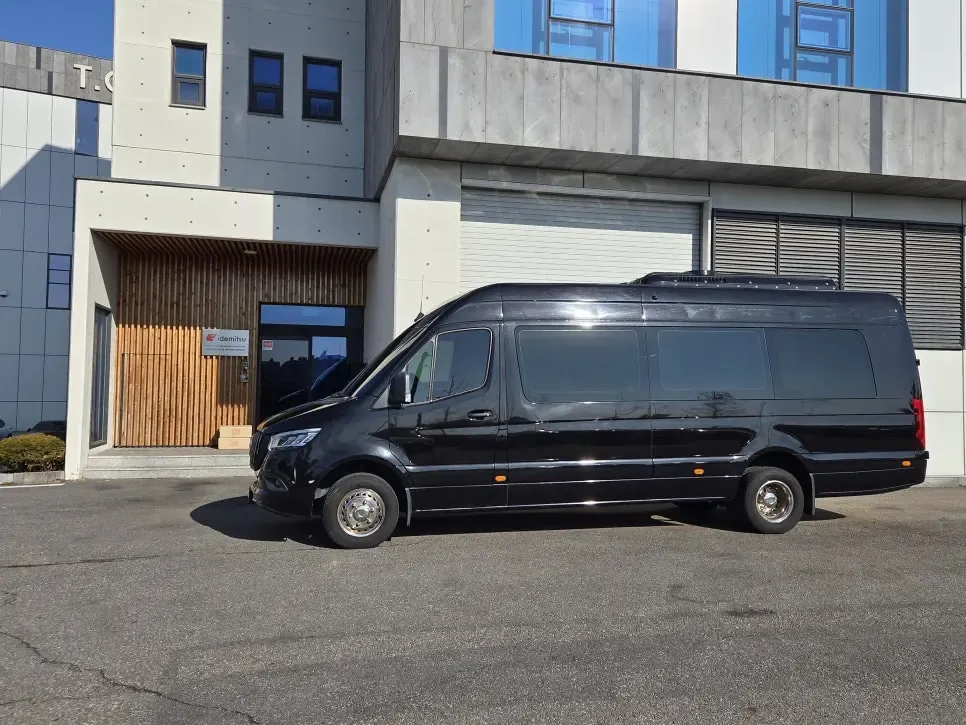
Define the receiving handoff and close the movement
A programme is not complete merely because the vehicle reached a postcode. Confirm the receiving entrance, host or reception arrangement and any next movement. Establish a modest completion report: group delivered, relevant time and any unresolved operational issue. Avoid unnecessary guest photographs or document copies. Reconcile approved extras against the revised manifest and retain the written basis for charges so the organiser can understand the final invoice.
Before departure day, review the manifest again; an accurate arrival programme does not automatically create a correct return schedule.
Frequently asked questions
Can nearby flight arrivals share one vehicle?
Possibly, but assess terminals, readiness, luggage and destinations first. Agree whether the ready group waits and who approves a separate movement if a flight is delayed.
Does a 15-seat Sprinter carry 15 delegates?
The listed total includes front seats: front 2 plus rear 13. Delegate seating and luggage must be assessed for the assignment rather than inferred from the model label.
Are airport waiting and tolls always included?
Use the written terms of the programme. Ask for waiting measurement, delay handling, parking and toll treatment so all proposals can be compared consistently.
What should a completion report contain?
Agree only the information needed to close the handoff, such as the delivered group, relevant time and outstanding issue. Keep unnecessary personal details and guest photographs out of routine reporting.