On this page
The right group vehicle is the one that fits the actual assignment, not the largest number printed beside a photograph. Passenger needs, bags and venue access must be assessed together. Grand’s current fleet standard lists total seats including the front row; those figures are not a promise of guest capacity with luggage.
Count people by role and needs
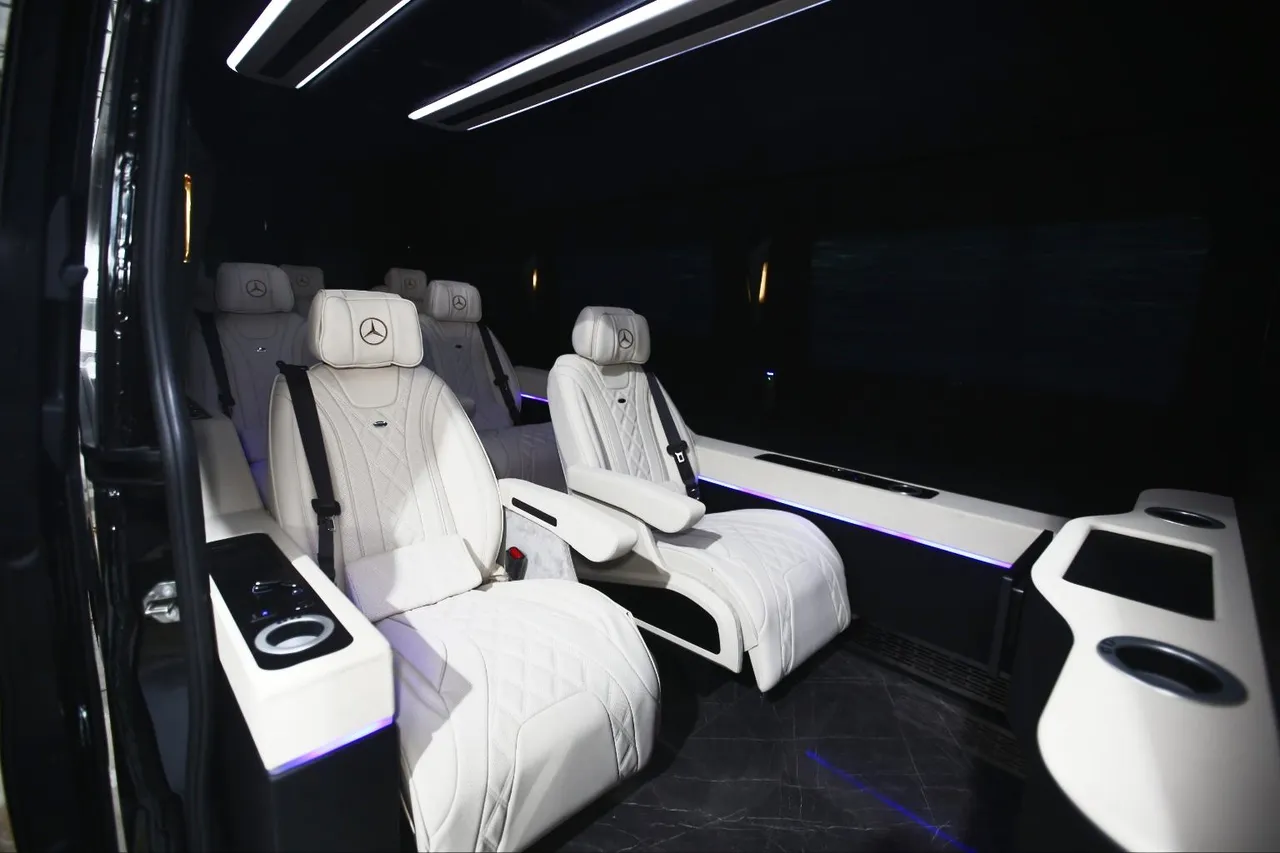
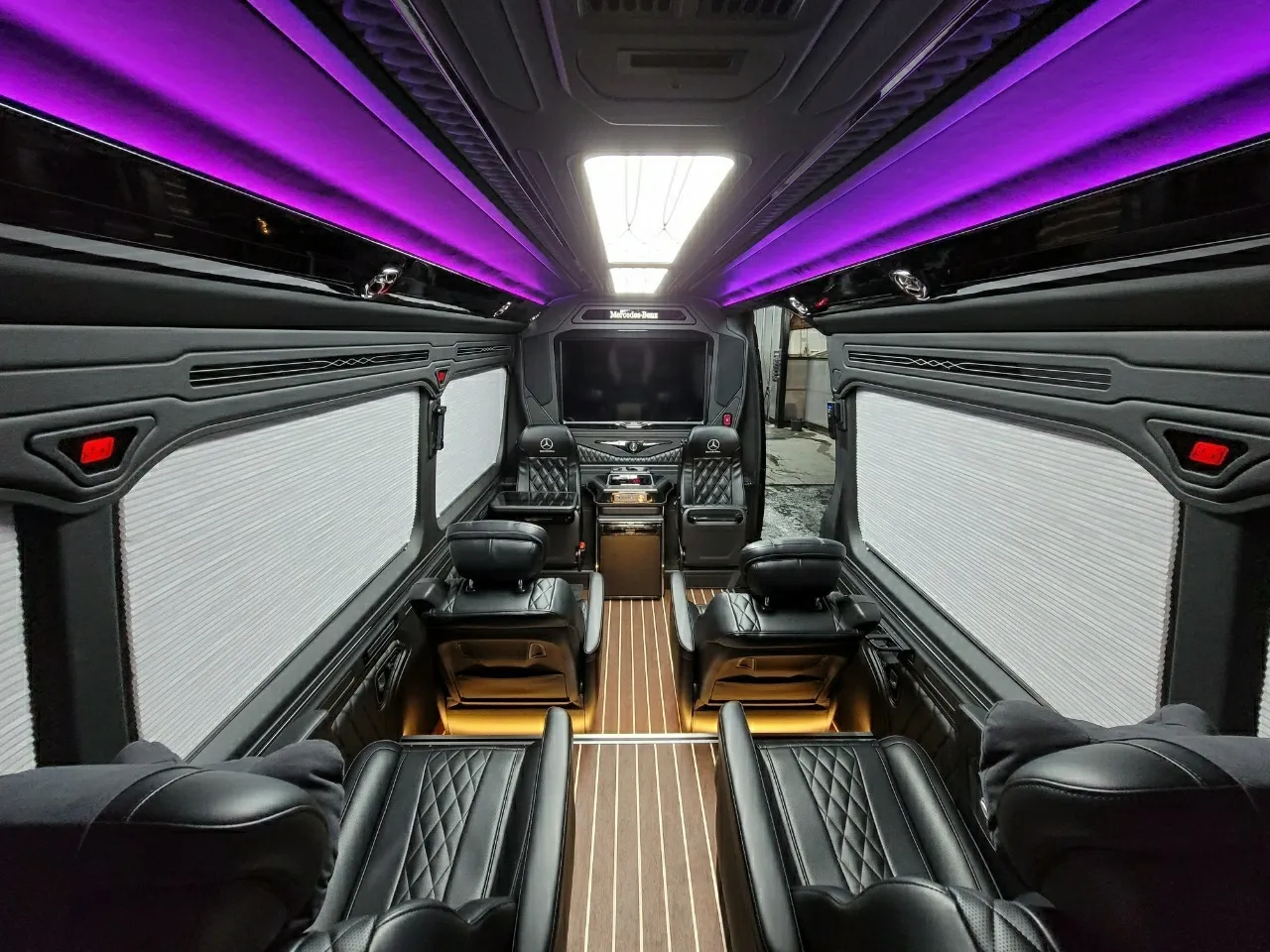
List guests, accompanying staff and any independent guide together, identifying who must travel in the same vehicle. Include children and describe any restraint request before selecting the layout. A group size is not just the number of paying visitors: a host or interpreter also needs an assigned seat. Ask about the actual arrangement of front and rear positions, particularly if the principal expects the whole party to sit together in the rear cabin.
Describe dimensions, not only bag counts
A soft overnight bag and a rigid international suitcase create very different loading demands. Record case dimensions, carry-ons, golf bags, strollers and mobility equipment separately. Say whether items must remain accessible during travel and whether the return load will grow through shopping. A folded wheelchair still needs a measured space; carrying it does not establish wheelchair-occupied travel capability. Ask for the assigned vehicle’s loading assessment and boarding arrangement before accepting a proposed passenger count.
Read the current fleet figures correctly
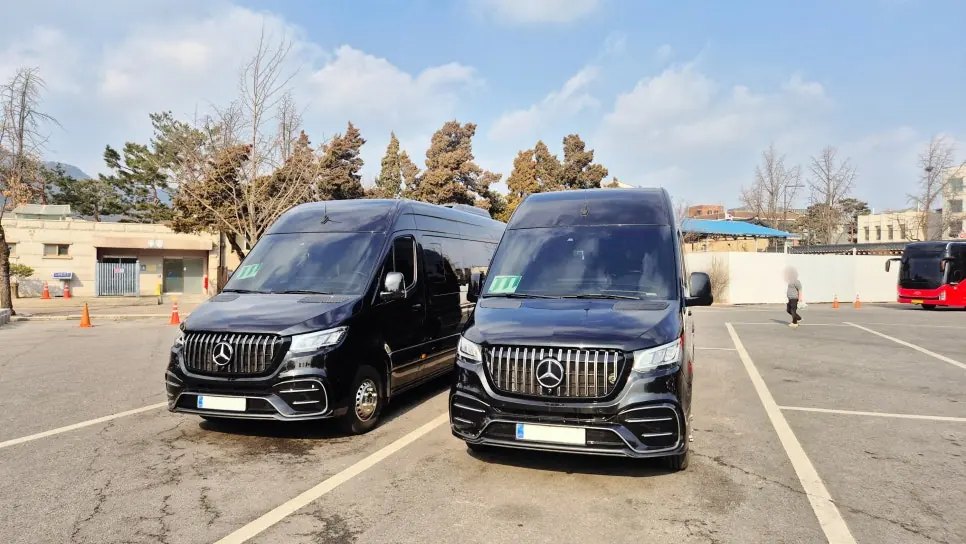
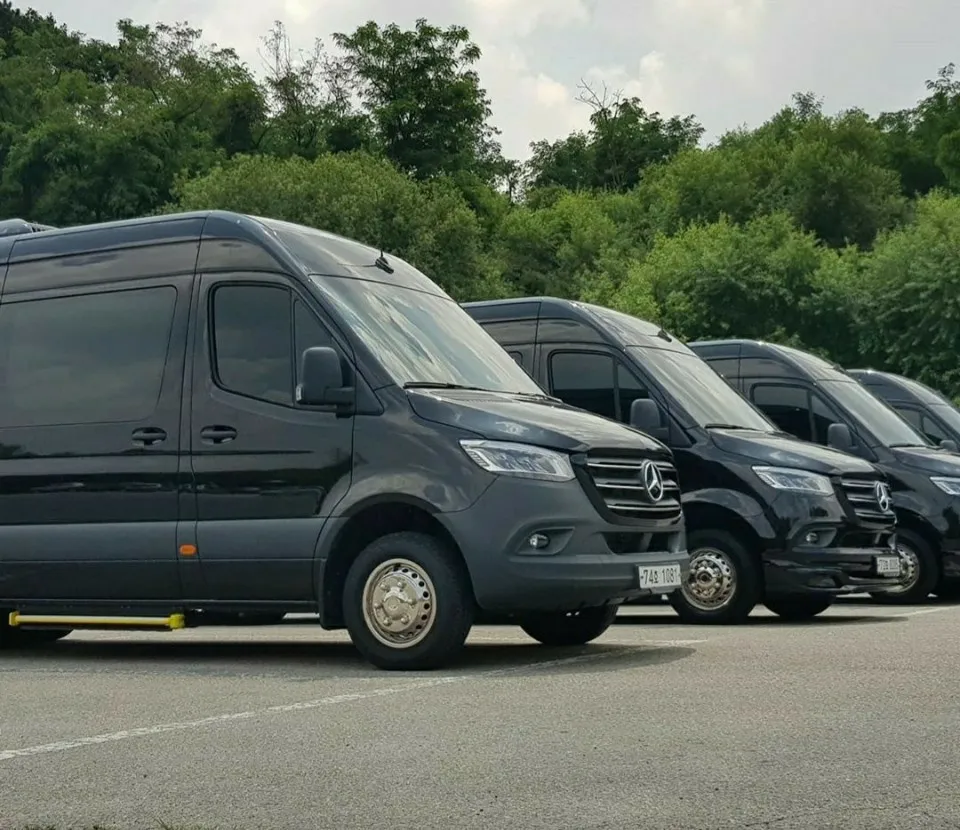
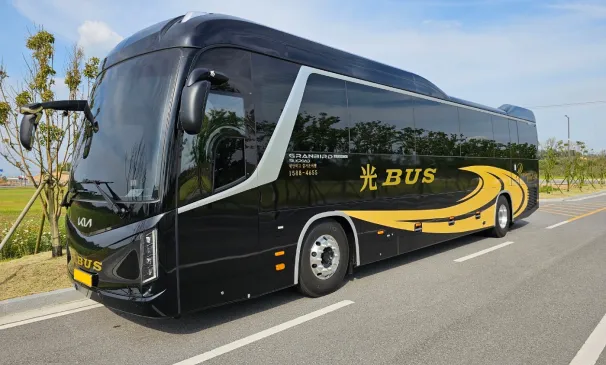
Use the latest vehicle standard rather than an older blog specification or a generic model description. Sprinter and Solati configurations are passenger vans; the table shows total seats and front/rear distribution where specified. The six-seat SUV group includes Toyota Alphard HEV, Toyota Lexus LM and Kia Carnival Hi-Limousine. Premium Limousine Buses of 20, 28 or 45 total seats are on request. None of these totals should replace an individual loading and availability check.
| Vehicle | Total | Front + rear |
|---|---|---|
| Mercedes-Benz Sprinter Limousine · 9 | 9 | 2 + 7 |
| Mercedes-Benz Sprinter Limousine · 10 | 10 | 2 + 8 |
| Mercedes-Benz Sprinter Limousine · 15 | 15 | 2 + 13 |
| Hyundai Solati Limousine · 9 | 9 | 2 + 7 |
| Hyundai Solati Limousine · 15 | 15 | 2 + 13 |
Compare one vehicle with coordinated vehicles
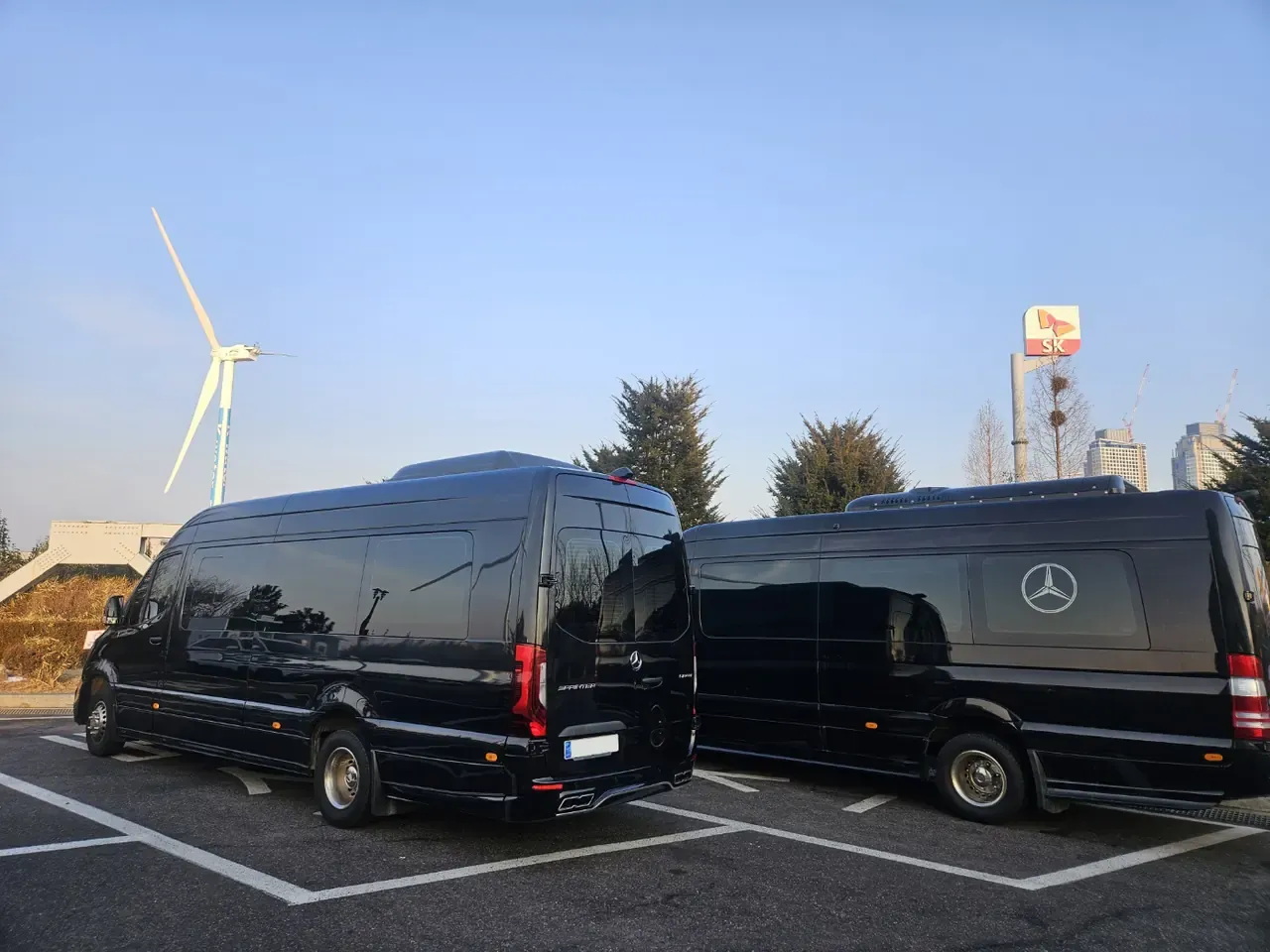
Keeping everyone together simplifies briefings, but it is not always the most comfortable arrangement. Separate arrival batches, principal and staff roles, hotel destinations or bulky equipment may justify multiple vehicles. Conversely, extra vehicles need clear passenger assignments and venue staging. Give each car a passenger list and one organizer, and avoid last-minute swaps that separate a bag from its owner. Grand’s international group case demonstrates coordinated Sprinter operations without establishing a universal capacity formula.
Check the places the vehicle must enter
A vehicle that works on the highway may face a hotel height restriction or a narrow restaurant approach. Share garage clearances, loading areas and every collection point with the operator. Request the lawful boarding location and the practical walk from it, rather than assuming door access everywhere. The written quote should identify the vehicle configuration, dates, service window, waiting and extra-stop terms. Obtain separate confirmation for child seats, language assignment or specialist boarding equipment.
Frequently asked questions
Does a nine-seat van carry nine guests?
The published nine-seat total includes two front positions. Ask for usable guest seating after the chauffeur, accompanying staff and luggage are accounted for.
Is a larger vehicle always easier?
Not necessarily. Venue access, boarding needs and parking restrictions can outweigh extra seats. Review the complete route before selecting the largest available format.
Can we use the same capacity for a golf day?
Golf bags and suitcases must be assessed together. A comfortable city passenger arrangement may not work for an airport-to-course transfer with full equipment.
Are onboard food and equipment guaranteed?
Confirm the specific assignment and cabin rules. Do not infer refreshments, connectivity or equipment from a different vehicle’s photographs or a general fleet description.