On this page
An incentive trip brings together people who may not share flights, luggage needs or daily activities. The transport plan should reflect those differences while keeping the program easy to follow. Build a simple movement system before assigning vehicles, with a clear owner for each boarding group.
Turn the program into movements
Start with confirmed hotel, venue and activity addresses. Create a row for every movement, including who travels, the passenger entrance, the boarding deadline and the receiving contact. Keep sightseeing and event bookings with the customer’s chosen providers; Grand’s role is chauffeured transport, protocol and on-site guidance. A compelling activity description is not enough to dispatch a vehicle if the meeting point or finish time remains unknown.
Mark optional activities separately so removing one does not accidentally cancel an essential hotel or airport transfer.
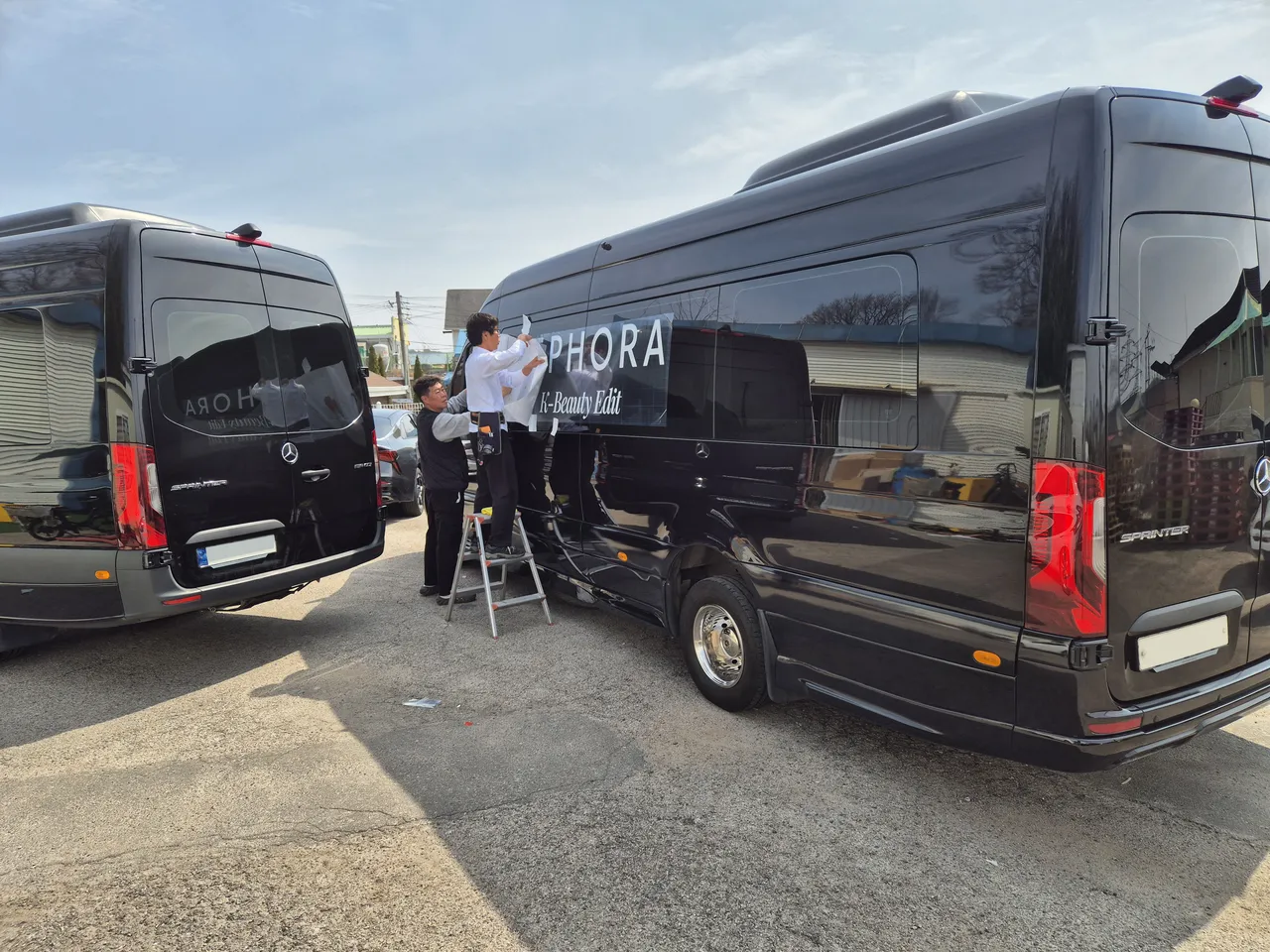
Build workable arrival batches
Group travelers by airport, terminal, actual flight and readiness window. A large coach is useful only when enough guests can board together without a prolonged wait. Earlier arrivals may need a separate hotel transfer, while late arrivals need their own receiving plan. Give each movement a coordinator and reconcile the passenger list before departure. Do not send all travelers one generic airport message when they have different meeting instructions.
Grand’s conference account describes matching delegation vehicles to people, equipment and event timing; use the same operational basis for an incentive group.
| Movement | Vehicle approach to review | Coordination priority |
|---|---|---|
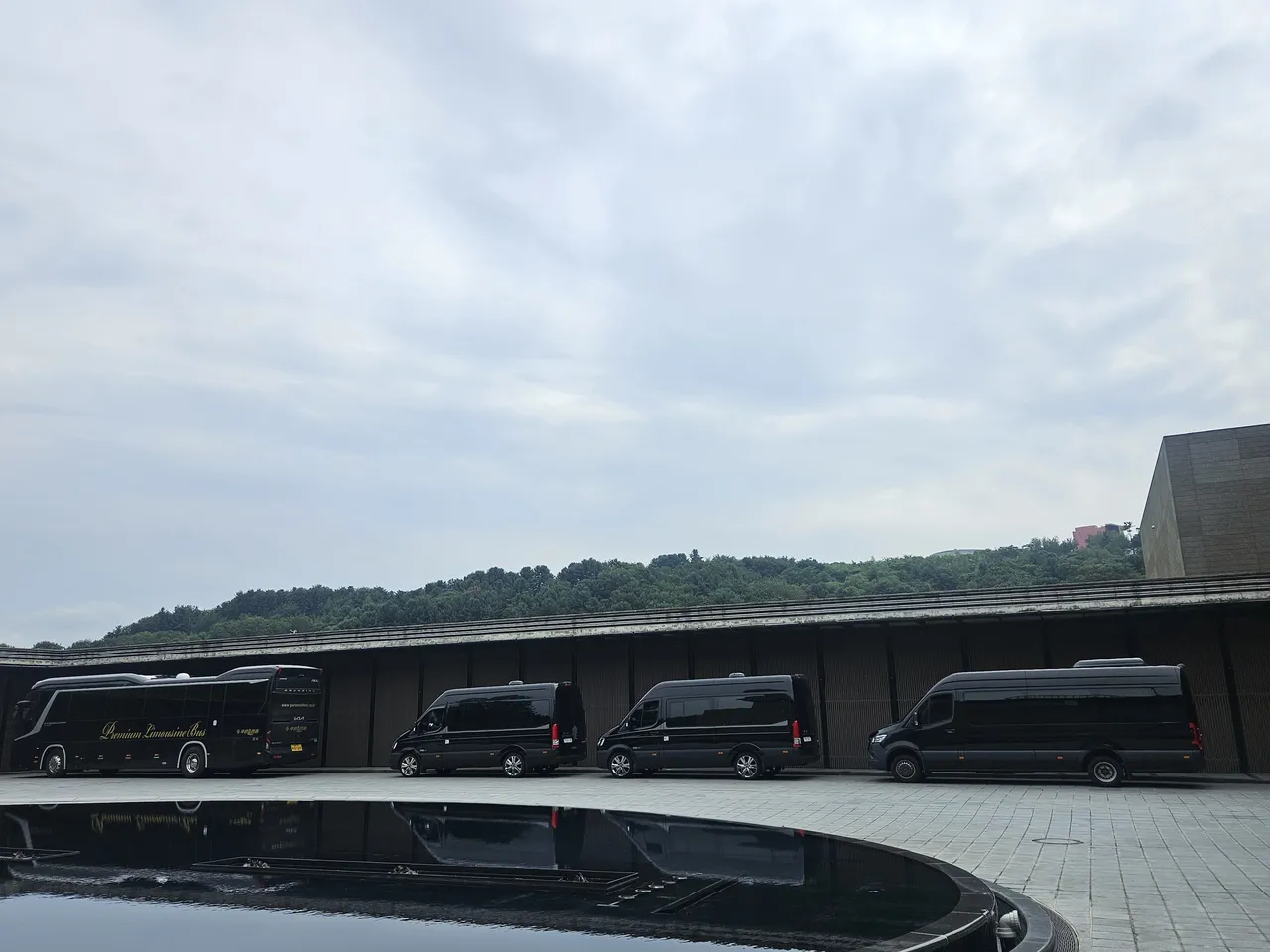
| Common group departure | Premium Limousine Bus on request | Boarding list and vehicle access |
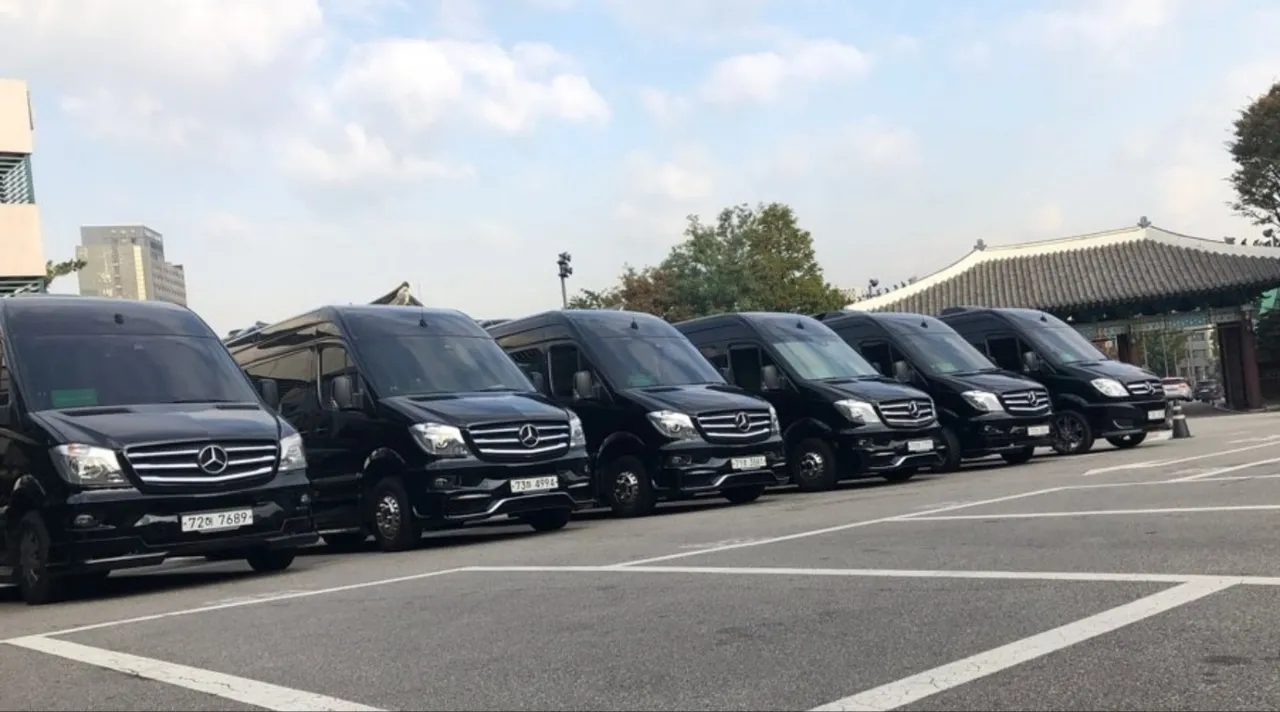
| Split arrivals or activities | Passenger vans for compatible groups | Separate pickup instructions |
| Principal or award guest | Sedan or separate small-party vehicle | Dedicated receiver and change contact |
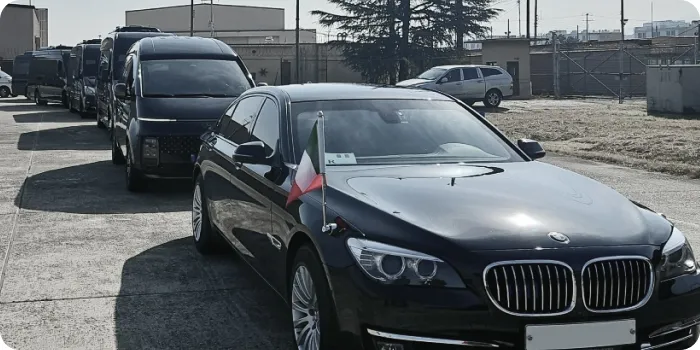
Review people, bags and access together
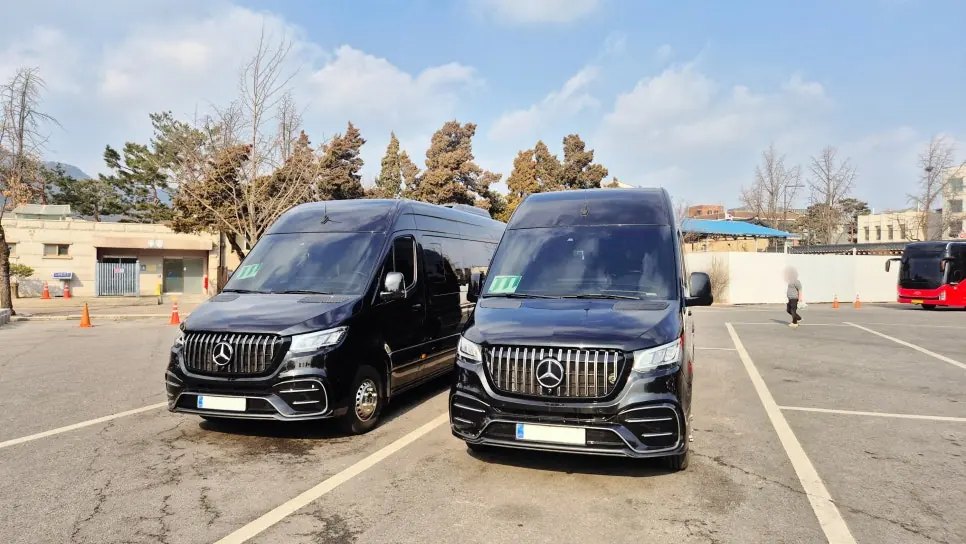
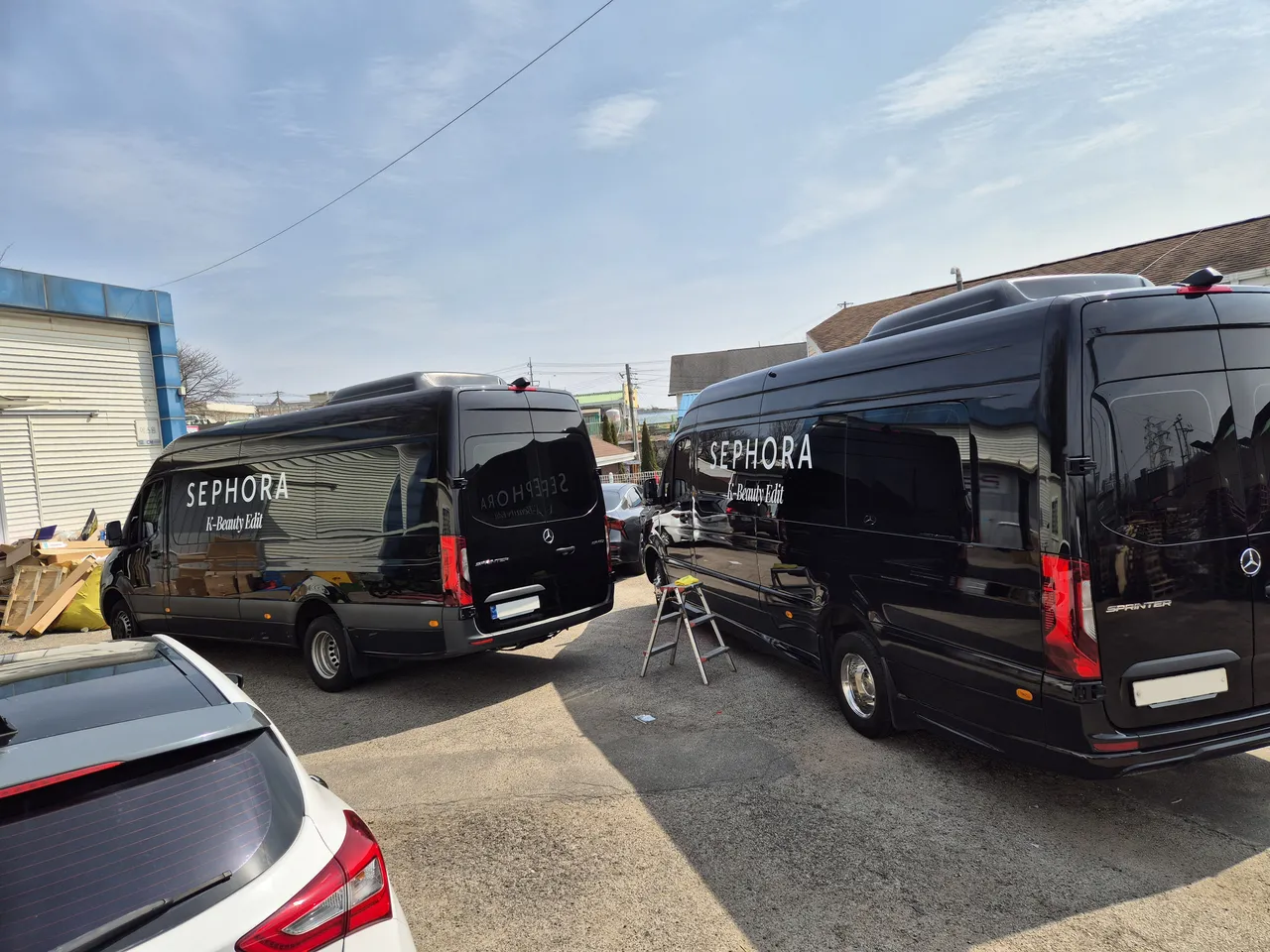
Grand lists Premium Limousine Bus options of 20, 28 and 45 total seats on request, alongside several passenger van layouts and executive sedans. These listings do not establish availability or luggage capacity for your program. Send the expected suitcase inventory, presentation cases and any mobility equipment. Confirm the assigned layout and how each guest boards. A tall vehicle may need a different hotel approach from the sedan carrying the principal.
Ask venues to identify permitted coach stopping and parking areas; a map pin at the front door may not be usable.
Make daily boarding predictable
Choose a clear gathering point inside the hotel and a separate vehicle loading point when space is tight. The coordinator checks attendance before calling vehicles forward, reducing curbside waiting. Give guests their own vehicle identifier, departure deadline and contact. If some participants leave an event early, define the separate return rather than asking a shared coach to interrupt the entire group’s plan.
For gala evenings, coordinate the finish window with the venue and offer only departures that the transport booking can actually support.
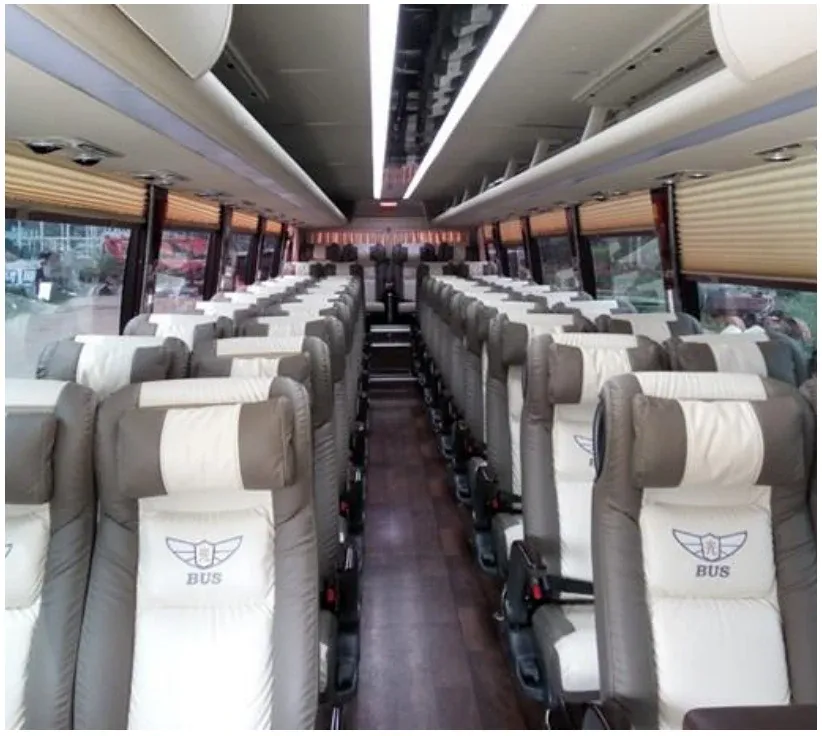
Control changes and departure day
Keep one master itinerary with a revision time and distribute changes to drivers and receivers together. Decide who can approve additional mileage, later finishes or extra movements. On departure day, reconcile guests with their flight, terminal and bag count again; hotel room lists are not airport manifests. Obtain written waiting arrangements, parking, toll, overtime and cancellation terms, including any separate handling of heavy group luggage.
Run a final check of vehicle assignment, coordinator contacts, entrances, passenger instructions and receiving staff before the program begins.
Frequently asked questions
Do all participants need to use one coach?
No. Compatible groups can travel together while separate arrivals, access needs or executive duties use other vehicles. Compare the complete movement plan.
Are bus luggage compartments guaranteed?
No. Request the actual vehicle and loading details. Seat count does not establish space for every suitcase or display case.
Can the chauffeur act as the event organizer?
Agree specific on-site transport guidance, but keep the overall event, activity bookings and participant management with your appointed organizer.
How should a late guest be handled?
Give the coordinator a written decision rule and a contact method. Do not delay every departure indefinitely or assume an unbooked replacement car will be available.