On this page
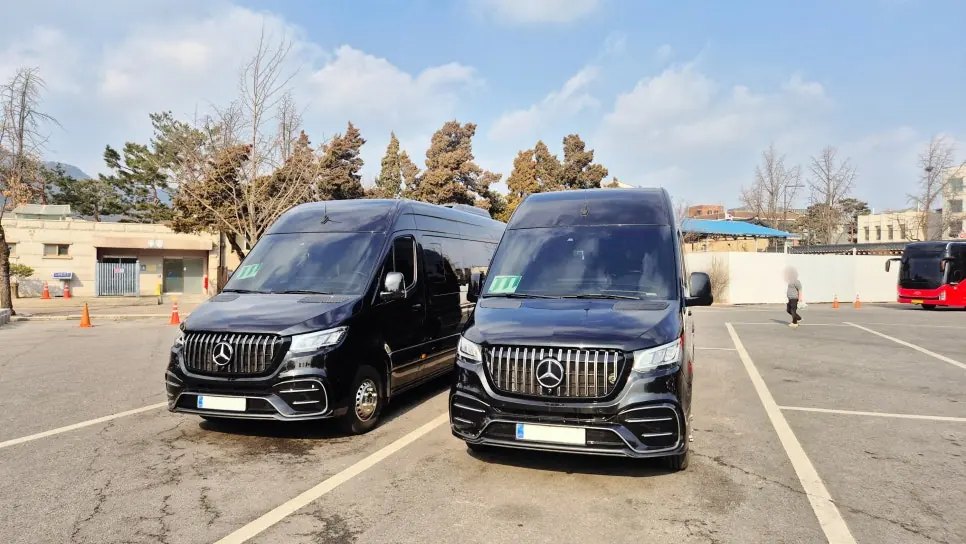
An official delegation needs coordinated arrivals without treating ordinary transport as a security operation. The host, protocol team and any independently appointed protection provider should define their own responsibilities. Grand Limousine’s confirmed role is chauffeured movement, protocol and agreed on-site guidance, arranged around lawful road use and the destination’s actual access instructions.
Define who owns each responsibility
Name the delegation coordinator, host protocol contact, transport lead and any independent security provider. Record who approves passenger order, destination changes and access requests. Protection, police escort, road closure and special driving permissions are not confirmed Grand services and should not be inferred from a multi-vehicle booking. If such provision is needed, the responsible authority or qualified independent provider must establish it separately before the transport plan is finalized.
Grand’s documented international-organization visit in Daejeon supports preparation of institutional approaches and waiting positions. It does not establish police powers or protective escort capability.
Give each vehicle a clear transport role
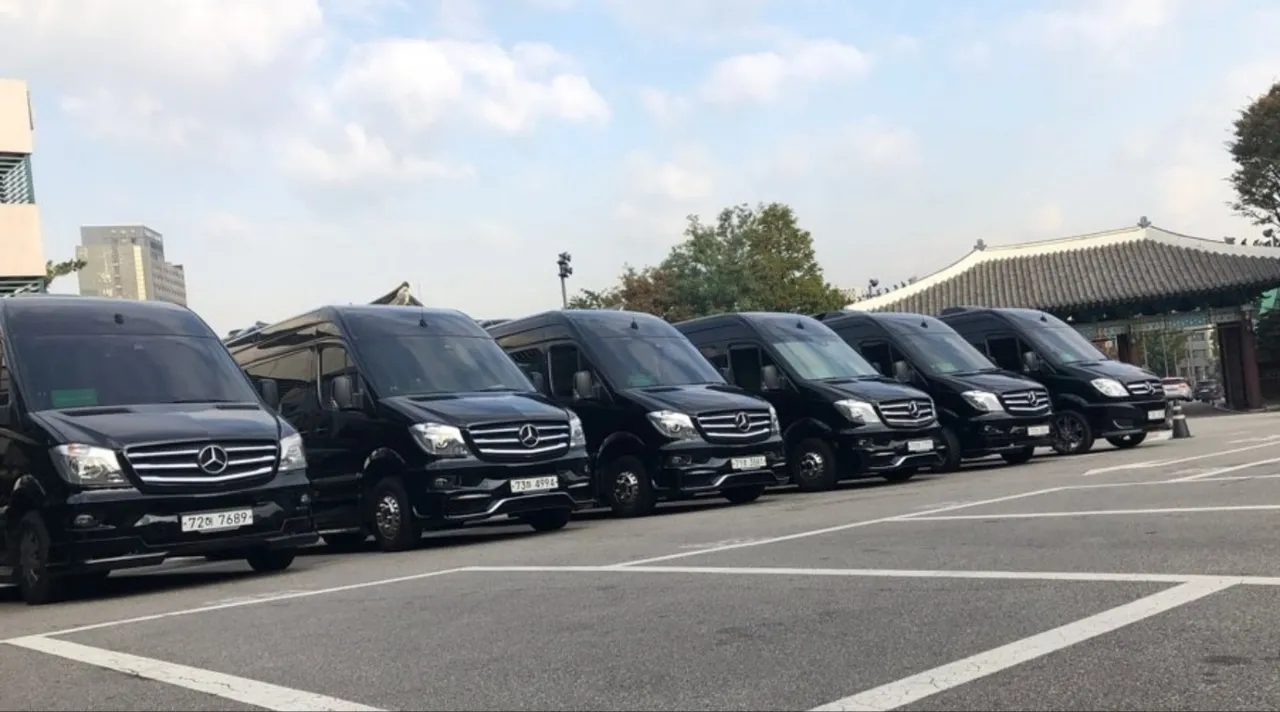
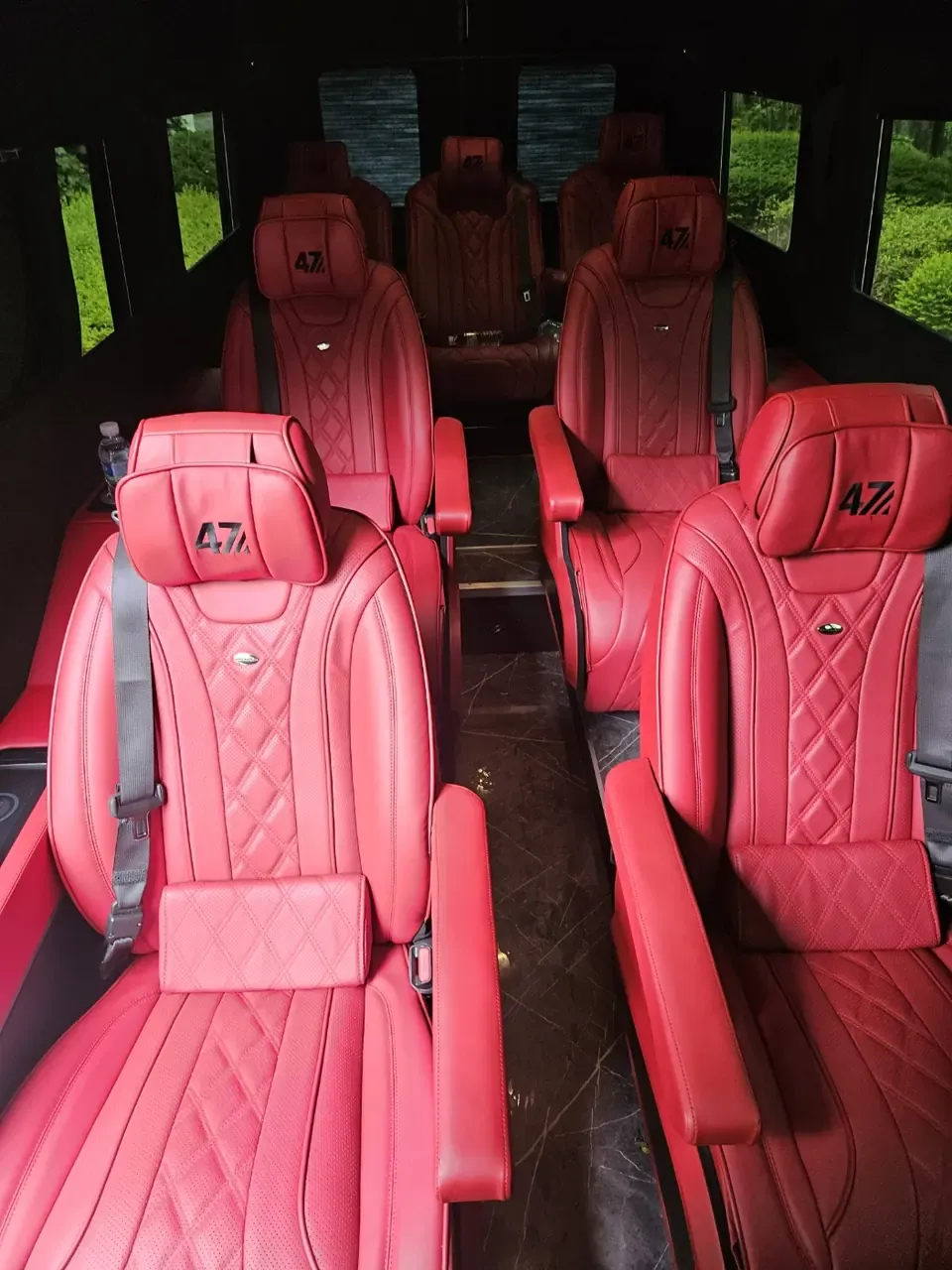
Allocate passengers according to working relationships, language support and luggage, rather than an assumed ceremonial formation. A principal may travel with the essential aide, while other delegates use a passenger van. Assign a boarding lead and a plain vehicle label for each group. Vehicles must obey ordinary traffic controls and may separate at signals; coordinate destinations and arrival order without expecting uninterrupted convoy movement.
Choose a legal regrouping or destination procedure if vehicles become separated. Avoid instructions that encourage drivers to block junctions or hold traffic for the party.
| Role | Transport task | Required confirmation |
|---|---|---|
| Principal vehicle | Named guest and essential companion | Passenger allocation and approved entrance |
| Delegation vehicle | Aides, interpreters or working team | List, bags and meeting sequence |
| Transport coordinator | Release and changed destinations | Decision authority and contact tree |
| Host protocol team | Reception and site entry | Gate clearance and receiving person |
| Independent security provider | Separately commissioned security duties | Its own scope and lawful authority |
Confirm each institutional approach
Ask every host for the correct gate, permitted vehicle type, driver registration and visitor procedure. A delegation invitation does not automatically clear a vehicle or its driver. Send only the necessary registration details through the host’s agreed channel and record the approval deadline. Establish where the car can wait after drop-off and who calls it forward when the meeting ends. Keep a public alternative if access approval has not yet been granted.
Use the latest site map and receiving contact. Do not assume embassy, parliament, hotel or research-facility entrances follow the same operating pattern.
Turn protocol preferences into practical instructions
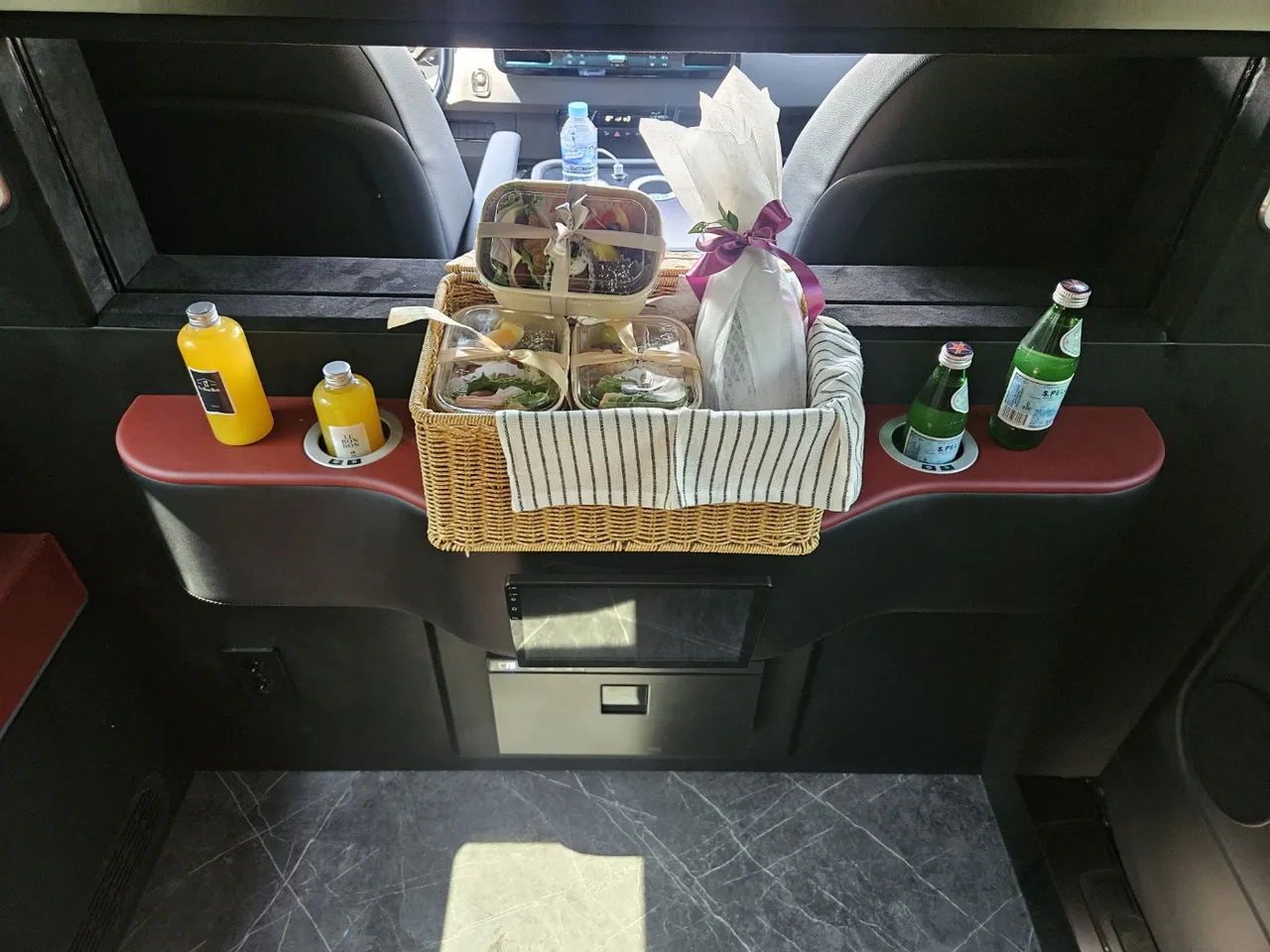
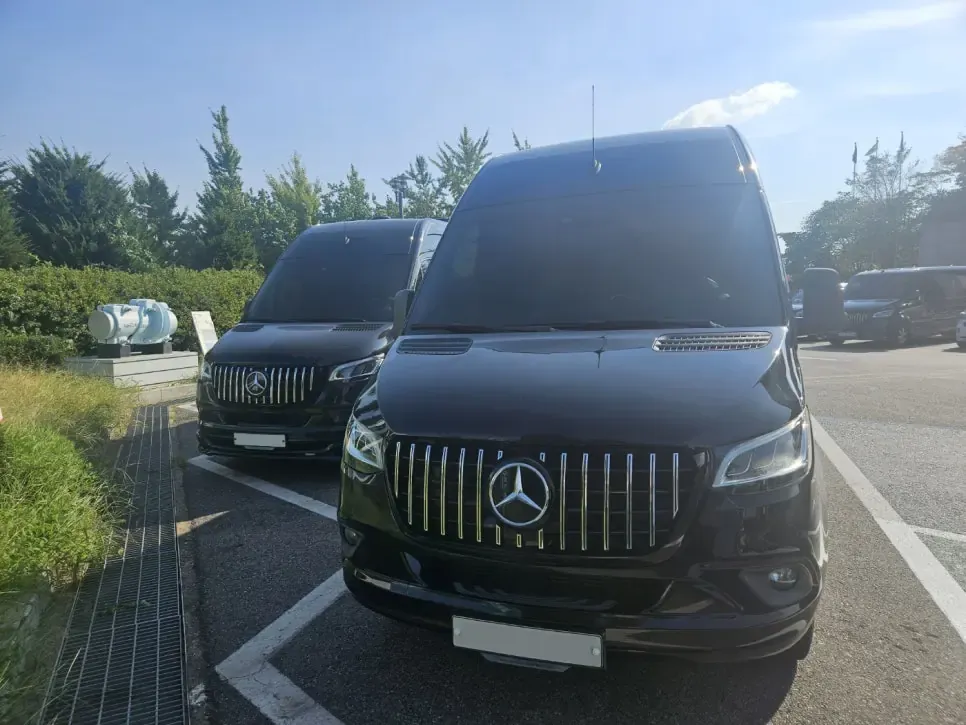
Ask the delegation’s protocol officer about preferred address, boarding order and any presentation requirements, then keep the instructions concise. Avoid universal cultural rules or assumptions based on nationality. Confirm any required language assignment and who handles interpretation outside the vehicle. Discuss accessibility and luggage before selecting a sedan or Mercedes-Benz Sprinter Limousine; formal appearance does not establish usable passenger capacity or suitable boarding.
For confidentiality requirements, request an explicit agreed process or contract. Share operational details only with those who need them and avoid unnecessary guest information on broad dispatch lists.
Use one approved movement sheet
List date, departure point, passenger group, receiving host, target arrival and next movement for each leg. Distinguish guest-ready time from the moment vehicles may approach. Agree a delay escalation contact and the optional appointment that can move if the programme slips. Route flexibility should remain within legal driving and the operator’s assessed duty pattern, including rest and any regional return.
Request custom pricing for vehicles, waiting, additional stops, parking, overtime and required protocol support. Any security-related contract remains separate and must not be implied by the transport quotation.
Frequently asked questions
Does a delegation booking include police escort?
No police escort or traffic-control authority is confirmed. Any such arrangement must come through the responsible authority and be documented separately from chauffeured transport.
Must the cars stay together through every signal?
No. Drivers must follow ordinary road controls. Coordinate destinations, approved arrivals and a legal separation procedure rather than expecting an uninterrupted convoy.
Can we require confidentiality terms?
Submit the actual requirements before booking and obtain the operator’s agreement. Do not infer a specific non-disclosure contract from a general promise of discretion.
Who approves a changed destination?
The named delegation coordinator should authorize it with the receiving host and transport lead, while any independent security provider handles its own responsibilities.