On this page
A meeting invitation gives a room and a start time; a transport plan needs much more. The relevant interval runs from leaving one meeting room to sitting down in the next. Across Seoul and nearby Pangyo, reception procedures and the final approach can matter as much as the road itself.
Separate fixed appointments from preferences
Mark which meetings have an immovable start, which can shift, and which can become remote if the day slips. Then group nearby appointments before requesting a vehicle. Gangnam, Yeouido and Pangyo should not simply be placed in the order that invitations arrived. Ask hosts whether a neighborhood cluster or a different meeting day is possible. A slightly less convenient time for one participant can make the entire visiting delegation’s day more workable.
Build a room-to-room timing sheet
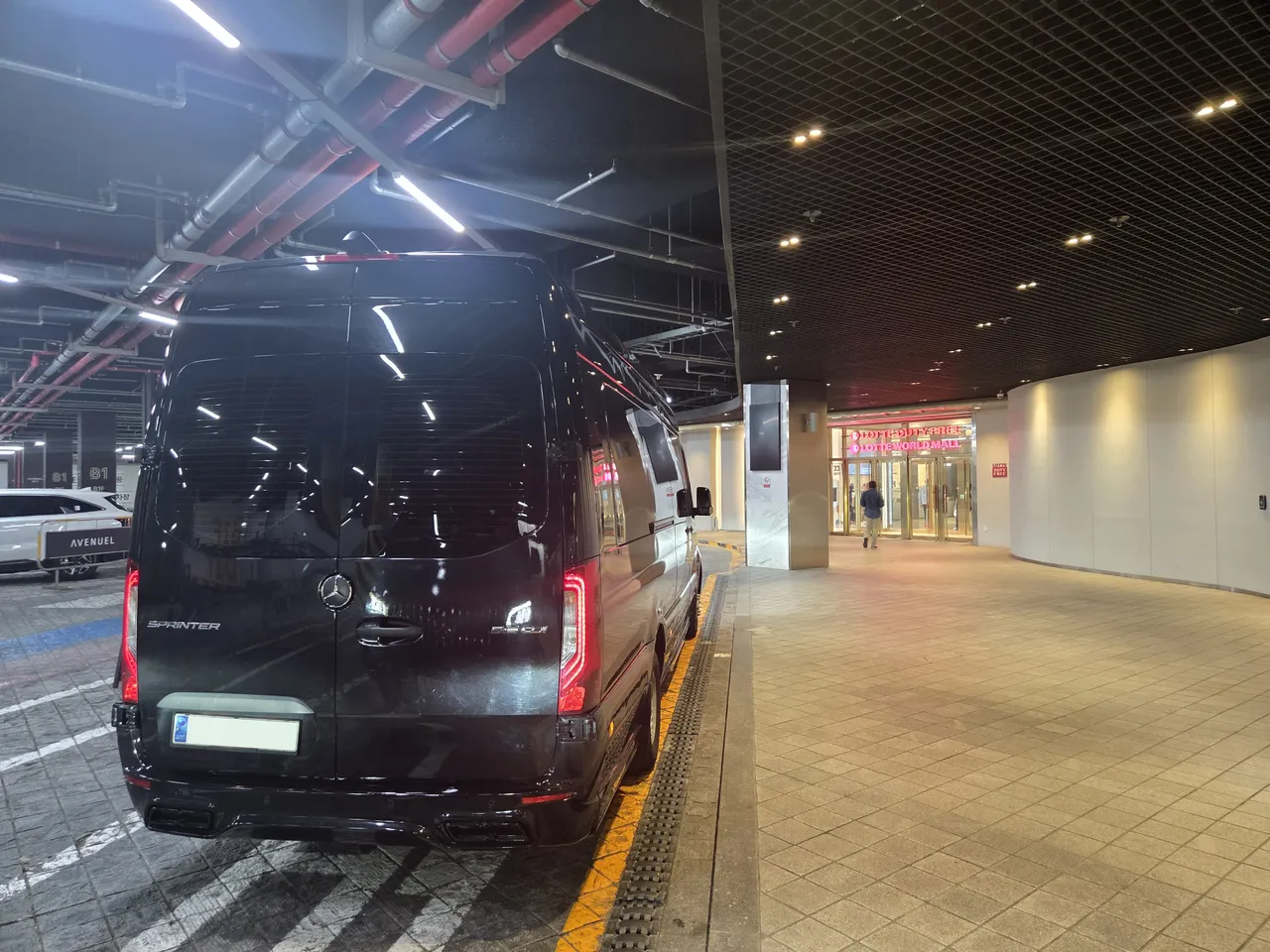
Break each transfer into meeting overrun allowance, lift and lobby time, boarding, road movement, unloading and destination reception. Confirm whether visitors need identification, advance registration or an escort through the building. Keep the exact Korean building name, entrance and host telephone beside each appointment. A map pin for a corporate campus may indicate its center rather than the authorized visitor gate, leaving an apparently comfortable interval unexpectedly short at the last moment.
Review the difficult legs first
Cross-river moves and journeys beyond central Seoul deserve particular attention when reviewing a proposed day. Ask for route assessment against the actual date and appointment windows, rather than treating one historic driving estimate as a promise. The transport coordinator should know the latest acceptable arrival for each meeting. If a leg has little recovery space, reduce an optional stop or change the order before assuming the chauffeur can recover time through faster driving.
Give changes one decision channel
A meeting that finishes early is an opportunity only if the next host can receive the group. Route changes should go through one organizer who checks the host, chauffeur and passengers together. Use a simple status message identifying the completed stop, readiness and next confirmed entrance. Retain an agreed meal or rest opportunity rather than allowing every delay to consume it. The following checks keep a busy day practical without relying on fixed transfer minutes.
| Leg or task | Check before approval |
|---|---|
| Gangnam to Yeouido | River crossing and both building entrances |
| Seoul to Pangyo | Campus visitor gate and return commitment |
| Back-to-back meetings | Room departure, reception and recovery margin |
| Extended meeting | Next host consent and vehicle waiting terms |
Quote the full working day
Grand’s Seoul–Osan–Suwon executive case documents entrance checks and discreet standby across a multi-stop schedule. It provides a useful operational example, not universal journey times. Send the complete itinerary, principal and staff numbers, bags, language needs and billing details together. Request the actual vehicle, service window, waiting and overtime terms in writing. Decide how a late finish or canceled meeting affects the assignment before the first pickup, while changes remain easy to manage.
Frequently asked questions
How long should we allow between districts?
Use a date-specific route review plus both buildings’ access time. A single fixed number cannot account for meeting overruns, reception or changing traffic.
Can the chauffeur wait at the entrance?
Only where venue rules permit. Agree a lawful standby location and recall procedure, especially at towers where curb space is tightly controlled.
Should we change to the subway at rush hour?
It can suit a light, mobile party. Review walking, crowding and the destination exit before choosing it as the day’s practical backup.
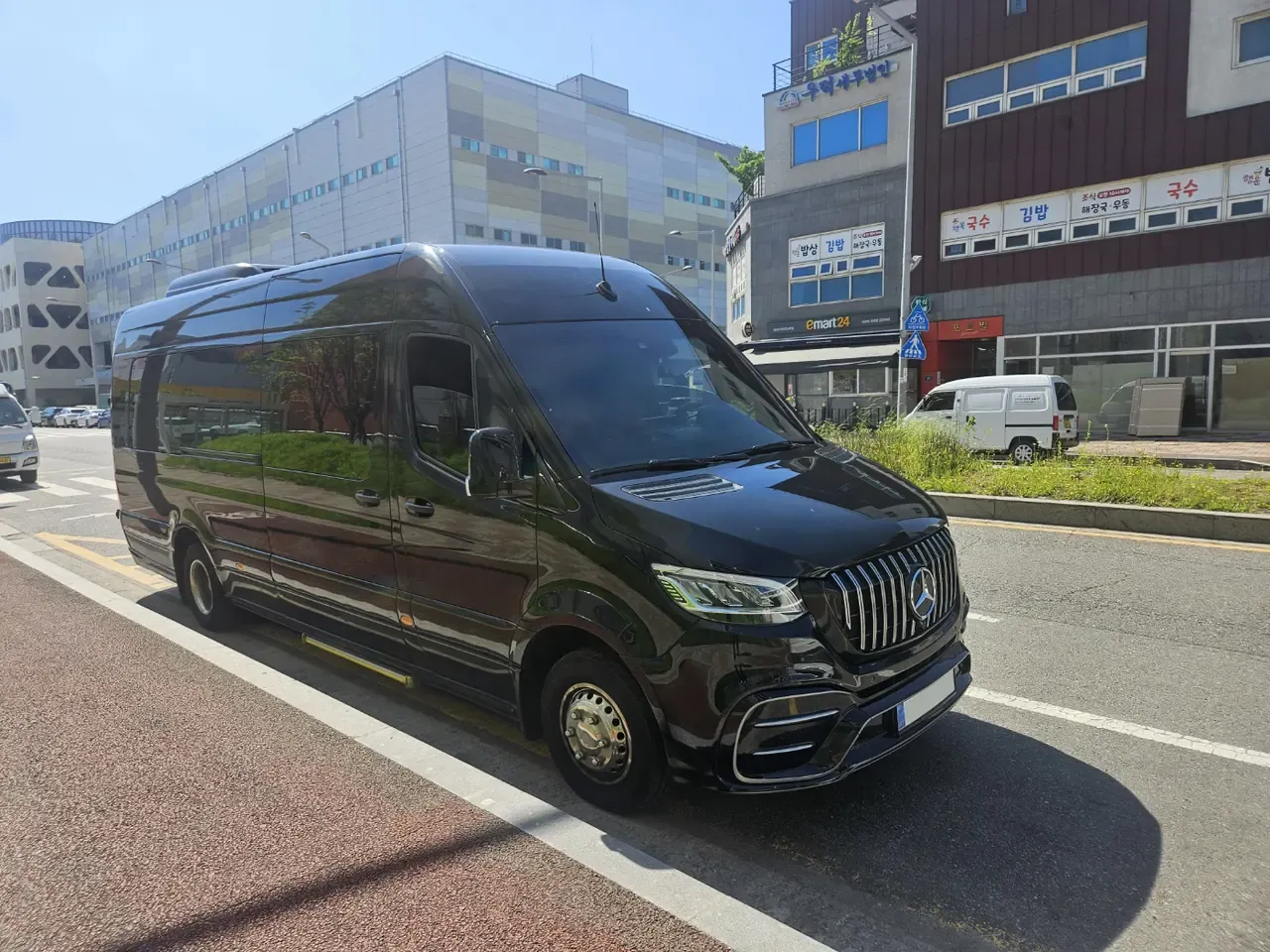
Can a Sprinter be used as a meeting room?
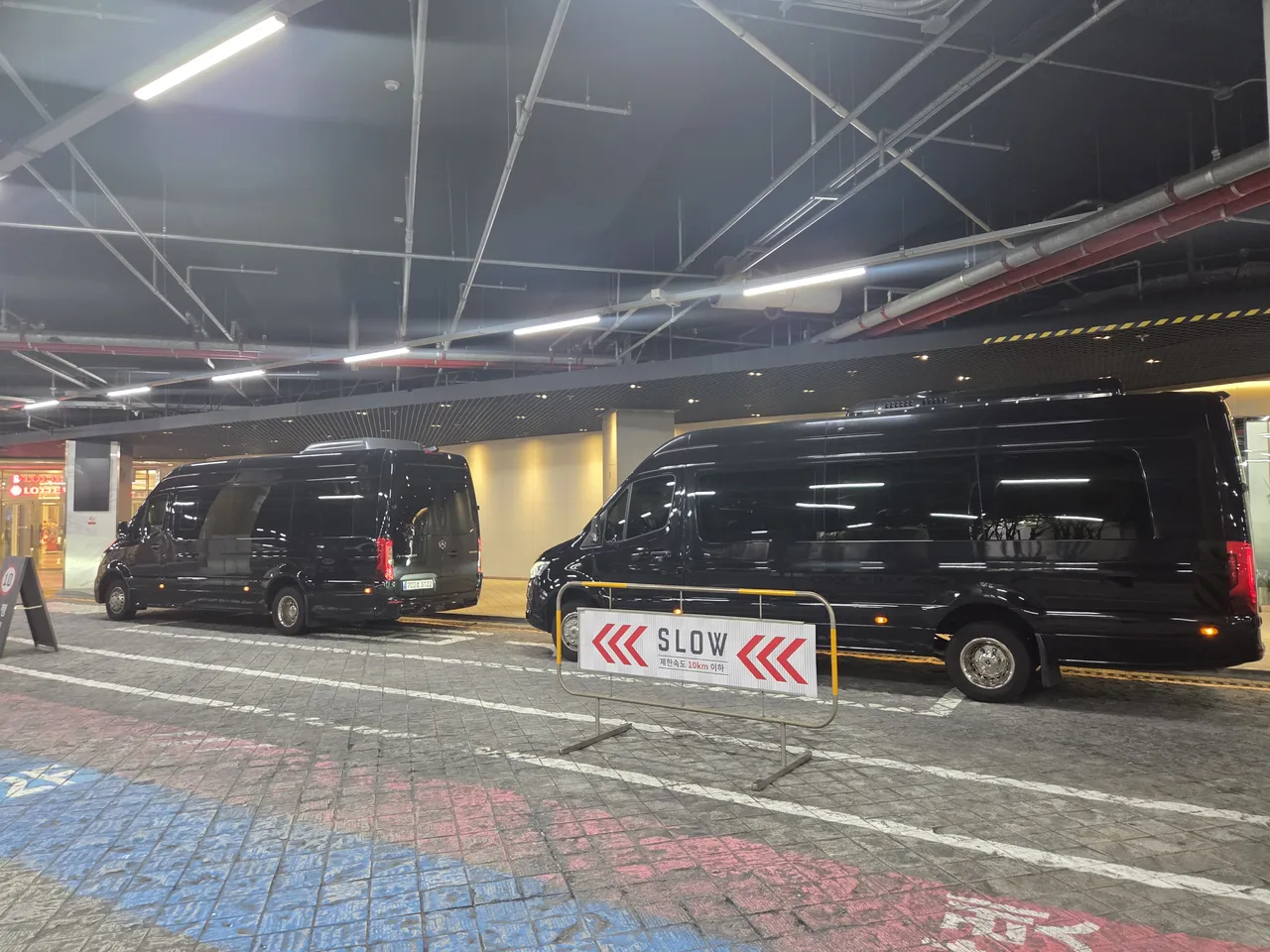
It can support discussion or preparation when the assigned layout suits the party. It is not a guaranteed confidential meeting facility or connectivity service.