On this page
A corporate event transfer plan begins with several different clocks: aircraft arrivals, hotel room readiness, registration, speaker rehearsals and the opening session. Treating them as one pickup time creates avoidable waits. Organize guests into arrival waves, then give each wave a complete path from terminal to event reception.
Separate the arrivals that can share a ride
Group travelers by operating flight, airport, terminal and actual destination before considering vehicle size. Two guests landing at a similar time may still need separate cars if one has a rehearsal and the other is checking into a hotel. Record the latest acceptable event arrival for each guest, and identify which guests are comfortable waiting for colleagues. A short passenger manifest is more useful than a list of premium vehicle preferences.
Keep a version number on the manifest. Send revisions to one transport lead so a late flight update cannot leave hotel reception working from an obsolete passenger list.
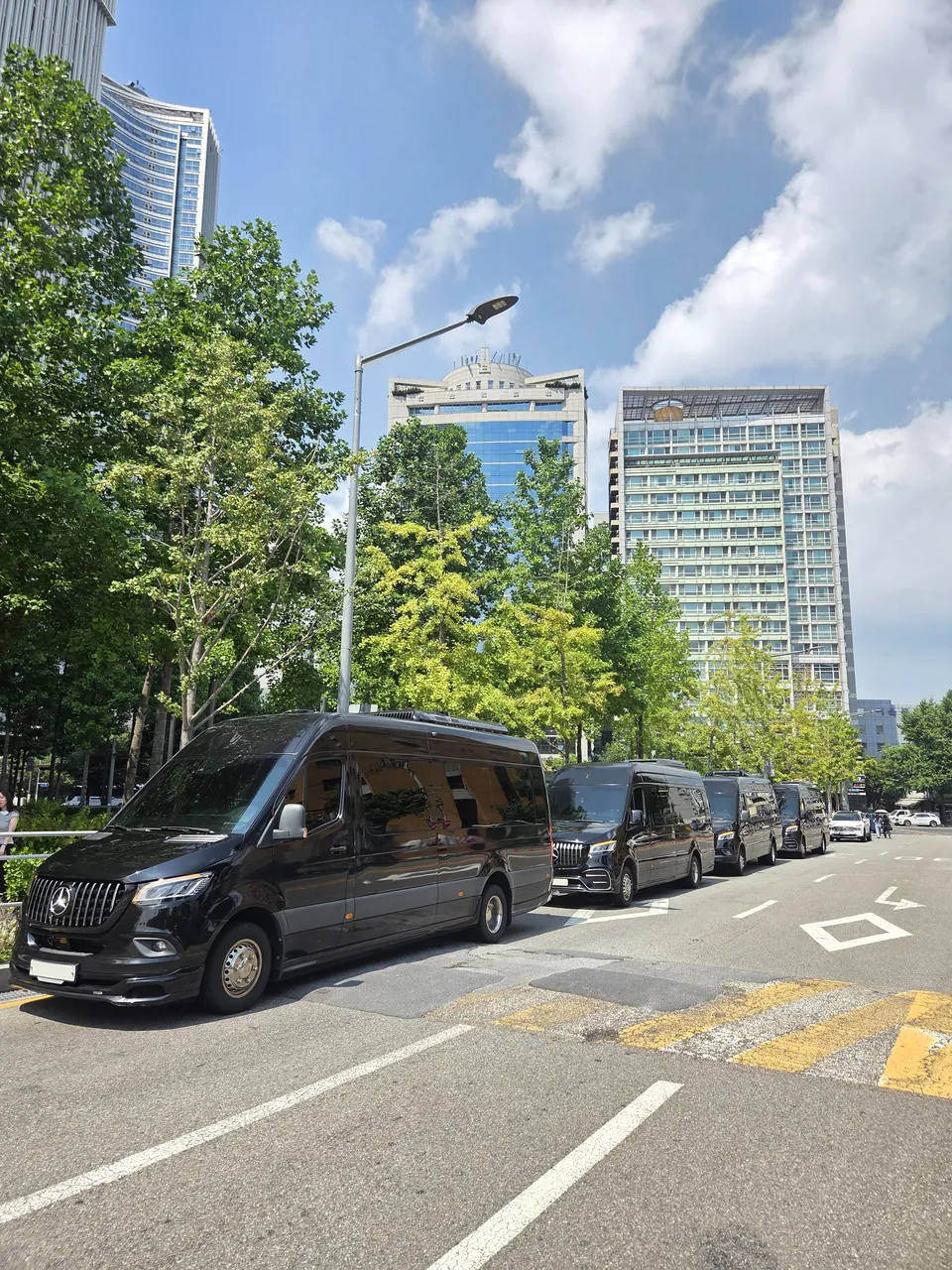
Match the operating pattern to the wave
A shared transfer works best when its waiting rule is explicit. Decide whether a vehicle departs when all named passengers are ready or at a fixed cutoff, and name the person who can authorize a split. An empty seat is sometimes the sensible cost of protecting a keynote rehearsal. Do not hold a whole delegation simply because a delayed colleague was originally listed in the same car.
| Wave | Useful pattern | Decision to record |
|---|---|---|
| One speaker with rehearsal | Dedicated point-to-point transfer | Who receives the speaker at the correct entrance |
| Colleagues on one flight | Shared van after a headcount | Departure cutoff and missing-passenger contact |
| Attendees on several flights | Separate waves or a stated holding plan | Who approves extra waiting or a second vehicle |
Check equipment separately from seats
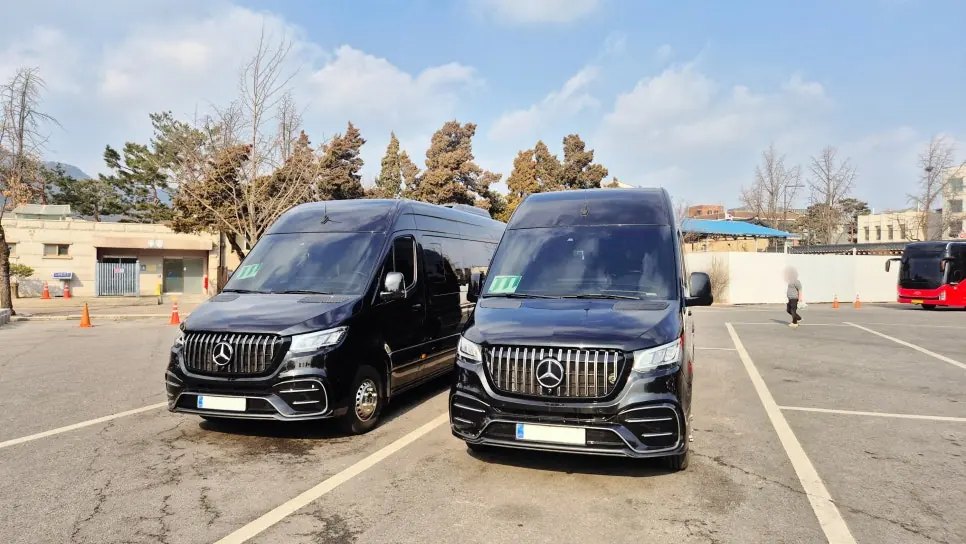
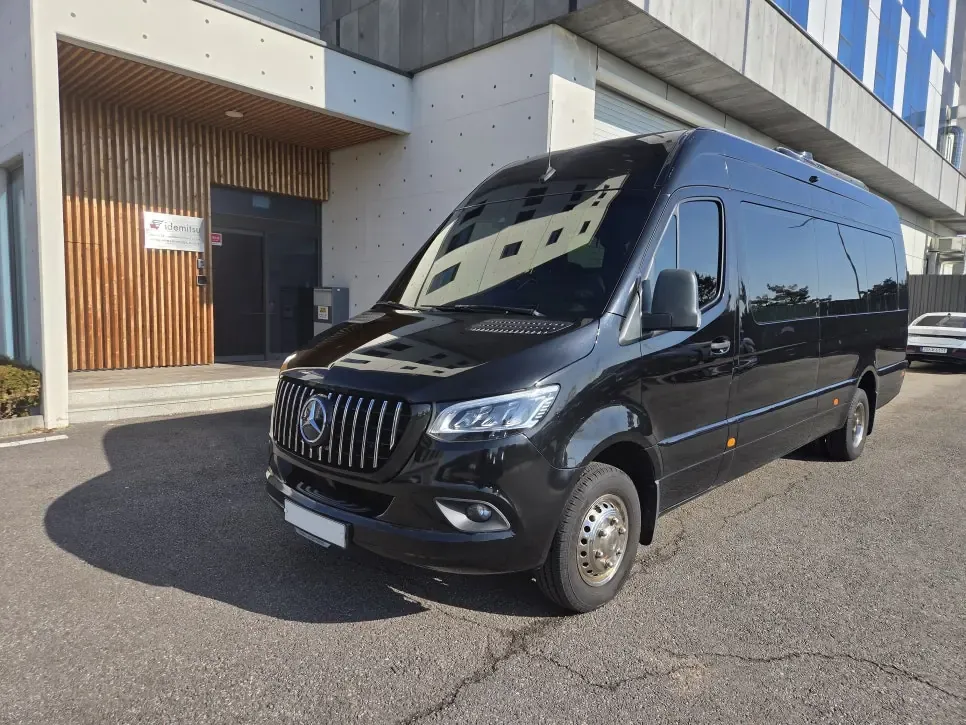
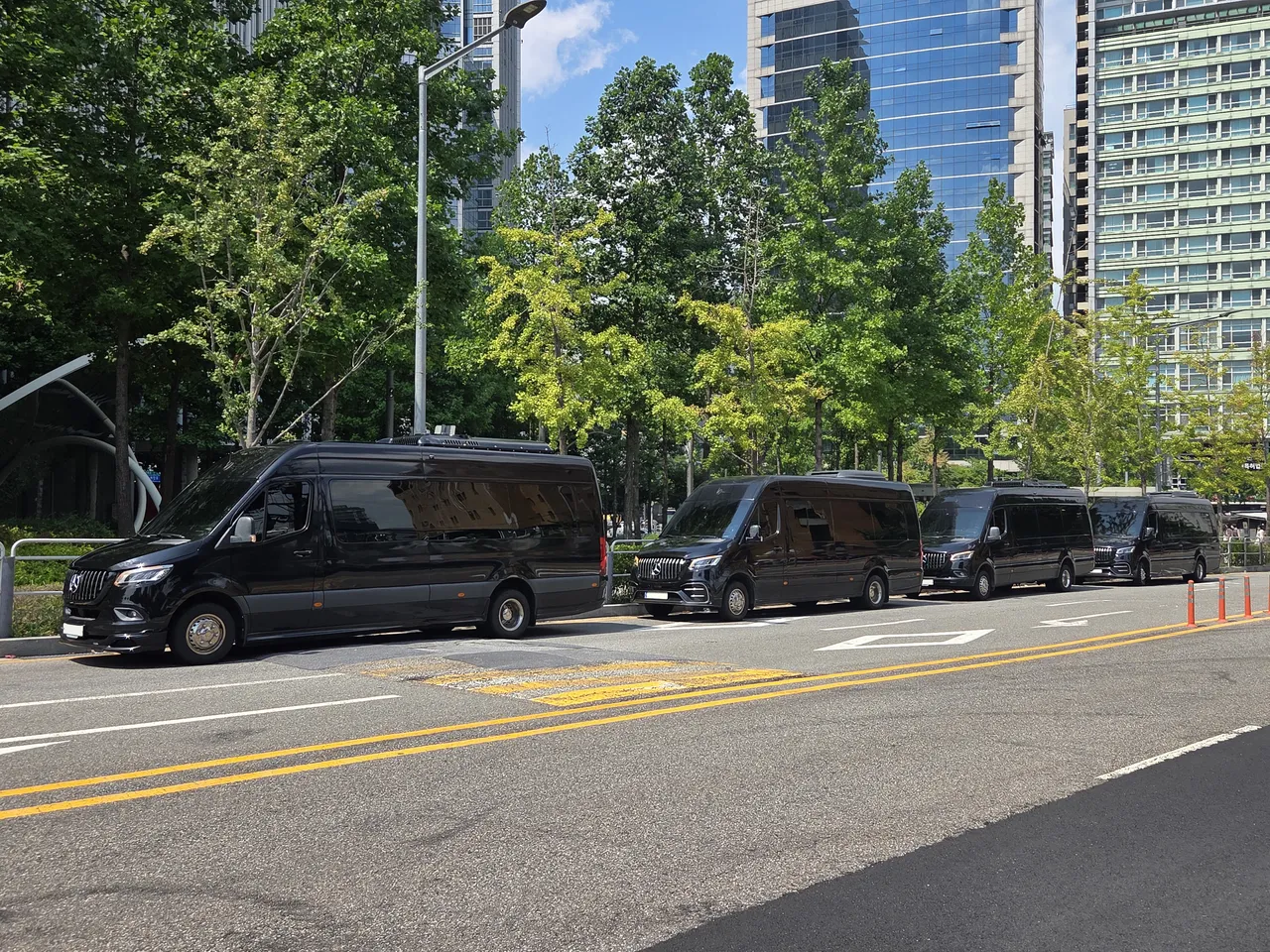
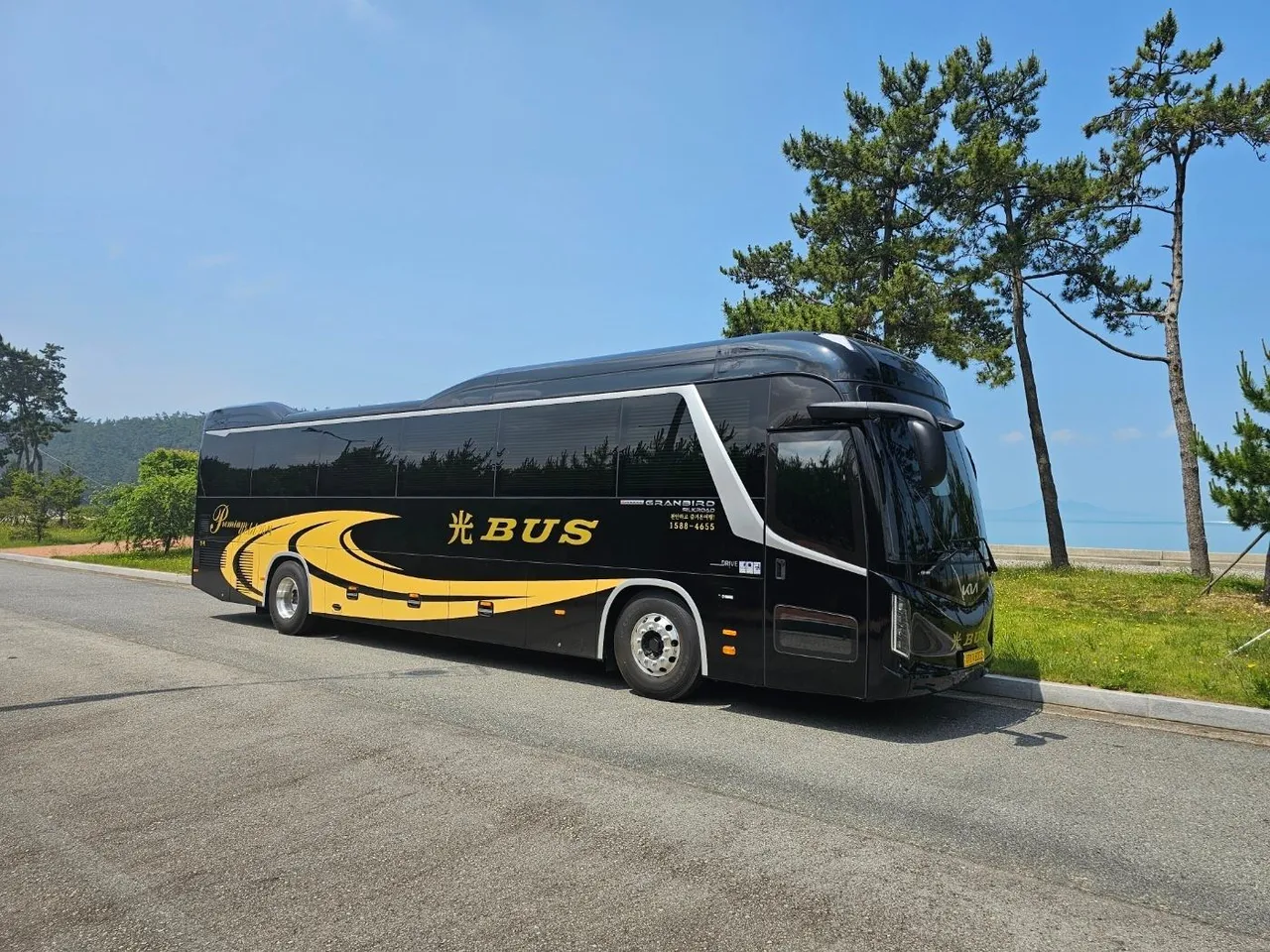
Ask for suitcase sizes, presentation cases, samples and any items that must remain with a particular delegate. Mercedes-Benz Sprinter Limousine · 10 has 10 total seats, arranged as front 2 plus rear 8; that total is not a guest-and-luggage promise. For a larger wave, Premium Limousine Bus · 28 is supplied on request. Confirm loading and venue access for the actual assigned vehicle rather than multiplying a generic bag allowance.
Finish the route at the reception desk
The destination is a particular entrance and receiving person, not merely the name of a convention center. Ask the event organizer which door connects to registration, whether vehicles can pause there, and where luggage goes if rooms are unavailable. Grand’s international-event post describes checking venue doors and working backward from session times. Use that practical approach to connect dispatch, the hotel and the event host.
- Name a hotel or venue receiver for each wave.
- Share a map pin and entrance description.
- Label luggage by vehicle group, without public sensitive details.
- Record the approved waiting and parking arrangements.
Give disruptions one decision owner
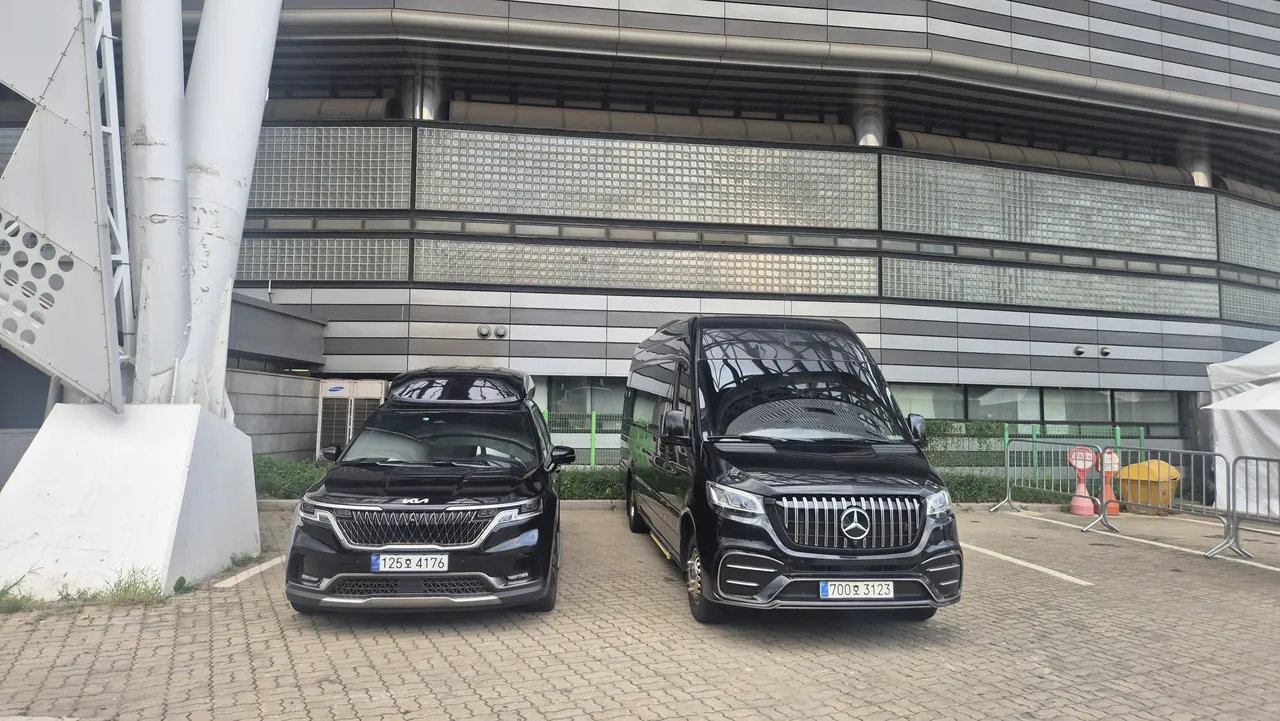
A late flight, a missing case or a changed hotel creates both a routing issue and a commercial decision. Write down who can approve an extra transfer and how the affected guests will hear about it. Ask Grand for a custom quotation that states service hours, waiting, parking, tolls and change terms. After the final wave, reconcile passenger arrivals with the event desk so nobody remains marked as still in transit.
Frequently asked questions
Should all guests use the same vehicle class?
Choose by schedule and practical requirements. A consistent welcome and clear instructions matter across different vehicle types.
Can guests from different terminals share one van?
Only with a workable meeting and waiting plan. Separate transfers may protect time better than a terminal collection loop.
What if a guest travels with exhibition samples?
Provide dimensions, handling needs and the receiving contact before assignment; confirm what the transport booking can carry.
How do we handle an unannounced arrival?
Route the request to the transport lead, obtain a revised quote or approval where needed, and update the receiving desk.