On this page
A delegation needs more than enough seats. Different arrival times, roles and meeting permissions can divide the group even before the first pickup. Plan each vehicle as a small assignment within one shared programme, so the coordinator can explain who moves, where they board and what happens when the schedule changes.
Group by task before choosing cars
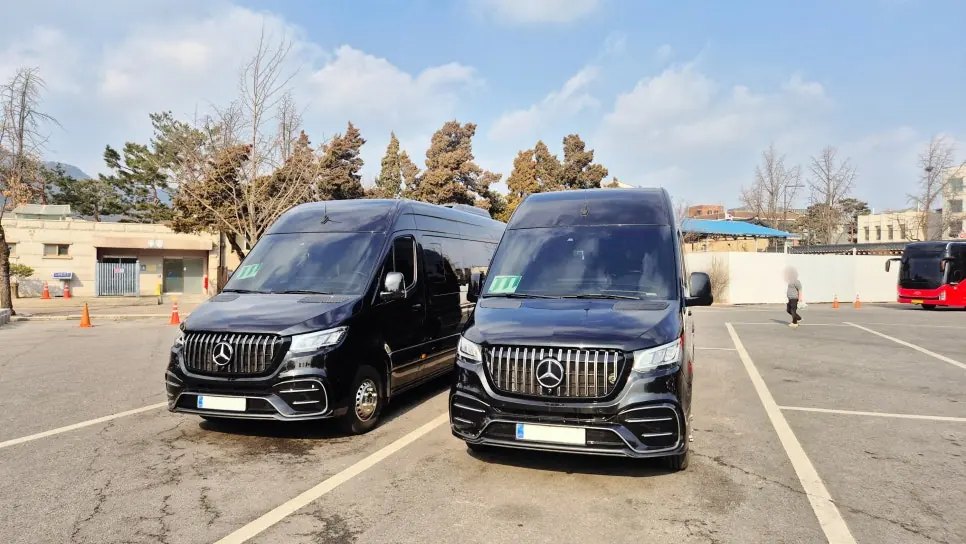
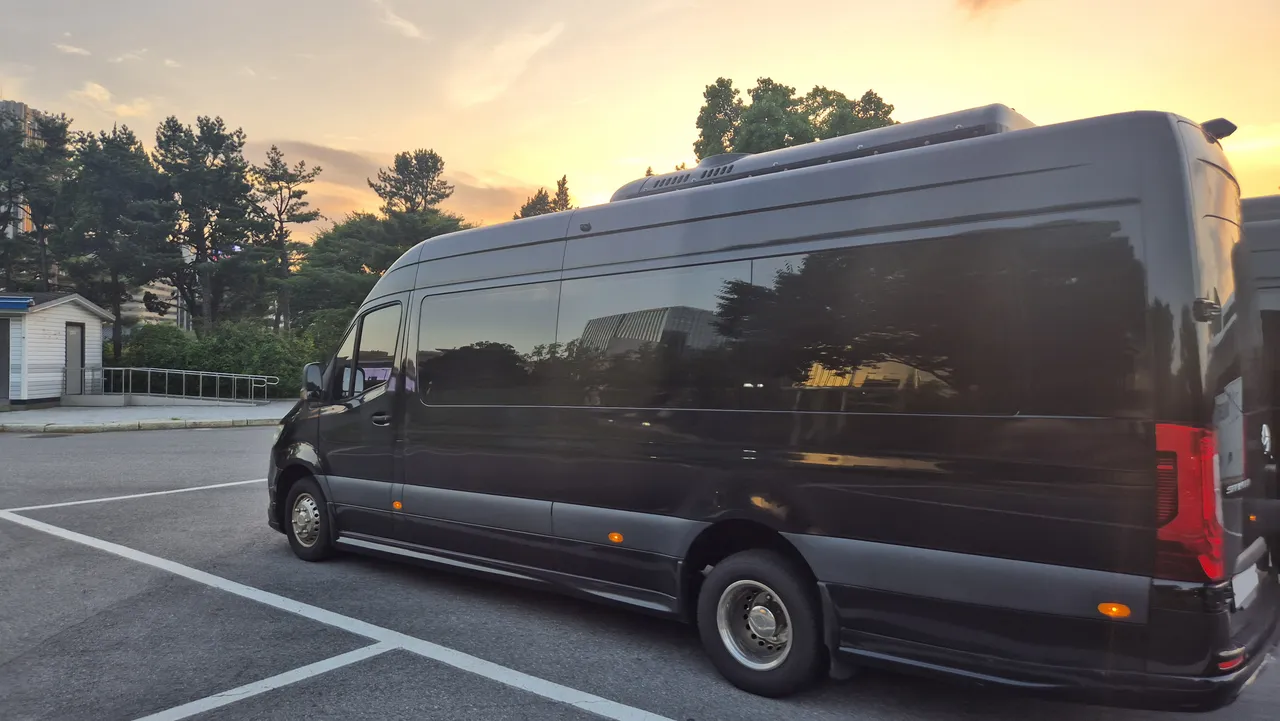
Start with the programme rather than a desired convoy size. Identify principals, accompanying staff, interpreters and guests whose schedules diverge. Keep people together when they need to brief each other, but avoid placing confidential discussions in a cabin with unrelated delegates. Assign luggage separately from passenger numbers. Grand’s international group case documents coordinated Sprinters; the appropriate mix for your visit depends on the actual people, bags and access.
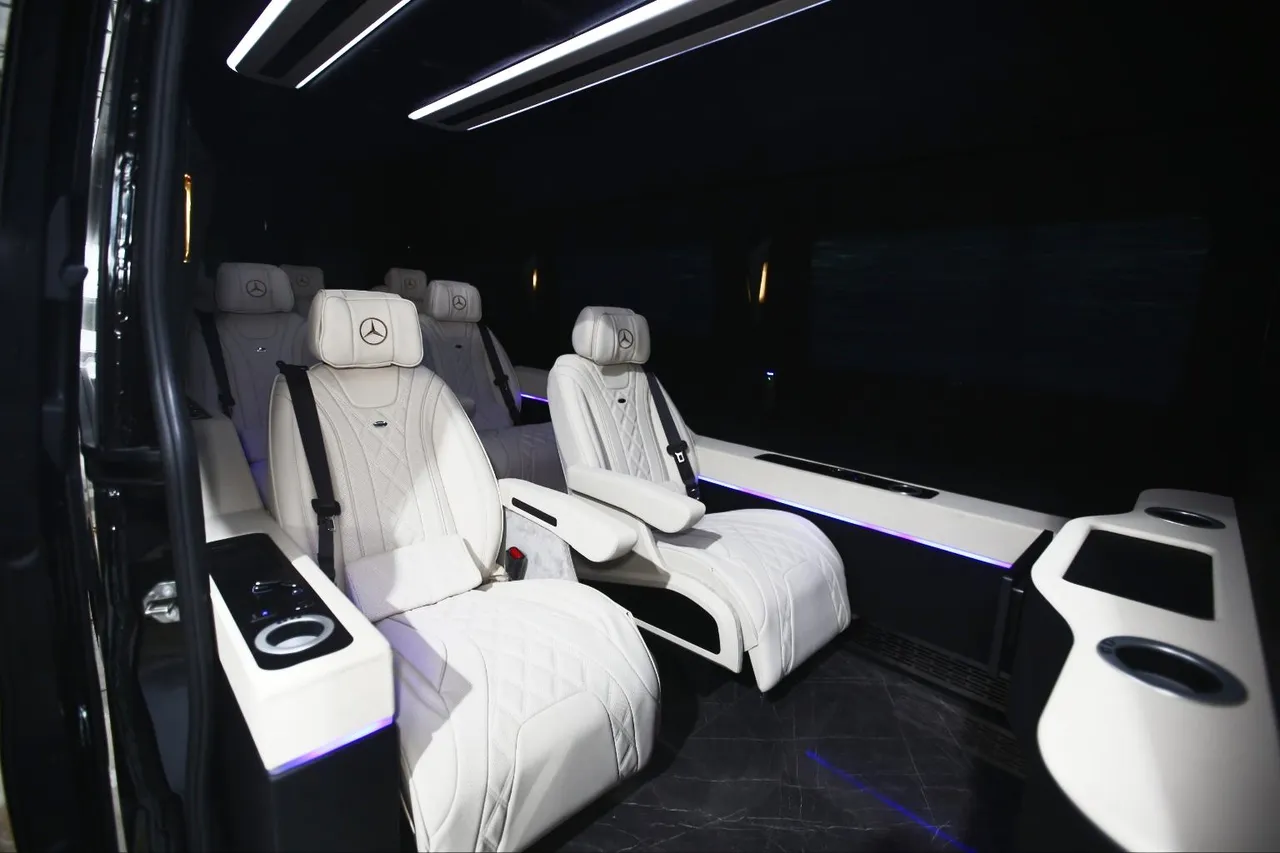
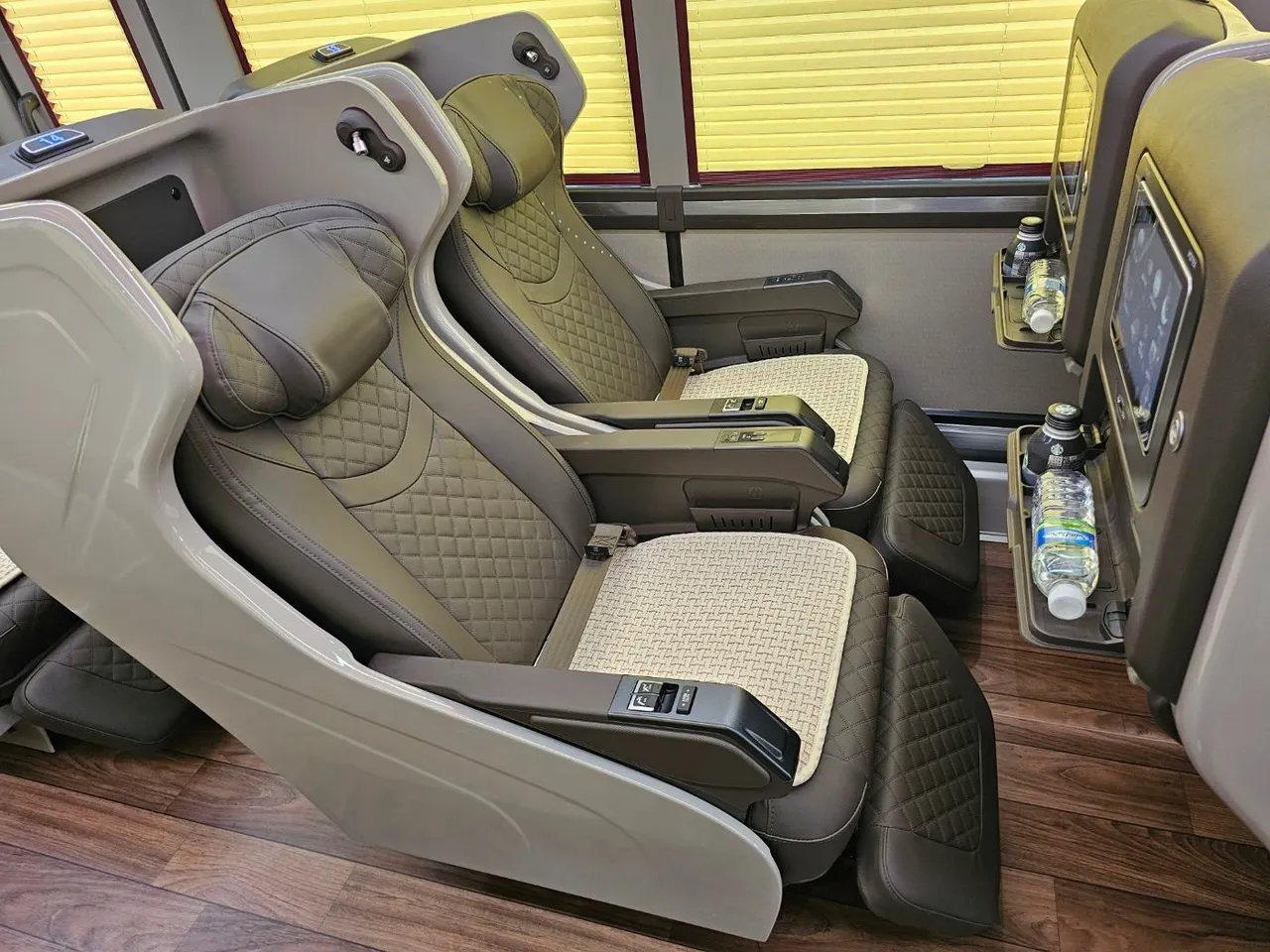
Official seat totals include front positions. Ask for a passenger layout that fits the assignment rather than converting model names into guest counts.
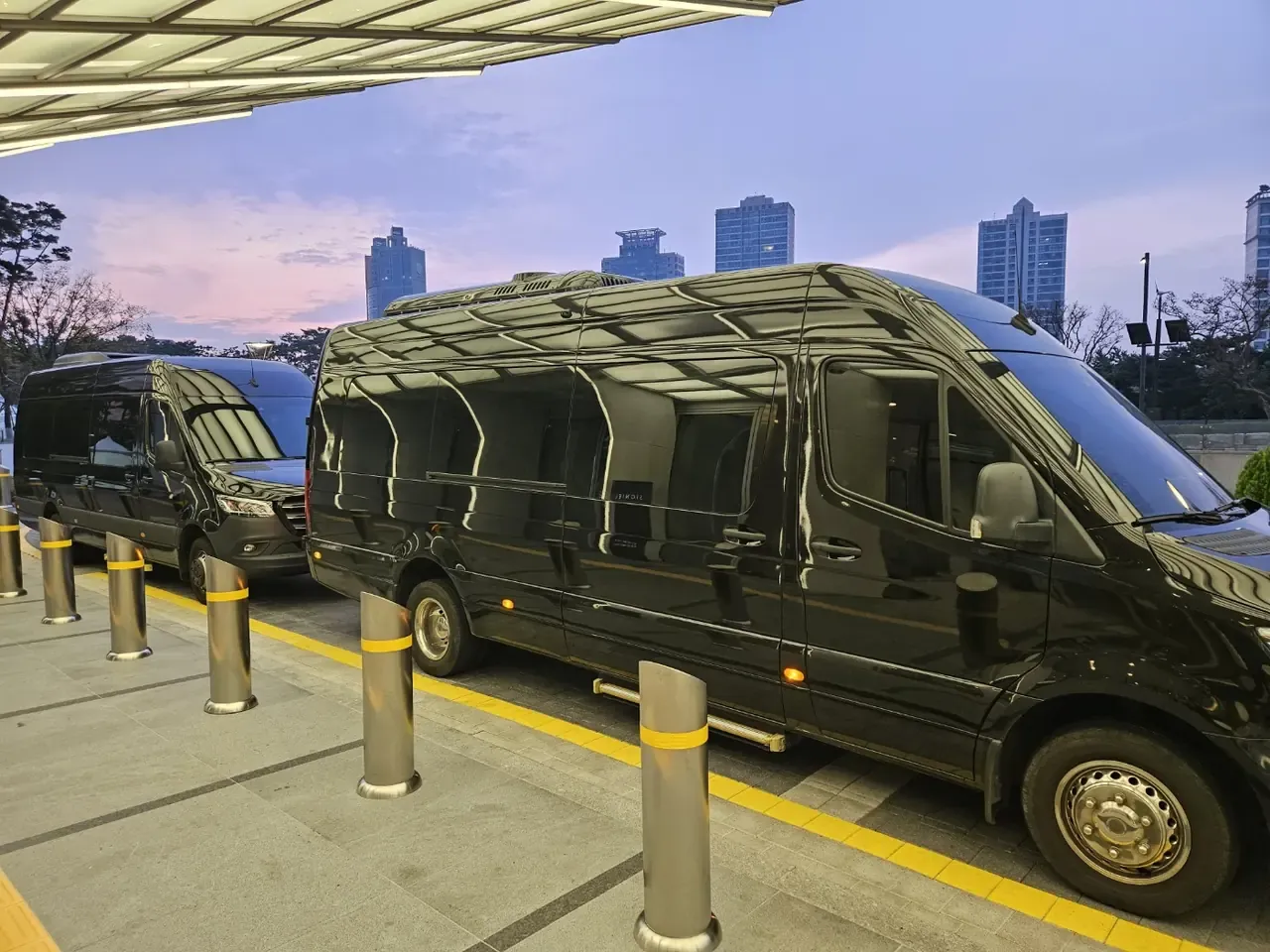
Make the manifest operational
Use a short vehicle code, pickup location, passenger group, local departure time, next entrance and coordinator contact. Put sensitive identities in a restricted version if necessary. A driver needs the information required to complete the leg, not every delegate’s personal profile. Give the guest-facing version recognizable vehicle codes and boarding instructions. Update one master record, date each revision and withdraw earlier versions when assignments change.
Carry an offline copy for the lead coordinator in case a group messaging app or roaming connection fails.
| Field | Example format | Why it helps |
|---|---|---|
| Vehicle code | A: principal group | Recognizable without public full names |
| Passenger group | Named list held by coordinator | Accurate headcount before departure |
| Next entrance | Building and visitor gate | Avoids wrong-door arrivals |
| Readiness owner | One contact per car | Reports boarding status |
| Revision | Local date and version | Stops outdated instructions spreading |
Design the boarding and arrival sequence
Ask hotels and venues where several vehicles can stage without blocking entrances. Loading may need to happen in waves rather than side by side. Decide which vehicle arrives first and whether the reception team needs the principal or the working team first. Build time for walking, identification checks and collecting belongings. Moving as a coordinated group does not create traffic priority or permit drivers to ignore road signals.
If cars become separated, the destination and contact plan should allow each driver to continue safely without trying to catch up.
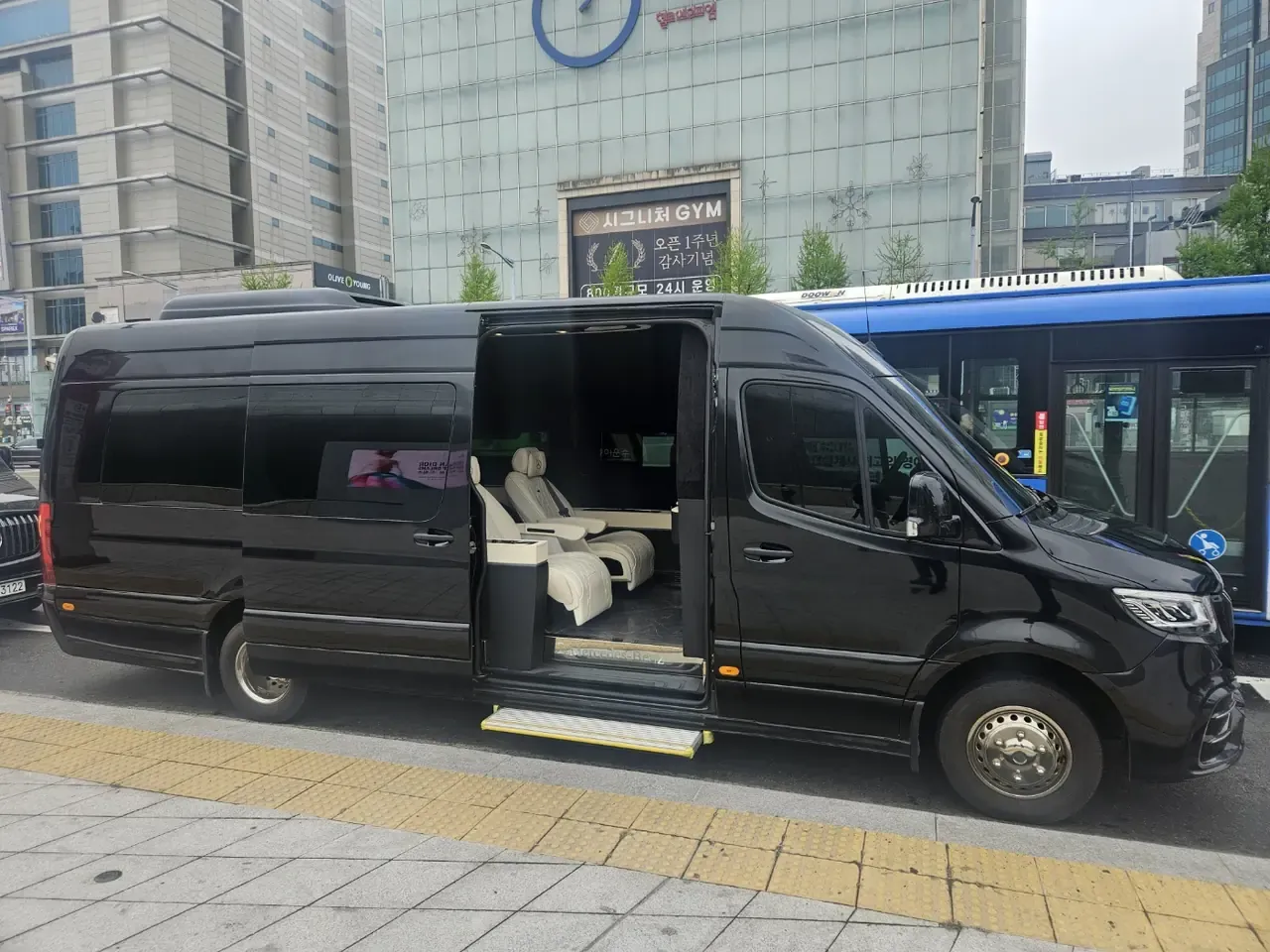
Use one change authority
Choose a lead contact who can approve route changes and extra costs, plus one readiness contact in each vehicle. Drivers should not receive competing requests from several passengers. When a meeting changes, distribute the revised destination, departure assumption and affected vehicle codes in one message. Ask for acknowledgement before releasing the group. Agree whether the transport quote includes a separate coordinator or only driver and booking support.
The host remains responsible for meeting decisions; the operator helps turn approved changes into workable vehicle movements.
Treat airport days as a separate operation
List flight groups and terminals rather than expecting one arrival wave. Decide whether each group travels immediately or waits for others, considering fatigue and the booked waiting terms. Departure day needs a new manifest because flight times, luggage and terminals may differ from arrival. Keep the final airport leg insulated from optional stops. A reserve vehicle can be quoted where useful, but availability must be confirmed rather than assumed.
Review five essentials before each release: people accounted for, bags loaded, next entrance known, contact reachable and current version shared.
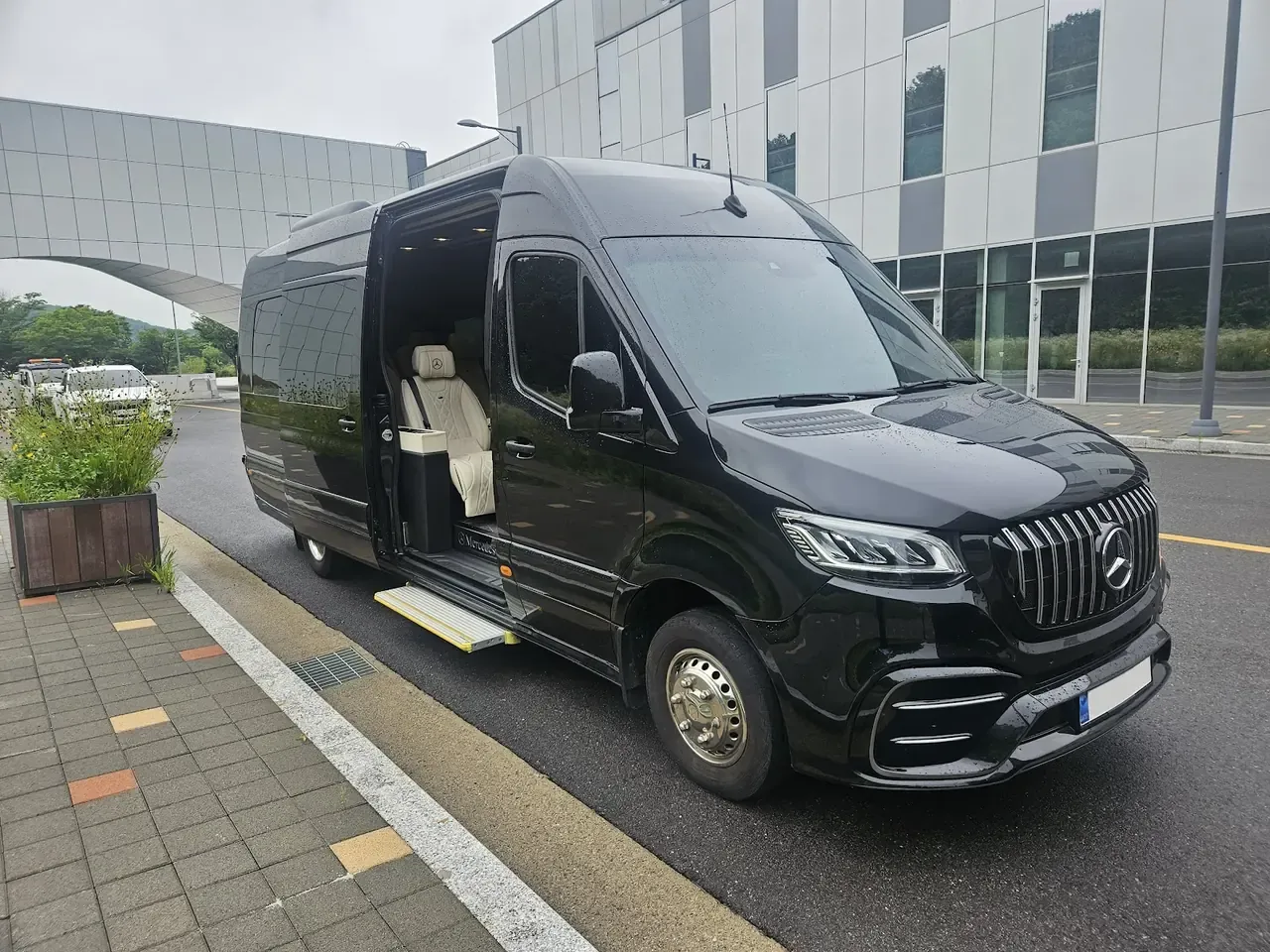
Frequently asked questions
Should every vehicle be the same model?
Only if that supports the programme. A principal sedan and larger staff vehicle may work better than identical cars; ask for coordinated appearance and clear roles where needed.
Can we use a public group chat?
Use an agreed channel with limited membership and only necessary movement information. Avoid publishing full itineraries or personal details where they can be forwarded widely.
What if one delegate is missing?
The coordinator should decide whether to hold, split or proceed under a predefined rule. Drivers should not make that business decision independently.
Does a convoy receive priority on the road?
No priority is implied by this service. Plan buffers and independent navigation so safe, lawful driving remains possible when vehicles are separated.