On this page
A summit itinerary can look generous on paper while leaving an arriving executive no time to change, eat or prepare. Plan the first day around the person giving the speech or attending the negotiation, then connect flights, hotel access and venue movement into a workable transport brief.
Start with the moment the guest must be ready
Ask the event producer when the guest needs to be backstage or inside the meeting room. This is earlier than the published session time. Work backward through reception, accreditation, wardrobe changes and a genuine hotel break. Keep the airport transfer as its own variable rather than hiding immigration, luggage collection and road travel inside one optimistic estimate.
If arrival cannot support that sequence, discuss a later speaking slot or previous-day arrival before tickets and programs become difficult to change.
Choose a first-day route that preserves energy
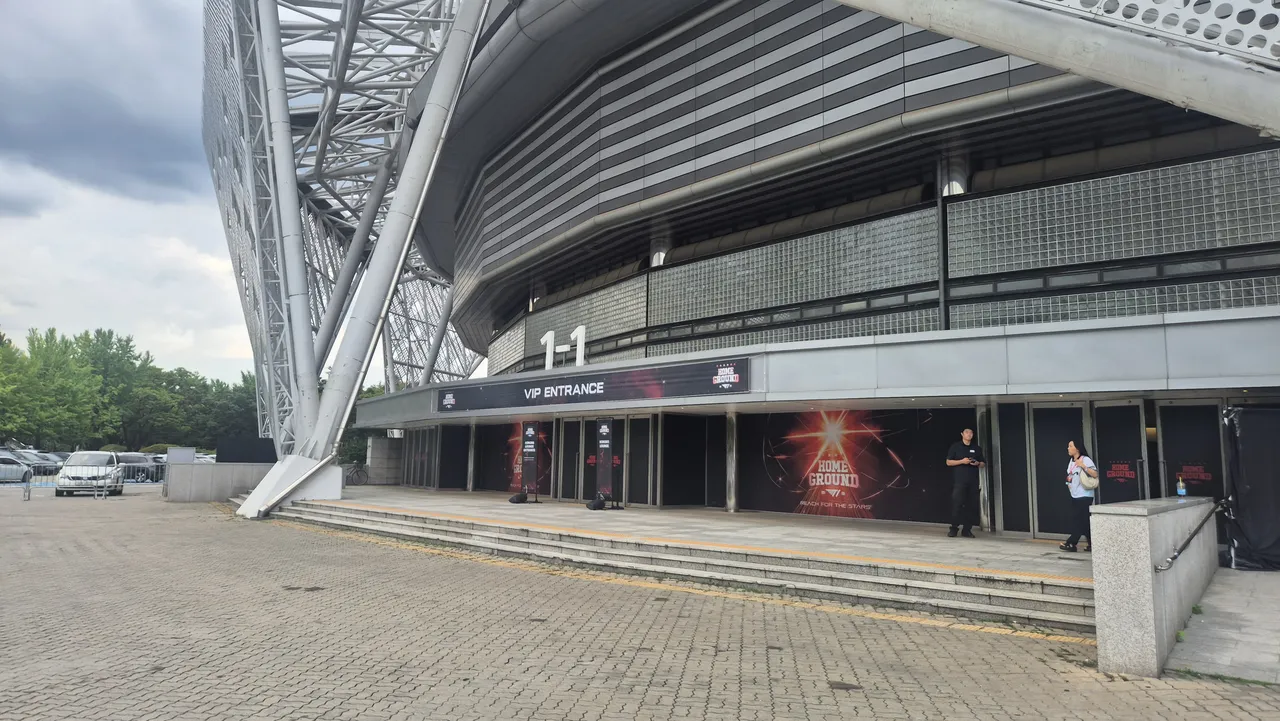
Compare airport-to-hotel, airport-to-venue and a hotel-first route with a short meal stop. Give each option a clear purpose. A direct venue transfer works only when the host can provide the changing, waiting and preparation space the guest needs. A hotel stop requires confirmed early room access; a booking alone does not establish that the room will be available.
Grand’s full-day CEO operation connected an early start, multiple business stops and an evening reception. Its lesson for summit planning is continuity between handoffs, rather than treating every movement as an isolated booking.
| Situation | Transport approach | Organizer action |
|---|---|---|
| Room available before the session | Hotel first, then venue | Protect changing and preparation time |
| Room not ready | Use an agreed waiting location | Arrange access through hotel or event host |
| Arrival too close to speaking time | Review the session order | Escalate before the travel day |
| Optional welcome dinner | Make attendance flexible | Keep a direct hotel return available |
Write practical comfort requests without prescribing treatment
Ask whether the guest prefers quiet, conversation, a cooler cabin or a comfort break. Record only preferences that help the journey. Guests should manage their own medicines and discuss health questions with an appropriate professional. Event teams should avoid distributing unfamiliar remedies or describing a transport package as medical support.
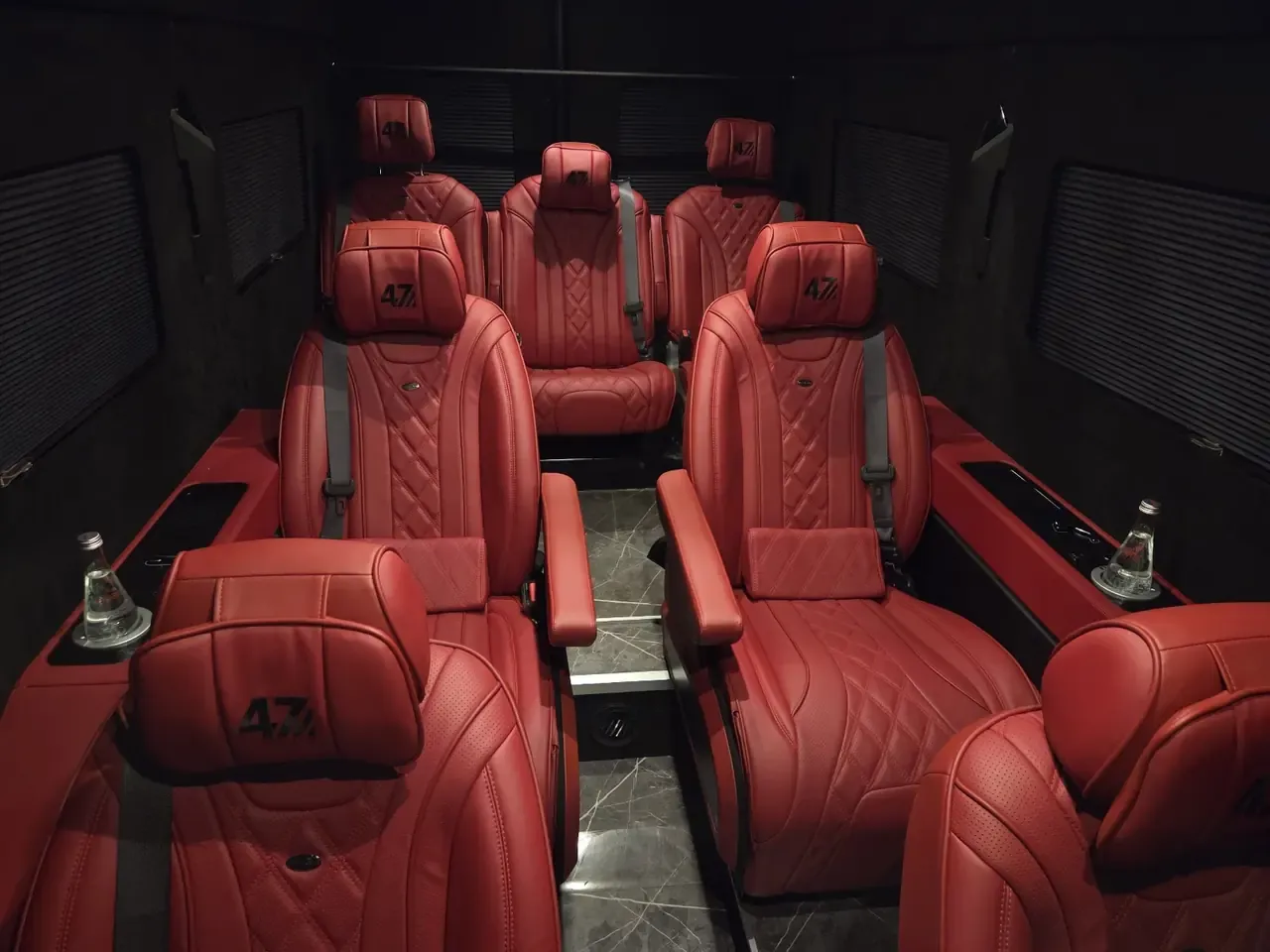
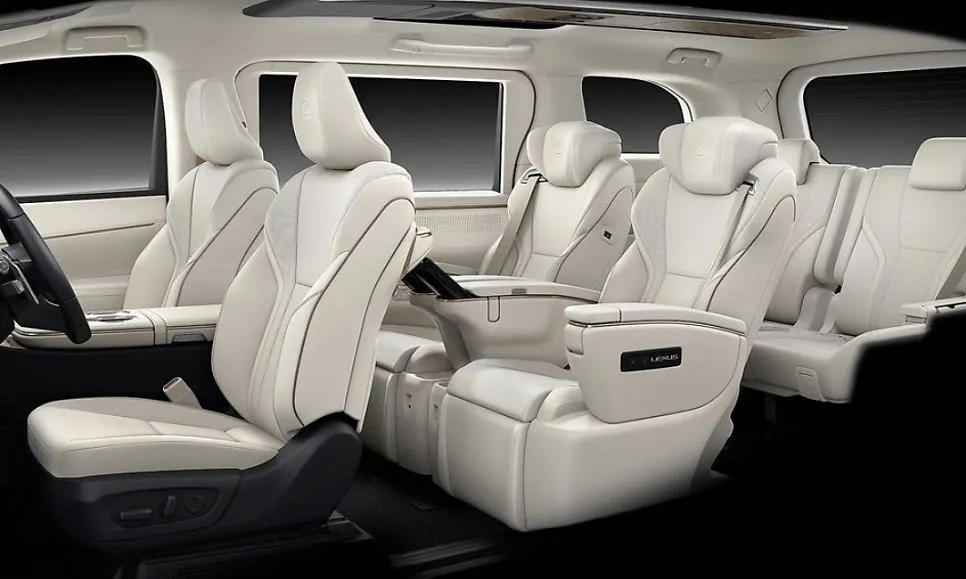
Keep customer-arranged food or refreshments simple and suitable for the guest’s stated needs. Establish who supplies them and how they reach the vehicle. Specific cabin equipment, refreshments and language support belong in the confirmed assignment, not in assumptions about a premium label.
Separate the principal’s route from the support team
An executive, interpreter and assistant may share a destination but have different preparation tasks. Decide who must travel with the principal and who can move separately with presentation cases or event materials. This protects usable space and lets the support team check venue access without extending the principal’s arrival route.
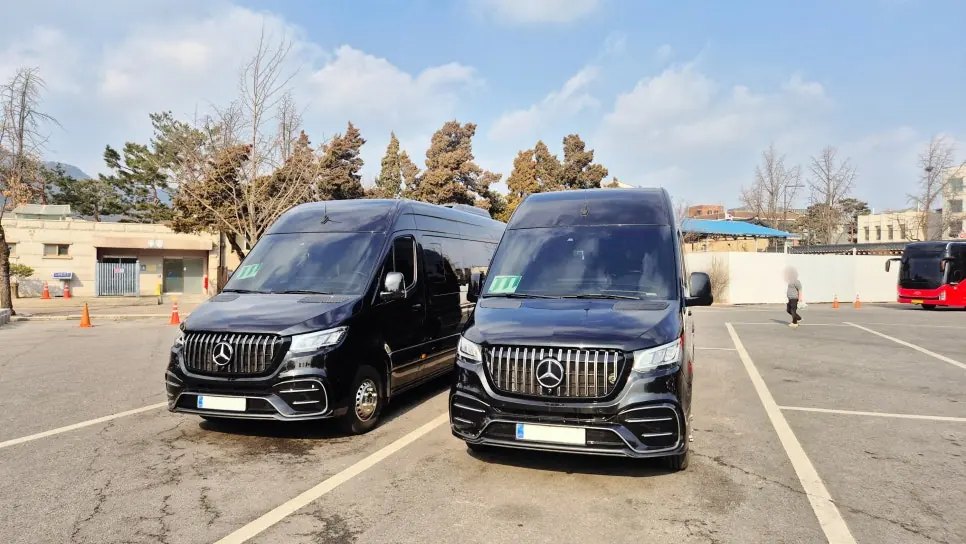
The Genesis G90 (Full Change) lists four seats in total, including the front row. The Mercedes-Benz Sprinter Limousine · 9 lists two front and seven rear seats. These totals do not establish available guest places or luggage fit for your assignment.
Give one person authority to simplify the day
Nominate an event contact who can remove an optional stop when the flight, baggage process or preceding meeting runs late. Give that person the latest venue access instructions and the guest’s assistant contact. Send a brief decision message: what changed, which stop is removed, and where the next handoff happens.
Request a custom quote showing the agreed service period, waiting arrangements, extensions and any additional transfer. Before arrival, circulate a concise version of the plan that the guest can understand without reading the entire event production schedule.
- Identify the mandatory readiness time and responsible host.
- Confirm hotel room access and a fallback waiting space.
- Separate essential movements from optional hospitality.
- Agree who approves changes and any additional charges.
Frequently asked questions
Should the first meeting start immediately after landing?
Only if the full arrival process and preparation needs support it. Work from the required room-ready time and retain an alternative if the flight slips.
Can Grand provide medication for travel fatigue?
Medication supply and medical advice are outside the confirmed transport scope. Guests should bring their own appropriate supplies and consult their chosen professional.
Must the assistant travel in the same vehicle?
Include the assistant when their presence is useful to the guest. Otherwise, a separate support route may allow earlier venue preparation and less luggage in the principal’s vehicle.
What should be removed when arrival is late?
Remove an agreed optional meal or welcome stop first. Let the event host decide any session change, then issue one updated transport plan.